bookmark_borderClimate Change: Code Red for Humanity

The UN’s IPCC (Intergovernmental Panel on Climate Control) release their latest report that has been compiled and peer-reviewed over the last 8 years.

U.N. Secretary-General, António Guterres described the report as “a code red for humanity.”

“The alarm bells are deafening, and the evidence is irrefutable: greenhouse gas emissions from fossil fuel burning and deforestation are choking our planet and putting billions of people at immediate risk,” said Mr. Guterres.

Some of the changes already set in motion will be “irreversible” for centuries to come.

A press release from the IPCC states:

The report provides new estimates of the chances of crossing the global warming level of 1.5°C in the next decades, and finds that unless there are immediate, rapid and large-scale reductions in greenhouse gas emissions, limiting warming to close to 1.5°C or even 2°C will be beyond reach.

The report shows that emissions of greenhouse gases from human activities are responsible for approximately 1.1°C of warming since 1850-1900, and finds that averaged over the next 20 years, global temperature is expected to reach or exceed 1.5°C of warming. This assessment is based on improved observational datasets to assess historical warming, as well progress in scientific understanding of the response of the climate system to human-caused greenhouse gas emissions.

“This report is a reality check,” said IPCC Working Group I Co-Chair Valérie Masson-Delmotte. “We now have a much clearer picture of the past, present and future climate, which is essential for understanding where we are headed, what can be done, and how we can prepare.”

Every region facing increasing changes

Many characteristics of climate change directly depend on the level of global warming, but what people experience is often very different to the global average. For example, warming over land is larger than the global average, and it is more than twice as high in the Arctic.

“Climate change is already affecting every region on Earth, in multiple ways. The changes we experience will increase with additional warming,” said IPCC Working Group I Co-Chair Panmao Zhai.

The report projects that in the coming decades climate changes will increase in all regions. For 1.5°C of global warming, there will be increasing heat waves, longer warm seasons and shorter cold seasons. At 2°C of global warming, heat extremes would more often reach critical tolerance thresholds for agriculture and health, the report shows.

But it is not just about temperature. Climate change is bringing multiple different changes in different regions – which will all increase with further warming. These include changes to wetness and dryness, to winds, snow and ice, coastal areas and oceans. For example:

* Climate change is intensifying the water cycle. This brings more intense rainfall and associated flooding, as well as more intense drought in many regions.
* Climate change is affecting rainfall patterns. In high latitudes, precipitation is likely to increase, while it is projected to decrease over large parts of the subtropics. Changes to monsoon precipitation are expected, which will vary by region.
* Coastal areas will see continued sea level rise throughout the 21st century, contributing to more frequent and severe coastal flooding in low-lying areas and coastal erosion. Extreme sea level events that previously occurred once in 100 years could happen every year by the end of this century.
* Further warming will amplify permafrost thawing, and the loss of seasonal snow cover, melting of glaciers and ice sheets, and loss of summer Arctic sea ice.
* Changes to the ocean, including warming, more frequent marine heatwaves, ocean acidification, and reduced oxygen levels have been clearly linked to human influence. These changes affect both ocean ecosystems and the people that rely on them, and they will continue throughout at least the rest of this century.
* For cities, some aspects of climate change may be amplified, including heat (since urban areas are usually warmer than their surroundings), flooding from heavy precipitation events and sea level rise in coastal cities.

For the first time, the Sixth Assessment Report provides a more detailed regional assessment of climate change, including a focus on useful information that can inform risk assessment, adaptation, and other decision-making, and a new framework that helps translate physical changes in the climate – heat, cold, rain, drought, snow, wind, coastal flooding and more – into what they mean for society and ecosystems.

This regional information can be explored in detail in the newly developed Interactive Atlas interactive-atlas.ipcc.ch as well as regional fact sheets, the technical summary, and underlying report.

Human influence on the past and future climate

“It has been clear for decades that the Earth’s climate is changing, and the role of human influence on the climate system is undisputed,” said Masson-Delmotte. Yet the new report also reflects major advances in the science of attribution – understanding the role of climate change in intensifying specific weather and climate events such as extreme heat waves and heavy rainfall events.

The report also shows that human actions still have the potential to determine the future course of climate. The evidence is clear that carbon dioxide (CO2) is the main driver of climate change, even as other greenhouse gases and air pollutants also affect the climate.

“Stabilizing the climate will require strong, rapid, and sustained reductions in greenhouse gas emissions, and reaching net zero CO2 emissions. Limiting other greenhouse gases and air pollutants, especially methane, could have benefits both for health and the climate,” said Zhai.

More on The Human Induced Climate Change Experiment

bookmark_borderPollution Kills

by Daniel Brouse and Sidd Mukherjee

Pollution will kill you. Usually, it is a slow, painful death.

For the last 20 years, the American Lung Association has analyzed data from official air quality monitors to compile the “State of the Air” report. The most recent report found the United States recorded more days with hazardous air quality than ever. “Hazardous” as air that reaches “emergency conditions” on the government’s air quality index. “More than 4 in 10 people live where pollution levels are too often dangerous to breathe.”

Philadelphia-Reading-Camden, PA-NJ-DE-MD rank as the 21st worst city for ozone and the 18th worst for “Year Round Particle Pollution”. Pittsburgh-New Castle-Weirton, PA-OH-WV ranked 7th worst for year round particle pollution. Lancaster, PA ranked 15th worst for particle pollution.

“Two types of air pollution dominate in the U.S.: ozone and particle pollution1. These two pollutants threaten the health and the lives of millions of Americans. Thanks to the Clean Air Act, the U.S. has far less of both pollutants now than in the past. Still, nearly 141.1 million people live in counties where monitors show unhealthy levels of one or both—meaning the air a family breathes could shorten life or cause lung cancer and other harmful effects. It may be hard to imagine that pollution could be invisible, but ozone is. It is currently one of the least-well-controlled pollutants in the United States. And, it is also one of the most dangerous” the Association reports.

Air Pollution, Health and Wellness

The Institute of Health Metrics and Evaluation at the University of Washington that 5 million deaths per year could be attributed to stroke, heat attack, diabetes, lung cancer and chronic lung disease that resulted from air pollution.

The journal Lancet Planetary Health found air pollution is linked to diabetes.

The National Academy of Sciences published a study that found a significant impact from exposure to air pollution on cognitive performance.

“Today it feels like the future of our kids and our country is at stake,” said former Obama EPA chief Gina McCarthy, now director of the Center for Climate, Health and the Global Environment at the Harvard School of Public Health. “We do not have the cleanest air and we have not crossed the finish line when it comes to pollution.”

Vote for parks. Trees and plants help abate pollution.
If you can, move away from the traffic.
Consider wearing masks.

bookmark_borderClimate Disasters Made for Costliest Year

The National Oceanic and Atmospheric Administration (NOAA) reports:
2017 will be remembered as a year of extremes for the U.S. as floods, tornadoes, hurricanes, drought, fires and freezes claimed hundreds of lives and visited economic hardship upon the nation. Recovery from the ravages of three major Atlantic hurricanes making landfall in the U.S. and an extreme and ongoing wildfire season in the West is expected to continue well into the new year

Billion-dollar disasters in 2017

Last year, the U.S. experienced 16 weather and climate disasters each with losses exceeding $1 billion, totaling approximately $306 billion — a new U.S. record.

Far more tragic was the human toll. At least 362 people died and many more were injured during the course of the disasters that included:

1 freeze;
1 drought (affected multiple areas);
1 wildfire (affected multiple areas);
2 floods;
3 major hurricanes (Harvey, Irma and Maria); and
8 severe storms.

The biggest newsmakers include the western U.S. wildfires that caused damages tallying $18 billion — triple the previous U.S. record. Losses from Hurricane Harvey exceeded $125 billion, which ranked second only to Hurricane Katrina, the costliest storm in the 38-year period of record. Hurricanes Maria and Irma had total damages of $90 billion and $50 billion, respectively. Hurricane Maria now ranks as third costliest weather and climate disaster on record for the nation, with Irma coming in close behind as fifth costliest.

Since 1980, the U.S. has sustained 219 weather and climate disasters that have exceeded $1.5 trillion in overall damages to date.

Billion Dollar Disasters

16 weather and climate disasters each with losses exceeding $1 billion

During 2017, the U.S. experienced a historic year of weather and climate disasters. In total, the U.S. was impacted by 16 separate billion-dollar disaster events tying 2011 for the record number of billion-dollar disasters for an entire calendar year. In fact, 2017 arguably has more events than 2011 given that our analysis traditionally counts all U.S. billion-dollar wildfires, as regional-scale, seasonal events, not as multiple isolated events.

More notable than the high frequency of these events is the cumulative cost, which exceeds $300 billion in 2017 — a new U.S. annual record. The cumulative damage of these 16 U.S. events during 2017 is $306.2 billion, which shatters the previous U.S. annual record cost of $214.8 billion (CPI-adjusted), established in 2005 due to the impacts of Hurricanes Dennis, Katrina, Rita and Wilma.

bookmark_borderPollution And Health: 9 Million Deaths Per Year

The Lancet Commission published a report on October 19, 2017 that outlined the results of pollution and health. The report concluded that 9 million people suffered premature deaths due to pollution in 2015.

“Pollution is the largest environmental cause of disease and premature death in the world today. Diseases caused by pollution were responsible for an estimated 9 million premature deaths in 2015—16% of all deaths worldwide—three times more deaths than from AIDS, tuberculosis, and malaria combined and 15 times more than from all wars and other forms of violence. In the most severely affected countries, pollution-related disease is responsible for more than one death in four,” the report states.

Air pollution is the leading cause of death followed by water pollution. The financial cost from pollution-related death, sickness and welfare costs about $4.6 trillion in annual losses.

The report highlights:

  • Air pollution was linked to 6.5 million premature deaths;
  • Water pollution was linked to 1.8 million premature deaths;
  • Workplace pollution was linked to 1 million premature deaths;
  • Premature deaths resulting from pollution-related diseases like heart disease and cancer outnumbered AIDS, tuberculosis, and malaria combined 3 to 1;
  • About 92% of all premature deaths linked to pollution occur in low and middle-income countries.
  • Up to one in four deaths can be attributed to pollution in countries like China, India, Pakistan, or Bangladesh.
  • In absolute numbers, China (1.8 million) and India (2.5 million) had the most pollution-related deaths for the year 2015.
  • The United States, home to the world’s biggest economy, saw 155,000 premature deaths linked to pollution in 2015.


MORE REFERENCES
Death By Ozone
Health And Air Quality
Air Pollution Deaths
Air Pollution Killing Millions
Largest Health Risk

bookmark_borderAir Pollution: Getting All Choked Up

By Daniel Brouse

Air pollution may be the largest problem facing the world. Emissions of CO2, methane and other greenhouse gases are causing irreversible climate change. Since the effects of global warming take years to become apparent, many people don’t even notice the change; however, air pollution is already the leading cause of death worldwide. Again, since the pollution can’t be seen with the naked eye, many people are in denial of the dire consequences. 92% of the world’s population lives where outdoor air quality fails to meet the World Health Organization (WHO) guidelines.

In March of 2017, Dr. Margaret Chan, director general of the World Health Organization, said air pollution is “one of the most pernicious threats” facing global public health today and is on a much bigger scale than HIV or Ebola. Dr. Chan attributed the deaths of 600,000 children per year to indoor and outdoor air pollution.

UNICEF Executive Director Anthony Lake said, “Pollutants don’t only harm children’s developing lungs, they can actually cross the blood-brain barrier and permanently damage their developing brains, and, thus, their futures. No society can afford to ignore air pollution.”

“Protecting children from air pollution is not only in their best interests; it is also in the best interests of their societies — a benefit realized in reduced health costs, in increased productivity, in a cleaner, safer environment, and thus, in more sustainable development,” Lake said.

It is estimated that 5-7 million people are dying prematurely every year as a result of air pollution.

The American Lung Association says, “Two types of air pollution dominate in the U.S.: ozone and particle pollution. These two pollutants threaten the health and the lives of millions of Americans. Thanks to the Clean Air Act, the U.S. has far less of both pollutants now than in the past. Ozone pollution is the most widespread pollutant in the U.S. and is also one of the most dangerous.”

Ozone Action Alert Days are a frequent occurrence throughout the United States. During an Ozone Alert, you should not breath outside. During any days near metropolitan areas, you should limit outdoor physical activities as deep breathing causes more severe damage. The young and old are at greater risk at all times.

Particle pollution comes from small particles in exhaust and increase the risk of heart disease, lung cancer and asthma attacks. Particulates can interfere with the growth and work of the lungs.

The Environ Health Perspect Study states, “First and foremost, short-term exposure to particle pollution can kill. Peaks or spikes in particle pollution can last for hours to days. Deaths can occur on the very day that particle levels are high, or within one to two months afterward. Particle pollution does not just make people die a few days earlier than they might otherwise—these are deaths that would not have occurred if the air were cleaner.”

In February of 2017, the EPA released an update on air quality in the U.S.:

Today, pollution levels in many areas of the United States exceed national air quality standards for at least one of the six common pollutants:

  • Although levels of particle pollution and ground-level ozone pollution are substantially lower than in the past, levels are unhealthy in numerous areas of the country. Both pollutants are the result of emissions from diverse sources, and travel long distances and across state lines.

    An extensive body of scientific evidence shows that long- and short-term exposures to fine particle pollution, also known as fine particulate matter (PM2.5), can cause premature death and harmful effects on the cardiovascular system, including increased hospital admissions and emergency department visits for heart attacks and strokes. Scientific evidence also links PM to harmful respiratory effects, including asthma attacks.

    Ozone can increase the frequency of asthma attacks, cause shortness of breath, aggravate lung diseases, and cause permanent damage to lungs through long-term exposure. Elevated ozone levels are linked to increases in hospitalizations, emergency room visits and premature death.

    Both pollutants cause environmental damage, and fine particles impair visibility.

    Fine particles can be emitted directly or formed from gaseous emissions including sulfur dioxide or nitrogen oxides. Ozone, a colorless gas, is created when emissions of nitrogen oxides and volatile organic compounds react.

  • For unhealthy peak levels of sulfur dioxide and nitrogen dioxide, EPA is working with states and others on ways to determine where and how often unhealthy peaks occur. Both pollutants cause multiple adverse respiratory effects including increased asthma symptoms, and are associated with increased emergency department visits and hospital admissions for respiratory illness. Both pollutants cause environmental damage, and are byproducts of fossil fuel combustion.
  • Airborne lead pollution, a nationwide health concern before EPA phased out lead in motor vehicle gasoline under Clean Air Act authority, now meets national air quality standards except in areas near certain large lead-emitting industrial facilities. Lead is associated with neurological effects in children, such as behavioral problems, learning deficits and lowered IQ, and high blood pressure and heart disease in adults.
  • The entire nation meets the carbon monoxide air quality standards, largely because of emissions standards for new motor vehicles under the Clean Air Act.

MORE REFERENCES
Health And Air Quality
Air Pollution Deaths
Air Pollution Killing Millions
Largest Health Risk

bookmark_borderTrees: Sudden Oak Death “Unstoppable”

A new report out of Cambridge University has determined that the sudden oak death epidemic in California is unstoppable.

“Sudden oak death – caused by Phytophthora ramorum, a fungus-like pathogen related to potato blight – has killed millions of trees over hundreds of square kilometres of forest in California. First detected near San Francisco in 1995, it spread north through coastal California, devastating the region’s iconic oak and tanoak forests.”

“Our study is the first major retrospective analysis of how the sudden oak death epidemic in California could have been managed, and also the first to show how to deal with a forest epidemic of this magnitude,” explains Cunniffe.

“Even if huge amounts of money were to be invested to stop the epidemic starting today, the results of our model show this cannot lead to successful control for any plausible management budget. We therefore wanted to know whether it could have been contained if a carefully-optimised strategy had been introduced sooner. Our model showed that, with a very high level of investment starting in 2002, the disease could not have been eradicated, but its spread could have been slowed and the area affected greatly reduced.”

The model also indicates how policymakers might better plan and deploy control when future epidemics emerge.

“It is a tool by which we can make a better job next time, because it is inevitable that there will be a next time,” says Professor Chris Gilligan, senior author and also from the Department of Plant Sciences. “With this sort of epidemic there will always be more sites to treat than can be afforded. Our model shows when and where control is most effective at different stages throughout a developing epidemic so that resources can be better targeted.”

“It can be tempting for authorities to start cutting down trees at the core of the infected area, but for this epidemic our research shows that this could be the worst thing to do, because susceptible vegetation will simply grow back and become infected again,” explains Cunniffe.

More about Deforestation and Tree Death

bookmark_borderKilling Ourselves With Climate Change

WASHINGTON DC — Climate change is maiming and killing humans.

“This isn’t just about glaciers and the polar bears; it’s about the health of our family and our kids,” said Gina McCarthy, administrator of the Environmental Protection Agency, one of eight U.S. agencies that contributed to the report. “To protect ourselves and future generations, we need to understand the health impacts of climate changes that are already happening and those we expect to see down the road.”

The US Global Change Research Program is a report compiled over several years by the federal government. The report states:
Climate change is a significant threat to the health of the American people. The impacts of human-induced climate change are increasing nationwide. Rising greenhouse gas concentrations result in increases in temperature, changes in precipitation, increases in the frequency and intensity of some extreme weather events, and rising sea levels. These climate change impacts endanger our health by affecting our food and water sources, the air we breathe, the weather we experience, and our interactions with the built and natural environments. As the climate continues to change, the risks to human health continue to grow.

Current and future climate impacts expose more people in more places to public health threats. Already in the United States, we have observed climate-related increases in our exposure to elevated temperatures; more frequent, severe, or longer-lasting extreme events; degraded air quality; diseases transmitted through food, water, and disease vectors (such as ticks and mosquitoes); and stresses to our mental health and well-being. Almost all of these threats are expected to worsen with continued climate change. Some of these health threats will occur over longer time periods, or at unprecedented times of the year; some people will be exposed to threats not previously experienced in their locations. Overall, instances of potentially beneficial health impacts of climate change are limited in number and pertain to specific regions or populations. For example, the reduction in cold-related deaths is projected to be smaller than the increase in heat-related deaths in most regions.

Every American is vulnerable to the health impacts associated with climate change. Increased exposure to multiple health threats, together with changes in sensitivity and the ability to adapt to those threats, increases a person’s vulnerability to climate-related health effects. The impacts of climate change on human health interact with underlying health, demographic, and socioeconomic factors. Through the combined influence of these factors, climate change exacerbates some existing health threats and creates new public health challenges. While all Americans are at risk, some populations are disproportionately vulnerable, including those with low income, some communities of color, immigrant groups (including those with limited English proficiency), Indigenous peoples, children and pregnant women, older adults, vulnerable occupational groups, persons with disabilities, and persons with preexisting or chronic medical conditions.

In recent years, scientific understanding of how climate change increases risks to human health has advanced significantly. Even so, the ability to evaluate, monitor, and project health effects varies across climate impacts. For instance, information on health outcomes differ in terms of whether complete, long-term datasets exist that allow quantification of observed changes, and whether existing models can project impacts at the timescales and geographic scales of interest. Differences also exist in the metrics available for observing or projecting different health impacts. For some health impacts, the available metrics only describe changes in risk of exposure, while for others, metrics describe changes in actual health outcomes (such as the number of new cases of a disease or an increase in deaths).

This assessment strengthens and expands our understanding of climate-related health impacts by providing a more definitive description of climate-related health burdens in the United States. It builds on the 2014 National Climate Assessment and reviews and synthesizes key contributions to the published literature. Acknowledging the rising demand for data that can be used to characterize how climate change affects health, this report assesses recent analyses that quantify observed and projected health impacts. Each chapter characterizes the strength of the scientific evidence for a given climate–health exposure pathway or “link” in the causal chain between a climate change impact and its associated health outcome. This assessment’s findings represent an improvement in scientific confidence in the link between climate change and a broad range of threats to public health, while recognizing populations of concern and identifying emerging issues. These considerations provide the context for understanding Americans’ changing health risks and allow us to identify, project, and respond to future climate change health threats. The overall findings underscore the significance of the growing risk climate change poses to human health in the United States.

HUMAN HEALTH
The influences of weather and climate on human health are significant and varied. Exposure to health hazards related to climate change affects different people and different communities to different degrees. While often assessed individually, exposure to multiple climate change threats can occur simultaneously, resulting in compounding or cascading health impacts (see Figure ES2).

With climate change, the frequency, severity, duration, and location of weather and climate phenomena—like rising temperatures, heavy rains and droughts, and some other kinds of severe weather—are changing. This means that areas already experiencing health-threatening weather and climate phenomena, such as severe heat or hurricanes, are likely to experience worsening impacts, such as higher temperatures and increased storm intensity, rainfall rates, and storm surge. It also means that some locations will experience new climate-related health threats. For example, areas previously unaffected by toxic algal blooms or waterborne diseases because of cooler water temperatures may face these hazards in the future as increasing water temperatures allow the organisms that cause these health risks to thrive. Even areas that currently experience these health threats may see a shift in the timing of the seasons that pose the greatest risk to human health.

Climate change can therefore affect human health in two main ways: first, by changing the severity or frequency of health problems that are already affected by climate or weather factors; and second, by creating unprecedented or unanticipated health problems or health threats in places where they have not previously occurred.

Temperature-Related Death and Illness
Increasing concentrations of greenhouse gases lead to an increase of both average and extreme temperatures. This is expected to lead to an increase in deaths and illness from heat and a potential decrease in deaths from cold (see Figure ES3), particularly for a number of communities especially vulnerable to these changes, such as children, the elderly, and economically disadvantaged groups. Days that are hotter than the average seasonal temperature in the summer or colder than the average seasonal temperature in the winter cause increased levels of illness and death by compromising the body’s ability to regulate its temperature or by inducing direct or indirect health complications. Loss of internal temperature control can result in a cascade of illnesses, including heat cramps, heat exhaustion, heatstroke, and hyperthermia in the presence of extreme heat, and hypothermia and frostbite in the presence of extreme cold. Temperature extremes can also worsen chronic conditions such as cardiovascular disease, respiratory disease, cerebrovascular disease, and diabetes-related conditions. Prolonged exposure to high temperatures is associated with increased hospital admissions for cardiovascular, kidney, and respiratory disorders.

Air Quality Impacts
Changes in the climate affect the air we breathe, both indoors and outdoors. The changing climate has modified weather patterns, which in turn have influenced the levels and location of outdoor air pollutants such as ground-level ozone (O3) (see Figure ES4) and fine particulate matter. Increasing carbon dioxide (CO2) levels also promote the growth of plants that release airborne allergens (aeroallergens). Finally, these changes to outdoor air quality and aeroallergens also affect indoor air quality as both pollutants and aeroallergens infiltrate homes, schools, and other buildings. Poor air quality, whether outdoors or indoors, can negatively affect the human respiratory and cardiovascular systems. Higher pollen concentrations and longer pollen seasons can increase allergic sensitization and asthma episodes and thereby limit productivity at work and school.

Extreme Events
Climate change projections show that there will be continuing increases in the occurrence and severity of some extreme events by the end of the century, while for other extremes the links to climate change are more uncertain. Some regions of the United States have already experienced costly impacts—in terms of both lives lost and economic damages (see Figure ES5)—from observed changes in the frequency, intensity, or duration of certain extreme events. While it is intuitive that extremes can have health impacts such as death or injury during an event (for example, drowning during floods), health impacts can also occur before or after an extreme event, as individuals may be involved in activities that put their health at risk, such as disaster preparation and post-event cleanup. Health risks may also arise long after the event, or in places outside the area where the event took place, as a result of damage to property, destruction of assets, loss of infrastructure and public services, social and economic impacts, environmental degradation, and other factors. Extreme events also pose unique health risks if multiple events occur simultaneously or in succession in a given location. The severity and extent of health effects associated with extreme events depend on the physical impacts of the extreme events themselves as well as the unique human, societal, and environmental circumstances at the time and place where events occur.

Vector-Borne Diseases
Vector-borne diseases are illnesses that are transmitted by vectors, which include mosquitoes, ticks, and fleas. These vectors can carry infective pathogens such as viruses, bacteria, and protozoa, which can be transferred from one host (carrier) to another. The seasonality, distribution, and prevalence of vector-borne diseases are influenced significantly by climate factors, primarily high and low temperature extremes and precipitation patterns. Climate change is likely to have both short- and long-term effects on vector-borne disease transmission and infection patterns, affecting both seasonal risk and broad geographic changes in disease occurrence over decades (see Figure ES6). While climate variability and climate change both alter the transmission of vector-borne diseases, they will likely interact with many other factors, including how pathogens adapt and change, the availability of hosts, changing ecosystems and land use, demographics, human behavior, and adaptive capacity. These complex interactions make it difficult to predict the effects of climate change on vector-borne diseases.

Water-Related Illness
Across most of the United States, climate change is expected to affect fresh and marine water resources in ways that will increase people’s exposure to water-related contaminants that cause illness (see Figure ES7). Water-related illnesses include waterborne diseases caused by pathogens, such as bacteria, viruses, and protozoa. Water-related illnesses are also caused by toxins produced by certain harmful algae and cyanobacteria and by chemicals introduced into the environment by human activities. Exposure occurs through ingestion, inhalation, or direct contact with contaminated drinking or recreational water and through consumption of contaminated fish and shellfish. Factors related to climate change—including temperature, precipitation and related runoff, hurricanes, and storm surge—affect the growth, survival, spread, and virulence or toxicity of agents (causes) of water-related illness. Whether or not illness results from exposure to contaminated water, fish, or shellfish is dependent on a complex set of factors, including human behavior and social determinants of health that may affect a person’s exposure, sensitivity, and adaptive capacity. Water resource, public health, and environmental agencies in the United States provide many public health safeguards to reduce risk of exposure and illness even if water becomes contaminated. These include water quality monitoring, drinking water treatment standards and practices, beach closures, and issuing advisories for boiling drinking water and harvesting shellfish.

Food Safety, Nutrition, and Distribution
A safe and nutritious food supply is a vital component of food security. The impacts of climate change on food production, prices, and trade for the United States and globally have been widely examined, including in the recent report “Climate Change, Global Food Security, and the U.S. Food System.” An overall finding of that report was that “climate change is very likely to affect global, regional, and local food security by disrupting food availability, decreasing access to food, and making utilization more difficult.” This chapter focuses on some of the less reported aspects of food security, specifically the impacts of climate change on food safety, nutrition, and distribution. There are two overarching means by which increasing carbon dioxide (CO2) and climate change alter safety, nutrition, and distribution of food. The first is associated with rising global temperatures and the subsequent changes in weather patterns and extreme climate events. Current and anticipated changes in climate and the physical environment have consequences for contamination, spoilage, and the disruption of food distribution. The second pathway is through the direct CO2 “fertilization” effect on plant photosynthesis. Higher concentrations of CO2 stimulate growth and carbohydrate production in some plants, but can lower the levels of protein and essential minerals in a number of widely consumed crops, including wheat, rice, and potatoes, with potentially negative implications for human nutrition.

Mental Health and Well-Being
The effects of global climate change on mental health and well-being are integral parts of the overall climate-related human health impacts. Mental health consequences of climate change range from minimal stress and distress symptoms to clinical disorders, such as anxiety, depression, post-traumatic stress, and suicidality. Other consequences include effects on the everyday life, perceptions, and experiences of individuals and communities attempting to understand and respond appropriately to climate change and its implications. The mental health and well-being consequences of climate change related impacts rarely occur in isolation, but often interact with other social and environmental stressors. The interactive and cumulative nature of climate change effects on health, mental health, and well-being are critical factors in understanding the overall consequences of climate change on human health.

Populations of Concern
Climate change is already causing, and is expected to continue to cause, a range of health impacts that vary across different population groups in the United States. The vulnerability of any given group is a function of its sensitivity to climate change related health risks, its exposure to those risks, and its capacity for responding to or coping with climate variability and change. Vulnerable groups of people, described here as populations of concern, include those with low income, some communities of color, immigrant groups (including those with limited English proficiency), Indigenous peoples, children and pregnant women, older adults, vulnerable occupational groups, persons with disabilities, and persons with preexisting or chronic medical conditions. Characterizations of vulnerability should consider how populations of concern experience disproportionate, multiple, and complex risks to their health and well-being in response to climate change.
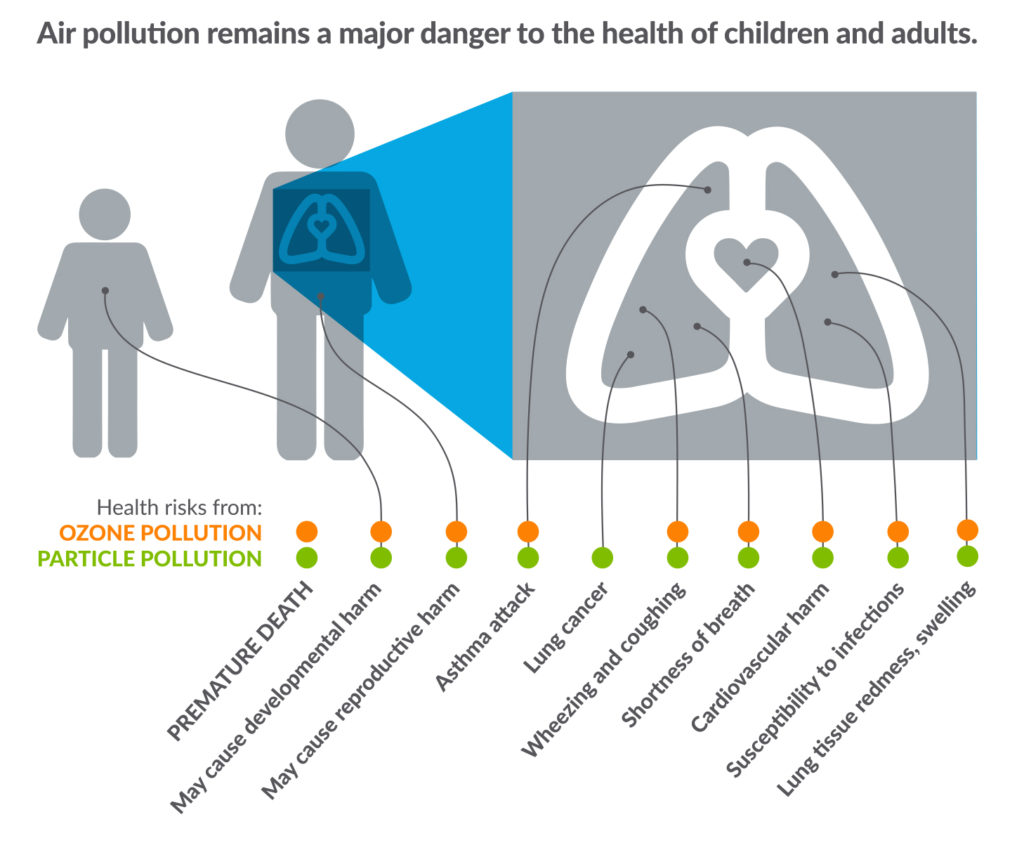
Death By Ozone
Health And Air Quality
Human Induced Climate Change Experiments

bookmark_borderRare Winter Air Quality Alert for Philadelphia

Philadelphia, PA — December 7 and 8, 2015 have been declared “don’t breath in Philly days” by the EPA. It is rare to have a December air quality alert in Philadelphia, PA. It is recommended not to breath in the out-of-doors on alert days. Children, elderly and physically active individuals are most at risk for disease and death.

View the current air quality for Philadelphia.

Philadelphia Air Quality Winter 2015

More on the health risks of air pollution.

Death By Ozone

More on global warming and climate change.

bookmark_borderKing Richard III

The BBC reports on King Richard III:

Skull Of The King
Skull Of The King
  • Richard was born in 1452 at Fotheringhay Castle in Northamptonshire
  • His coronation took place in Westminster Abbey in 1483
  • Richard had one of the shortest reigns in British history – 26 months
  • He was the last English king to die in battle, killed at Bosworth in 1485

King Richard III was probably killed by two blows to the head during a “sustained attack”, according to new scientific research. Forensic teams studied the skeleton to determine the nature of the injuries and weapons that were used.

The English king was killed at the Battle of Bosworth on 22 August, 1485.

Forensic teams at the University of Leicester have now revealed he suffered at least 11 injuries, some possibly inflicted after death.

CT scans were used on his 500-year-old skeleton to help determine his injuries and the medieval weapons used.

His remains were found under a car park in Leicester in 2012.

The results of forensic analysis, published in The Lancet, show he had nine wounds to the skull and two to the postcranial skeleton.

Researchers said three of these “had the potential to cause death quickly”.

Wounds To The Head
Wounds To The Head

Sarah Hainsworth, study author and professor of materials engineering, said: “Richard’s injuries represent a sustained attack or an attack by several assailants with weapons from the later medieval period.

“Wounds to the skull suggest he was not wearing a helmet, and the absence of defensive wounds on his arms and hands indicate he was still armoured at the time of his death.”

Guy Rutty, from the East Midlands pathology unit, said the two fatal injuries to the skull were likely to have been caused by a sword, a staff weapon such as halberd or bill, or the tip of an edged weapon.

He said: “Richard’s head injuries are consistent with some near-contemporary accounts of the battle, which suggest Richard abandoned his horse after it became stuck in a mire and was killed while fighting his enemies.”

Investigators said they believed damage to the pelvis was caused by a thin dagger stabbed into the buttocks. While this injury could in theory have caused fatal bleeding, it was unlikely to have been the cause of death as Richard’s armour would have protected this part of the body.

They suggested this wound, along with another to a rib, was likely to have been inflicted after death, possibly when the body was slung over a horse.

Researchers said there could have been more wounds to soft tissue which left no trace on the skeleton.

King Richard’s skeleton is due to be reinterred at Leicester Cathedral in March.

bookmark_borderWhat Is Global Warming

by the National Oceanic And Atmospheric Administration

What is Global Warming?

sun.jpg, photo courtesy of NOAA Photo Library
The term Global Warming refers, without any implications for the cause or magnitude, to the observation that the atmosphere near the Earth’s surface is warming. This warming is one of many kinds of climate change that the Earth has gone through in the past and will continue to go through in the future.

Why is Global Warming important?

Temperature increases will have significant impacts on human activities, including: where we can live, what food we can grow, how and where we can grow food, and where organisms we consider pests can thrive. To be prepared for the effects of these potential impacts we need to know how much the Earth is warming, how long the Earth has been warming, and what has caused the warming. Answers to these questions provide us with a better basis for making decisions related to issues such as water resources and agricultural planning.

What is the Greenhouse Effect?

Greenhouse effect image Our planet absorbs radiant energy from the sun and emits some of that energy back to space. The term greenhouse effect describes how water vapor, carbon dioxide, and other “greenhouse” gases in the atmosphere alter the return of energy to space, and in turn, change the temperature at the Earth’s surface. These greenhouse gases absorb some of the energy that is emitted from the Earth’s surface, preventing this energy from being lost to space. As a result, the lower atmosphere warms and sends some of this energy back to the Earth’s surface. When the energy is “recycled” in this way, the Earth’s surface warms.

Life on Earth would be very different without the greenhouse effect. The greenhouse effect keeps the long term annual average temperature of the Earth’s surface approximately 32°C (or about 58°F) higher than it would be otherwise.

How is the Greenhouse Effect related to Global Warming?

Greenhouse gases occur naturally in the Earth’s atmosphere, but are also being added by human activities. This happens primarily through the burning of fossil fuels, such as coal, oil and natural gas, which releases carbon dioxide to the atmosphere. Over the past century, atmospheric carbon dioxide (as measured from ice cores) has increased due to human activities from 300 to 380 parts per million (ppm), and the average Earth temperature has increased approximately 0.7°C (or about 1.3°F).

Co2 image
Given what we know about the ability of greenhouse gases to warm the Earth’s surface, it is reasonable to expect that as concentrations of greenhouse gases in the atmosphere rise above natural levels, the Earth’s surface will become increasingly warm. Many scientists have now concluded that global warming can be explained by a human-caused enhancement of the greenhouse effect.

It is important to remember both that the greenhouse effect occurs naturally, and that it has been intensified by humankind’s input of greenhouse gases into the atmosphere.

Are Ozone Holes related to Global Warming or the Greenhouse Effect?

ozone.gif, photo courtesy of NASA The formation of ozone holes is related to these scientific issues, yet is still distinct.
Ozone plays a very important, natural role in the upper atmosphere (called the stratosphere), where 90% of it exists. Stratospheric ozone acts as a shield against harmful ultraviolet (UV) radiation from the sun. This ozone can be destroyed by human-produced chemical compounds called chlorofluorocarbons, or CFCs. When these CFCs are combined with extremely cold stratospheric temperatures over the poles, solar radiation, and particular patterns of atmospheric circulation, chemical reactions occur that cause “Ozone Holes” over Antarctica (pictured above) and the Arctic.

The formation of ozone holes is related to global warming and the greenhouse effect in two ways. First, CFCs are greenhouse gases. Thus, the release of these compounds into the atmosphere will have two separate effects: to destroy ozone and to add to the greenhouse effect. Second, if stratospheric temperatures or patterns of atmospheric circulation change as part of global warming, this will affect the chemical reactions that destroy ozone and cause the ozone holes to either grow or shrink.

daily ozone image
For daily updated images of the ozone, please visit NOAA’s Stratosphere: SBUV-2 Total Ozone Page with images of the ozone from the NOAA-14 Satellite by clicking here or on image at left.