bookmark_borderAir Pollution Protection: Practical Strategies for a Changing Climate

by Daniel Brouse

Reducing Exposure to Smoke, Ozone, and Fine Particulate Pollution

Climate change, air pollution, and human health are becoming increasingly intertwined in a self-reinforcing feedback system. Rising temperatures accelerate the formation of ground-level ozone, while hotter, drier conditions fuel larger and more frequent wildfires that release enormous quantities of smoke and toxic gases. These pollutants damage human health, weaken forests and ecosystems that normally absorb carbon dioxide, and further accelerate climate change.

Protecting yourself from air pollution is no longer just a concern during isolated pollution events—it has become an essential part of climate resilience.


1. Avoid Exposure Whenever Possible

The most effective protection against air pollution is to avoid breathing polluted air whenever possible.

Monitor local air quality forecasts daily, especially during:

  • Wildfire events
  • Heat waves
  • Temperature inversions
  • High ozone alerts
  • Dust storms
  • Heavy traffic periods

Air quality is commonly reported using the Air Quality Index (AQI), which primarily measures particulate pollution (PM₂.₅ and PM₁₀). However, harmful pollutants such as ground-level ozone (O₃), nitrogen dioxide (NO₂), sulfur dioxide (SO₂), and numerous volatile organic compounds (VOCs) can fluctuate rapidly and may not always be reflected by a single AQI number.

Ground-level ozone deserves special attention because it is largely invisible. Peak ozone concentrations often occur on warm, sunny afternoons when ultraviolet (UV) radiation drives chemical reactions between nitrogen oxides (NOₓ) and volatile organic compounds released from vehicles, power plants, industrial facilities, and wildfire smoke.

Clear skies do not necessarily mean clean air. Even when the AQI appears acceptable, hot, sunny, and stagnant conditions can rapidly generate dangerous levels of ground-level ozone. If these conditions are present, use your best judgment and limit outdoor activity.


2. Wear Appropriate Respiratory Protection

Sometimes avoiding outdoor exposure is impossible. When you must be outside, proper respiratory protection becomes essential.

Particulate Pollution

For wildfire smoke and airborne particles:

  • N95 respirators
  • KN95 respirators
  • P100 respirators

These masks are highly effective at filtering fine particulate matter (PM₂.₅) when they fit properly.

Ozone and Toxic Gases

Particulate masks alone do not protect against gases.

Ground-level ozone, formaldehyde, benzene, and many wildfire gases pass directly through standard N95 and HEPA filters.

Protection from gaseous pollutants requires:

  • Activated carbon filters
  • Activated charcoal cartridges
  • Combination particulate/carbon respirators

Activated carbon chemically adsorbs many gaseous pollutants before they reach your lungs.


3. Improve Indoor Air Quality

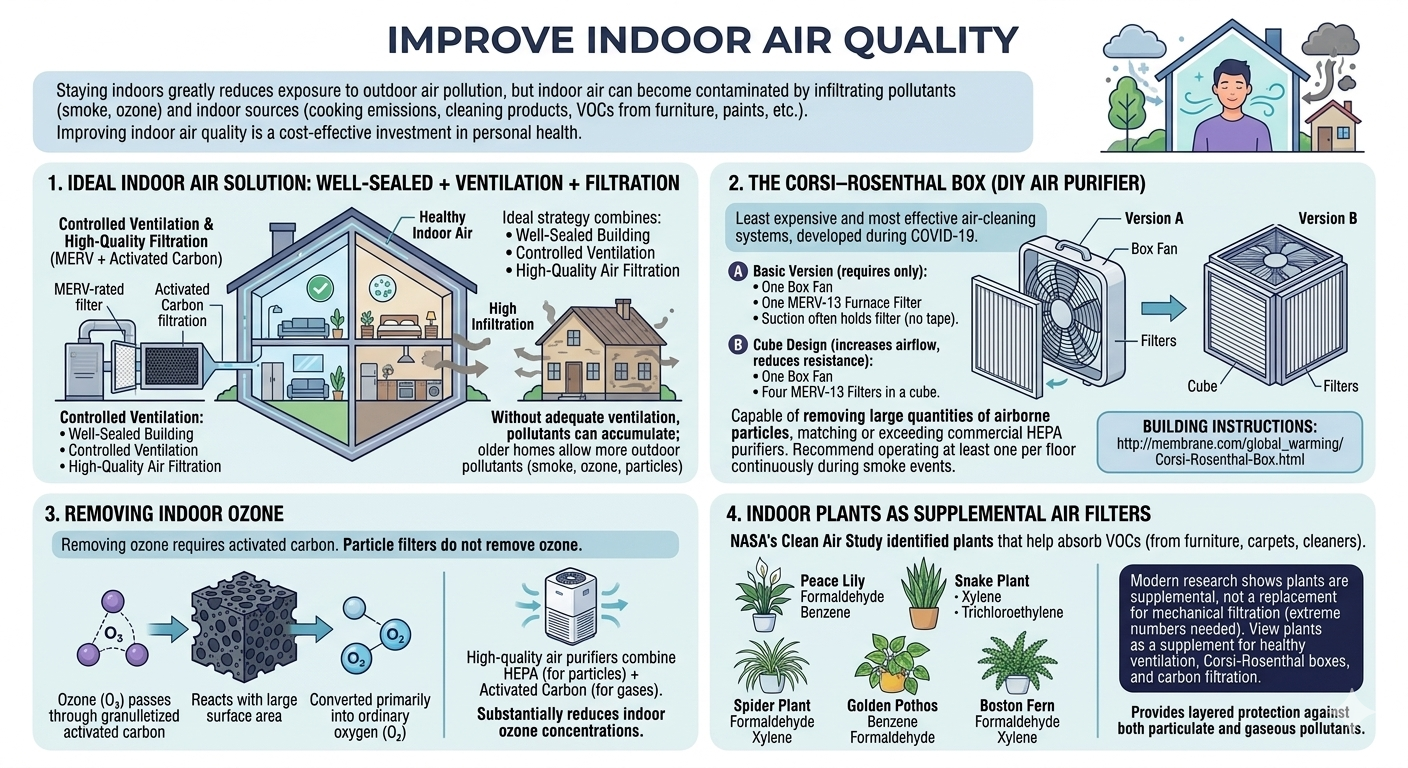
Staying indoors greatly reduces exposure to outdoor air pollution, but indoor air can still become contaminated by infiltrating smoke, ozone, and other outdoor pollutants, as well as indoor sources such as cooking emissions, cleaning products, and volatile organic compounds (VOCs) released from furniture, flooring, paints, adhesives, and building materials.

Improving indoor air quality is one of the most cost-effective investments in personal health. However, there is an important trade-off. Better insulation and tighter building construction improve energy efficiency by reducing heating and cooling losses, but they also reduce the natural exchange of indoor and outdoor air. Without adequate ventilation and air filtration, pollutants generated indoors can accumulate to unhealthy levels. Conversely, older or less airtight homes provide greater natural ventilation but also allow more outdoor pollutants—including wildfire smoke, ozone, pollen, and fine particulate matter—to enter the living space.

The ideal solution is to combine a well-sealed, energy-efficient building with controlled ventilation and high-quality air filtration. Mechanical ventilation systems equipped with MERV-rated filters and activated carbon filtration, along with portable air cleaners such as Corsi–Rosenthal Boxes, can maintain healthy indoor air while minimizing the infiltration and buildup of harmful pollutants.


The Corsi–Rosenthal Box
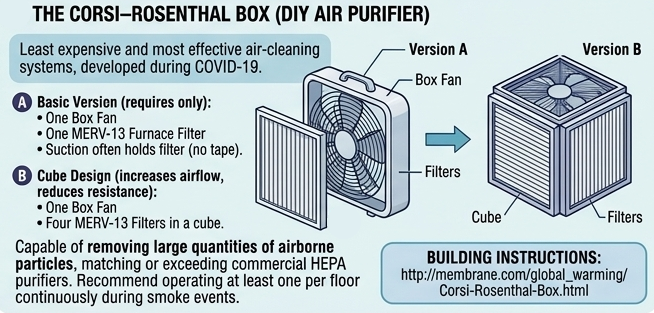
One of the least expensive and most effective air-cleaning systems is the Corsi–Rosenthal Box.

Developed during the COVID-19 pandemic, this simple do-it-yourself air purifier combines:

  • A standard box fan
  • One to five high-efficiency furnace filters (typically MERV-13)

Together they create an air filtration system capable of removing large quantities of airborne particles, often matching or exceeding the performance of many commercial HEPA air purifiers costing hundreds of dollars.

A basic version requires only:

  • one box fan
  • one MERV-13 furnace filter

The fan’s suction often holds the filter securely in place without tape.

Adding four filters in the familiar cube design increases airflow while reducing resistance, producing an exceptionally efficient whole-room air cleaner.

For homes experiencing recurring wildfire smoke, many experts recommend operating at least one Corsi–Rosenthal Box continuously during smoke events on each floor.


Removing Indoor Ozone

Particle filters—including fiberglass filters, MERV filters, and HEPA filters—do not remove ozone.

Removing ozone requires activated carbon.

Granular or pelletized activated carbon filters are particularly effective because they provide large surface areas for chemical reactions.

As ozone (O₃) passes through activated carbon, it reacts with the carbon surface and is converted primarily into ordinary oxygen (O₂), substantially reducing indoor ozone concentrations.

Many high-quality air purifiers now combine:

  • HEPA filtration for particles
  • Activated carbon for gases

This combination provides protection against both wildfire smoke and ozone.

For more information about building a Corsi–Rosenthal Box, see:

http://membrane.com/global_warming/Corsi-Rosenthal-Box.html


4. Use Indoor Plants as Supplemental Air Filters

Indoor plants can improve local air quality while providing numerous psychological and environmental benefits.

NASA’s landmark Clean Air Study identified several plants that help absorb volatile organic compounds (VOCs) released from furniture, carpets, paints, adhesives, and household cleaners.

Among the most effective are:

  • Peace Lily
  • Snake Plant
  • Spider Plant
  • Golden Pothos
  • Boston Fern

These plants can reduce concentrations of compounds such as:

  • formaldehyde
  • benzene
  • xylene
  • trichloroethylene

However, modern research has shown that although plants are helpful in small spaces, extremely large numbers of plants would be required to equal the air-cleaning capacity of a modern HVAC system.

Indoor plants should therefore be viewed as a supplement—not a replacement—for mechanical air filtration.

The best strategy combines:

  • healthy ventilation
  • Corsi–Rosenthal Boxes
  • activated carbon filtration
  • indoor plants

Together these provide layered protection against both particulate and gaseous pollutants.


5. Practice Personal Decontamination

Air pollution does not only enter the body through the lungs.

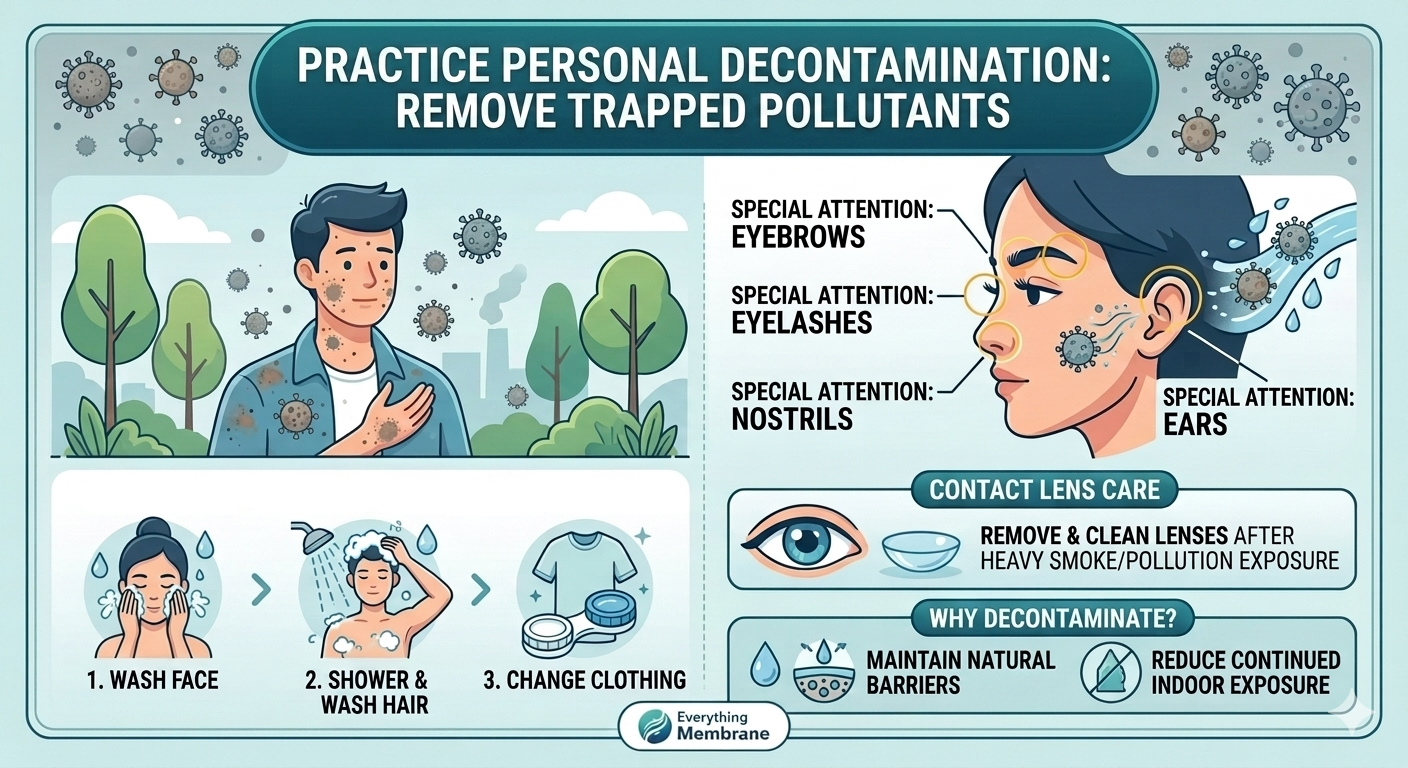
Smoke particles, soot, pollen, heavy metals, and chemical residues accumulate on the skin, hair, clothing, and facial features throughout the day.

After returning indoors following exposure:

  • Wash your face thoroughly.
  • Shower if exposure was prolonged.
  • Wash your hair.
  • Change contaminated clothing.
  • Rinse exposed skin with soap and water.

Special attention should be given to:

  • eyebrows
  • eyelashes
  • nostrils
  • ears

These areas naturally trap airborne particles before they enter deeper into the respiratory system. Removing accumulated contaminants helps maintain the effectiveness of these natural protective barriers while reducing continued exposure indoors.

People who wear contact lenses may also benefit from removing and cleaning them after heavy smoke or pollution exposure, as pollutants can irritate the eyes and adhere to lens surfaces.


6. Long-Term Protection

While personal protective measures reduce individual exposure, they cannot eliminate the growing threat posed by worsening air pollution.

Long-term protection requires reducing the underlying causes of pollution by limiting greenhouse gas emissions, improving energy efficiency, reducing fossil fuel combustion, preventing catastrophic wildfires, and protecting forests and wetlands that naturally filter the atmosphere.

As climate change accelerates, episodes of dangerous air quality are expected to become more frequent, longer-lasting, and geographically widespread. Preparing homes with effective air filtration, maintaining appropriate respiratory protection, and staying informed about local air quality conditions are becoming essential components of climate adaptation.


Conclusion

The atmosphere is changing rapidly, bringing with it increasing levels of wildfire smoke, ground-level ozone, fine particulate matter, and other airborne pollutants. These hazards threaten respiratory health, cardiovascular function, neurological well-being, and overall quality of life.

Fortunately, many of the most effective protective measures are simple and affordable. Monitoring air quality, minimizing outdoor exposure during pollution events, using properly fitted respirators, improving indoor air filtration with systems such as the Corsi–Rosenthal Box, incorporating activated carbon filtration, maintaining indoor plants, and practicing thorough personal hygiene can dramatically reduce daily exposure.

As climate-driven air pollution becomes an increasingly common reality, proactive protection is no longer optional—it is an essential part of safeguarding both individual health and community resilience.
bookmark_borderAir Quality and Climate Change: The Hidden Health Crisis of Global Warming

by Daniel Brouse

Air pollution and climate change are deeply interconnected because both are driven primarily by the combustion of fossil fuels. Many of the same pollutants that degrade local air quality—including ground-level ozone (O₃), methane (CH₄), and black carbon (soot)—also act as powerful climate forcers that accelerate global warming.

The relationship is bidirectional: climate change worsens air pollution, while air pollution further accelerates climate change through multiple reinforcing feedback loops.

Shared Sources

Approximately 85% of global air pollution and the majority of greenhouse gas emissions originate from burning fossil fuels for transportation, electricity generation, industry, and agriculture. Reducing fossil fuel consumption therefore provides one of the greatest opportunities to improve both climate stability and public health simultaneously.

Climate Change Worsens Air Pollution

As temperatures rise, air quality deteriorates through several mechanisms:

  • Ground-Level Ozone: Hot, sunny, stagnant weather accelerates the chemical reactions that produce ground-level ozone—the primary ingredient of urban smog. Climate warming increases both the frequency and severity of dangerous ozone episodes.
  • Wildfire Smoke: Rising temperatures, prolonged droughts, and changing precipitation patterns increase the frequency and intensity of wildfires. Smoke from these fires releases enormous quantities of fine particulate matter (PM₂.₅), causing hazardous air quality over vast regions.
  • Longer Pollution Episodes: Heat domes and stagnant high-pressure systems trap pollutants near the ground for extended periods, allowing contaminants to accumulate to unhealthy concentrations.

Air Pollution: The World’s Leading Environmental Killer

Air pollution is the leading environmental risk factor for premature death. Each year, exposure to polluted air contributes to an estimated 7.9–8.1 million premature deaths worldwide—approximately one out of every eight deaths globally. This exceeds the annual mortality attributed to tobacco use.

Nearly 90% of this health burden results from chronic noncommunicable diseases that are either caused or worsened by long-term exposure to polluted air.

Major Health Effects

Microscopic pollutants, particularly fine particulate matter (PM₂.₅), penetrate deep into the lungs and enter the bloodstream, triggering widespread inflammation throughout the body.

Cardiovascular Disease

Air pollution significantly increases the risk of heart attacks, strokes, hypertension, and heart failure. Approximately one-quarter of all global deaths from ischemic heart disease are linked to polluted air.

Chronic Respiratory Disease

Long-term exposure contributes directly to:

  • Chronic Obstructive Pulmonary Disease (COPD)
  • Emphysema
  • Chronic bronchitis
  • Severe asthma

Air pollution accounts for roughly half of all deaths from chronic respiratory diseases worldwide.

Neurological Disease

Growing evidence links chronic air pollution exposure to cognitive decline, Alzheimer’s disease, and other forms of dementia. Recent global estimates attribute more than 625,000 dementia-related deaths annually to poor air quality.

Cancer

The World Health Organization classifies outdoor air pollution as a Group 1 (Class 1) human carcinogen, the same highest-risk category used for tobacco smoke and asbestos. Long-term exposure substantially increases the risk of lung cancer.

Metabolic and Developmental Disorders

Research also links air pollution to:

  • Type 2 diabetes
  • Low birth weight
  • Premature birth
  • Miscarriage
  • Childhood developmental disorders
  • Reduced cognitive development

Global Mortality by Pollution Source

Most pollution-related deaths result from three primary exposure pathways:

SourceEstimated Annual Deaths
Ambient PM₂.₅ (outdoor pollution)4.9 million
Household air pollution (solid fuels)2.8 million
Ground-level ozone (O₃)470,000

Together, these exposure pathways account for approximately 8 million premature deaths every year.

Most Vulnerable Populations

The health burden of air pollution is not evenly distributed.

Young Children

More than 700,000 children under age five die annually from respiratory infections associated with polluted air, making air pollution the second-leading environmental risk factor for early childhood mortality.

Older Adults

Adults over age 60 experience the highest rates of pollution-related cardiovascular disease, respiratory illness, stroke, and dementia.

Low- and Middle-Income Countries

Approximately 90% of outdoor air pollution deaths occur in developing nations, where rapid industrialization, heavy reliance on fossil fuels, and limited access to healthcare combine to create disproportionate health risks.


Air Pollution and Climate Feedback Loops

Air pollution is not merely a consequence of climate change—it also reinforces it.

Several important feedback loops illustrate this interaction:

Fossil Fuel Combustion → Greenhouse Gas Emissions → Global Warming → More Wildfires → More Smoke (PM₂.₅ and Black Carbon) → Additional Atmospheric Heating

Global Warming → Higher Temperatures → Increased Ground-Level Ozone → Poorer Air Quality → Greater Public Health Impacts

Extreme Heat → Increased Air Conditioning Demand → Higher Electricity Consumption → Greater Fossil Fuel Use (where grids remain carbon-intensive) → More Greenhouse Gas Emissions → Additional Warming

These reinforcing cycles demonstrate why improving air quality is also an effective climate mitigation strategy.


A Practical Climate Adaptation Tool

While reducing greenhouse gas emissions remains essential, individuals can take practical steps to reduce their exposure to worsening air pollution.

One of the simplest, least expensive, and most effective indoor air filtration systems is the Corsi–Rosenthal Box.

Constructed from four or five high-efficiency furnace filters and a standard box fan, a Corsi–Rosenthal Box can remove large amounts of smoke, dust, pollen, and airborne particulate matter at a fraction of the cost of commercial air purifiers.

Its energy efficiency is particularly important because it helps improve indoor air quality without significantly increasing electricity demand. This is especially valuable as climate change drives greater air-conditioning use, creating another reinforcing feedback loop:

More Heat → More Air Conditioning → Greater Energy Demand → More Greenhouse Gas Emissions (where electricity is fossil-fuel based) → Additional Warming

A Corsi–Rosenthal Box helps break part of this cycle by providing highly effective air filtration using very little electricity.

Whether you’re protecting yourself from wildfire smoke, urban smog, allergens, or airborne viruses, it is one of the most cost-effective climate adaptation tools available.

Do yourself, your family, your pets, and even your houseplants a favor—build a DIY Corsi–Rosenthal Box.

Corsi–Rosenthal Box Instructions

Corsi–Rosenthal Box Instructions

bookmark_borderInvisible Crisis: How Air Pollution Is Quietly Shortening American Lives

by Daniel Brouse
July 29 , 2025

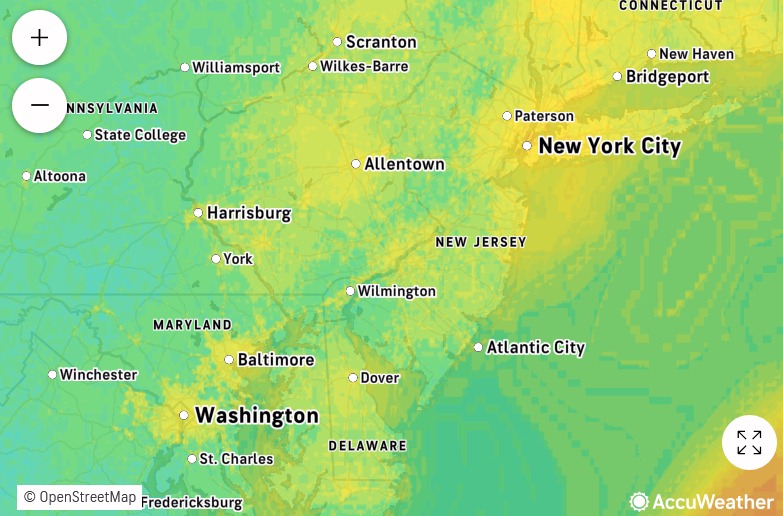
Today’s air quality map tells a story most people still fail to fully grasp: air pollution is not just a big-city problem. While it’s true that Philadelphia’s air quality is once again rated “unhealthy” today, the issue is far more widespread. Regions across Pennsylvania and surrounding states are also suffering—State College, Harrisburg, and even the Jersey Shore are experiencing poor air quality. Morgantown, West Virginia, consistently ranks among the worst in the nation, highlighting how rural and small-town America are not exempt from the invisible threat.

Air pollution is now the leading environmental cause of death in the United States. Fine particulate matter (PM2.5), ozone, nitrogen dioxide, and other airborne toxins contribute to heart disease, stroke, lung cancer, asthma, diabetes, and neurodegenerative disorders. These pollutants infiltrate the lungs, enter the bloodstream, and trigger systemic damage.

But what often gets overlooked is how air pollution initiates a health feedback loop. Exposure to chronic air pollution weakens the immune system, making the body more susceptible to both infectious and non-infectious diseases. It also causes epigenetic changes—altering how genes are expressed without changing the DNA itself—which can lead to lifelong health effects and be passed on to future generations. These changes reduce not just life expectancy, but the quality of life across one’s lifespan.

Worse still, this health feedback loop doesn’t exist in isolation—it interacts with climate-related feedback loops. For instance, warmer temperatures increase the formation of ground-level ozone and worsen wildfires, which dump more particulate pollution into the atmosphere. Simultaneously, climate-driven disruptions in agriculture and ecosystems compound the toll on human health through food insecurity and new disease vectors. The result is an accelerating cycle of harm that is exponentially shortening human lives.

What’s happening today on the air quality map is not a one-off event—it’s part of a long-term systemic crisis. The air we breathe is silently but powerfully eroding public health, disproportionately impacting children, the elderly, and frontline communities. Unless serious interventions are made at every level—from fossil fuel phase-outs to public health reforms—we are headed toward a future where the simple act of breathing becomes a daily health risk for millions.

Conclusion
Health feedback loops, violent rain, and deadly humid heat are fueling an exponential rise in climate-related deaths. This lethal triad — disease, extreme heat, and intense rainfall — demonstrates that climate change is not a distant threat but a rapidly accelerating public health emergency. These stressors interact and amplify one another, creating a cascade of compounding impacts that demand urgent intervention.

All 50 U.S. states — including Alaska — are already experiencing deadly humid heat advisories. Large regions of the country are becoming uninhabitable for weeks or even months each year due to extreme heat. Wet-bulb temperatures are approaching 31°C (87.8°F) in multiple states — a physiological threshold beyond which sustained outdoor survival is impossible, even with water and shade. Meanwhile, violent rain events are killing hundreds and causing billions in annual damage. Climate-driven health feedback loops have become the leading cause of mortality in the United States — fueled by systemic interactions between temperature extremes, air quality degradation, disease vectors, and infrastructure collapse. Addressing climate change is no longer just an environmental imperative — it is a public health necessity.

Our climate model — which incorporates complex socio-economic and ecological feedback loops within a dynamic, nonlinear system — projects that global temperatures could rise by up to 9°C (16.2°F) within this century. This far exceeds earlier estimates of a 4°C rise over the next thousand years, highlighting a dramatic acceleration in global warming. We are now entering a phase of compound, cascading collapse, where climate, ecological, and societal systems destabilize through interlinked, self-reinforcing feedback loops.

We examine how human activities — such as deforestation, fossil fuel combustion, mass consumption, industrial agriculture, and land development — interact with ecological processes like thermal energy redistribution, carbon cycling, hydrological flow, biodiversity loss, and the spread of disease vectors. These interactions do not follow linear cause-and-effect patterns. Instead, they form complex, self-reinforcing feedback loops that can trigger rapid, system-wide transformations — often abruptly and without warning. Grasping these dynamics is crucial for accurately assessing global risks and developing effective strategies for long-term survival.


The Human Induced Climate Change Experiment

bookmark_borderAir Quality Reaches Code Red in Philadelphia and Jersey Shore: Wildfire Smoke Sparks Health Alerts

by Daniel Brouse
July 27, 2025

Air quality levels reached Code Red across parts of Philadelphia and the Jersey Shore last evening and today, prompting urgent health warnings for residents. The alert, triggered by unhealthy concentrations of fine particulate matter (PM2.5), was in effect from the southern tip of Long Beach Island to Sea Isle City, extending inland as far as Egg Harbor.

A Code Red Air Quality Alert means the air is considered “unhealthy for all individuals,” not just those with pre-existing conditions. Public health officials strongly advised everyone—especially children, the elderly, and those with asthma, heart, or lung conditions—to limit time outdoors, avoid strenuous activity, and stay inside with filtered air whenever possible.

“These pollutant particulates can penetrate deep into the lungs,” warned local air quality experts. “Even short-term exposure can cause inflammation, trigger asthma attacks, or worsen cardiovascular symptoms.”

Wildfire Smoke From Canada the Primary Cause
The spike in pollution was caused by smoke drifting south from ongoing wildfires in Canada. This marks another chapter in a growing trend of long-distance smoke events, as climate-fueled wildfires in the northern latitudes increasingly affect air quality thousands of miles away.
Temporary Relief from Incoming Rain

Conditions improved after midnight in a few areas, thanks to an incoming band of rain, which helped wash particulates out of the atmosphere. However, the reprieve was short-lived. Code Red conditions continued Sunday. With the Canadian wildfires still actively burning, experts warn that similar air quality alerts may return in the coming days depending on wind patterns and fire behavior.

A Growing Public Health Concern
Episodes like this are becoming more frequent and severe, highlighting how climate change and transboundary pollution are converging to impact public health. As wildfire seasons lengthen and intensify globally, the U.S. Northeast and Mid-Atlantic regions may continue to see deteriorating air quality even without local fires.

Public health officials encourage residents to check the AirNow.gov or local environmental agency websites for real-time air quality updates, and to consider investing in HEPA air purifiers or using MERV-13 filters in home HVAC systems to reduce indoor exposure.

Wildfires and Climate Change
Wildfires are becoming more intense, more frequent, and more destructive in climate-sensitive regions such as Canada, the U.S. West, Southern Europe, and Australia.

In fact, unprecedented events are now unfolding. In Canada, vast swaths of boreal forest and peatland are burning year-round. Once considered permanently frozen, Canadian peat permafrost has begun to smolder even beneath the snow, releasing immense quantities of carbon dioxide and methane. These fires, known as “zombie fires,” persist underground through the winter and reignite during spring and summer. This phenomenon marks a terrifying shift in the fire-climate feedback loop.

Wildfire behavior is now directly tied to a compounding set of climate-driven feedbacks. One such loop is: Drought → Fire → Dieback. During extended drought and extreme heat, trees close their stomata to conserve water, which reduces their CO₂ uptake and weakens their resilience. At the same time, warmer, drier conditions make forests more flammable. This leads to more frequent and intense fires, which kill trees and release the carbon they had stored. The Amazon rainforest, once the planet’s largest carbon sink, is now emitting more carbon than it absorbs.

Another underappreciated factor is ozone pollution, which results from fossil fuel combustion. Ground-level ozone damages plant tissues and further inhibits their ability to absorb CO₂, compounding forest dieback and undermining global carbon sinks.

Additionally, wildfires generate “brown carbon”—a class of light-absorbing organic particles. These airborne particulates can travel thousands of miles and settle on snow and ice in Greenland, Antarctica, and mountain glaciers. By darkening the surface, brown carbon reduces the reflectivity (albedo) of ice, accelerating melting. This leads to greater freshwater runoff, destabilizing ocean circulation patterns such as the Atlantic Meridional Overturning Circulation (AMOC), and further warming the poles.

This creates a cascading carbon feedback loop: drought and heat increase wildfires; wildfires kill forests and release stored carbon; ozone and pollution further weaken vegetation; and brown carbon accelerates ice melt. All of these processes contribute more greenhouse gases to the atmosphere, amplifying climate change and locking in even more fire, drought, and environmental collapse.

Drought → Fire → Dieback → Carbon Feedback

Drought stresses trees, increasing flammability and reducing CO2 uptake. Fires release stored carbon, turning the Amazon from a carbon sink into a carbon source. Brown carbon from wildfires darkens snow and ice globally, accelerating melt and AMOC slowdown, feeding back into the system.

Ignite a Domino Effect: Albedo, Brown Carbon, Permafrost  Brouse and Mukherjee (2025)

Canadian Wildfires: Over the Tipping Point Brouse (2024)

Wildfires, Climate Change and Extreme Weather Events Brouse and Mukherjee (2024)

The Human Induced Climate Change Experiment

bookmark_borderClimate-Driven Health Collapse: The Compounding Feedback Loops of Disease, Pollution, and Extreme Weather

by Daniel Brouse — July 26, 2025

Climate change is not just an environmental issue — it is a cascading health crisis. As rising global temperatures disrupt natural systems, they initiate multiple interconnected health feedback loops that reinforce and amplify one another. These loops do not operate in isolation, nor do they follow a predictable or linear trajectory. Instead, the breakdown of one subsystem accelerates the collapse of others, resulting in nonlinear, compounding effects that degrade both the quality and quantity of human life.

Health Feedback Loops: Not Just Additive — Exponential

There are at least three major categories of climate-related health stressors that interact and reinforce each other:

1. Infectious Disease Pathogens

  • Zoonotic diseases such as COVID-19, Ebola, and avian influenza are spreading more rapidly due to deforestation, warming temperatures, and habitat loss — conditions that increase human-animal contact and vector range.

  • Climate-sensitive vectors (like mosquitoes) expand into new regions, introducing dengue, malaria, and Zika to previously unaffected populations.

2. Environmental Pathogens & Pollution

  • Ground-level ozone, particulate matter (PM2.5), and wildfire smoke directly damage lungs and weaken immune response.

  • Air pollution is responsible for millions of premature deaths annually and is a major co-factor in cardiovascular disease, chronic obstructive pulmonary disease (COPD), asthma, and cancer.

  • Pollution exposure also increases the risk of infection, as seen with COVID-19 morbidity patterns.

3. Climate Extremes & Cellular Breakdown

  • Prolonged exposure to extreme heat accelerates biological aging, damaging tissues and shortening telomeres at a cellular level.

  • These changes increase the likelihood of chronic diseases such as cancer, dementia, and diabetes — all of which are also made worse by pollution and infection.

  • Heat stress also undermines mental health and increases rates of depression, anxiety, and even suicide.

Epigenetic Changes: The Molecular Convergence of Climate Stressors

A critical link between these health risks is the role of epigenetic changes — chemical modifications that influence how genes are expressed without altering the DNA sequence itself. These changes act like a dimmer switch or on/off toggle for genes, activating or silencing certain genetic pathways.

  • Extreme heat, ozone exposure, and COVID-19 infection are all known to trigger epigenetic modifications.

  • These shifts can activate high-risk genes linked to cancer, diabetes, cardiovascular conditions, and neurological disorders.

  • When multiple stressors are present, these epigenetic changes do not just add up — they compound, increasing long-term vulnerability across multiple organ systems.

This molecular-level disruption represents a shared mechanism across climate-related health threats, amplifying the feedback loops that push individuals toward chronic illness and premature death. It also raises concerns about transgenerational impacts, where stress-induced epigenetic changes in one generation may increase disease risk in the next.

Case Study: COVID-19 and Air Pollution — A Deadly Feedback Loop

Consider how air pollution and COVID-19 create a self-reinforcing health spiral:

  1. Long-term air pollution exposure causes underlying conditions (respiratory disease, cardiovascular disease, immune suppression).

  2. Infection with COVID-19 worsens these existing conditions, leading to more severe illness and higher mortality risk.

  3. Post-infection, continued pollution exposure leads to long COVID complications and recurring hospitalizations.

  4. The repeated cycle exhausts the body’s defenses — a negative feedback loop that continues until systemic collapse or death.

This is not a hypothetical. It is happening now.

Health System Overload and the Tipping Point

When these health stressors converge, they don’t just affect individuals — they strain public health systems, increase medical costs, and undermine economic productivity. The reinforcing nature of these loops means we are hurtling toward tipping points in healthcare infrastructure, workforce resilience, and population longevity.

Conclusion: Converging Crises, Urgent Response

The climate crisis is also a health crisis. The compounding effects of infectious disease, environmental pollution, and extreme heat form a web of destabilization that shortens lives and overwhelms systems. Without rapid action to reduce greenhouse gas emissions, regulate pollutants, and build climate-resilient healthcare systems, these feedback loops will escalate beyond control.

References:

Tipping points and feedback loops drive the acceleration of climate change. When one tipping point is toppled and triggers others, the cascading collapse is known as the Domino Effect.

The Human Induced Climate Change Experiment

bookmark_borderShipping Pollution (Sulfur Emissions and Climate Change)

by Daniel Brouse

There are several critical issues associated with marine fuel pollution used in international shipping. Shipping pollution is a global problem, spreading air pollution across the world. Historically, marine fuels have contained higher levels of sulfur due to the lower cost of lower-grade fuel oil. However, heavy fuel oil contains, on average, 2700 times more sulfur than road fuel. Sulfur in fuel leads to emissions of sulfur dioxide (SO2) and contributes to the formation of secondary particulate matter (PM), which is highly detrimental to both human health and the environment.

Acid rain is a consequence of chemical reactions initiated when compounds like sulfur dioxide and nitrogen oxides are released into the atmosphere. These substances can rise into the upper atmosphere, where they mix and react with water, oxygen, and other chemicals, forming more acidic pollutants known as acid rain. Acid rain, when absorbed by the ground, can dissolve essential nutrients like magnesium and calcium, crucial for the health of trees. Additionally, it releases aluminum into the soil, hindering trees’ ability to absorb water. This influx of chemicals also alters the chemistry of seawater, reducing its pH and capacity to store carbon. Ocean acidification, often dubbed “osteoporosis of the sea,” can erode the minerals essential for the shells and skeletons of marine life, including oysters, clams, lobsters, shrimp, and coral reefs.

Exposure to particulate matter (PM10 and PM2.5) poses numerous health risks, compromising respiratory and cardiac health. PM2.5, in particular, can deeply penetrate the lungs, causing inflammation and damage to lung tissue. Currently, approximately 7 million people die each year from exposure to particulate matter, with millions more experiencing severe health complications. Health impacts of air pollution encompass a wide range of ailments, including Alzheimer’s disease, asthma, bronchitis, cancer, cataracts, chronic obstructive pulmonary disease (COPD), dementia, developmental damage, emphysema, gastrointestinal disorders, heart ailments, heart attacks, immune system dysfunction, ischaemic heart disease, impaired brain development in children, kidney disease, liver disease, lung disease, premature death, pneumonia, nasal and upper respiratory tract health problems, neurological disorders, reproductive harm, respiratory system failure, skin diseases, and strokes.

The Restriction of Sulfur in Marine Fuel
In 2020, the International Maritime Organization (IMO) introduced regulations imposing strict limits on the sulfur content of marine fuels. These rules mandated a reduction in the maximum percentage of sulfur from 3.5% to 0.5% for all ships operating worldwide.

The restriction on sulfur in marine fuel has indirectly contributed to increased ocean surface temperatures. As sulfur emissions from marine fuels decrease, ships transition to cleaner fuels with lower sulfur content. However, these cleaner fuels often contain higher levels of carbon dioxide (CO2), a potent greenhouse gas. The increased CO2 emissions from ships burning cleaner fuels exacerbate global warming, leading to elevated ocean surface temperatures. This phenomenon underscores the broader impact of human activities on climate change, driving overall increases in global temperatures, including those of the Earth’s oceans.

According to a NASA-led analysis, global average sea level rose by approximately 0.3 inches (0.76 centimeters) from 2022 to 2023. When our paper, “Climate Change: Rate of Acceleration“, was authored in 2023, the swift acceleration of this trend was unforeseen. Initially projected to double over 100 years, the rate of sea level rise dramatically escalated, shortening the doubling period to just 10 years by 2020. Recent observations suggest a further compression of this doubling period to a mere 2 years, raising significant concerns. It is imperative to acknowledge and address this alarming trend, hoping it is not indicative of a new norm but rather an anomaly.

Sidd elaborated, stating, “I suspect this is linked to the large jump in sea surface temperature last year, perhaps due to the restriction on sulfur in marine fuel. The rapid warming and expansion of the ocean’s surface warrant close observation to determine if this trend is sustained.”

Health and Wellness
Humans will experience greater loss and damage to life and quality of life from air pollution, decreasing supply of potable water, extreme weather events, disease, and other adverse health outcomes The greatest short term climate change risk to human health is deadly humid heat (wet-bulb temperature).

The environmental changes and uncertainties associated with climate change can contribute to mental health issues, including anxiety, depression, and post-traumatic stress disorder (PTSD). Almost all survivors of climate-related disasters suffer from mental distress and experience PTSD. Of those who have not experienced climate disasters, over two-thirds of U.S. adults (68%) report having climate change anxiety.

* Our climate model employs chaos theory to comprehensively consider human impacts and projects a potential global average temperature increase of 9 degrees Celsius above pre-industrial levels.

The Human Induced Climate Change Experiment

bookmark_borderEarth’s Vital Signs

by Daniel Brouse

Earth
Earth

Human-induced climate change serves as a dynamic and intricate component within an unordered system, guided by chaos theory. This suggests that global warming is undergoing exponential acceleration in a complex manner. The pace at which climate change is accelerating can be described as rapid, as evident in the intensity, duration, and likelihood of climate disasters. Drawing insights from the 2023 Canada wildfires, the World Weather Attribution Organization reported, “Climate change made the cumulative severity of Quebec’s 2023 fire season to the end of July around 50% more intense, and seasons of this severity at least seven times more likely to occur.”

Key Findings: Extreme weather and climate-related disasters have become 50% more intense and 7 times more likely.

In the 20th century, Earth’s surface temperature averaged 13.9℃. However, in the initial weeks of July 2023, the average temperature surged to 17℃. Human activities have propelled global temperatures more than 3℃ for parts of the year, with the entire period from February 2023 to February 2024 registering 1.5℃ above pre-industrial levels. A rise of 1.5 degrees already compromises human well-being, making much of the Earth uninhabitable.

As of 2024, humanity has surpassed seven critical tipping points, including Mountain Glacier Loss, Greenland Ice Sheet Collapse, Antarctic Ice Sheet Collapse, AMOC (Atlantic Meridional Overturning Circulation) Collapse, Amazon Rainforest Dieback, Coral Reef Die-Off, and Northern Permafrost Collapse. Crossing these tipping points triggers self-sustaining feedback loops independent of human activity. While the exact carbon stored in nature remains uncertain, an assumption could be made that temperatures might surge from 3 to 6 degrees above pre-industrial levels. Thriving beyond a 1.5-degree rise becomes impossible for humans. If an additional 3 degrees Celsius is added, the temperature and humidity would approach a wet-bulb temperature unsuitable for human life.

What Can I Do?
There exist numerous actions individuals can take to contribute to saving the planet. Each person bears the responsibility to minimize pollution, discontinue the use of fossil fuels, reduce consumption, and foster a culture of love and care. The Butterfly Effect illustrates that a small change in one area can lead to significant alterations in conditions anywhere on the globe. Hence, the frequently heard statement that a fluttering butterfly in China can cause a hurricane in the Atlantic. Be a butterfly and influence the world.

The Human Induced Climate Change Experiment

bookmark_borderCorsi-Rosenthal Box: The Best Air Purifier

What is a Corsi-Rosenthal Box and how do you build one? The Corsi-Rosenthal Box is a simple DIY air filter and purifier that outperforms and can be more effective than expensive HEPA purifiers.

Corsi-Rosenthal Boxes are made from cardboard, tape, furnace air filters, and a box fan.

Corsi-Rosenthal Box
Corsi-Rosenthal Box

The Corsi-Rosenthal Box was invented by Richard Corsi, PhD, of the University of California-Davis and Jim Rosenthal, CEO of Tex-Air Filters.

“One night, I just scribbled out this idea on a piece of paper,” said Corsi. “It wasn’t an original idea – people had put a single filter on a box fan before. But not with MERV 13 filters.” (MERV — minimum efficiency reporting values — is the measure of how well a filter captures particles. The higher the MERV, the more effective the filter.)

“The Corsi-Rosenthal box outperformed the HEPA filter on every sized particle,” Rosenthal said. “You have such high flow from these fans, way more flow than you get out of a commercial HEPA filter. The air goes through the filter more than once in the same period of time. It may only get 50% of the particles at first. But the second time through, it’s getting much more.”

Corsi-Rosenthal Box Test

Smoke from wildfires in Canada brought record-breaking air pollution to the United States this spring, creating dangerous air quality from Bismarck, N.D., to Denver and Detroit to New York City and Washington. According to a Washington Post analysis of smoke data through June 7 (2023) from Stanford University, 197 air quality monitoring stations have reported all-time high pollution from wildfires.

During the Air Quality Crisis of 2023 the plant-based long-term breathing experiment failed the test. After 4 days in a row of Unhealthy (151 to 200 AQI) to Hazardous (301 and higher AQI) outdoor air quality, the the plant-filtered indoor air quality was unhealthy.

Even with spider plant filled windows and dozens of other plants, humans still suffered from itchy eyes, scratchy throats, and headaches.

Christopher suggested, “You should look into Corsi-Rosenthal… they consistently outperform high-end air filtration systems and it’s a simple DIY project.”

Sidd independently advised, “We are way beyond that (plant filtration). Put in something about Corsi-Rosenthal filters and CO2 monitors to judge ventilation.

Sooo… luckily I had a couple furnace filters, a box fan, and a case of beer. After constructing a crude Corsi-Rosenthal Box, the entire first floor was cleared of noticeable pollutants within 15 minutes. The itchy eyes, scratchy throat, and headache dissipated.

Makeshift / Emergency Corsi-Rosenthal Box

To confirm our results, we brought in the hound dog. Dogs are even more sensitive to air quality. After days of suffering in unhealthy air quality, the hound immediately laid down with his nose in the flow of the circulating Corsi-Rosenthal filtered air.

Conclusion
Air quality is already considered the number one contributing factor to death worldwide. Climate change is making poor air quality even more extreme. A combination of plant and Corsi-Rosenthal filtered air is recommended on a daily basis.

Our experiment was conducted in Southeastern Pennsylvania during an extreme air quality event; however, to our east is Philadelphia. The immediate Philadelphia area rarely has a day of Good air quality. Most summer days are Moderate to Very Unhealthy. To our west is Morgantown and Lancaster County. Even though Lancaster is a much more rural area, it continuously has some of the worst air quality in the world. So it doesn’t really matter where you live, implementing plant and Corsi-Rosenthal filtered air to the daily routine will likely improve your quality and quantity of life.

More on Clean Water, Air, and Healthy Plants
More Things You Can Do to Help the Environment and Your Health


bookmark_borderThe Collapse of Nature

The World Wildlife Foundation issued a report LIVING PLANET REPORT 2022 showing a near 70% decline in wildlife.

* Monitored populations of vertebrates (mammals, birds, amphibians, reptiles and fish) have seen a devastating 69% drop on average since 1970

* Freshwater species populations have suffered an 83% fall

* The report’s Living Planet Index shows that there is no time to lose in securing a nature-positive society

* Deforestation, human exploitation, pollution, and climate change were the biggest drivers of the loss

Many scientists believe we are living through the sixth mass extinction – the largest loss of life on Earth since the time of the dinosaurs – and that it is being driven by humans.

Tanya Steele, chief executive at WWF-UK, said: “This report tells us that the worst declines are in the Latin America region, home to the world’s largest rainforest, the Amazon. Deforestation rates there are accelerating, stripping this unique ecosystem not just of trees but of the wildlife that depends on them and of the Amazon’s ability to act as one of our greatest allies in the fight against climate change.”

“Despite the science, the catastrophic projections, the impassioned speeches and promises, the burning forests, submerged countries, record temperatures and displaced millions, world leaders continue to sit back and watch our world burn in front of our eyes,” said Steele. “The climate and nature crises, their fates entwined, are not some faraway threat our grandchildren will solve with still-to-be-discovered technology.”

She added: “We need our new prime minister to show the UK is serious about helping people, nature and the economy to thrive, by ensuring every promise for our world is kept. Falling short will be neither forgotten nor forgiven.”

The Human Induced Climate Change Experiment

bookmark_border1 in 6 deaths Worldwide Attributed to Pollution

* Pollution is the largest environmental cause of disease and premature death in the world today
* 1 in 6 deaths worldwide attributed to pollution
* 9 million people per year die from pollution

The Lancet Commission on pollution and health was updated for 2022:

Pollution and health: a progress update 2022 PDF

Key messages
• Over the past two decades, deaths caused by the modern forms of pollution (eg, ambient air pollution and toxic chemical pollution) have increased by 66%, driven by industrialisation, uncontrolled urbanisation, population growth, fossil fuel combustion, and an absence of adequate national or international chemical policy.
• Despite declines in deaths from household air and water pollution, pollution still causes more than 9 million deaths each year globally. This number has not changed since 2015.
• More than 90% of pollution-related deaths occur in low-income and middle-income countries.
• Key areas in which focus is needed include air pollution, lead poisoning, and chemical pollution. Air pollution causes over 6∙5 million deaths each year globally, and this number is increasing. Lead and other chemicals are responsible for 1∙8 million deaths each year globally, which is probably an undercounted figure.
• Most countries have done little to deal with this enormous public health problem. Although high-income countries have controlled their worst forms of pollution and linked pollution control to climate change mitigation, only a few low-income and middle-income countries have been able to make pollution a priority, devoted resources to pollution control, or made progress. Likewise, pollution control receives little attention in either official development assistance or global philanthropy.
• The triad of pollution, climate change, and biodiversity loss are the key global environmental issues of our time. These issues are intricately linked and solutions to each will benefit the others.
• We cannot continue to ignore pollution. We are going backwards.

Climate Change and Pollution Health Impacts