bookmark_borderThe Race Against Time: Climate Crisis vs. the United States

by Daniel Brouse
April 12, 2025

Abstract
Humanity stands at a historic crossroads where the accelerating pace of climate change threatens to overtake both our capacity for response and the viability of the global economic system itself. Recent models indicate that without immediate intervention, climate change could cause the collapse of capitalism as we know it—potentially as soon as 2050. At the same time, U.S. political developments—particularly Trump-era trade, fiscal, and environmental policies—may unintentionally hasten this collapse. The central question becomes: Will the U.S. economic system implode before climate change forces its hand, or has irreversible damage already been done?

I. Climate Change: From Hypothesis to Imminent Catastrophe

In the 1990s, we proposed a hypothesis: that climate change would not follow a linear trajectory but would instead accelerate non-linearly—driven by feedback loops such as polar ice melt, permafrost thaw, ocean acidification, and carbon release from soil and forests. Over the following decades, this hypothesis evolved into an established scientific theory, now widely accepted by the international scientific community.

Through collaboration with a physicist from Ohio State University, we observed a startling trend in the “doubling time” of climate impacts. Originally pegged at around 100 years, this timeframe has since shrunk to 10 years, and now—alarmingly—approaches just 2. That means climate-related damages could be 64 times worse a decade from now than they are today. These aren’t worst-case scenarios; they are conservative models assuming no further acceleration.

Our latest models integrate not only geophysical systems but also social, political, and economic feedback loops. The results are grim: we now forecast a potential 9°C rise in global temperatures within this century—a rate that would make much of the planet uninhabitable and render large-scale human migration and system failure unavoidable.

II. A New Threat Emerges: Trumpenomics and the War on Global Stability

Ironically, the Trump administration—through its aggressive trade, credit, and isolationist policies—has accelerated the very breakdown of capitalism that climate change is expected to cause.

The imposition of widespread tariffs, especially those based on falsified “reciprocal” trade deficits, has triggered not just a trade war, but a credit war. This combination has never before been tested in modern economic history. During Trump’s first term, the stage was set. Now, in his second term, the global economy is being subjected to a real-time, uncontrolled experiment.

The administration’s “drill, baby, drill” energy policy, paired with unprecedented regulatory rollbacks, has only deepened the climate crisis. Yet, from an economic systems perspective, it is the trade and credit dislocations that may deliver the first major blow.

III. Global Trade, Capital Flows, and the Liquidity Death Spiral

Most people think of tariffs as mere taxes on goods. But in today’s complex financial system, their impact extends far beyond the shipping yard.

When the U.S. imports less, foreign exporters earn fewer dollars. This reduces their ability to invest in U.S. Treasuries—the bedrock of the global financial system. As demand for Treasuries falls, yields rise, borrowing costs spike, and credit conditions tighten. This sets off a self-reinforcing liquidity crisis, undermining everything from consumer lending to corporate investment.

The risk is real and growing: a scenario where the U.S. dollar loses its global reserve status is no longer the stuff of academic theory. Should this occur, the fallout would include:

  • Exploding U.S. borrowing costs

  • A collapse in consumer purchasing power

  • Capital flight from U.S. markets

  • Severe contraction in both trade and credit

  • Domestic political and social unrest on a scale not seen in modern history

IV. The Tipping Point: Will Climate Collapse or Economic Collapse Win the Race?

The economic trajectory of the U.S. under Trump’s policies suggests that a post-capitalist transition may be triggered by domestic fiscal instability rather than climate catastrophe alone. In other words, the United States may be the first nation to economically implode under the dual weight of environmental and self-inflicted economic collapse.

Complicating matters, the U.S. is simultaneously dealing with aging infrastructure, mounting national debt, deteriorating public health, climate-related disasters, and rising political extremism—all of which erode resilience and reduce the chances of a coordinated national response.

This raises a chilling question: Will the collapse of the U.S. economy accelerate faster than climate change itself—or are we already too late to avoid either fate?

The U.S. dollar’s decline from global dominance — driven by unprecedented political dysfunction and fiscal recklessness — is unraveling the myth of American exceptionalism. Once the cornerstone of international finance, the United States now risks becoming a net liability to the world economy. Paradoxically, this economic unraveling may carry a sliver of hope. If Trump’s economic collapse marks the end of mass consumption, over-leveraged capitalism, and fossil fuel dependency, it could trigger a sharp drop in global emissions and slow the pace of climate change. Such a forced degrowth scenario–where contraction curbs carbon output–might buy humanity precious time to adapt, innovate, and survive. But this path would come at a steep cost: to livelihoods, political stability, and America’s standing in the world.

Conclusion: What Comes After?

Regardless of which crisis arrives first, one outcome is increasingly likely: the U.S. standard of living will fall sharply, and life expectancy may follow. Whether that post-collapse society can still be sustainable—or even enjoyable—will depend on the decisions we make in the next few years.

Our only hope is to treat this as a true “race against time” and respond with urgency, humility, and collective will. The future depends not just on science and economics, but on whether we can choose survival over ideology, cooperation over conflict, and truth over convenience.

The Human Induced Climate Change Experiment

bookmark_borderBeyond Tariffs: How International Boycotts Are Quietly Crippling the U.S. Economy

by Daniel Brouse
March 21, 2025

Retaliatory tariffs are just one piece of the broader economic damage facing the U.S. economy. Equally significant—but often overlooked—are the growing international boycotts against the U.S., which further erode economic stability. For example, Canada has reported a staggering 40% decline in travel to the U.S., a trend that could potentially cost the U.S. economy hundreds of thousands of jobs across tourism, hospitality, retail, and transportation sectors. Such boycotts, whether driven by political tensions, safety concerns, or policy disagreements, compound the impact of tariffs by reducing foreign investment, consumer spending, and business engagement with the U.S. If this trend continues, it could signal a long-term shift in global economic relationships, with ripple effects on trade, job creation, and overall economic growth.

International boycotts against the U.S. are having widespread economic consequences across multiple industries, beyond just the drop in Canadian tourism. Here are several other key examples:

  1. China’s Shift Away from U.S. Agriculture – In response to trade tensions and tariffs, China has significantly reduced its imports of American soybeans, pork, and other agricultural products. U.S. farmers, particularly in the Midwest, have suffered major financial losses, with some forced into bankruptcy.

  2. European Consumer and Business Boycotts – Following political disagreements over climate policies, trade, and foreign relations, some European consumers have actively avoided American brands. This includes a decline in sales for U.S. tech companies, fast food chains, and clothing brands, as consumers opt for local or alternative suppliers.

  3. Decline in International Students – The U.S. has historically been a top destination for international students, contributing billions to the economy through tuition, housing, and living expenses. However, visa restrictions, anti-immigration rhetoric, and concerns about safety have led to declining enrollments from countries like China and India, benefiting countries like Canada, the U.K., and Australia instead.

  4. Tourism Declines from Multiple Countries – While Canada’s 40% drop in travel to the U.S. is alarming, similar trends have been observed in Europe and Asia. Negative perceptions of the U.S. as a safe or welcoming destination have led to fewer visitors, reducing revenue in hotels, restaurants, theme parks, and local attractions.

  5. Foreign Investment Diverted Elsewhere – Some multinational corporations and sovereign wealth funds are choosing to invest in Europe and Asia instead of the U.S. due to concerns over economic instability, political unpredictability, and trade barriers. This affects U.S. job creation and limits economic expansion.

  6. Tech Sector Challenges – U.S. companies like Apple, Google, and Microsoft have faced boycotts or restrictions from foreign governments and consumers, especially in China and the EU. In some cases, foreign companies are developing their own alternatives, reducing dependence on American technology and services.

These boycotts, combined with tariffs and trade wars, are contributing to a slow erosion of U.S. economic dominance. If the trend continues, the U.S. risks long-term damage in key sectors that have traditionally been strong pillars of growth.

Trumpenomics: The Decline of the US

bookmark_borderTrumpenomics: How Tariffs, Policy Cuts, and Labor Shortages Are Devastating American Farmers

by Daniel Brouse
March 13, 2025

Recent policies enacted by the President have had significant financial repercussions on American farmers, leading to substantial economic losses.​

1. Impact of Tariffs and Retaliatory Measures

The Trump 2.0 administration’s imposition of tariffs, particularly on steel and aluminum, has triggered retaliatory tariffs from major trading partners such as China, Canada, and the European Union. These countermeasures have significantly reduced demand for U.S. agricultural exports, exacerbating existing challenges like droughts, supply chain disruptions, and low commodity prices. Texas farmers, many of whom have historically supported the President, are now voicing concerns over the mounting economic pressures caused by these policies.

The precedent for these economic consequences was set during Trump’s first administration. The 1.0 tariffs, particularly those targeting steel and aluminum, prompted severe retaliatory measures, notably from China. The impact on U.S. agriculture was devastating:

  • Soybean Exports: In 2018, U.S. soybean exports to China plummeted by $9.4 billion. While some alternative markets were found, they only recovered $4.7 billion in lost revenue, leaving a net loss of $4.7 billion for American soybean farmers.
  • Regional Losses: Major agricultural states like Iowa, Illinois, and Kansas saw significant financial hits. Iowa farmers alone lost $1.46 billion, Illinois suffered $1.41 billion in losses, and Kansas endured a $955 million decline in revenue.
  • Federal Bailouts: In an attempt to compensate for the damages, the U.S. Department of Agriculture (USDA) issued $23 billion in direct payments to farmers between 2018 and 2020. However, these subsidies often fell short, leaving many farmers struggling with long-term economic setbacks.

The Trump 2.0 tariffs are broader in scope, applying to more countries at higher rates, making the expected economic fallout far more devastating than before. With supply chain disruptions, climate-related hardships, and rising input costs already squeezing farmers, these new tariffs threaten to push many agricultural operations to the brink of collapse.

So far in 2025, several countries and trading blocs imposed retaliatory tariffs on U.S. agricultural imports in response to the current administration’s tariffs on steel, aluminum, and other goods. The European Union (EU) announced €26 billion in countermeasures against U.S. products, including agricultural goods. The first phase, effective April 1, targets €4.5 billion worth of U.S. consumer goods such as bourbon whiskey, jeans, and Harley-Davidson motorcycles. The second phase, set for mid-April, will impose tariffs on €18 billion worth of U.S. steel and agricultural products. Canada followed suit, imposing 25% tariffs on $21 billion worth of U.S. imports, including steel, aluminum, and various other goods. This action builds on earlier tariffs of $30 billion enacted on March 4. Meanwhile, China announced 10-15% tariffs on U.S. meat and agricultural products, suspended imports of U.S. lumber, and revoked soybean import licenses for three major U.S. firms.

Important to note, the bulk of the Trump tariffs have not yet been announced and are expected to be implemented on April 2, 2025. The President has stated that these tariffs will be applied to all countries and may be as high as 250%.

2. Cancellation of USAID’s Programs

The recent termination of local food programs, including USAID’s “Food for Peace,” has further strained farmers:

  • Loss of Funding: Since 2021, local school lunch programs have provided over $2 billion to various states, supporting local food purchases for schools and food banks. Their cancellation removes a critical revenue stream for farmers, exacerbating financial challenges.

  • Food for Peace: The USAID “Food for Peace” program, which operated with an annual budget of approximately $1.7 billion, has been terminated as part of the broader dismantling of USAID. This program purchased U.S.-grown commodities, such as rice, wheat, lentils, and peas, for distribution to populations facing food insecurity worldwide. Its cancellation not only impacts global hunger relief efforts but also removes a significant market for American farmers.

These program cancellations have disrupted supply chains, leading to financial instability for farmers who previously relied on these initiatives. The sudden loss of funding has left many agricultural producers without alternative markets, intensifying the economic challenges within the farming community.

3. Labor Shortages Due to Immigration Policies

Stricter immigration policies have led to a shortage of immigrant workers, who are essential to the agricultural workforce. This scarcity has resulted in increased labor costs and challenges in harvesting crops, thereby reducing overall productivity and profitability for farmers.​

4. Economic Uncertainty and Market Instability

The combination of trade tensions, program cancellations, and labor shortages has created an environment of economic uncertainty. Farmers are facing volatile market conditions, making it difficult to plan for the future and invest in their operations. This instability threatens the sustainability of the agricultural sector and the rural communities that depend on it.​

In summary, the current administration’s policies have introduced significant challenges for American farmers, affecting export markets, domestic program support, labor availability, and overall economic stability.

ALSO SEE:

Trumpenomics: The Decline of the US

bookmark_borderEconomic Update: Should I Panic Yet?

by Daniel Brouse
March 3, 2025

The Atlanta Fed GDP tracker dropped to -2.8 today. That would mean a drop of 5.3% in one quarter. I’ve never seen it drop this fast in a quarter nor overnight like it just did (from +2.5 to -2.8 in one month with -1.3 in one day) Only one other time in the history of the GDP has this occurred. That was the last time Trump was in office, he let COVID get out of control, and the economy shutdown. Other than that, there has never been such a sharp and fast decline in the history of the GDP (1947).

Something I take away from the current conditions is.– most of the fiscal malfeasance have yet to hit the fan. The full impact of recent fiscal policies, such as increased tariffs and restrictive immigration measures, is not yet reflected in these figures. Historically, such policies exert a delayed effect on economic performance, often materializing over subsequent quarters.​

Tariffs: The implementation of substantial tariffs on imports from key trading partners, including Canada, Mexico, and China, is anticipated to elevate consumer prices and disrupt supply chains. These changes can lead to reduced consumer spending and business investment, with the adverse effects on GDP growth potentially unfolding over a 6 to 12-month period. ​

Immigration: Restrictive immigration policies can result in labor shortages, particularly in sectors heavily reliant on immigrant workers. Such shortages may drive up wages and production costs, contributing to inflationary pressures and dampening economic growth. The repercussions of reduced immigration on GDP growth are often observed over an extended timeline, as demographic shifts gradually influence the labor market and productivity. ​

In summary, not only is the immediate GDP contraction concerning, it is deteriorating at a very rapid rate. If you have not already positioned your finances, it may be time to panic.

bookmark_borderTrump’s Housing Finance Reforms: Privatization and Deregulation Amidst Controversy

The Trump administration has outlined plans to reform key entities in the U.S. housing finance system, specifically Fannie Mae, Freddie Mac, and the Federal Housing Administration (FHA), with potentially significant impacts on mortgage rates, the real estate industry, homeowners, and the broader economy.

Privatizing Fannie Mae and Freddie Mac could lead to increased mortgage rates, affecting housing affordability. Additionally, the proposed elimination of the Consumer Financial Protection Bureau (CFPB) may reduce oversight in the housing market, potentially exposing consumers to predatory practices. These reforms could introduce uncertainty into the housing market, influencing home prices and economic stability.

Privatization of Fannie Mae and Freddie Mac:
Fannie Mae and Freddie Mac, government-sponsored enterprises (GSEs) that have been under federal conservatorship since the 2008 financial crisis, are central to the administration’s reform agenda. The administration aims to privatize these entities, transitioning them from government control to private ownership. This move is intended to reduce taxpayer exposure and encourage competition in the mortgage market. However, critics express concerns that privatization could lead to higher mortgage rates, potentially making homeownership less affordable for many Americans.

Leadership Changes at the Federal Housing Finance Agency (FHFA):
To facilitate these reforms, President Trump has announced his intention to nominate Bill Pulte as the director of the FHFA, the agency responsible for overseeing Fannie Mae and Freddie Mac. Pulte, known for his philanthropic efforts, is expected to play a pivotal role in steering the GSEs toward privatization.

Modernization of the Federal Housing Administration (FHA):
The administration’s plans also encompass the FHA, focusing on modernizing its operations and technology. Objectives include enhancing risk management, improving program designs, and ensuring the FHA effectively serves low- and moderate-income families who may not qualify through traditional underwriting.

While these initiatives aim to revamp the housing finance landscape, they have sparked debate. Proponents argue that reducing government involvement could foster a more robust and competitive market. Opponents caution that such changes might increase borrowing costs and limit access to affordable housing. The administration’s approach reflects a broader strategy to reshape federal involvement in housing finance, emphasizing privatization and deregulation at the expense of the real estate industry, homeowners, and the economy.

bookmark_borderReal Estate in the Face of Economic and Environmental Challenges

Real Estate in the Face of Economic and Environmental Challenges: Inflation, Currency Devaluation, and Climate Change Impacts

by Daniel Brouse
February 16, 2025

Real estate has traditionally been viewed as a hedge against inflation and currency devaluation, often maintaining or increasing in value during such periods. However, the escalating impacts of climate change and shifting insurance landscapes are introducing new risks that could lead to significant losses in property values, particularly in high-risk areas.

Inflation:

  • Asset Appreciation: Over time, real estate values tend to rise faster than the general inflation rate. Since 1963, while inflation has increased by 896%, housing prices have surged by more than 2,350%.

  • Rental Income Growth: Inflation often leads to higher rents, boosting cash flow for property owners. This increase in rental income can offset the rising costs associated with inflation.

Currency Devaluation:

  • Increased Foreign Investment: A weaker dollar makes U.S. real estate more affordable for foreign investors, potentially driving up demand and property values.

  • Inflationary Pressures: Currency devaluation can lead to imported inflation, raising the cost of goods and services, which may, in turn, push real estate values higher as replacement costs increase.

Climate Change Impacts
The impact of human-induced climate change is becoming an increasingly critical factor in the residential real estate market. The rising frequency and severity of natural disasters, such as wildfires and floods, have led to heightened insurance premiums and decreased property values in high-risk areas. Recent studies project that climate change could erase approximately $1.47 trillion from U.S. home values over the next 10-30 years.

Moreover, the insurance landscape is shifting dramatically. As climate-related risks escalate, insurance companies are reassessing their coverage policies. In California, for instance, more than 80% of new properties built between 2020 and 2022 are located in high fire-risk areas, leading insurers to reduce coverage offerings in the state. This trend raises concerns that a significant portion of U.S. real estate could become uninsurable in the coming decades, posing substantial challenges for homeowners and investors.

The financial implications extend beyond immediate property devaluation. As insurance costs rise and coverage becomes scarce, homeowners may face increased mortgage defaults, and municipalities could experience shrinking tax bases. These factors contribute to a complex and evolving real estate landscape, where climate change plays a pivotal role in shaping future property values and market stability.

Conclusion
The interplay of fiscal policies and the accelerating climate crisis is poised to significantly impact real estate investments. Certain regions may experience market destabilization or even collapse due to increased climate-related risks, while others could see heightened demand and escalating prices. Investors should carefully assess these evolving factors when making real estate decisions.

bookmark_borderProtectionism 101: Trump Economics

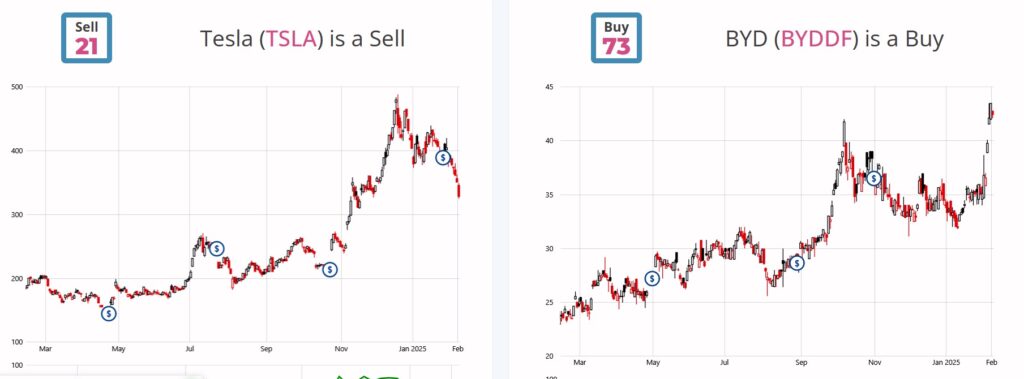
Most of Trump’s policies are based on common misconceptions and in fact contradict established economic principles. To begin with, the U.S. government often subsidizes companies to keep operations domestic. This can make our products more expensive and our businesses less efficient and competitive. A notable example is electric vehicles (EVs). The U.S. heavily subsidizes EVs, yet we claim we are not, instead asserting that China does this without evidence. Consequently, we impose a 100% tariff on Chinese EVs. As a result, the U.S. lacks competitively priced, domestically produced EVs. Our EV industry has become uncompetitive and inefficient, while China has emerged as the powerhouse of EV manufacturing worldwide. This is just one example of how U.S. misunderstandings of trade have led to our own decline while contributing to China’s rise. These policies have been both Republican and Democratic. Trump’s policies, which are even more misguided and are intended to do this to every industry, are set to accelerate our decline rapidly. World economists estimate that our economy will be devastated within 1 year and 9 months.

For more information on this example see “BYD” and NEV sales. For another devastating example of protectionism see “Deep Seek” and large language model AI.

Protectionist policies have significantly influenced the global landscape of artificial intelligence (AI) and electric vehicles (EVs), creating distinct winners and losers across various industries.

Beneficiaries:

  • China:
    • BYD: A leading Chinese EV manufacturer, BYD has capitalized on domestic support and reduced foreign competition due to protectionist measures.
    • DeepSeek: This Hangzhou-based AI startup has emerged as a formidable player, developing advanced AI models like DeepSeek-R1. Notably, DeepSeek achieved these advancements at a fraction of the typical cost and energy consumption, democratizing AI development and enabling smaller firms to compete.

Adversely Affected:

  • United States:
    • Automotive Companies: Major U.S. automakers such as Ford and General Motors face challenges from increased tariffs and restricted access to international markets, impacting their competitiveness in the EV sector.
    • Technology Firms: Leading tech companies, including Nvidia, Intel, IBM, Qualcomm, Cerebras Systems, Graphcore, Tesla, Baidu, OpenAI, SambaNova, Microsoft, and Apple, have encountered setbacks due to protectionist policies. For instance, Nvidia experienced a significant decline in market capitalization following DeepSeek’s announcement of its R1 model, highlighting the disruptive potential of emerging competitors. For an idea of how costly protectionism can be to the US, Nvidia lost $593 billion in market value the day Deep Seek was announced.

The ripple effects of protectionism extend beyond these industries, notably impacting the energy sector—encompassing electricity, natural gas, and nuclear power—due to shifts in production and consumption patterns driven by evolving trade policies.

Beyond economic implications, protectionist measures can lead to significant technological and military consequences, as nations may struggle to access critical innovations or maintain strategic advantages in key sectors.

If you are interested in a historical example, the Smoot-Hawley Tariff Act of 1930 raised tariffs on imports to the United States, which contributed to the Great Depression. In fact, Trump’s policies, combined with bypassing the law and ignoring the Constitution by not having Congress codify legislation, make it appear as though our current economic downturn is accelerating. This is why world leaders and economists are not overly concerned; most agree they will tolerate current U.S. policies creating economic instability and that the collapsing economy will occur before the midterms. After the midterms, he will likely be toothless, if not impeached.

UPDATES: BYD’s Breakthrough Charging Tech Exposes the Pitfalls of U.S. Protectionism in the EV Market

How BYD Surpassed Tesla: The Role of Innovation, Tariffs, and Free Market Dynamics

Tesla vs. BYD
Tesla vs. BYD

MORE EDUCATIONAL MATERIALS ON TRUMP TARIFFS

Déjà Vu Economics: How Trump’s Deregulation and Tariff Policies Mirror the Road to the Great Depression

Trumpenomics: How Tariffs, Policy Cuts, and Labor Shortages Are Devastating American Farmers

The Devastating Impact of Trump’s Steel and Aluminum Tariffs

World Economics 101: The United States and Global Trade Dynamics

The Lies Behind Trump’s Terror Economics

Trumpenomics: The Decline of the US

bookmark_borderEvangelical Christianity, Eschatology, and Political Influence

Background

U.S. support for Israel is deeply intertwined with Evangelical Christian beliefs, particularly those concerning the end times. Many Evangelicals subscribe to the idea that they can hasten the “Second Coming of Christ” by setting the stage for an apocalyptic conflict. According to their interpretation of the Bible, this involves Israel reclaiming Jerusalem, Jesus returning, and ultimately eliminating all Jews who do not convert.

For numerous “Christian Zionists,” especially influential evangelists aligned with the Republican Party, support for Israel is less about political strategy and more about its supposed role in biblical prophecy. In this worldview, war is not something to be avoided but embraced as a divine necessity—an inevitable and even celebratory step toward Jesus’ rule from the Temple Mount in Jerusalem. The fate of Jews and Palestinians alike is, at best, collateral damage.

Ironically, the same Evangelical Christians who claim to worship Jesus have developed a near-cult-like devotion to President Donald Trump, seeing him as an instrument of God’s plan. This allegiance has led them to abandon traditional Christian ethics in favor of political power plays, reinforcing their apocalyptic vision.

Eschatology: The Study of the End Times

The theological study of the end times is called eschatology. Derived from the Greek word eschatos, meaning “last” or “final,” eschatology explores the biblical concepts of the Second Coming of Christ, the final judgment, and humanity’s ultimate destiny.

Christian eschatology varies widely across denominations but generally includes key themes such as the Tribulation, the Rapture, the Antichrist, the Millennial Kingdom, and the New Heaven and New Earth. The primary biblical sources for these beliefs include the Book of Revelation, the Book of Daniel, Matthew 24, and 1 Thessalonians 4–5.

The Antichrist and the False Prophet

The Bible describes two primary figures who play a pivotal role in the end times: the Antichrist and the False Prophet.

The Antichrist is portrayed as a powerful world leader who deceives nations, exalts himself above God, and demands worship. According to 2 Thessalonians 2:3-4, he is called the “man of lawlessness” who will oppose everything associated with God and proclaim himself divine. He will use deception and false miracles, as described in 2 Thessalonians 2:9-10, performing signs and wonders to mislead people. Revelation 13:7 further states that he will have authority over all nations, wage war against God’s people, and establish global control while demanding loyalty and worship.

Working alongside the Antichrist is the False Prophet, a religious figure who deceives people into worshiping the Antichrist and enforces his rule. Revelation 13:12-14 states that the False Prophet will perform great signs, even calling down fire from heaven, deceiving the inhabitants of the earth. He will implement the infamous “Mark of the Beast,” which will be required for economic participation (Revelation 13:16-17). Together, they will establish a counterfeit kingdom in opposition to God, using political power, false miracles, and religious influence to lead people astray. However, their reign will ultimately end in their destruction at Christ’s second coming (Revelation 19:20).

The Bible warns believers to remain vigilant, as the spirit of the Antichrist is already present in the world (1 John 4:3). Jesus himself warns in Matthew 24:24 that false messiahs and false prophets will perform great signs to deceive even the elect. Ultimately, the Antichrist and the False Prophet represent a final rebellion against God, but their defeat is assured through Christ’s return and judgment. Believers are urged to remain steadfast in faith and avoid being misled by deception.

False Prophets and Their Modern Influence

The Bible repeatedly warns against false prophets who mislead people for personal gain, political power, or ideological influence. These warnings remain highly relevant today in the context of misinformation, manipulation, and the rise of leaders who claim to have all the answers while deceiving the public.

Examples of modern false prophets can be seen in:

  1. Political and Religious Manipulation – Leaders and influencers use fear, rhetoric, and false promises to manipulate people, often positioning themselves as the only solution to societal problems.
  2. Misinformation and Conspiracy Theories – The internet has allowed false prophets—those who spread lies and propaganda—to reach and deceive even well-educated individuals.
  3. Cult-Like Followings – Some leaders gain unwavering loyalty, convincing their followers to reject facts, critical thinking, and morality in favor of blind allegiance.
  4. False Promises of Salvation – Whether in politics, religion, or business, many claim to offer prosperity, security, or “the truth” while actually leading people into harm.

The warning in Matthew 24:24 serves as a reminder to stay vigilant, question what we are told, and remain rooted in truth, discernment, and ethical reasoning. The willingness of Christian Zionists to embrace war and deception for the sake of an apocalyptic vision highlights the dangers of unchecked religious extremism in shaping political policy. If history teaches us anything, it is that those who seek to manipulate faith for power often lead their followers—and the world—toward destruction.


Evangelical Christianity and Israel

If you’re curious about the driving force behind US support for Israel, it’s ironically rooted in Evangelical Christianity. Many Evangelical Christians believe they can hasten the “second coming of Christ” by bringing about the apocalypse. According to their interpretation of the Bible, this involves Israel reclaiming Jerusalem, Jesus returning, and ultimately eliminating all Jews. For numerous “Christian Zionists,” especially influential evangelists aligned with the Republican Party, support for Israel is less about political strategy and more about its supposed role in biblical prophecy. In this worldview, war is not something to be avoided but embraced as a divine necessity—an inevitable and even celebratory step toward Jesus’ rule from the Temple Mount in Jerusalem.

bookmark_borderClimate Change: Camelot’s Resurgence

Camelot’s Resurgence: A Musical Odyssey Through Mythical Metaphors of Climate Change at the Round Table

The legend of King Arthur, the Round Table, and Camelot can be metaphorically related to human-induced climate change in various ways:

  1. Unified Effort and Global Cooperation:
    • Metaphor: The Round Table represents equality and unity among Arthur’s knights, highlighting the idea of collaboration and shared responsibility.
    • Climate Change Connection: Addressing climate change requires global cooperation and shared efforts. The metaphor suggests that, like the knights gathered around the Round Table, nations need to unite in facing the common challenge of climate change.
  2. Camelot as a Sustainable Utopia:
    • Metaphor: Camelot is often portrayed as an idealized, utopian kingdom where justice, equality, and chivalry prevail.
    • Climate Change Connection: The metaphor implies that addressing climate change requires envisioning and striving for sustainable and environmentally conscious societies. Camelot serves as a symbol for the kind of world we should aim to create to mitigate the impact of climate change.
  3. The Sword in the Stone as Responsibility:
    • Metaphor: Arthur pulling the sword from the stone signifies his acceptance of responsibility and destiny as the rightful king.
    • Climate Change Connection: The metaphor can be linked to the acknowledgment of the responsibility humans hold in causing and mitigating climate change. Just as Arthur takes up the responsibility of leading, humanity must take responsibility for its impact on the environment.
  4. The Betrayal of Lancelot and Guinevere as Human Failings:
    • Metaphor: The affair between Lancelot and Guinevere, leading to Camelot’s downfall, represents the betrayal and moral failings of individuals within the kingdom.
    • Climate Change Connection: The metaphor reflects the human tendencies that contribute to environmental degradation, such as exploitation of natural resources, overconsumption, and the neglect of sustainable practices.
  5. Mordred’s Betrayal as Ignoring Warning Signs:
    • Metaphor: Mordred’s betrayal, often driven by a thirst for power, represents the consequences of ignoring warning signs and neglecting the environment.
    • Climate Change Connection: The metaphor aligns with the consequences of ignoring early warnings and scientific evidence regarding climate change. Human actions, driven by short-term interests, can lead to irreversible damage.

In summary, the King Arthur legend serves as a metaphor for the collective human experience in facing challenges like climate change. It emphasizes the importance of unity, responsibility, sustainability, and the consequences of moral failings and neglect.

From the album: Camelot’s Resurgence

bookmark_borderClimate Change: The End of Times

by Daniel Brouse
July 21, 2023

What will the “End of Times” look like?

In the 1990’s, we wrote a paper on the worst-case scenario entitled, “The Impact of Governance & Globalization on Forecasting (The Tunnel Under Thesis).” The theory predicted that forecasting would become increasing difficult. “The result — a figurative, as well as, literal tunneling underground.”

Since that time, forecasting has become increasing more difficult. “In general, as energy is added to a system, the fluctuations in the system increase. So, we expect more storms, more droughts, more wildfires, more floods, more fluctuations of all kinds. What we are saying is that weather conditions will become more volatile due to the impact of humans,” said Mukherjee and Brouse. (2004)

In a report published in Nature entitled Over half of known human pathogenic diseases can be aggravated by climate change, data analyst and associate professor in the Department of Geography and Environment at the University of Hawaii Manoa, Camilo Mora, said climate hazards aggravated 58% of all known human pathogens. That is over half of infectious diseases discovered since the end of the Roman Empire. 58% of an authoritative list of infectious diseases documented to have impacted humanity have already been shown to be aggravated by climatic hazards — a finding the researchers found “shocking,” Mora said.

Movement of people and animals caused by climate is one factor. Warming at higher latitudes allowed vectors and pathogens to survive winter is another factor. The report goes on to say, “The human pathogenic diseases and transmission pathways aggravated by climatic hazards are too numerous for comprehensive societal adaptations, highlighting the urgent need to work at the source of the problem: reducing GHG (Greenhouse Gas) emissions.”

This research reveals more evidence that humans will have difficulty adapting to climate change, especially those in developing countries, Mora said. “The magnitude of the vulnerability when you think about one or two diseases — okay, sure, we can deal with that,” he said. “But when you’re talking about 58% of the diseases, and 58% of those diseases can be affected or triggered in 1,000 different ways. So that, to me, was also revealing of the fact that we’re not going to be able to adapt to climate change.”

In 2023, I wrote the paper, “Climate Change: How Long Is ‘Ever’?“. When we wrote the Tunnel Under Thesis, we forecast these events would not happen for centuries. We underestimated Man’s ignorance and arrogance. Fossil fuel consumption and greenhouse gas emissions have continued to set record highs. Humans have caused chain-reactions resulting in domino-effects, snowball effects, and feedback loops.

Events we thought would not happen in our lifetimes are happening now. My last resort emergency plan was to escape to Canada. (I am a dual citizen.) This summer that plan literally went up in smoke. “Beginning in March 2023, and with increased intensity starting in June, Canada has been affected by an ongoing, record-setting series of wildfires.” — Wikipedia

All of my life I have located my office and bedrooms in the uppermost southern exposure (preferably in the tree canopy.) I love sunlight, elevation, trees, fresh air, and wildlife. It is becoming ever more obvious my dreamlife is coming to an end, and I will be forced to tunnel under. For those forward thinkers, think about your poop. Pumping sewage above ground level will be a major problem at all times. In addition, the inability to pump flood water will become deadly during extreme weather events. In July of 2020 NPR reported, “The remnants of Hurricane Ida dropped unprecedented rainfall on several eastern states, killing dozens of people. Eleven of them were Queens residents who died when their basement apartments flooded.” In August of 2022 CNN reported, “Seoul has vowed to move some of the city’s poorest families out of underground and semi-subterranean homes after 13 people were killed in flooding caused by record rainfall this week, sparking public horror and calls for government accountability.” Drowning in your own poop may result for those unprepared.

Fresh air, water, food, and light will also be problematic; however, your most severe concern will likely be security. Those with supplies will be at high risk of being raped and looted. Good luck!

More From the Human Induced Climate Change Experiment