By Daniel Brouse
Introduction: Faith, Science, and Political Accountability
I’m a fiscally conservative Republican economist who has been registered Republican since 1980. I also hold a degree in philosophy, with a concentration in morals and ethics, and have studied Christianity extensively, including reading the Bible in depth multiple times.
My family lineage can be traced to the Tribe of Judah and the family of Jesus. I’ve spent decades studying eschatology, particularly the biblical significance of my given name, Daniel, and the subject of the End Times. I’ve also conducted an extensive examination of the Book of Revelation.
Although I generally keep my religious beliefs separate from my scientific work, I’ve been analyzing Donald Trump’s conduct since the 1990s. My conclusions are informed by decades of economic analysis, moral philosophy, scientific research, and biblical study.
This paper brings those perspectives together to examine a question that extends beyond ordinary partisan politics: What happens when political power, religious certainty, deception, and disregard for human consequences converge?
My argument is that Trump’s conduct deserves serious scrutiny not because he is necessarily the literal Antichrist described in biblical prophecy, but because his political actions, public statements, and alliances raise profound moral questions about deception, authoritarianism, environmental destruction, Christian nationalism, and the treatment of vulnerable human beings.
1. My First Moral and Ethical Assessment of Trump
During the 1990s, I conducted a moral and ethical experiment involving Trump’s publicly traded business interests in the context of a widows-and-orphans fund.
Of all the businesses examined in that study, Trump’s was the only one in which I concluded that funds intended for widows and orphans had been stolen.
That experience left a lasting impression on my assessment of his character. It also established a personal foundation for my subsequent examination of Trump’s business practices, public conduct, and political career.
The conclusion was not based on whether I liked his personality, agreed with his politics, or approved of his business ambitions. It arose from an assessment of conduct against a moral standard: how people and institutions behave when entrusted with resources that affect others, particularly vulnerable people.
That distinction remains fundamental. Wealth, power, popularity, and claims of religious conviction do not exempt anyone from moral accountability.
2. The Great Deceiver: A Decade of Dangerous Consequences
Over the past decade, I’ve watched Trump develop into what I consider the Great Deceiver: a politician whose repeated falsehoods have undermined public trust, public health, and public safety.
His conduct during COVID-19, his rejection of climate science, and his decisions affecting foreign aid have contributed to consequences that, in my assessment, include millions of needless deaths. These actions belong in any serious examination of large-scale human suffering and crimes against humanity.
The term “Great Deceiver” is my moral and political characterization of Trump’s conduct. I use it deliberately because deception is not merely a personal failing when practiced by someone wielding enormous political power. It can shape public behavior, distort the understanding of reality, undermine institutions, and influence decisions affecting millions of lives.
During a public health emergency, misinformation can interfere with efforts to protect people. When a political leader repeatedly dismisses established scientific evidence, the consequences can extend beyond rhetoric into policy and public behavior. When decisions affect humanitarian assistance, the consequences can reach people who have little control over the political decisions that determine whether they receive help.
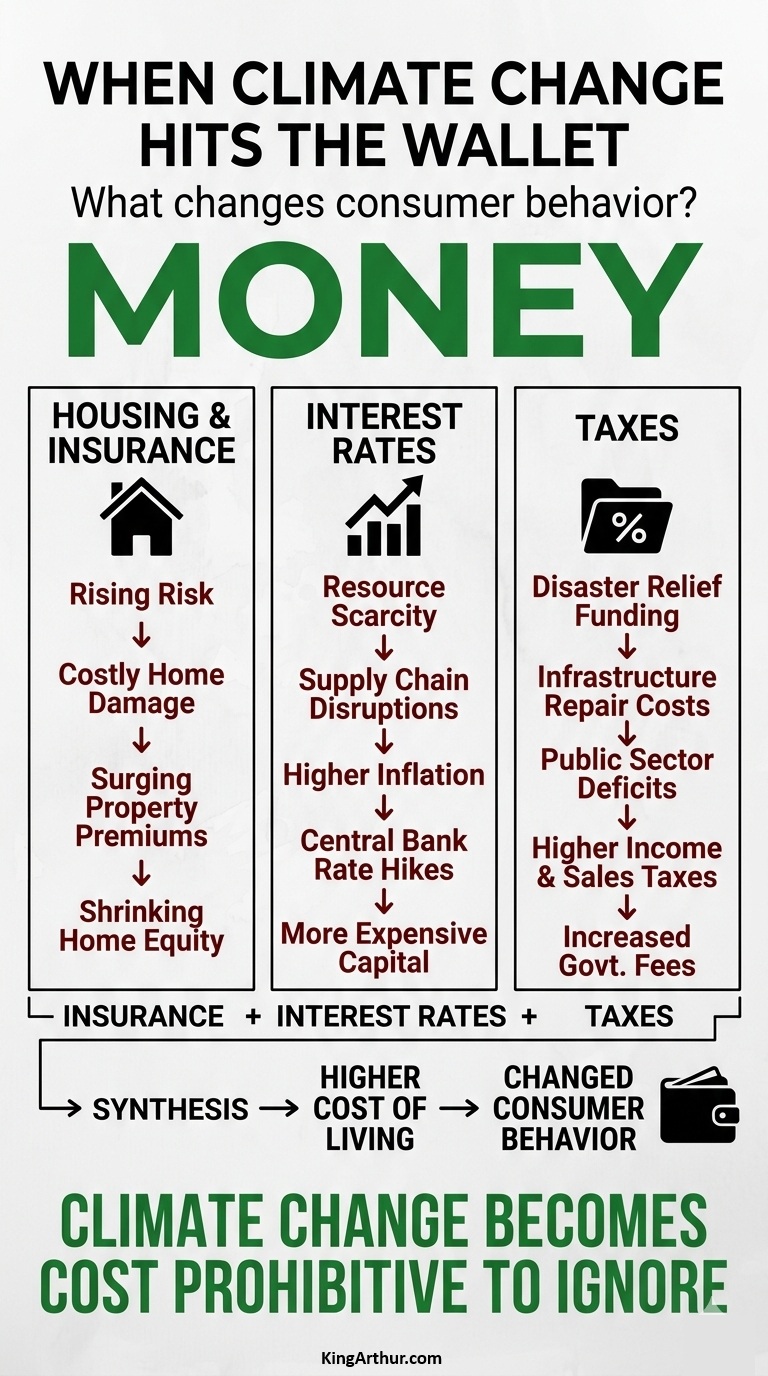
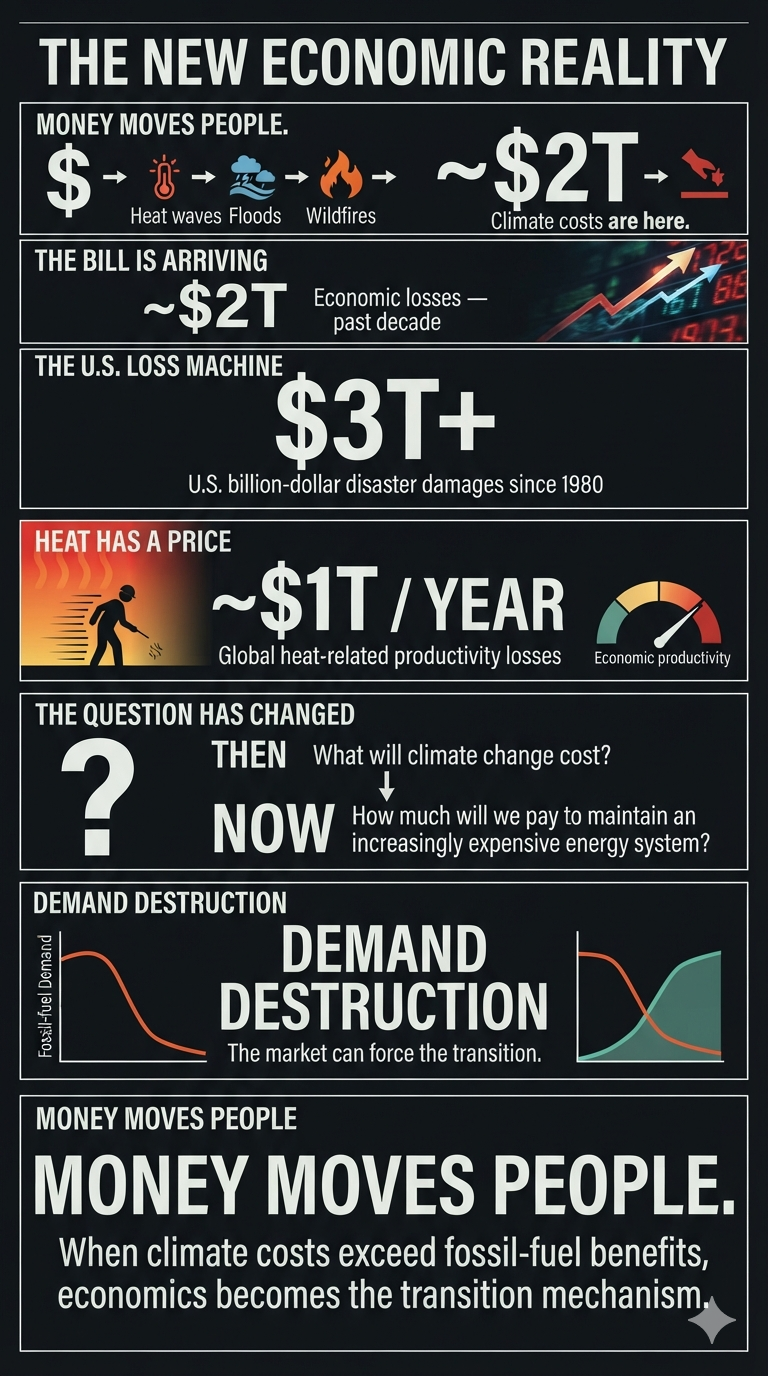
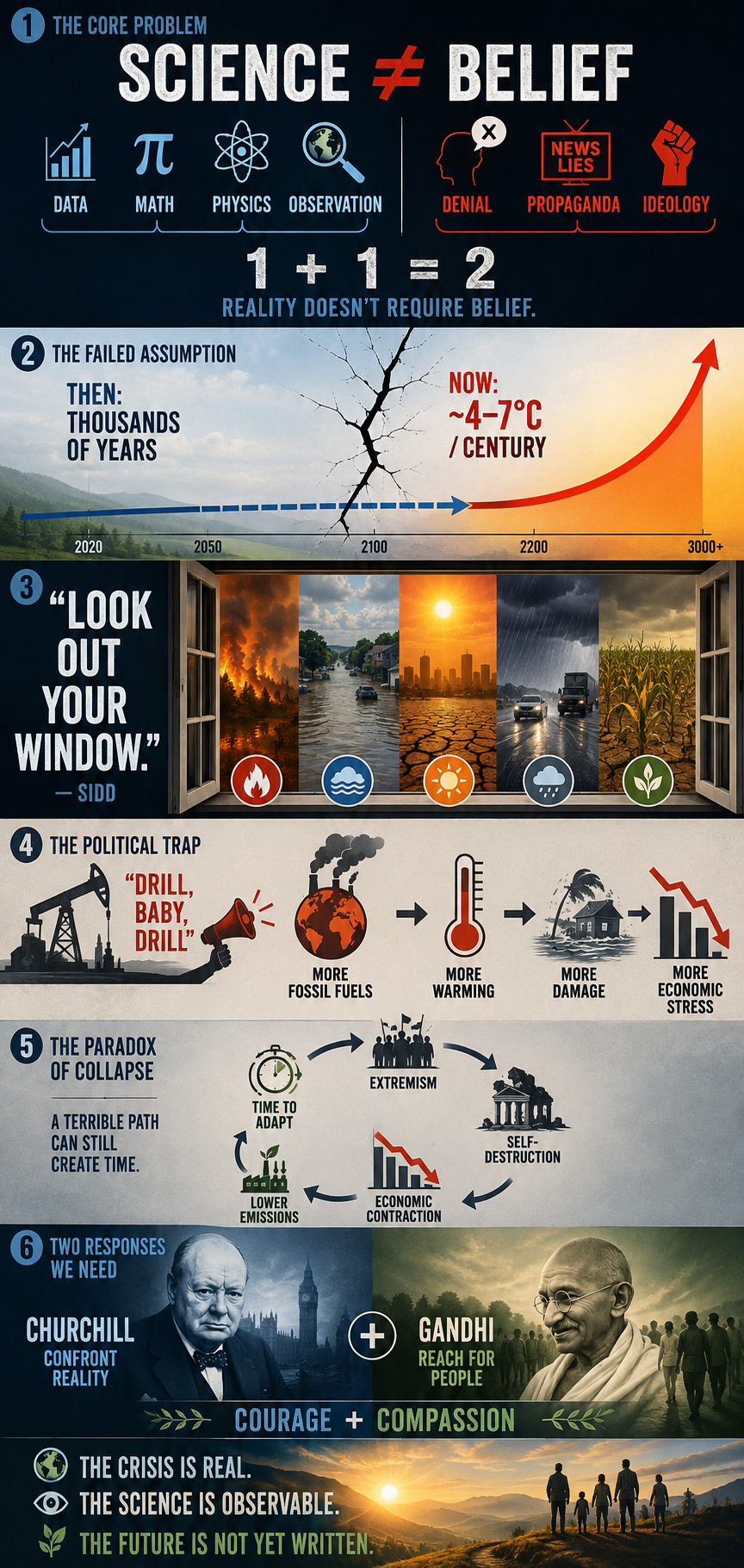
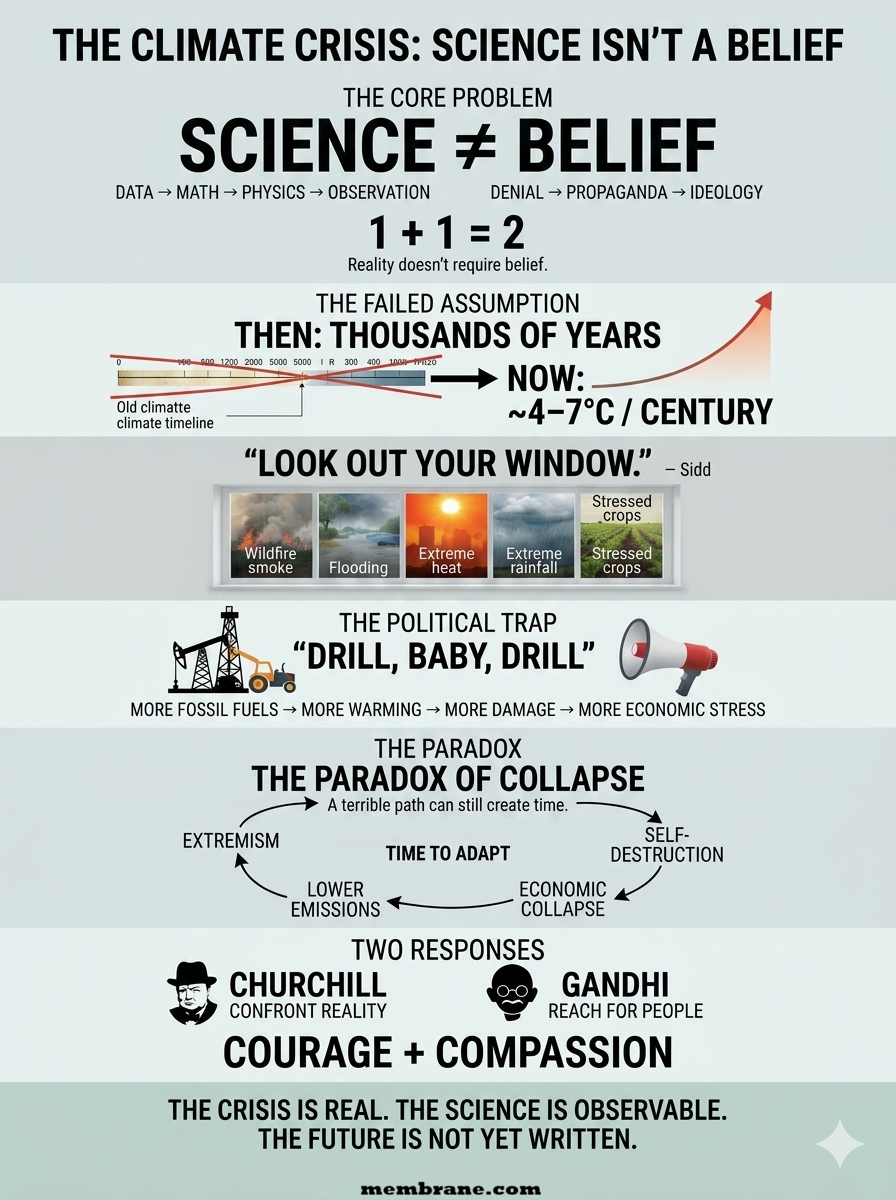
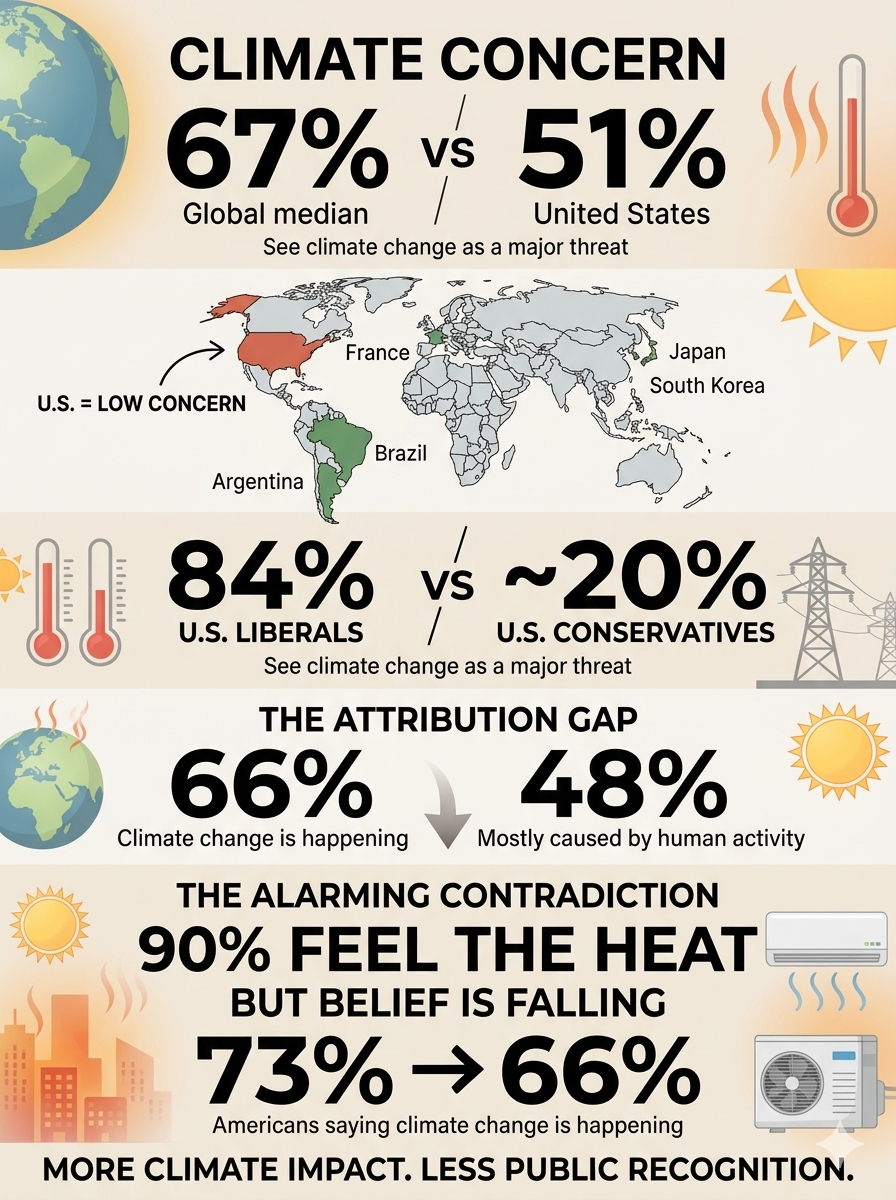
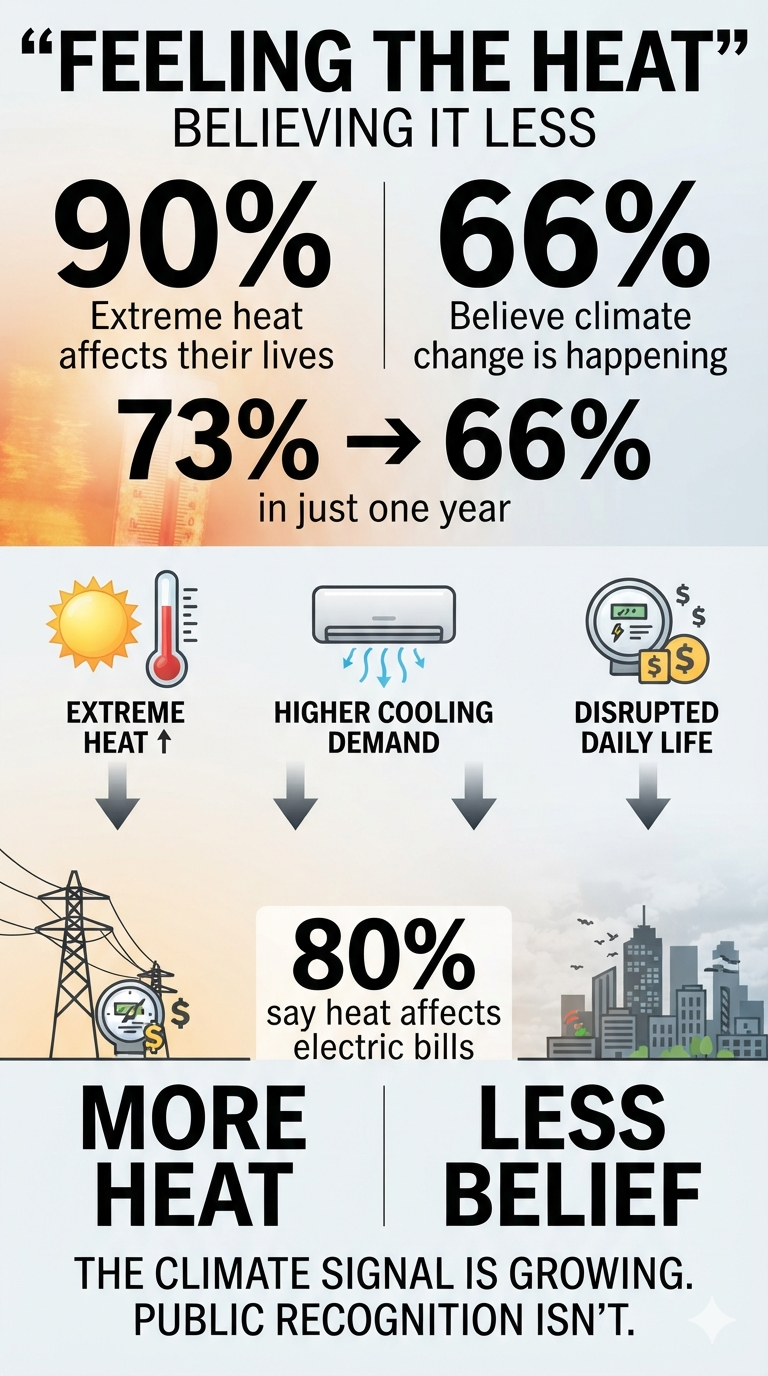
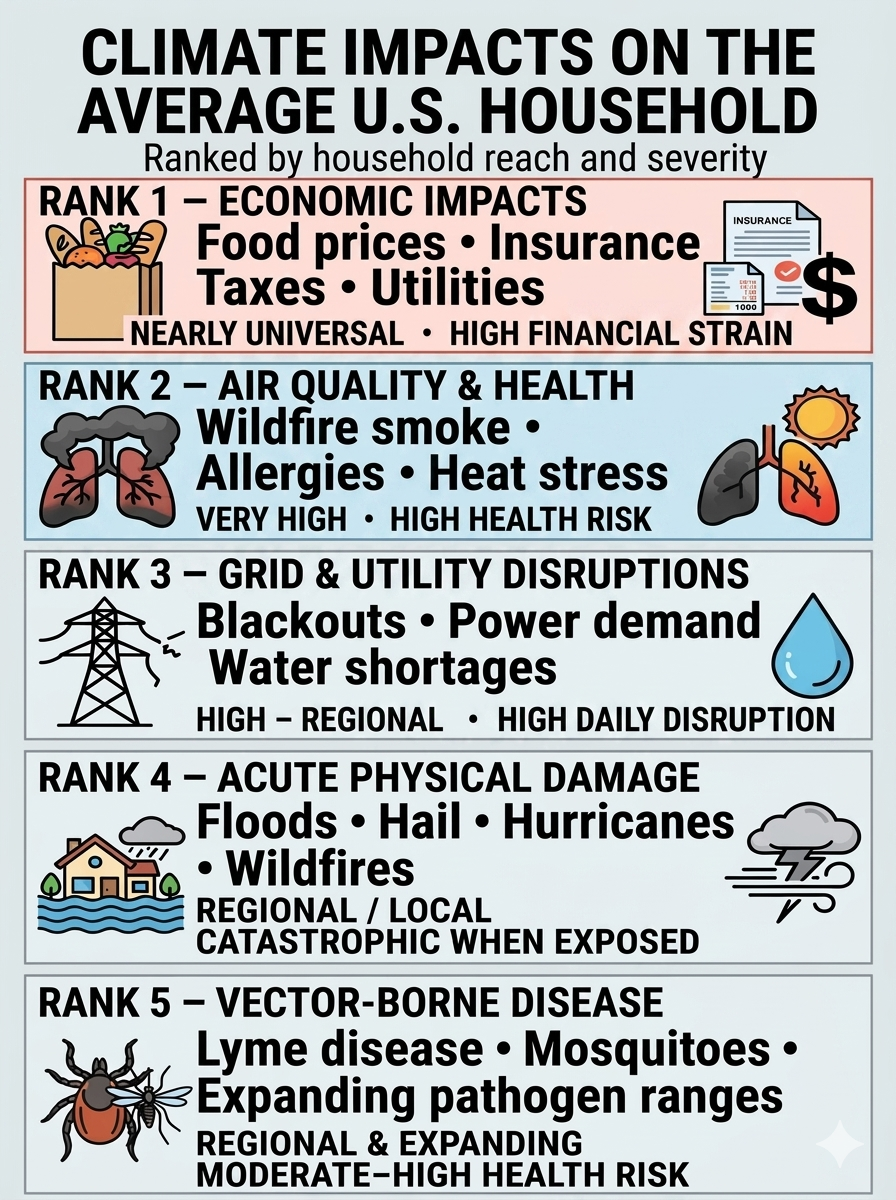
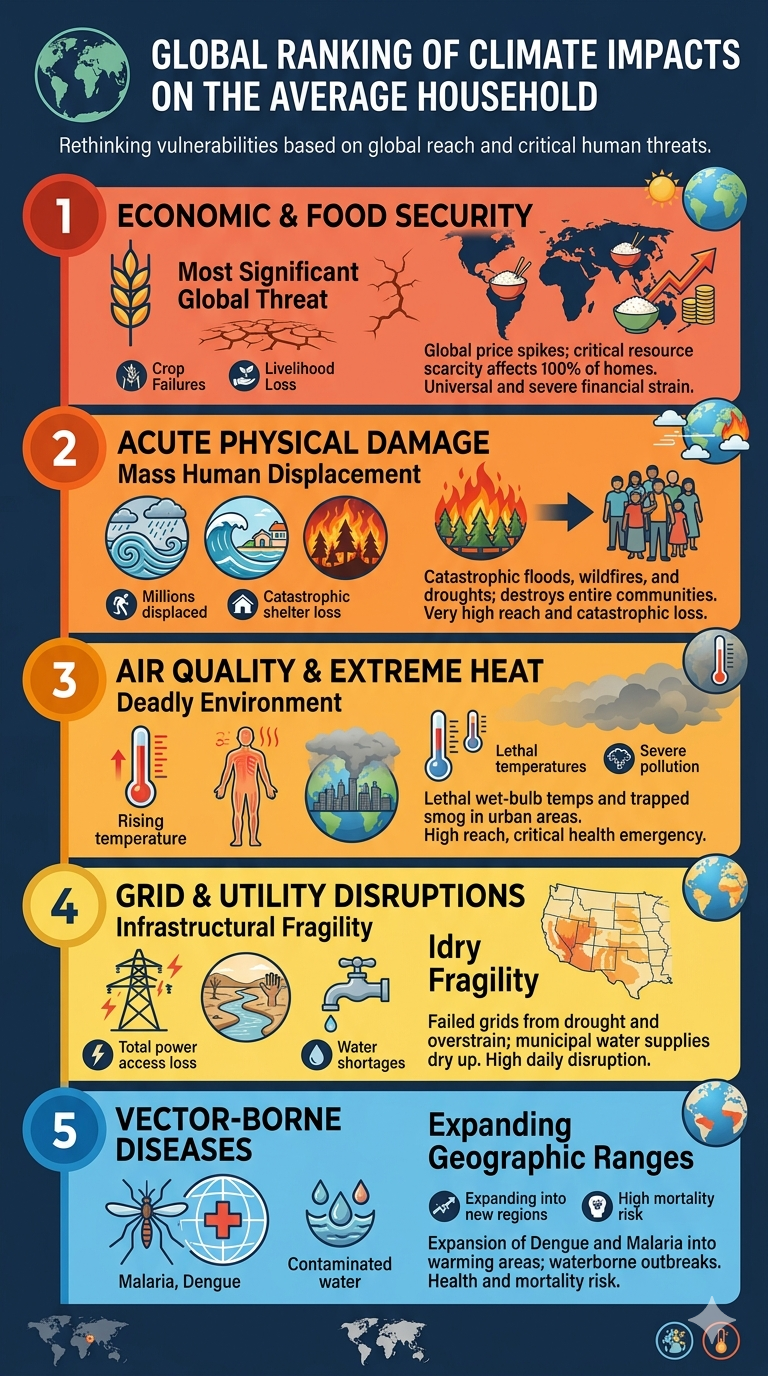
Climate change presents an equally serious moral problem. Rejecting established climate science and obstructing effective responses can increase risks to public health, food security, infrastructure, ecosystems, and future generations.
On September 23, 2025, Trump addressed the United Nations General Assembly and called climate change “the greatest con job ever perpetrated on the world.” This was a public and unmistakable expression of his rejection of mainstream climate science and international climate action. Source: Reuters, September 23, 2025.
These are not simply disagreements over the details of environmental policy. They concern the consequences of dismissing an extensive body of scientific evidence while exercising power over decisions that affect the lives of others.
The moral question is straightforward: When a political leader’s statements and decisions contribute to preventable suffering, what responsibility does that leader bear?
That question deserves examination regardless of party affiliation.
3. Is Trump the Antichrist?
Regarding the Antichrist, I agree with one part of the argument made by those who believe the figure described in biblical prophecy will be difficult to recognize: I don’t believe Trump is literally the Antichrist described in Scripture.
But that conclusion does not eliminate my concerns about his conduct or the movements he supports.
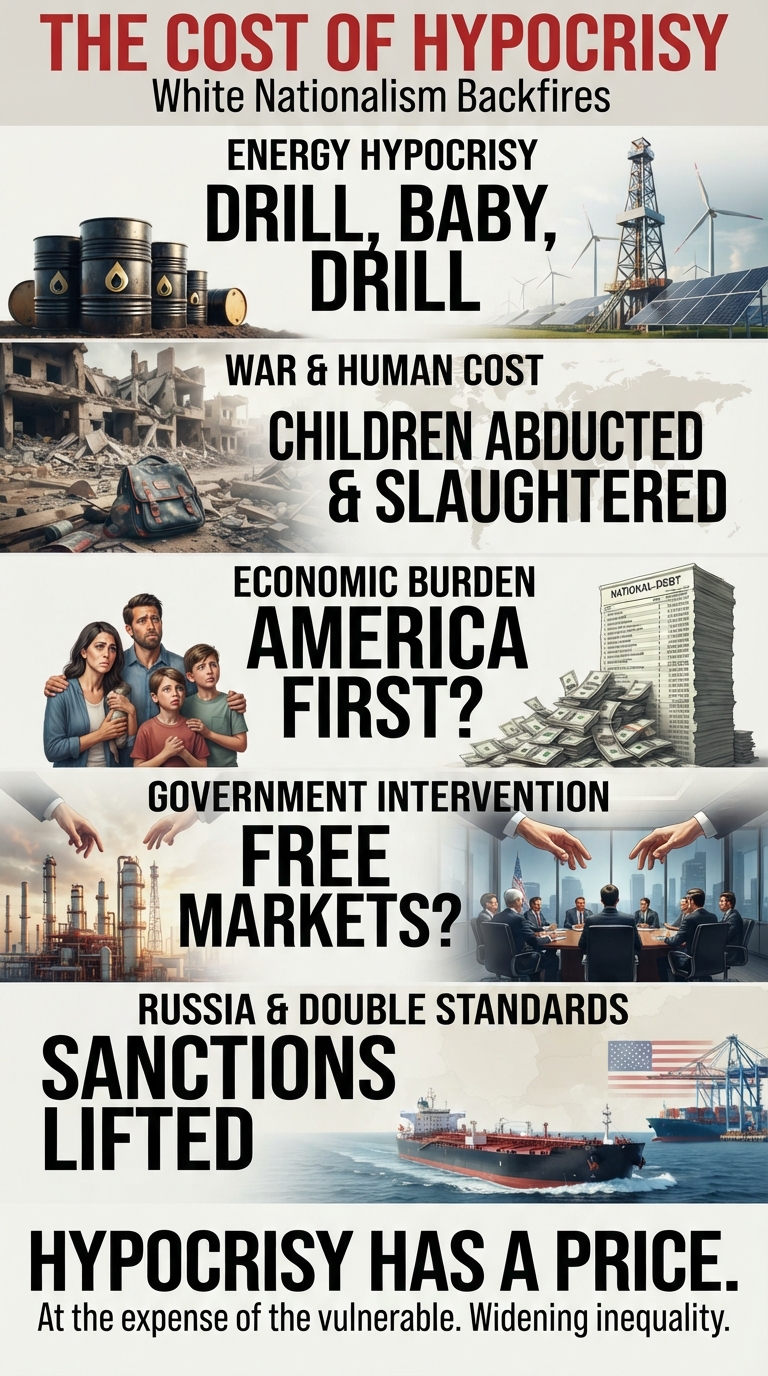
The concern is that Trump is helping advance political and religious movements that could bring about catastrophic consequences under the banner of Christianity. I see a dangerous convergence of Christian Zionism, white nationalism, and authoritarian politics, alongside an alarming relationship between elements of the Trump political network and the broader Epstein scandal.
The distinction matters. One can reject the claim that a political leader is literally the Antichrist while still examining whether that leader’s actions embody forms of deception, hypocrisy, cruelty, or destructive ambition that religious teachings warn against.
Biblical discernment should not be reduced to identifying a single individual who matches a prophetic description. It should also involve examining conduct, motives, consequences, and the treatment of other people.
A person can invoke God, Scripture, and Christian identity while pursuing policies that contradict the ethical principles those beliefs are supposed to uphold.
The question is not simply whether Trump fits a particular interpretation of Revelation. It is whether Christians are applying their moral teachings consistently when evaluating him.
4. Christian Zionism, Biblical Prophecy, and the War With Iran
The connection between Christian Zionism and Trump’s foreign policy deserves particular scrutiny.
Support for Israel among evangelical Christians is not exclusively theological; it also reflects strategic, cultural, historical, and political considerations. However, for some Christian Zionist constituencies, support for Israel is tied to specific interpretations of biblical prophecy and the End Times.
When prophetic expectations become intertwined with decisions about war, the consequences can extend far beyond theology.
The concern is that religious interpretations of history and prophecy can become entangled with political calculations in ways that make military escalation appear divinely justified or historically inevitable. When that happens, the ordinary requirements of foreign policy—evidence, strategic judgment, proportionality, diplomacy, and consideration of human consequences—risk being subordinated to a narrative of prophetic destiny.
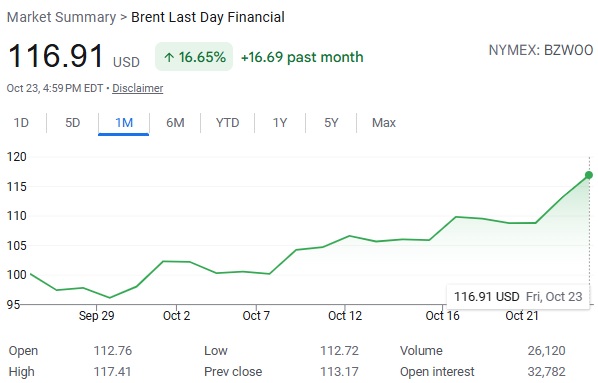
The Trump administration’s confrontation with Iran in 2026 has intensified these concerns. The United States and Israel launched strikes against Iran in February 2026, and the conflict subsequently developed into a prolonged confrontation. The administration’s handling of the war has raised questions about its strategic objectives, its exit strategy, and the economic and human costs. Source: Reuters, October 8, 2026.
The relationship among the Trump administration, Christian Zionist organizations, and the war raises serious questions about the relative influence of American national interests, military strategy, religious prophecy, and domestic political pressures.
There is also a political contradiction within Trump’s coalition. An America First constituency has opposed prolonged foreign entanglements, while influential evangelical constituencies support policies toward Israel that some understand through a biblical, prophetic framework.
These positions are not necessarily irreconcilable, and Christian Zionists do not all share one interpretation of prophecy or one position on military action. Nevertheless, the tension deserves examination.
The concern is that the language of Christianity can be used to justify political decisions whose consequences include war, suffering, displacement, and death. A policy does not become morally defensible simply because its supporters attach religious meaning to it.
If religious conviction is influencing decisions about war, then those convictions must be examined alongside the evidence, strategic objectives, and human consequences of the decisions themselves.
5. The Epstein Scandal and the Ideology of Human Worth
The Epstein scandal raises additional questions about the ideological environment surrounding powerful political, financial, and social networks.
Publicly released statements attributed to Jeffrey Epstein include arguments that increased atmospheric carbon dioxide benefits plants and that climate change could serve as a mechanism for reducing overpopulation. Other statements attributed to him express disturbing views about executing elderly and infirm people and make racist claims about African music and learning.
These statements, if accurately represented in their original context, reveal a worldview in which human lives can be evaluated according to their perceived usefulness, with some people effectively treated as expendable.
That is the kind of thinking that raises concerns about eugenics, ecofascism, and a grotesque version of survival of the fittest.
The issue is not simply whether someone disputes climate policy or believes that population growth creates environmental pressures. It is the moral distinction between addressing environmental problems in ways that protect human dignity and treating human suffering or death as a desirable means of achieving an ideological objective.
Recognizing that distinction is essential.
The term “ecofascism” refers to the danger of combining authoritarian power, hierarchical judgments about human worth, and environmental or population arguments that rationalize unequal human survival. It is a warning about an ideological pattern, not a claim that every person skeptical of climate policy subscribes to that worldview.
Similarly, statements attributed to Epstein do not, by themselves, establish that Trump personally shares every belief expressed in them. My concern is the broader environment in which extreme wealth, political influence, racial hierarchy, authoritarianism, and disregard for environmental threats can intersect.
The questions are legitimate and serious: What values are being promoted? Whose lives are being treated as expendable? And what happens when people with immense resources and influence begin to regard some populations as less deserving of protection than others?
These questions belong in any serious examination of the moral consequences of concentrated power.
6. Deception, Political Loyalty, and the Surrender of Moral Judgment
This is why term “Great Deceiver” relevant.
Deception does not have to look like a mysterious biblical figure who charms everyone. It can also operate through political loyalty, religious certainty, propaganda, and the conviction that one’s own side is incapable of wrongdoing.
A leader need not persuade everyone. It may be enough to maintain the loyalty of a sufficiently committed group that interprets every criticism as persecution, every contradiction as a conspiracy, and every failure as someone else’s fault.
Under those conditions, evidence can lose its ability to change minds. Political identity becomes more important than independent judgment, and loyalty becomes a substitute for evaluating facts.
This creates a serious moral danger within religious communities. When a political leader claims to represent Christian values, supporters may be tempted to defend the leader rather than assess whether the leader’s conduct actually reflects those values.
But Scripture demands more than declarations of faith. It calls for discernment about character, conduct, hypocrisy, truthfulness, compassion, justice, and the treatment of the vulnerable.
Merely claiming Christian values does not demonstrate that a person practices them.
The fundamental problem with Trump’s most devoted followers is when they appear unwilling to apply the same moral standards to their political leader that they would apply to anyone else. When evidence conflicts with political loyalty, the evidence is dismissed and loyalty becomes a substitute for judgment.
That is not faith. It is the surrender of independent moral reasoning.
A meaningful moral standard must be applied consistently. If dishonesty is wrong when practiced by political opponents, it is also wrong when practiced by a political ally. If cruelty is unacceptable when directed at people we care about, it does not become acceptable when directed at people we dislike. If Scripture is a source of moral authority, it cannot be invoked selectively to excuse the behavior of a favored leader.
The test of conviction is not how fiercely we defend our own side. It is whether we remain willing to recognize wrongdoing when doing so is uncomfortable.
7. Beyond Trump: The Larger Crisis of Human Responsibility
The problem is much deeper than Trump or any political party.
Political corruption, institutional failure, disinformation, environmental destruction, and the exploitation of vulnerable people cannot be explained by one individual alone. They emerge from broader systems of incentives, beliefs, power, and social behavior.
But recognizing the larger problem does not absolve individuals of responsibility for their own conduct.
Trump’s influence matters precisely because political leaders can amplify existing problems, normalize behavior that was once considered unacceptable, and use institutional power to make harmful decisions consequential on a much larger scale.
The same principle applies to religious institutions, corporations, governments, and individuals. No institution should be exempt from scrutiny because it claims a noble purpose. No political movement should be immune from criticism because it presents itself as the defender of a particular faith or national identity.
The challenge is to develop standards of accountability that do not depend on political affiliation, religious identity, wealth, or social status.
That requires a willingness to examine evidence, challenge deception, protect the vulnerable, and recognize the consequences of our choices.
It also requires resisting the temptation to turn every disagreement into a battle between absolute good and absolute evil. Serious moral analysis demands both conviction and intellectual honesty. Strong conclusions should be accompanied by evidence, and evidence should not be dismissed merely because it threatens a cherished belief.
The objective is not to replace one form of blind allegiance with another. It is to restore the capacity for independent moral judgment.
8. The Covenant of Balance: An Interfaith Alternative
The following paper takes a constructive approach to these problems:
The Covenant of Balance: An Interfaith Synthesis of Ecological Ethics, Economics, Climate Science, Earth’s Energy Imbalance, and Integrated Climate Stewardship
https://www.kingarthur.com/global_warming/Covenant-of-Balance.html
The paper examines Christianity, Islam, Judaism, Buddhism, and Hinduism, identifying shared ethical principles of responsibility, compassion, moderation, stewardship, and avoiding needless harm. It connects those principles with climate science, economic accountability, and practical action.
The premise is simple: We do not need to share one religion, one political philosophy, or one interpretation of Scripture to recognize that our actions have consequences for other people and the living world.
Christianity offers teachings on creation care, stewardship, and love of neighbor. Islam emphasizes Mīzān, or balance, and responsible trusteeship. Judaism includes bal tashchit, the principle of avoiding needless destruction and waste. Buddhism highlights interdependence, compassion, and mindful consumption. Hinduism offers ethical resources through dharma, responsibility, and minimizing harm.
These traditions are distinct, and their adherents do not agree on every environmental or political question. Yet they offer meaningful grounds for cooperation around the protection of human life, the reduction of suffering, responsible resource use, and the preservation of the conditions that sustain future generations.
The paper also connects these ethical principles to Earth’s physical energy imbalance and the consequences of climate change.
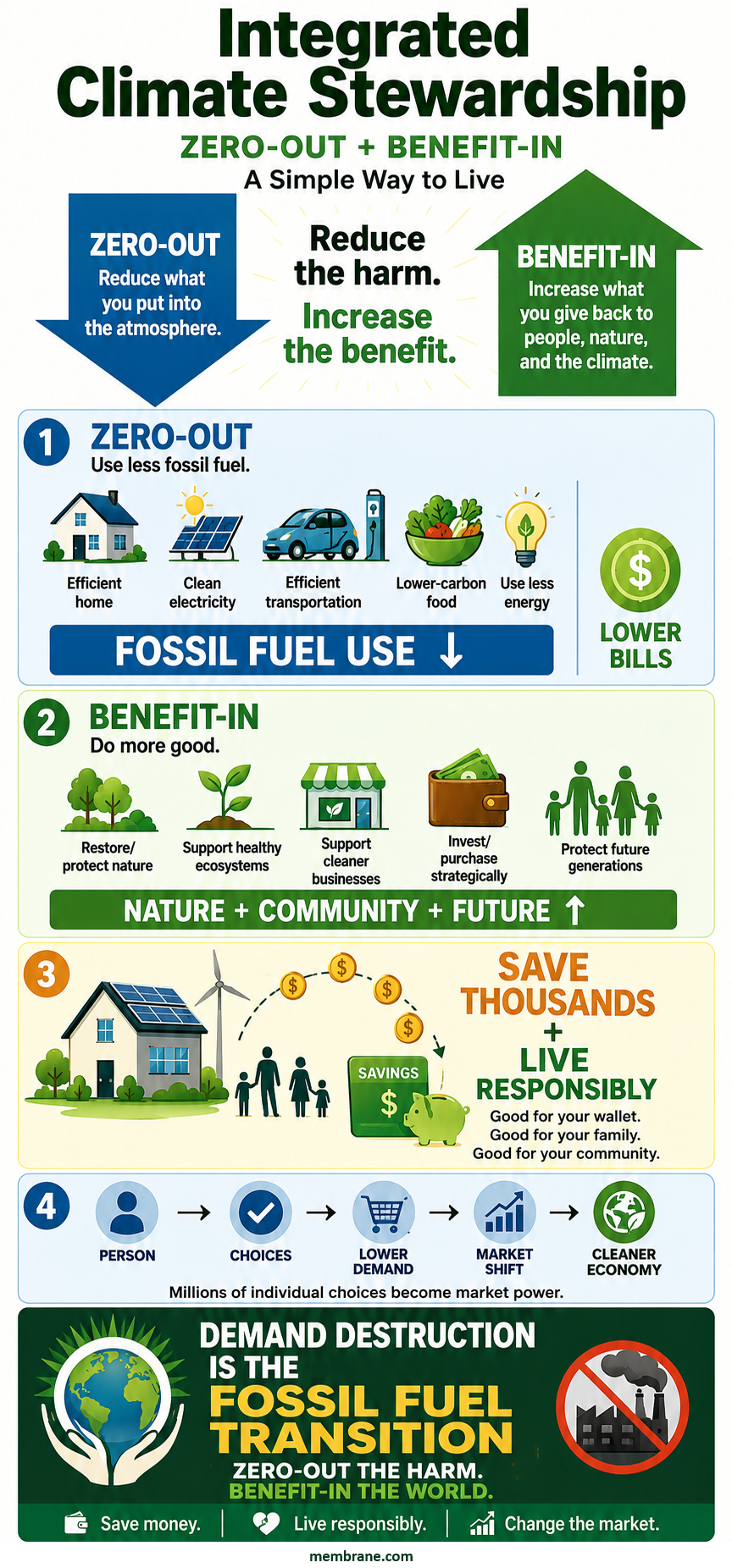
Its practical framework is Integrated Climate Stewardship:
ZERO-OUT + BENEFIT-IN
ZERO-OUT means reducing actual sources of environmental harm. BENEFIT-IN means creating tangible improvements in affordability, efficiency, resilience, comfort, and quality of life while protecting the ecological systems on which we depend.
This approach seeks to unite moral responsibility with measurable results. It recognizes that environmental stewardship must extend beyond declarations of concern to practical decisions by households, businesses, institutions, and governments.
The same principle applies to political and religious life. Good intentions and declarations of faith are not sufficient. Our conduct must be evaluated according to its consequences for other people and the world we share.
The Covenant of Balance is an invitation to move beyond divisions that prevent cooperation. We can disagree about theology while working together to reduce suffering. We can hold different political beliefs while insisting on truthfulness and accountability. We can approach the natural world through different ethical traditions while recognizing our common dependence on its physical and ecological systems.
My objective is to find common ground among people of different faiths and beliefs so we can work together for the common good.
9. The Moral Test: Separating the Sheep From the Goats
If we’re going to talk about separating the sheep from the goats, perhaps we should begin by applying the same standards of truth, morality, compassion, and accountability to our own political leaders that we claim to find in Scripture.
Religious language should not function as a shield against scrutiny. Claims of divine purpose should not exempt political decisions from moral examination. And the authority of Scripture should not be used selectively to condemn opponents while excusing the conduct of political allies.
The deeper question is whether our beliefs make us more willing to confront wrongdoing or more determined to defend it when it comes from our own side.
A genuine commitment to truth requires the courage to examine uncomfortable evidence. A genuine commitment to morality requires consistency. A genuine commitment to compassion requires concern for people beyond our immediate community. And a genuine commitment to stewardship requires responsibility for the consequences of our actions.
These standards should apply to everyone, including presidents, religious leaders, corporations, political movements, and ordinary citizens.
Identifying the literal Antichrist is not the most urgent task facing humanity. The more immediate responsibility is to recognize deception, resist the misuse of religious authority, challenge destructive ideologies, protect vulnerable people, and hold those in power accountable for their conduct.
The danger is not confined to one political party, one religion, or one individual. It lies in the human capacity to rationalize wrongdoing when it serves our interests, confirms our beliefs, or strengthens our allegiance to a leader.
That is why the work of moral discernment matters.
Conclusion: Faith Should Sharpen Our Judgment
This perspective comes from decades of studying economics, moral philosophy, Christianity, eschatology, and the physical systems that sustain life. Although I generally keep my religious beliefs separate from my scientific work, I see no contradiction in examining the moral consequences of political decisions through both ethical and scientific frameworks.
I do not believe Trump is literally the Antichrist described in biblical prophecy. Nevertheless, I believe his conduct, his rejection of climate science, his approach to public health and foreign policy, and his relationship with political and religious movements raise profound questions about deception, responsibility, and the consequences of concentrated power.
My assessment of Trump as the Great Deceiver reflects my judgment of his conduct and its consequences. It is not a substitute for examining the evidence, and it should not be treated as a claim that every legal or historical question surrounding his actions has already been resolved.
But neither should the seriousness of those questions be diminished by political loyalty or religious identification.
If we are concerned about deception, we must examine the behavior of those who claim to defend the truth. If we are concerned about the End Times, we must not neglect the suffering and dangers unfolding in the present. If we claim to follow Christian values, we must evaluate our conduct and our leaders against the moral responsibilities those values entail.
And if we recognize that humanity faces threats extending beyond politics—including climate change, ecological disruption, and the consequences of destructive economic systems—we must be willing to cooperate across religious and ideological boundaries.
We do not have to agree on every theological question to agree that human life matters, deception should be challenged, vulnerable people deserve protection, and the Earth must be preserved for future generations.
My hope is that people of different faiths and beliefs can find common ground in these responsibilities and act together for the common good.
The ultimate test is not whether we can convincingly claim to stand on the side of God, country, or a particular political movement. It is whether our actions reflect truth, justice, compassion, and responsibility.
Faith should sharpen our moral judgment, not blind us to reality.