bookmark_borderInvisible Crisis: How Air Pollution Is Quietly Shortening American Lives

by Daniel Brouse
July 29 , 2025

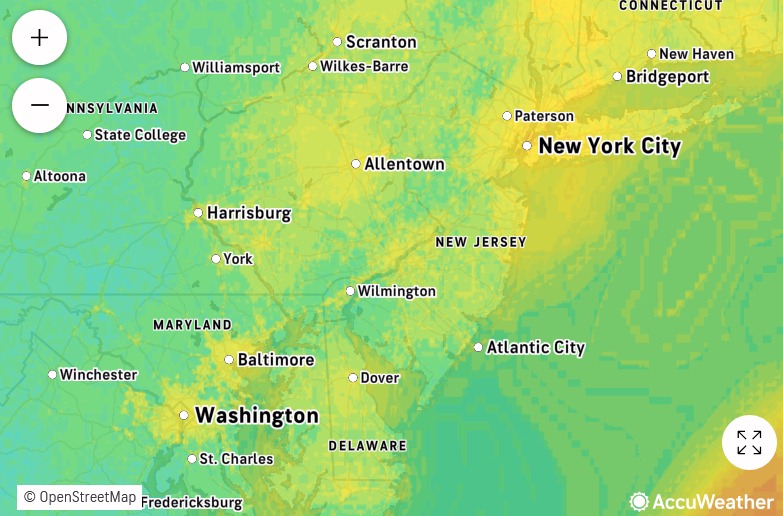
Today’s air quality map tells a story most people still fail to fully grasp: air pollution is not just a big-city problem. While it’s true that Philadelphia’s air quality is once again rated “unhealthy” today, the issue is far more widespread. Regions across Pennsylvania and surrounding states are also suffering—State College, Harrisburg, and even the Jersey Shore are experiencing poor air quality. Morgantown, West Virginia, consistently ranks among the worst in the nation, highlighting how rural and small-town America are not exempt from the invisible threat.

Air pollution is now the leading environmental cause of death in the United States. Fine particulate matter (PM2.5), ozone, nitrogen dioxide, and other airborne toxins contribute to heart disease, stroke, lung cancer, asthma, diabetes, and neurodegenerative disorders. These pollutants infiltrate the lungs, enter the bloodstream, and trigger systemic damage.

But what often gets overlooked is how air pollution initiates a health feedback loop. Exposure to chronic air pollution weakens the immune system, making the body more susceptible to both infectious and non-infectious diseases. It also causes epigenetic changes—altering how genes are expressed without changing the DNA itself—which can lead to lifelong health effects and be passed on to future generations. These changes reduce not just life expectancy, but the quality of life across one’s lifespan.

Worse still, this health feedback loop doesn’t exist in isolation—it interacts with climate-related feedback loops. For instance, warmer temperatures increase the formation of ground-level ozone and worsen wildfires, which dump more particulate pollution into the atmosphere. Simultaneously, climate-driven disruptions in agriculture and ecosystems compound the toll on human health through food insecurity and new disease vectors. The result is an accelerating cycle of harm that is exponentially shortening human lives.

What’s happening today on the air quality map is not a one-off event—it’s part of a long-term systemic crisis. The air we breathe is silently but powerfully eroding public health, disproportionately impacting children, the elderly, and frontline communities. Unless serious interventions are made at every level—from fossil fuel phase-outs to public health reforms—we are headed toward a future where the simple act of breathing becomes a daily health risk for millions.

Conclusion
Health feedback loops, violent rain, and deadly humid heat are fueling an exponential rise in climate-related deaths. This lethal triad — disease, extreme heat, and intense rainfall — demonstrates that climate change is not a distant threat but a rapidly accelerating public health emergency. These stressors interact and amplify one another, creating a cascade of compounding impacts that demand urgent intervention.

All 50 U.S. states — including Alaska — are already experiencing deadly humid heat advisories. Large regions of the country are becoming uninhabitable for weeks or even months each year due to extreme heat. Wet-bulb temperatures are approaching 31°C (87.8°F) in multiple states — a physiological threshold beyond which sustained outdoor survival is impossible, even with water and shade. Meanwhile, violent rain events are killing hundreds and causing billions in annual damage. Climate-driven health feedback loops have become the leading cause of mortality in the United States — fueled by systemic interactions between temperature extremes, air quality degradation, disease vectors, and infrastructure collapse. Addressing climate change is no longer just an environmental imperative — it is a public health necessity.

Our climate model — which incorporates complex socio-economic and ecological feedback loops within a dynamic, nonlinear system — projects that global temperatures could rise by up to 9°C (16.2°F) within this century. This far exceeds earlier estimates of a 4°C rise over the next thousand years, highlighting a dramatic acceleration in global warming. We are now entering a phase of compound, cascading collapse, where climate, ecological, and societal systems destabilize through interlinked, self-reinforcing feedback loops.

We examine how human activities — such as deforestation, fossil fuel combustion, mass consumption, industrial agriculture, and land development — interact with ecological processes like thermal energy redistribution, carbon cycling, hydrological flow, biodiversity loss, and the spread of disease vectors. These interactions do not follow linear cause-and-effect patterns. Instead, they form complex, self-reinforcing feedback loops that can trigger rapid, system-wide transformations — often abruptly and without warning. Grasping these dynamics is crucial for accurately assessing global risks and developing effective strategies for long-term survival.
 

The Human Induced Climate Change Experiment

bookmark_borderThe Year of the Flood: 2025 and the Rise of Hydroclimate Whiplash

by Daniel Brouse
July 29, 2025

The year 2025 is rapidly becoming known as “The Year of the Flood”—a tipping point in the era of hydroclimate whiplash, where extreme fluctuations between drought and deluge are reshaping life across the globe. Fueled by intensifying climate change, these events are no longer anomalies—they are becoming the new normal.

Beijing Drowns on the Edge of a Desert

Beijing, perched near the edge of the Gobi Desert in northern China, is no stranger to arid conditions. But this summer, it’s the opposite extreme that’s proving deadly. Prolonged and intense rainfall has led to the deaths of at least 30 people, with dozens more missing. Infrastructure has buckled—over 130 villages have lost electricity, and numerous roads have been rendered impassable by floodwaters. The devastation in Beijing is a stark illustration of how even historically dry regions are now facing increasingly unpredictable and violent precipitation events.

Pakistan’s Monsoon Nightmare Repeats

Just weeks ago, northern Pakistan was hit by catastrophic flash floods that claimed at least 32 lives. Now, a fresh warning has been issued as glacial lake outburst floods (GLOFs) threaten to compound the crisis. Above-average monsoon rains, especially in the mountainous Khyber Pakhtunkhwa province, are once again putting millions at risk. With the scars of the historic 2022 floods still fresh, the nation faces another round of devastation. As glacial melt accelerates in the warming Himalayas, this region finds itself trapped in a deadly feedback loop: warming causes more melt, which raises flood risk, which destroys infrastructure and livelihoods—further reducing resilience for the next climate blow.

America’s Floodplain Nation

In the United States, 2025 has already shattered records for flood frequency and severity. From the Gulf Coast to New England, and from California to the Midwest, communities have faced what used to be considered 1,000-year and 500-year floods—terms that now feel obsolete. These once-rare events have become shockingly routine, exposing the inadequacy of outdated risk maps, insurance models, and urban planning systems. States like Vermont, Kentucky, Texas, and Nevada have all experienced extreme flooding this year, with damages reaching into the tens of billions and displacing thousands.

The Bigger Picture: A Planet in Precipitation Chaos

What we are witnessing is not just a bad weather year—it’s a planetary system unraveling in real-time. Climate scientists have long warned of hydroclimate instability as global temperatures rise. Warmer air holds more moisture, leading to both prolonged droughts and more intense storms. This is hydroclimate whiplash: the pendulum swing from dry to deluge, now moving faster and hitting harder. Infrastructure built for 20th-century weather patterns is proving woefully inadequate for 21st-century climate extremes.

The costs—economic, social, and ecological—are mounting. Insurance companies are pulling out of flood-prone areas, government relief programs are stretched thin, and marginalized communities are disproportionately affected. Meanwhile, the cumulative psychological toll of disaster fatigue—constantly recovering, rebuilding, and bracing for the next blow—cannot be overstated.

Conclusion

2025 may be remembered as the year the world finally woke up to the brutal new reality of climate-driven flooding. But unless these floods catalyze serious action—from aggressive emissions cuts to global resilience planning—the years to come could make 2025 look like a warning unheeded. We are now living in the era of the flood. The question is: What will we do with that knowledge?

Hydroclimate Whiplash: America’s Flood Disaster Signals Accelerating Climate Chaos Brouse (2025)

1,000-Year Flood Hits Chapel Hill: Another Warning Sign of a Warming World Brouse (2025)

Florida’s Real Estate Collapse: Climate Physics, Soaring Costs, and the End of Coastal Wealth Brouse (2025)

Texas Flood Disaster: 500-Year Floods Become Regular Events Brouse (2025)

The Human Induced Climate Change Experiment

bookmark_borderTurkey Breaks All-Time Heat Record with Scorching 50.5°C (122.9°F)

by Daniel Brouse
July 27, 2025

Turkey’s Environment Ministry confirmed that the country has recorded its highest temperature ever as meteorologists measured a blistering 50.5°C (122.9°F) in the southeastern district of Silopi on Friday. This extreme reading not only sets a new national heat record, but also underscores the region’s growing vulnerability to climate-driven extreme weather events.

This milestone reflects a broader trend of escalating heatwaves across the Middle East, North Africa, and southern Europe—regions already under pressure from prolonged droughts, declining water reserves, and agricultural stress. Scientists warn that such extreme temperatures will become more frequent and more severe as climate change accelerates, especially in areas already prone to arid conditions.

The Turkish government has issued heat advisories and urged citizens to remain indoors during peak hours, stay hydrated, and avoid strenuous activity. Public health officials are also monitoring for heat-related illnesses, particularly among the elderly and those with preexisting health conditions.

This record-setting temperature is yet another stark reminder of the urgent need for global climate action, regional heat adaptation strategies, and strengthened infrastructure to protect vulnerable populations.

URGENT CLIMATE WARNING
Our most recent climate model — now updated to include socio-economic and ecological feedback loops within a dynamic, nonlinear framework — projects up to 9°C global warming by 2100. This far exceeds prior estimates and indicates we are entering a phase of compound, cascading collapse.

At this level of heating, many regions will become uninhabitable due to heat stress, sea-level rise, food system failure, and forced migration. Wet-bulb temperatures in the U.S. are already nearing 31°C (87.8°F) — a physiological limit beyond which human life cannot be sustained outdoors for long, even with water and shade.

This is not hypothetical. The climate system is tipping now.

Immediate mitigation and adaptation are essential to preserve habitable zones and public health—and to avoid collapse on both ecological and economic fronts.

Tipping points and feedback loops drive the acceleration of climate change. When one tipping point is toppled and triggers others, the cascading collapse is known as the Domino Effect.

The Climate Crisis: Violent Rain | Deadly Humid Heat | Health Collapse | Extreme Weather Events | Insurance | Trees and Deforestation | Rising Sea Level | Food and Water | Updates

The Human Induced Climate Change Experiment

bookmark_borderAir Quality Reaches Code Red in Philadelphia and Jersey Shore: Wildfire Smoke Sparks Health Alerts

by Daniel Brouse
July 27, 2025

Air quality levels reached Code Red across parts of Philadelphia and the Jersey Shore last evening and today, prompting urgent health warnings for residents. The alert, triggered by unhealthy concentrations of fine particulate matter (PM2.5), was in effect from the southern tip of Long Beach Island to Sea Isle City, extending inland as far as Egg Harbor.

A Code Red Air Quality Alert means the air is considered “unhealthy for all individuals,” not just those with pre-existing conditions. Public health officials strongly advised everyone—especially children, the elderly, and those with asthma, heart, or lung conditions—to limit time outdoors, avoid strenuous activity, and stay inside with filtered air whenever possible.

“These pollutant particulates can penetrate deep into the lungs,” warned local air quality experts. “Even short-term exposure can cause inflammation, trigger asthma attacks, or worsen cardiovascular symptoms.”

Wildfire Smoke From Canada the Primary Cause
The spike in pollution was caused by smoke drifting south from ongoing wildfires in Canada. This marks another chapter in a growing trend of long-distance smoke events, as climate-fueled wildfires in the northern latitudes increasingly affect air quality thousands of miles away.
Temporary Relief from Incoming Rain

Conditions improved after midnight in a few areas, thanks to an incoming band of rain, which helped wash particulates out of the atmosphere. However, the reprieve was short-lived. Code Red conditions continued Sunday. With the Canadian wildfires still actively burning, experts warn that similar air quality alerts may return in the coming days depending on wind patterns and fire behavior.

A Growing Public Health Concern
Episodes like this are becoming more frequent and severe, highlighting how climate change and transboundary pollution are converging to impact public health. As wildfire seasons lengthen and intensify globally, the U.S. Northeast and Mid-Atlantic regions may continue to see deteriorating air quality even without local fires.

Public health officials encourage residents to check the AirNow.gov or local environmental agency websites for real-time air quality updates, and to consider investing in HEPA air purifiers or using MERV-13 filters in home HVAC systems to reduce indoor exposure.

Wildfires and Climate Change
Wildfires are becoming more intense, more frequent, and more destructive in climate-sensitive regions such as Canada, the U.S. West, Southern Europe, and Australia.

In fact, unprecedented events are now unfolding. In Canada, vast swaths of boreal forest and peatland are burning year-round. Once considered permanently frozen, Canadian peat permafrost has begun to smolder even beneath the snow, releasing immense quantities of carbon dioxide and methane. These fires, known as “zombie fires,” persist underground through the winter and reignite during spring and summer. This phenomenon marks a terrifying shift in the fire-climate feedback loop.

Wildfire behavior is now directly tied to a compounding set of climate-driven feedbacks. One such loop is: Drought → Fire → Dieback. During extended drought and extreme heat, trees close their stomata to conserve water, which reduces their CO₂ uptake and weakens their resilience. At the same time, warmer, drier conditions make forests more flammable. This leads to more frequent and intense fires, which kill trees and release the carbon they had stored. The Amazon rainforest, once the planet’s largest carbon sink, is now emitting more carbon than it absorbs.

Another underappreciated factor is ozone pollution, which results from fossil fuel combustion. Ground-level ozone damages plant tissues and further inhibits their ability to absorb CO₂, compounding forest dieback and undermining global carbon sinks.

Additionally, wildfires generate “brown carbon”—a class of light-absorbing organic particles. These airborne particulates can travel thousands of miles and settle on snow and ice in Greenland, Antarctica, and mountain glaciers. By darkening the surface, brown carbon reduces the reflectivity (albedo) of ice, accelerating melting. This leads to greater freshwater runoff, destabilizing ocean circulation patterns such as the Atlantic Meridional Overturning Circulation (AMOC), and further warming the poles.

This creates a cascading carbon feedback loop: drought and heat increase wildfires; wildfires kill forests and release stored carbon; ozone and pollution further weaken vegetation; and brown carbon accelerates ice melt. All of these processes contribute more greenhouse gases to the atmosphere, amplifying climate change and locking in even more fire, drought, and environmental collapse.

Drought → Fire → Dieback → Carbon Feedback

Drought stresses trees, increasing flammability and reducing CO2 uptake. Fires release stored carbon, turning the Amazon from a carbon sink into a carbon source. Brown carbon from wildfires darkens snow and ice globally, accelerating melt and AMOC slowdown, feeding back into the system.

Ignite a Domino Effect: Albedo, Brown Carbon, Permafrost  Brouse and Mukherjee (2025)

Canadian Wildfires: Over the Tipping Point Brouse (2024)

Wildfires, Climate Change and Extreme Weather Events Brouse and Mukherjee (2024)

The Human Induced Climate Change Experiment

bookmark_borderClimate-Driven Health Collapse: The Compounding Feedback Loops of Disease, Pollution, and Extreme Weather

by Daniel Brouse — July 26, 2025

Climate change is not just an environmental issue — it is a cascading health crisis. As rising global temperatures disrupt natural systems, they initiate multiple interconnected health feedback loops that reinforce and amplify one another. These loops do not operate in isolation, nor do they follow a predictable or linear trajectory. Instead, the breakdown of one subsystem accelerates the collapse of others, resulting in nonlinear, compounding effects that degrade both the quality and quantity of human life.

Health Feedback Loops: Not Just Additive — Exponential

There are at least three major categories of climate-related health stressors that interact and reinforce each other:

1. Infectious Disease Pathogens

  • Zoonotic diseases such as COVID-19, Ebola, and avian influenza are spreading more rapidly due to deforestation, warming temperatures, and habitat loss — conditions that increase human-animal contact and vector range.

  • Climate-sensitive vectors (like mosquitoes) expand into new regions, introducing dengue, malaria, and Zika to previously unaffected populations.

2. Environmental Pathogens & Pollution

  • Ground-level ozone, particulate matter (PM2.5), and wildfire smoke directly damage lungs and weaken immune response.

  • Air pollution is responsible for millions of premature deaths annually and is a major co-factor in cardiovascular disease, chronic obstructive pulmonary disease (COPD), asthma, and cancer.

  • Pollution exposure also increases the risk of infection, as seen with COVID-19 morbidity patterns.

3. Climate Extremes & Cellular Breakdown

  • Prolonged exposure to extreme heat accelerates biological aging, damaging tissues and shortening telomeres at a cellular level.

  • These changes increase the likelihood of chronic diseases such as cancer, dementia, and diabetes — all of which are also made worse by pollution and infection.

  • Heat stress also undermines mental health and increases rates of depression, anxiety, and even suicide.

Epigenetic Changes: The Molecular Convergence of Climate Stressors

A critical link between these health risks is the role of epigenetic changes — chemical modifications that influence how genes are expressed without altering the DNA sequence itself. These changes act like a dimmer switch or on/off toggle for genes, activating or silencing certain genetic pathways.

  • Extreme heat, ozone exposure, and COVID-19 infection are all known to trigger epigenetic modifications.

  • These shifts can activate high-risk genes linked to cancer, diabetes, cardiovascular conditions, and neurological disorders.

  • When multiple stressors are present, these epigenetic changes do not just add up — they compound, increasing long-term vulnerability across multiple organ systems.

This molecular-level disruption represents a shared mechanism across climate-related health threats, amplifying the feedback loops that push individuals toward chronic illness and premature death. It also raises concerns about transgenerational impacts, where stress-induced epigenetic changes in one generation may increase disease risk in the next.

Case Study: COVID-19 and Air Pollution — A Deadly Feedback Loop

Consider how air pollution and COVID-19 create a self-reinforcing health spiral:

  1. Long-term air pollution exposure causes underlying conditions (respiratory disease, cardiovascular disease, immune suppression).

  2. Infection with COVID-19 worsens these existing conditions, leading to more severe illness and higher mortality risk.

  3. Post-infection, continued pollution exposure leads to long COVID complications and recurring hospitalizations.

  4. The repeated cycle exhausts the body’s defenses — a negative feedback loop that continues until systemic collapse or death.

This is not a hypothetical. It is happening now.

Health System Overload and the Tipping Point

When these health stressors converge, they don’t just affect individuals — they strain public health systems, increase medical costs, and undermine economic productivity. The reinforcing nature of these loops means we are hurtling toward tipping points in healthcare infrastructure, workforce resilience, and population longevity.

Conclusion: Converging Crises, Urgent Response

The climate crisis is also a health crisis. The compounding effects of infectious disease, environmental pollution, and extreme heat form a web of destabilization that shortens lives and overwhelms systems. Without rapid action to reduce greenhouse gas emissions, regulate pollutants, and build climate-resilient healthcare systems, these feedback loops will escalate beyond control.

References:

Tipping points and feedback loops drive the acceleration of climate change. When one tipping point is toppled and triggers others, the cascading collapse is known as the Domino Effect.

The Human Induced Climate Change Experiment

bookmark_borderHow Extreme Heat Accelerates Aging and Cuts Life Expectancy

by Daniel Brouse
July 25, 2025

Extreme heat doesn’t just make you uncomfortable—it makes you age faster. Prolonged exposure to high temperatures accelerates biological aging by damaging cells and tissues, undermining human health at the molecular level.

“An accelerated biological age is the ‘canary in the coal mine’ for future risk of earlier onset of diseases such as cancer, dementia, and diabetes, and early death,” explained Jennifer Ailshire, professor of gerontology and sociology at the University of Southern California Leonard Davis School of Gerontology.

Climate Change and Heat Waves Are Reducing Lifespans

As climate change drives increasingly severe and longer-lasting heat waves, life expectancy is likely to decrease. This is not a distant projection but a direct, ongoing reality. Extreme heat disrupts sleep, increases dehydration, and places chronic stress on the cardiovascular and respiratory systems, worsening preexisting conditions and triggering new ones.

This is just one example of how climate change is reducing both the quantity and quality of human life. The impacts of extreme heat are not evenly distributed: older adults, children, outdoor workers, and low-income communities face disproportionate risks due to limited access to cooling, healthcare, and adaptive infrastructure.

The Cellular Impact of Heat on Aging

Our DNA provides the blueprint for how our bodies function, and while the sequence of our DNA is set at birth, the expression of these genes—how that blueprint is carried out—can change in response to environmental factors.

Extreme heat can trigger epigenetic changes, chemical modifications that turn genes on or off like a light switch. These changes can activate high-risk genes associated with cancer, diabetes, cardiovascular disease, and neurological disorders, increasing susceptibility to these conditions later in life.

The recent USC study found that older adults exposed to extreme heat showed markers of accelerated biological aging. This cellular aging is a predictor of early disease onset and mortality, highlighting the hidden toll of rising temperatures.

A Vicious Feedback Loop

As temperatures rise, reliance on air conditioning increases, leading to higher energy demand, which—if powered by fossil fuels—further accelerates climate change and increases heat exposure. This creates a vicious cycle of heat, emissions, and health decline.

At the same time, heat waves often coincide with higher levels of ground-level ozone and particulate pollution, compounding cellular damage and inflammation, and worsening cardiovascular and respiratory health.

The Path Forward

Mitigating climate change is a public health imperative. Policies that rapidly transition energy systems away from fossil fuels, expand urban green spaces, and improve building designs to keep people cool without excessive energy use are critical.

At the individual level, strategies to reduce heat exposure, stay hydrated, and monitor health during heat waves can help, but systemic changes are necessary to address the accelerating threat of climate-driven aging and mortality.

Conclusion

Extreme heat is not just a discomfort or inconvenience; it is a biological stressor accelerating aging, reducing lifespans, and increasing the risk of chronic disease. As climate change continues to intensify heat waves, we can expect an increase in age-related health conditions occurring earlier in life, underscoring the urgency of climate action as a health intervention.

Climate Change and the Surging Threat of Pathogen Vectors Brouse (2025)

Tipping points and feedback loops drive the acceleration of climate change. When one tipping point is toppled and triggers others, the cascading collapse is known as the Domino Effect.

The Climate Crisis: Violent Rain | Deadly Humid Heat | Disease Vectors | Extreme Weather Events | Insurance | Trees and Deforestation | Rising Sea Level | Food and Water | Updates

The Human Induced Climate Change Experiment

bookmark_borderGlobal Courts Shift Climate Change from Moral Imperative to Legal Obligation

by Daniel Brouse
July 23, 2025

“The ICJ opinion explicitly connects environmental degradation with the erosion of fundamental human rights, including the rights to life, health, food, water, and cultural integrity.”

The International Court of Justice (ICJ), the UN’s highest judicial body, issued a landmark opinion today (July 23, 2025), declaring that states have clear legal obligations under international law to prevent and address climate harm. Requested by Vanuatu and supported by a coalition of climate-vulnerable nations, this opinion will help reshape the global legal landscape on climate accountability and justice.

States Have a Legal Duty to Prevent Climate Harm

The ICJ clarified that countries are legally required to take meaningful action to mitigate and adapt to climate change, emphasizing that failure to do so violates existing international commitments. The opinion underscores that states cannot ignore the growing body of climate science and must act in line with principles of prevention and precaution to avoid transboundary harm.

Opening the Door for Climate Reparations

While advisory opinions are non-binding, the ICJ’s analysis could form the backbone of future efforts by climate-impacted nations to seek compensation from major polluters for climate-related loss and damage. The ruling provides a legal foundation that may bolster claims for reparations and reinforce the “polluter pays” principle in international law.

Human Rights and Climate Justice Intertwined

The ICJ opinion explicitly connects environmental degradation with the erosion of fundamental human rights, including the rights to life, health, food, water, and cultural integrity. By framing climate harm as a human rights issue, the ruling strengthens the legal arguments of vulnerable communities seeking justice for the disproportionate impacts of climate change.

A Precedent for Climate Litigation and Policy

Although the ICJ’s advisory opinions do not compel direct enforcement, they carry significant legal weight and are often used by courts, policymakers, and international bodies as authoritative interpretations of international law. This opinion is expected to guide domestic and international courts in climate litigation, shape policy decisions, and influence future negotiations under the UN climate framework.

Part of a Growing International Legal Momentum

The ICJ’s decision follows a wave of significant international rulings that are collectively shifting the climate crisis from the realm of policy debates into enforceable legal obligations:

  • In May 2024, the International Tribunal for the Law of the Sea (ITLOS) clarified that states must reduce greenhouse gas emissions under the Law of the Sea, framing ocean protection as inseparable from climate action.

  • Earlier this month, the Inter-American Court of Human Rights (IACHR) ruled that states have a duty to prevent and remedy climate crisis-induced loss and damage, including regulating corporate actors and ensuring access to justice for affected communities.

These decisions reflect a growing global recognition that climate inaction is not only environmentally negligent but also a breach of legal responsibilities owed to current and future generations.

Potential Future Developments

  • Global Legal and Policy Impact: Governments, legal experts, and civil society organizations are expected to study the ICJ’s opinion closely to clarify accountability frameworks and liability mechanisms for climate harm.

  • Acceleration of Climate Litigation: The ruling may inspire new lawsuits worldwide seeking damages or stronger emissions reductions, further pressuring states and corporations to take meaningful climate action.

  • The Ecocide Debate: Discussions at the International Criminal Court (ICC) continue regarding the potential recognition of “ecocide” as an international crime against humanity, though expanding the Rome Statute remains a politically and legally challenging process.

A Turning Point for Climate Accountability

What will drive the change we need? Litigation over loss and damage against oil companies and governments will help fundamentally reshape global economics.

Just as tobacco litigation changed the smoking industry, the oil industry now faces a similar reckoning. Consumers and communities, misled for decades about the dangers of burning fossil fuels, are filing lawsuits to hold oil companies accountable for climate damage. As with cigarettes, this will make fossil fuels harder to buy and insure, driving a shift away from dependence on oil.

At the same time, young people around the world are suing their governments for failing to protect their basic human rights. In Held v. Montana, a district court ruled that Montana’s Environmental Policy Act—which prohibited consideration of climate impacts in energy decisions—violated the state constitution’s guarantee of “a clean and healthful environment.” This is part of a rising wave of youth-led legal actions demanding that governments take responsibility for the climate crisis.

These court rulings represent a pivotal moment in the global climate effort. By establishing that states and corporations have binding legal obligations to prevent climate harm and protect human rights, these decisions are transforming the climate emergency from a moral plea into a legal imperative. They are creating enforceable pathways for accountability, justice, and reparations for those most vulnerable to the escalating impacts of climate change.


The Human Induced Climate Change Experiment

bookmark_borderU.S. Halts Beach Replenishment Funding for the First Time in 29 Years, Leaving Shore Towns Exposed

by Daniel Brouse
July 22, 2025

For the first time since 1996, Congress has allocated zero dollars for federal beach replenishment, halting nearly three decades of continuous support for projects that combat beach erosion along the U.S. coast. Typically, Congress sets aside $100 million to $200 million annually for these efforts, which involve dredging sand from offshore sites and depositing it on eroding beaches to protect coastal infrastructure, tourism economies, and property values.

This year, however, the federal budget earmarked nothing for these projects, and it remains uncertain whether any funding will be restored in next year’s budget as lawmakers debate spending priorities amid rising climate-related costs.

The immediate impact is already being felt:

  • Two planned beach nourishment projects at the Jersey Shore (Avalon, Stone Harbor, and Ocean City) for 2025 were canceled.

  • Planned replenishment in parts of Maryland and Delaware has also been paused indefinitely.

  • Shore towns that have reliably supported federal beach projects for decades now face the financial and environmental consequences of erosion without federal assistance.

“This is the first time in 29 years this has happened,” said Scott Wahl, business administrator for Avalon, NJ, noting that the town will not receive a “hydraulic fill” this cycle, a process that uses large pipes to pump dredged sand onto beaches. “You’re looking at tens of millions of dollars that will now fall on local communities.”

The Philadelphia district of the U.S. Army Corps of Engineers, which manages replenishment projects in heavily trafficked Shore towns, confirmed it had two projects eligible for “periodic nourishment” in 2025 (Avalon-Stone Harbor and North Ocean City), both of which were last nourished in 2023. However, without federal funding, these projects are now suspended.

Climate Change Intensifies Coastal Vulnerability

The halt in funding comes at a time when climate change and sea-level rise are accelerating coastal erosion, increasing the frequency and intensity of storms, and placing additional strain on fragile beach ecosystems and coastal infrastructure. Delays in nourishment can lead to:

  • Greater storm damage to homes, roads, and utilities.

  • Loss of protective dunes and wetlands that buffer inland flooding.

  • Economic losses for tourism-dependent communities.

Contractor Bottlenecks and Rising Costs

Dan Ginolfi of the American Coastal Coalition warns that delaying projects only compounds the challenges. The limited number of dredging contractors and strict environmental timing windows for projects mean any delay increases demand and inflates costs.

“If we can’t get those projects done in a certain amount of time,” Ginolfi said, “it increases the demand on the dredgers. The cost of dredging is already sky-high, and that just snowballs.”

A Looming Coastal Crisis

This funding freeze leaves local governments scrambling to find alternative funding sources, which could mean higher local taxes, special assessments, or deferred maintenance, all while the climate crisis increases the urgency of shoreline protection.

Without federal beach replenishment, coastal communities are left exposed to worsening erosion, economic disruption, and the risk of catastrophic losses from future storms, further highlighting the need for systemic climate adaptation strategies and sustainable shoreline management.

Beach Replenishment Is Becoming Unsustainable

While beach replenishment has historically helped protect coastal infrastructure and tourism economies, it is no longer a sustainable long-term solution in the face of accelerating climate change. The increased frequency and severity of storms wash away replenished sand more quickly, requiring ever more frequent and costly projects to maintain minimal beach widths. Meanwhile, sea-level rise accelerates erosion rates and increases the likelihood of storm surge damage, making each replenishment effort less effective and shorter-lived. This cycle of “sand dumping and washout” is becoming financially and environmentally untenable, highlighting the need for alternative coastal adaptation measures such as strategic retreat, dune restoration, and wetland buffers to protect communities in a warming world.

The Human Induced Climate Change Experiment

bookmark_borderClimate-Fueled Insurance and Tax Hikes Are Driving Mortgage Delinquencies

by Daniel Brouse
July 21, 2025

Mortgage delinquencies are climbing across the United States, with southern states like Florida, Georgia, and South Carolina facing the steepest increases. A major driver? Escrow payments — which cover property taxes and insurance premiums — have surged by 62% nationally over the last five years, a spike fueled largely by rising insurance costs and property taxes tied to climate-related disasters.

Climate Disasters Driving Costs

Extreme weather fueled by climate change has become the primary reason for soaring insurance premiums and local government costs. Hurricanes, floods, and severe storms damage infrastructure, triggering higher taxes to fund repairs and resilience projects. Insurers, burdened by record claims, are raising premiums or exiting high-risk markets altogether, forcing homeowners to pay significantly more to protect their properties.

This financial squeeze hits households hard, especially in states vulnerable to climate extremes. Those without conventional mortgages are particularly at risk since conventional loans often require adequate flood and disaster insurance, providing a buffer many lower-income or first-time buyers lack.

Data Snapshot: Where Delinquencies Are Rising Fastest

Here are the top 10 states with the largest year-over-year increases in serious mortgage delinquencies:

State All Loans Conventional FHA Loans VA Loans YOY Change % Escrow Change (2019–2024)
Florida 1.43% 1.05% 3.09% 4.11% 38 bps 62%
South Carolina 1.05% 0.67% 2.55% 3.96% 20 bps 37%
Georgia 1.12% 0.71% 2.66% 3.71% 18 bps 38%
Nebraska 0.81% 0.48% 1.75% 3.68% 16 bps 43%
Texas 1.11% 0.74% 2.54% 3.41% 16 bps 21%
North Carolina 0.83% 0.57% 1.88% 3.18% 15 bps 49%
Louisiana 1.87% 1.25% 3.96% 5.44% 14 bps 52%
Colorado 0.55% 0.41% 1.73% 2.56% 13 bps 62%
Indiana 1.09% 0.66% 2.62% 4.01% 13 bps 49%
Oklahoma 1.24% 0.70% 2.72% 3.53% 13 bps 38%

(Source: Cotality, 2025)

State-Specific Stress Points

Take Florida: Property taxes there have jumped nearly 50% in five years while insurance premiums, particularly in hurricane- and flood-prone regions, have soared. Combined, these increases have driven the average escrow payment up 62% — on top of mortgage principal and interest — leaving many households financially exposed.

South Carolina has seen 14 insurers collapse between 2020 and 2023, leading to higher premiums for the remaining customers. Meanwhile, Georgia’s average property taxes rose by more than $700 in just five years, with median home prices surging 65% since 2019 as the climate-fueled migration and development boom continue.

Mississippi, with the nation’s highest overall delinquency rate, faces the worst of these intersecting crises. It has the lowest median household income in the country while ranking among the top 15 states most at risk for hurricane storm surge damage, making climate resilience and affordability a daily struggle for many residents.

Climate Disasters Compound Payment Challenges

Natural disasters directly disrupt mortgage payments by displacing families and damaging properties, forcing costly repairs before insurance payouts arrive. For example, Hurricane Helene devastated Asheville, NC, in 2024, and within a year, delinquencies in the region rose 1%. Even when homeowners catch up on delayed payments, subsequent premium hikes often increase monthly housing costs permanently, threatening long-term affordability.

Bottom Line: A Climate-Fueled Housing Crisis

The data is clear: climate change is destabilizing the housing market by driving up insurance and tax costs, leading to rising mortgage delinquencies and financial insecurity. Without systemic climate action to curb emissions and build resilient infrastructure, the intersection of climate extremes and the housing market will continue to erode financial stability across the United States.

The Human Induced Climate Change Experiment

bookmark_borderThe Cascading Crisis: Climate Change, Pathogens, and the Future of Human Health

By Daniel Brouse
July 20, 2025

Disease vectors are among the most critical—and often underestimated—risk factors of climate change. Together with deadly humid heat and increasingly violent rain events, these three threats drive an exponential rise in climate-related deaths. Disease vectors, such as mosquitoes and ticks, expand their range and transmission seasons as the climate warms, spreading infectious diseases to new regions and populations. Meanwhile, intensifying heatwaves push human bodies past their physiological limits, while extreme rainfall and flooding multiply health risks by spreading pathogens and destroying critical infrastructure. This deadly triad—disease, heat, and violent rain—underscores how climate change is not a distant threat but a present, accelerating driver of mortality worldwide.

The Hierarchy of Interconnected Risks

My expertise on this topic follows a clear hierarchy: economics → risk management → climate change → pathogens.

These domains are deeply interconnected and critical to understanding the escalating risks shaping humanity’s future:

  • Economics determines how societies allocate resources, influencing policy priorities, investment decisions, and the speed of response to emerging threats.

  • Risk management applies these economic frameworks to reduce vulnerabilities, design early interventions, and prevent crises before they escalate.

  • Climate change is a risk multiplier, destabilizing economies, displacing populations, and creating environmental conditions that increase the frequency and severity of disasters.

  • Pathogens are a direct and rapidly growing consequence of these compounding crises, as climate change accelerates the migration, mutation, and transmission of infectious diseases globally.

Climate Change and Pathogens: A Serious Risk

One of the most concerning consequences of climate change is the surge in pathogen risks driven by rising temperatures, shifting precipitation patterns, and increased human displacement. Climate hazards directly fuel the migration of disease vectors (such as mosquitoes and ticks), expand pathogen survival zones, and increase the frequency of spillover events into human populations.

A landmark Nature study underscored the urgency of this threat:

“Over half of known human pathogenic diseases can be aggravated by climate change.”
Read the report (PDF)

Dr. Camilo Mora, lead author and associate professor at the University of Hawaii Manoa, explained:

“Climate hazards aggravated 58% of all known human pathogens. That is over half of infectious diseases discovered since the end of the Roman Empire.”

These pathways include:

  • Warmer winters and longer warm seasons that allow vectors and pathogens to survive year-round.

  • Climate-driven displacement of people and wildlife that increases cross-species transmission risks.

  • Floods, droughts, and heatwaves that expand breeding grounds while weakening public health systems.

The report warns:

“The human pathogenic diseases and transmission pathways aggravated by climatic hazards are too numerous for comprehensive societal adaptations, highlighting the urgent need to work at the source of the problem: reducing greenhouse gas emissions.”

As Dr. Mora noted:

“Managing one or two diseases is feasible. But when 58% of diseases are being affected or triggered in 1,000 different ways, it becomes clear we are not going to be able to adapt to climate change.”

Real-World Impacts: From COVID-19 to Vibrio Infections

These risks are not theoretical—they are unfolding now:

  • COVID-19 remains a stark example of how environmental disruption, global movement, and inadequate preparedness can turn a pathogen into a global crisis.

  • Avian influenza (Bird Flu) has crossed into cows and subsequently to humans, resulting in deaths. Though sustained human-to-human transmission has not yet occurred, each spillover raises the risk.

  • Vibrio vulnificus (flesh-eating bacteria) infections are rising in warming coastal waters:

    • In 2025, four Floridians have died from Vibrio infections across multiple counties.

    • The bacteria enter the body through open wounds, causing necrotizing fasciitis, and can also be contracted from eating contaminated seafood.

    • About 1 in 5 infected people die, according to the CDC.

    • Dr. Antarpreet Jutla of the University of Florida warns that infections increase after hurricanes and in warmer waters, aligning with intensifying climate patterns.

Floods as Disease Multipliers in a Warming World

The United States has experienced a record number of 1,000-year and 500-year floods this year across nearly every state, driven by a warming atmosphere’s increased ability to hold and release moisture. These extreme floods act as potent disease multipliers by:

  • Contaminating water supplies with sewage, industrial pollutants, and animal waste, creating breeding grounds for bacteria, parasites, and viruses.

  • Displacing rodents and insects, increasing human exposure to vector-borne diseases like leptospirosis, West Nile virus, and other mosquito-borne illnesses.

  • Leaving behind standing water that accelerates mosquito breeding.

  • Promoting mold growth in homes, exacerbating respiratory illnesses.

As climate change drives more frequent and intense flooding, these cascading health hazards will further strain healthcare systems, demonstrating how climate-fueled floods escalate pathogen risks in real time.

Climate Change and Lyme Disease in Pennsylvania

Climate change is fueling the spread of Lyme disease and tick-borne illnesses in Pennsylvania, which consistently reports some of the nation’s highest Lyme disease case counts. Warmer winters and longer growing seasons are expanding the range and activity period of the blacklegged tick (Ixodes scapularis), allowing it to remain active later into fall and emerge earlier in spring. Increased humidity and shifting forest ecosystems support tick survival while altering the distribution of deer and rodent hosts necessary for their lifecycle.

These climate-driven shifts increase human exposure risk, leading to higher infection rates and additional strain on healthcare systems already burdened by climate-related health challenges. As warming accelerates, Lyme and other tick-borne diseases will continue to expand in range and intensity, underscoring the deeply interconnected risks between climate change and infectious disease dynamics.

Conclusion: Interconnected Crises Require Urgent Action

Economics, risk management, climate change, and pathogens are not isolated challenges—they form an interconnected crisis that will shape our collective future.

Climate change is not just an environmental issue; it is a public health emergency, an economic destabilizer, and a risk multiplier. The rising threat of pathogens, compounded by climate disruption, proves that adaptation alone will be insufficient.

Reducing greenhouse gas emissions remains the only systemic intervention capable of mitigating these cascading risks while preserving the foundations of health, stability, and equity in human societies.


Tipping points and feedback loops drive the acceleration of climate change. When one tipping point is breached and triggers others, the cascading collapse is known as the Domino Effect.

The Climate Crisis: Violent Rain | Deadly Humid Heat | Extreme Weather Events | Insurance | Trees Deforestation | Air Pollution | Rising Sea Level | Food and Water | Updates

The Human Induced Climate Change Experiment