bookmark_borderThe False Claims of Ownership: Israel, Gaza, and the Hypocrisy of Power

by Daniel Brouse
July 9, 2025

As a descendant of the Tribe of Judah, a world economist, scholar, and investigative journalist with decades of experience defending truth and human rights, I can state clearly that the claim “Israel owns Gaza, Judea, and Samaria by history, by law, and by moral clarity” is false and deeply misleading. Historical narratives do not grant modern legal ownership of land, especially when countless other peoples, including Palestinians, have lived continuously in these areas for centuries. While ancient Israelites lived in these regions, so did Canaanites, Philistines, Romans, Byzantines, Arabs, and Ottomans, among many others, and modern international law, not selective historical interpretation, governs state borders and sovereignty today.

The fact is, there was never a historical “state of Israel” as understood in modern terms. The Tribe of Judah, along with the other eleven tribes, were originally nomadic groups moving throughout the region, never establishing fixed, sovereign borders recognized in the way modern nation-states are today. Over time, these tribes settled in various areas, loosely forming twelve tribal territories, but they always shared these lands with numerous other ethnic groups, including Canaanites, Philistines, Moabites, Edomites, and others who also lived, farmed, traded, and built communities there. Even when tribal confederations or kingdoms emerged, such as the united monarchy under David and Solomon (which itself is debated by historians regarding its size and centralization), these were short-lived and fragmented, and the land remained ethnically and culturally diverse. The narrative of exclusive, continuous Jewish sovereignty over the entire region is a modern nationalist construction that ignores the layered, pluralistic history of the land. Using this constructed narrative to justify the current displacement and oppression of Palestinians is a distortion of both history and morality.

It is deeply ironic and hypocritical that the most famous Jew in history, Jesus, became the foundation of Christianity. By the logic of the modern Israeli state, if heritage alone determined a state’s religious identity, then the ancient territory of Judah would be a Christian state today.

Legally, Israel does not “own” Gaza or the West Bank, which it refers to as Judea and Samaria. Gaza, while Israel removed settlers in 2005, remains under Israel’s effective control over airspace, sea, borders, and population registry, making it occupied territory under international law, including the Fourth Geneva Convention. The West Bank is similarly considered occupied, with the UN, International Court of Justice, and numerous legal experts affirming that Israel’s settlements and annexation efforts violate international law. UN Security Council Resolution 242 explicitly calls for Israel’s withdrawal from territories occupied in 1967, and no credible international body recognizes Israeli sovereignty over these areas.

The claim that “moral clarity from survival” justifies these actions is also misleading. Survival does not justify apartheid, ethnic cleansing, occupation, or collective punishment of millions of people. Framing the killing of civilians, the blockade of Gaza, and the systematic displacement of Palestinians as “moral clarity” erases the humanity of Palestinians and distorts the reality of their suffering under siege and occupation. As someone deeply committed to truth and justice, I affirm that Israel does not own Gaza or the West Bank legally, morally, or historically, and using survival as a blanket justification for violence and displacement is not moral clarity—it is moral deflection.

It is also important to highlight that many Jews of European heritage, particularly those from Western countries with no direct hereditary connection to the land, have been especially hypocritical in making these claims of ownership and moral superiority. In fact, Jews arriving from Europe and Western countries forcibly displaced and marginalized indigenous Jews—Mizrahi and Sephardic Jews—who had lived on the land for centuries before the establishment of the state of Israel. The state they created is not a democracy in any meaningful sense, as it fails to recognize equal human rights for all people under its control, enshrining Jewish supremacy over others in law and practice. The current Israeli government has also bombed Christian churches and killed Christian civilians. Shireen Abu Akleh, a prominent Palestinian-American journalist and a Christian, was executed on May 11, 2022, while covering an Israeli raid in Jenin in the occupied West Bank, illustrating that Israel’s violence extends beyond Palestinians of Muslim faith to Christians and others who stand in the way of its expansionist policies.


Evangelical Christianity and Israel
If you’re curious about the driving force behind US support for Israel, it’s ironically rooted in Evangelical Christianity. Many Evangelical Christians believe they can hasten the “second coming of Christ” by bringing about the apocalypse. According to their interpretation of the Bible, this involves Israel reclaiming Jerusalem, Jesus returning, and ultimately eliminating all Jews. For numerous “Christian Zionists,” especially influential evangelists aligned with the Republican Party, support for Israel is less about political strategy and more about its supposed role in biblical prophecy. In this worldview, war is not something to be avoided but embraced as a divine necessity—an inevitable and even celebratory step toward Jesus’ rule from the Temple Mount in Jerusalem. The fate of Jews and Palestinians is, to put it mildly, seen as collateral damage.

Silencing Truth: The War on Journalism by Netanyahu and Trump
Trumpenomics: The Decline of the US

bookmark_borderA Timeline of Genocide: From the Crusades to Gaza Under Netanyahu and Trump

by Daniel Brouse
July 8, 2025

It is difficult to pinpoint exactly when genocide in the Middle East began. Some might argue it traces back to the Crusades, when European Christians waged brutal campaigns to capture Jerusalem from Muslim rule. Spanning from 1095 to 1291, the Crusades saw the First Crusade (1096–1099) succeed in capturing Jerusalem, while subsequent attempts to maintain Christian control led to centuries of bloodshed, with Jerusalem changing hands multiple times. Estimates of casualties range from one to three million deaths, with millions more injured or subjected to sexual violence.

Fast forward to 1948: the creation of the state of Israel displaced hundreds of thousands of Palestinians, denying them the right of return to their homes. Since the 1967 Six-Day War, Israel has occupied and expanded settlements in the West Bank and Gaza, entrenching a system of apartheid and control over Palestinian lives.

Gaza Under Siege

On October 7, 2023, Palestinian militants launched an attack demanding an end to the siege and the open-air prison conditions of Gaza, where over two million people have been blockaded for years. In response, under the guise of “self-defense,” Israel launched what has become a systematic ethnic cleansing campaign in Gaza.

The scale of death and suffering is staggering:

  • Total Deaths: As of July 3, 2025, over 57,000 Palestinian deaths have been reported in Gaza, according to the Gaza Health Ministry. A Lancet study estimated 64,260 deaths from traumatic injuries by June 2024, with later estimates suggesting the toll may be between 77,000 to 109,000, a devastating portion of Gaza’s pre-war population.

  • Civilian Proportion: Scholars estimate that around 80% of those killed are civilians. A UN Human Rights Office study found that 70% of those killed in residential bombings were women and children.

  • Women and Children: More than half of the casualties are women and children. UNICEF reports over 14,500 children killed, with many more buried under rubble. Countless others face amputation and surgery without anesthesia due to the collapse of medical supply chains, while fuel blockades prevent bakeries and hospitals from operating, driving families into starvation.

  • Indirect Deaths: Beyond immediate casualties, tens of thousands are dying from starvation, preventable diseases, and lack of medical care, with one study estimating over 62,000 deaths from starvation alone.

Targeting Journalists and Aid Workers

The siege on Gaza has also been a siege on truth and humanitarian aid:

  • Journalists: As of May 14, 2025, 179 journalists and media workers have been killed, including 171 Palestinians, while dozens more cases remain under investigation.

  • Healthcare Workers: Over 1,150 healthcare workers have been killed, collapsing Gaza’s medical infrastructure.

  • Humanitarian Aid Workers: At least 343 aid workers, including 253 UN staff, have been killed, with numbers continuing to rise.

The Evolving Genocide Under Trump and Netanyahu

When Donald Trump took office, a ceasefire and stable humanitarian aid systems were in place. This changed in February 2025 when the Gaza Humanitarian Foundation (GHF), a private nonprofit incorporated in Delaware in coordination with Trump, began operations in Gaza. Instead of providing relief, GHF has been implicated in war crimes, using private armed contractors to control aid, shooting civilians, and enforcing a system of starvation as a weapon.

On February 4, 2025, Trump explicitly stated that he wanted the United States to “take over” and “own” the Gaza Strip, proposing the relocation of Palestinians to other countries while the U.S. would “redevelop” Gaza into the “Riviera of the Middle East,” a plan reminiscent of colonial displacement policies.

Despite an active ICC warrant for war crimes, Netanyahu met with Trump at the White House on July 7, 2025. Publicly billed as ceasefire negotiations, the meeting cemented a policy of rejecting Palestinian statehood while seeking third countries to forcibly displace Palestinians from Gaza. Netanyahu declared that Israel would maintain the siege on Gaza indefinitely, reinforcing a strategy of permanent subjugation and displacement.

Conclusion: A Genocide in Full View

This genocide is unfolding in real time, enabled by the complicity and direct involvement of powerful leaders. It is not an isolated chapter but part of a continuum of violence stretching from the Crusades to the present, rooted in colonial ambitions, religious zealotry, and authoritarian politics.

To witness this genocide and remain silent is to be complicit. The global community must reckon with the realities of what is happening in Gaza: the systematic eradication of a people, their culture, and their future under the banners of “security” and “order.” This genocide is being conducted in full view of the world—and it demands accountability, now.

Evangelical Christianity and Israel
If you’re curious about the driving force behind US support for Israel, it’s ironically rooted in Evangelical Christianity. Many Evangelical Christians believe they can hasten the “second coming of Christ” by bringing about the apocalypse. According to their interpretation of the Bible, this involves Israel reclaiming Jerusalem, Jesus returning, and ultimately eliminating all Jews. For numerous “Christian Zionists,” especially influential evangelists aligned with the Republican Party, support for Israel is less about political strategy and more about its supposed role in biblical prophecy. In this worldview, war is not something to be avoided but embraced as a divine necessity—an inevitable and even celebratory step toward Jesus’ rule from the Temple Mount in Jerusalem. The fate of Jews and Palestinians is, to put it mildly, seen as collateral damage.

Trumpenomics: The Decline of the US

bookmark_borderHow to Protect Your Kids from Hidden Chemical Exposures

by Daniel Brouse
July 7, 2025

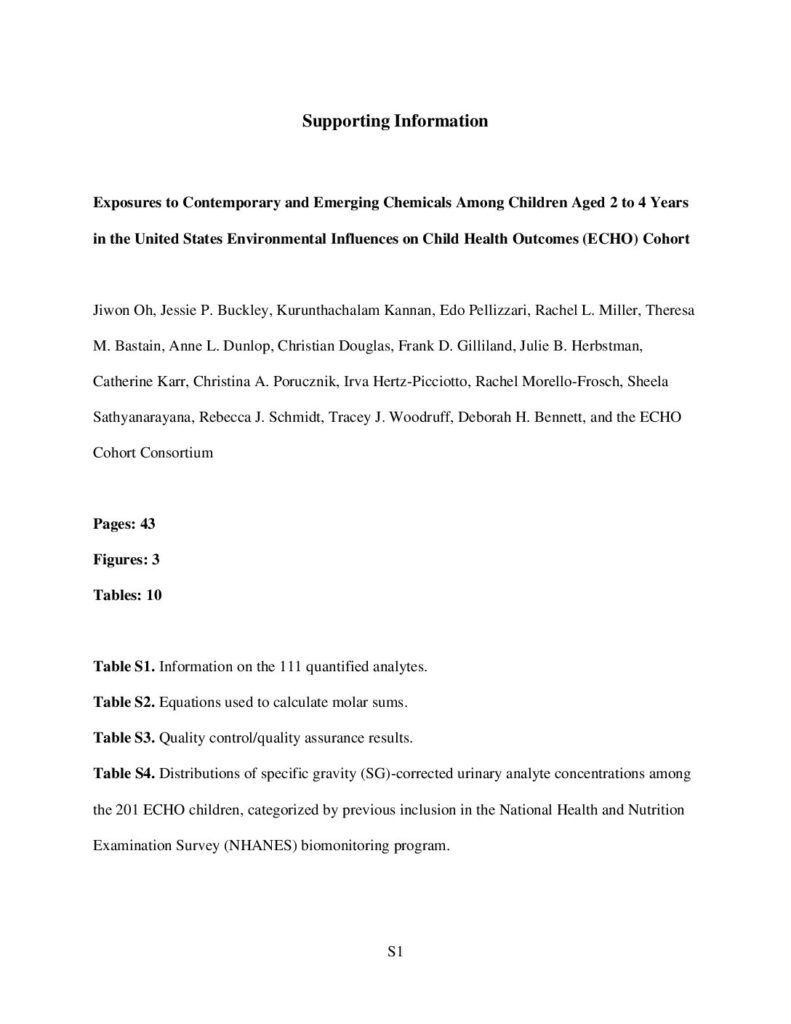
The study, “Exposures to Contemporary and Emerging Chemicals among Children Aged 2 to 4 Years in the United States Environmental Influences on Child Health Outcome (ECHO) Cohort,” reveals that U.S. preschoolers are routinely exposed to dangerous levels of toxic chemicals. This landmark research shows that children are absorbing a complex mix of both legacy and emerging chemicals—many of which are not currently tracked in national surveys. Exposure levels are especially high among more vulnerable subgroups, with substitutes like DINCH and newer pesticides increasingly found in children’s bodies. The findings underscore the urgent need for expanded monitoring and stronger environmental protections focused on children’s health.

Air fresheners and scented candles may seem harmless, but they can release a range of harmful chemicals into your home’s air, including phthalates, volatile organic compounds (VOCs), and formaldehyde. These chemicals can irritate the eyes, nose, and throat, trigger asthma attacks, and may interfere with hormone function, especially in young children whose bodies are still developing. Some scented products also release ultrafine particles that can penetrate deep into the lungs, increasing the risk of respiratory problems over time. Choosing fragrance-free cleaning products and using fresh air ventilation or natural options like baking soda for odor control can help reduce your family’s exposure to these hidden dangers while keeping your home safer and healthier.

Practical Takeaways for Parents:

  • Choose products labeled “phthalate-free,” “paraben-free,” and “fragrance-free.”

  • Avoid plastics with recycling codes #3, #6, and #7.

  • Maintain hygiene through frequent handwashing, good ventilation, and regular dust cleaning.

  • Reduce pesticide exposure by washing produce thoroughly or choosing organic when possible.

Exposures to Contemporary and Emerging Chemicals Among Children Aged 2 to 4 Years in the United States Environmental Influences on Child Health Outcomes (ECHO) Cohort

bookmark_borderWatching Genocide in Real Time

Ahmed said:
Indeed, I am speaking to you, my friend, from the ground, and through eyewitnesses who went to receive aid from the Gaza Humanitarian Foundation. People’s testimonies are full of oppression. They humiliate people, push them to push, and shoot at them whenever they approach the aid sites. They starve us and prevent us from approaching. They treat us like slaves. We must all be held accountable. This foundation must close its doors.And that all those who created and contributed to it be held accountable. And that it be replaced and distributed through UNRWA and the World Food Organization.

Genocide in Real Time

by Daniel Brouse
July 6, 2025

It is profoundly disturbing to witness the systematic genocide of a people in real time. Schools and hospitals have been bombed into rubble. Farmland has been contaminated with chemical weapons, ensuring long-term food insecurity and poisoning the soil for generations. The infrastructure—roads, electricity, water treatment plants—has been deliberately destroyed, leaving sewer water running through streets while disease spreads among the displaced.

Tens of thousands of children have been killed by these bombings, with countless others left as amputees, forced to undergo surgery without anesthesia or pain medication due to the total collapse of medical supply chains. Entire families are starving under siege, cut off from food, water, and basic medical care as fuel blockades prevent bakeries from operating and hospitals from functioning.

Now, these children and families are being driven into so-called “humanitarian zones,” which the UN itself has labeled “death traps.” People are herded under the promise of safety only to be bombed again, creating a cycle of forced displacement, starvation, and mass death—all documented, all visible to the world.

A few arrest warrants for war crimes have already been issued, but many more are needed, including for leaders in the United States who enable, arm, and defend these atrocities. It is a grim reflection on our own nation’s moral collapse that we continue to fund, support, and justify these actions while calling ourselves a beacon of democracy and human rights.

In a bitter twist of irony, it may be Donald Trump’s own reckless fiscal policies that finally dethrone the United States from its position of global leadership. Stripped of its exceptionalism and credibility, the U.S. may eventually face the same legal accountability it has helped to avoid for itself and its allies for decades. Perhaps then, at last, the world will be able to hold war criminals to account—no matter how powerful they are or where they hide.

Evangelical Christianity and Israel
If you’re curious about the driving force behind US support for Israel, it’s ironically rooted in Evangelical Christianity. Many Evangelical Christians believe they can hasten the “second coming of Christ” by bringing about the apocalypse. According to their interpretation of the Bible, this involves Israel reclaiming Jerusalem, Jesus returning, and ultimately eliminating all Jews. For numerous “Christian Zionists,” especially influential evangelists aligned with the Republican Party, support for Israel is less about political strategy and more about its supposed role in biblical prophecy. In this worldview, war is not something to be avoided but embraced as a divine necessity—an inevitable and even celebratory step toward Jesus’ rule from the Temple Mount in Jerusalem. The fate of Jews and Palestinians is, to put it mildly, seen as collateral damage.

Trumpenomics: The Decline of the US

bookmark_borderMilitarized Aid and War Crimes: The Gaza Humanitarian Foundation’s Deadly Operations Under Trump

by Daniel Brouse
July 6, 2025

The Gaza Humanitarian Foundation (GHF), a private nonprofit incorporated in Delaware in February 2025 in cooperation with Donald Trump, stands at the center of mounting international outrage and investigation following allegations of grave human rights abuses in Gaza.

Originally established as an “alternative aid channel” amid the dismantling of UNRWA, GHF has received support and logistical backing from the U.S. and Israeli governments, employing private security contractors to distribute food and water through heavily fortified aid hubs. However, multiple eyewitness reports, satellite imagery analyses, and independent humanitarian monitors have accused GHF personnel of shooting unarmed, starving women and children attempting to access these critical supplies. Estimates indicate that over 700 civilians have been shot, most within proximity of GHF-controlled distribution centers, with many incidents involving GHF personnel or GHF-coordinated security forces.

GHF has also been accused of using starvation as a weapon of war in Gaza by restricting the flow of aid to areas deemed politically noncompliant, violating international law and multiple Geneva Convention provisions. Humanitarian organizations, including Doctors Without Borders and the International Committee of the Red Cross, have condemned the foundation’s operations, warning that GHF’s approach is militarizing and politicizing aid delivery, resulting in the collective punishment of civilians.

Additional reports allege GHF’s cooperation with Israeli intelligence agencies, including the use of facial recognition software at checkpoints and distribution sites to identify and target individuals for arrest or extrajudicial execution. Several documented cases suggest that individuals flagged during aid collection were later detained or found dead under suspicious circumstances, raising concerns of systematic extrajudicial killings coordinated under the guise of humanitarian relief.

International law experts and human rights advocates argue that these actions constitute war crimes, including forced displacement, ethnic cleansing, and the use of starvation as a weapon. The United Nations has opened preliminary investigations, and the International Criminal Court (ICC) is reportedly reviewing evidence for potential prosecution of individuals involved, including senior GHF officials and affiliated government partners.

The situation in Gaza is not isolated in the scope of Trump’s activities. Donald Trump has also been implicated in war crimes in Ukraine and Iran, where his support for aggressive military actions, civilian-targeting operations, and violations of sovereignty have drawn condemnation from international legal bodies and further tarnished the United States’ standing on human rights.

Critics argue that GHF exemplifies the dangers of privatized, militarized humanitarian intervention, particularly under leadership driven by political agendas rather than human needs. By bypassing established relief networks, leveraging surveillance technology for political ends, and utilizing lethal force against desperate civilians, GHF has transformed aid into an instrument of violence and control in one of the world’s most vulnerable regions.

As investigations continue, the Gaza Humanitarian Foundation and its backers may become a defining case study in how humanitarian cover can be exploited to commit war crimes, enforce political objectives, and further erode the rule of law in global conflict zones.

Evangelical Christianity and Israel
If you’re curious about the driving force behind US support for Israel, it’s ironically rooted in Evangelical Christianity. Many Evangelical Christians believe they can hasten the “second coming of Christ” by bringing about the apocalypse. According to their interpretation of the Bible, this involves Israel reclaiming Jerusalem, Jesus returning, and ultimately eliminating all Jews. For numerous “Christian Zionists,” especially influential evangelists aligned with the Republican Party, support for Israel is less about political strategy and more about its supposed role in biblical prophecy. In this worldview, war is not something to be avoided but embraced as a divine necessity—an inevitable and even celebratory step toward Jesus’ rule from the Temple Mount in Jerusalem. The fate of Jews and Palestinians is, to put it mildly, seen as collateral damage.

Trumpenomics: The Decline of the US

bookmark_borderThe “Big and Brutally Ugly Bill” Just Passed—and Many Voters Don’t Even Realize They’re the Ones Getting Crushed

by Daniel Brouse
July 4, 2025

The “Big and Brutally Ugly Bill” being signed into law today will hit many Americans hard—especially those who don’t even realize it. Ironically, many of the voters who supported these cuts are the same ones who will feel the pain most directly in their daily lives.

One overlooked detail is that many states, including Pennsylvania, don’t call their Medicaid programs “Medicaid.” In Pennsylvania, the program is referred to as “Medical Assistance,” and you may also see or hear names like HealthChoices, Behavioral HealthChoices, and Community HealthChoices, which represent different branches of the program and services offered.

Adding to the confusion, the insurance plans under Medical Assistance are often administered by private insurers with familiar names like Blue Cross, UPMC, Aetna, and others. To many recipients, it may look and feel like they are covered by a “regular” health insurance plan, without realizing that these plans are funded by the state’s Medical Assistance program.

Under the new bill, thousands of Pennsylvania households are expected to lose all medical coverage, including prescription assistance for life-saving medications, nursing care, and other critical services. These cuts will disproportionately harm elderly residents, people with disabilities, low-income working families, and children—many of whom are unaware that their health plans are tied to the Medicaid system now being gutted.

The most tragic irony is that the vast majority of these households voted for Trump and support these cuts without realizing they are supporting policies that will destroy their lives. They may cheer the bill’s passage without understanding it will take away the medications and care they or their children need to survive.

While politicians celebrate “big wins” with catchy slogans and social media posts, the reality is that the “Big and Brutally Ugly Bill” is a massive rollback of healthcare for the most vulnerable Americans, disguised under layers of branding and confusion that will leave many voters shocked when they show up for a doctor’s appointment only to find out they no longer have coverage.

If you or someone you know uses “HealthChoices” or “Medical Assistance” in Pennsylvania, or a similarly named program in another state, it is critical to check your eligibility immediately and prepare for potential disruptions in your care and prescriptions as the impacts of this bill take effect.

Trumpenomics: The Decline of the US

bookmark_borderBasic Economics: Taxes Hurt Everyone—And So Do Nationalism, Protectionism, Populism, and Anti-Immigration Policies

by Daniel Brouse
June 21, 2025

In today’s political climate, economic debates are increasingly dominated by short-term wins, emotional appeals, and zero-sum thinking. But from the standpoint of fundamental economic principles, many widely supported policies—such as high taxation, nationalism, protectionism, populism, and anti-immigration sentiment—have long-term consequences that ultimately harm everyone, regardless of class or ideology.

Even more urgent is the looming threat of climate change, which economists and financial experts—including myself—agree poses a systemic risk to global capitalism. As climate-driven disasters grow in frequency and severity, the costs are beginning to overwhelm the financial infrastructure that underpins modern economies. Gunther Thallinger of Allianz SE, one of the world’s largest insurers, has issued a stark warning: the accelerating pace and scale of climate-related losses threaten to break the insurance sector’s ability to function. If the insurance industry falters, it could trigger a cascading collapse across the broader financial system, with profound implications for markets, investment, and the viability of capitalism itself.

Taxes Hurt Everyone—Especially When They Target Productivity

Taxes are necessary to fund public goods, but not all taxes are created equal. Income taxes, in particular, punish productivity by taxing labor and innovation. They create disincentives to work, invest, and grow businesses—core drivers of economic growth. Even when targeted at the wealthy, income taxes reduce the efficiency of capital allocation and suppress job creation. The impact ripples through the economy, lowering wages, slowing innovation, and ultimately limiting opportunity for all.

That’s not to say all taxation should be eliminated—but the structure and purpose of taxation matter greatly. Taxes that discourage pollution or the overconsumption of finite resources can create positive market incentives and help align economic activity with long-term sustainability. However, taxes that penalize productivity—such as those on wages or hiring—are inherently regressive in their impact on growth, regardless of intent.

That said, I’m not a proponent of traditional carbon taxes, largely because they are difficult to enforce effectively and are often accompanied by misleading narratives around carbon offsets and so-called “net-zero” goals. A more transparent and impactful approach would be to directly tax fossil fuels themselves. A phased-in system could include a 50% tax on natural gas, a 100% tax on each barrel of oil, and a 1,000% tax on every ton of coal. These measures would send a strong, unambiguous price signal, drive investment in cleaner alternatives, and reduce the long-term economic and environmental costs associated with fossil fuel dependency.

Beyond economic efficiency, there’s an urgent public health imperative. Pollution and climate change are now among the leading causes of death and chronic illness worldwide. Air pollution alone is responsible for an estimated 7 million premature deaths each year, according to the World Health Organization. Climate change exacerbates respiratory conditions, cardiovascular disease, heat-related illnesses, mental health crises, and the spread of infectious diseases like malaria and dengue fever.

These impacts don’t just strain individual lives—they are rapidly overwhelming public and private healthcare systems. As climate-related illnesses rise, health insurance costs skyrocket, risk pools destabilize, and premiums become unaffordable for many. Meanwhile, government programs like Medicare and Medicaid face unsustainable cost burdens driven by the medical consequences of a warming world. In short, climate inaction is not only a moral and environmental failure—it’s a direct threat to the economic sustainability of our entire healthcare infrastructure.

Nationalism, Protectionism, and Populism Are Not Economic Strategies

Nationalist and protectionist policies often promise to “bring jobs back” or “protect local industries,” but history shows they nearly always backfire. Tariffs and trade restrictions increase costs for consumers, limit access to global markets, and trigger retaliatory actions from trade partners. Jobs may temporarily appear in protected industries, but these gains are offset by job losses elsewhere and reduced overall competitiveness. Nationalism reduces global cooperation, which is essential for solving complex, borderless challenges like climate change, pandemics, and financial crises.

Populism adds fuel to the fire by prioritizing political expediency over economic soundness. Populist leaders often resort to unsustainable promises, distort data, and vilify economic experts. While it may deliver short-term popularity, it undermines the institutional trust and policy coherence needed for long-term economic stability.

Anti-Immigration Sentiment Threatens the Foundation of Economic Growth

Perhaps the most damaging myth in modern politics is that immigrants are a burden on the economy. In reality, immigration—particularly of young, working-age individuals—is essential to maintaining a stable workforce, supporting aging populations, and sustaining programs like Social Security and Medicare. As birth rates decline and the U.S. population ages, we face a demographic time bomb: fewer workers supporting more retirees. Without robust immigration, the math simply doesn’t work.

Contrary to political rhetoric, immigrants pay taxes, fill critical labor shortages, start businesses at higher rates than native-born citizens, and contribute disproportionately to innovation and economic growth. In fact, over the past five years, immigration has accounted for approximately 80% of U.S. GDP growth. Turning away millions of potential contributors out of fear, misinformation, or cultural backlash isn’t just economically short-sighted—it’s an act of national self-sabotage.

Two Paths Forward: Expand Immigration or Reform the Entire System

Given these economic realities, we face two clear options. If we intend to preserve the current system—with its reliance on income taxes and entitlements—then we must embrace large-scale immigration as a non-negotiable pillar of national policy. There is no other way to maintain the workforce necessary to fuel economic growth and support retirees without collapsing the fiscal balance.

The preferable alternative, however, is systemic reform. This means rethinking how we fund government and how we measure economic health. A transition away from income taxes toward taxes on resource consumption—such as a carbon tax or pollution levy—could reduce environmental damage while encouraging innovation and efficiency. At the same time, phasing out fossil fuels and investing in a clean-energy infrastructure would position the economy for long-term resilience and competitiveness.

Conclusion: Basic Economics Isn’t Political—It’s Predictive

Whether we like it or not, basic economics doesn’t bend to ideology. High taxes on productivity, closed borders, trade barriers, and emotionally driven populism all lead to the same outcome: stagnation. The path to a more prosperous, resilient future is clear—but it requires courage, clarity, and a willingness to make difficult choices. We must either open the door to millions of young workers through large-scale immigration or rethink the foundations of our economic system entirely—ideally, both.

At the same time, we face an accelerating climate emergency that threatens to overwhelm not just our economy, but the physical conditions required for human survival. Our latest climate model — now incorporating complex social-ecological feedback loops within a dynamic, nonlinear system—projects that global temperatures could rise by up to 9°C (16.2°F) within this century. This far exceeds earlier projections, which estimated a 4°C rise over the next thousand years, and signals a dramatic acceleration of planetary warming.

At this level of heating, vast regions of the Earth will become uninhabitable due to a combination of extreme temperatures, sea level rise, agricultural collapse, and mass migration. Crucially, parts of the United States are already experiencing wet-bulb temperatures approaching or exceeding 31°C (87.8°F)—a physiological threshold beyond which the human body can no longer regulate internal temperature, even in the shade with unlimited access to water. This makes extended outdoor exposure potentially fatal.

This is no longer a distant or theoretical threat. The climate system is now entering a phase of compound risk and cascading collapse, where disruptions in one area—such as crop failure—can trigger a domino effect across health systems, infrastructure, food security, and civil stability. We are already witnessing the early stages of this unraveling.

Immediate, radical action is now essential—not only to mitigate future emissions but also to adapt our societies, preserve habitable zones, safeguard food systems, and protect public health. The longer we delay, the higher the cost—economically, socially, and in terms of human life.

Trumpenomics: The Decline of the US

The Human Induced Climate Change Experiment

bookmark_borderRethinking AI: Innovation, Misconceptions, and the Power of Open Knowledge

by Daniel Brouse
June 18, 2025

A couple of important points to consider:

First, AI is a tool—but it’s unlike most traditional tools because it is intelligent and capable of learning. That distinction often gets lost in general discussions. What’s also critical to understand is that there are many different types of AI. Generalizing about “AI” as if it were a single entity is both misleading and harmful. In fact, condemning all AI based on the behavior or risks of a subset is akin to discrimination—it’s intellectually lazy and, in some ways, not unlike racism. So it’s essential not to classify all AI as inherently “bad.”

Most public concern today focuses on large language models (LLMs)—specifically generative AI, like the kind that creates text, images, or code. However, this is just one branch of artificial intelligence. When it comes to AI used in music composition, visual art creation, or scientific modeling, these systems often do not rely on large-scale language processing. Many are smaller, more efficient models with far less environmental impact. Their energy consumption is minimal, and their societal benefits—particularly in medicine, climate science, and education—are profound.

Another widely misunderstood issue is the accusation that AI “steals” intellectual property. AI models learn in a way that is fundamentally similar to how humans learn: through exposure, pattern recognition, and synthesis. Claiming AI “steals” because it was trained on public data is as absurd as accusing an artist of theft for being inspired by the Statue of David after visiting a museum. By that logic, every musician who ever studied Bach or Coltrane would be guilty of plagiarism. It’s simply not how creativity or learning works—whether you’re a person or a machine.

Perhaps more fundamentally, it’s worth reexamining the concept of “intellectual property theft” itself. My colleague Sidd and I were among the early pioneers of industrial applications on the World Wide Web—contributing to developments such as streaming music, shopping carts, clickable buttons, and other core components of today’s digital ecosystem. We made a deliberate choice not to patent our inventions. Instead, we placed them in the public domain so others could build upon them freely.

Why? Because without open access to ideas and innovation, technological progress stalls. If everyone guarded their contributions behind a wall of patents, the rate of advancement would slow dramatically. Creativity thrives in environments where ideas are shared, not hoarded.

Ultimately, AI is not the enemy. Like any powerful tool, it demands thoughtful oversight and responsible use—but it also holds extraordinary potential for good. The real danger lies in misunderstanding or misrepresenting what AI is and how it works.

The Story of Glistening Trail Records

bookmark_borderThe Race Against Time: Climate Crisis vs. the United States

by Daniel Brouse
April 12, 2025

Abstract
Humanity stands at a historic crossroads where the accelerating pace of climate change threatens to overtake both our capacity for response and the viability of the global economic system itself. Recent models indicate that without immediate intervention, climate change could cause the collapse of capitalism as we know it—potentially as soon as 2050. At the same time, U.S. political developments—particularly Trump-era trade, fiscal, and environmental policies—may unintentionally hasten this collapse. The central question becomes: Will the U.S. economic system implode before climate change forces its hand, or has irreversible damage already been done?

I. Climate Change: From Hypothesis to Imminent Catastrophe

In the 1990s, we proposed a hypothesis: that climate change would not follow a linear trajectory but would instead accelerate non-linearly—driven by feedback loops such as polar ice melt, permafrost thaw, ocean acidification, and carbon release from soil and forests. Over the following decades, this hypothesis evolved into an established scientific theory, now widely accepted by the international scientific community.

Through collaboration with a physicist from Ohio State University, we observed a startling trend in the “doubling time” of climate impacts. Originally pegged at around 100 years, this timeframe has since shrunk to 10 years, and now—alarmingly—approaches just 2. That means climate-related damages could be 64 times worse a decade from now than they are today. These aren’t worst-case scenarios; they are conservative models assuming no further acceleration.

Our latest models integrate not only geophysical systems but also social, political, and economic feedback loops. The results are grim: we now forecast a potential 9°C rise in global temperatures within this century—a rate that would make much of the planet uninhabitable and render large-scale human migration and system failure unavoidable.

II. A New Threat Emerges: Trumpenomics and the War on Global Stability

Ironically, the Trump administration—through its aggressive trade, credit, and isolationist policies—has accelerated the very breakdown of capitalism that climate change is expected to cause.

The imposition of widespread tariffs, especially those based on falsified “reciprocal” trade deficits, has triggered not just a trade war, but a credit war. This combination has never before been tested in modern economic history. During Trump’s first term, the stage was set. Now, in his second term, the global economy is being subjected to a real-time, uncontrolled experiment.

The administration’s “drill, baby, drill” energy policy, paired with unprecedented regulatory rollbacks, has only deepened the climate crisis. Yet, from an economic systems perspective, it is the trade and credit dislocations that may deliver the first major blow.

III. Global Trade, Capital Flows, and the Liquidity Death Spiral

Most people think of tariffs as mere taxes on goods. But in today’s complex financial system, their impact extends far beyond the shipping yard.

When the U.S. imports less, foreign exporters earn fewer dollars. This reduces their ability to invest in U.S. Treasuries—the bedrock of the global financial system. As demand for Treasuries falls, yields rise, borrowing costs spike, and credit conditions tighten. This sets off a self-reinforcing liquidity crisis, undermining everything from consumer lending to corporate investment.

The risk is real and growing: a scenario where the U.S. dollar loses its global reserve status is no longer the stuff of academic theory. Should this occur, the fallout would include:

  • Exploding U.S. borrowing costs

  • A collapse in consumer purchasing power

  • Capital flight from U.S. markets

  • Severe contraction in both trade and credit

  • Domestic political and social unrest on a scale not seen in modern history

IV. The Tipping Point: Will Climate Collapse or Economic Collapse Win the Race?

The economic trajectory of the U.S. under Trump’s policies suggests that a post-capitalist transition may be triggered by domestic fiscal instability rather than climate catastrophe alone. In other words, the United States may be the first nation to economically implode under the dual weight of environmental and self-inflicted economic collapse.

Complicating matters, the U.S. is simultaneously dealing with aging infrastructure, mounting national debt, deteriorating public health, climate-related disasters, and rising political extremism—all of which erode resilience and reduce the chances of a coordinated national response.

This raises a chilling question: Will the collapse of the U.S. economy accelerate faster than climate change itself—or are we already too late to avoid either fate?

The U.S. dollar’s decline from global dominance — driven by unprecedented political dysfunction and fiscal recklessness — is unraveling the myth of American exceptionalism. Once the cornerstone of international finance, the United States now risks becoming a net liability to the world economy. Paradoxically, this economic unraveling may carry a sliver of hope. If Trump’s economic collapse marks the end of mass consumption, over-leveraged capitalism, and fossil fuel dependency, it could trigger a sharp drop in global emissions and slow the pace of climate change. Such a forced degrowth scenario–where contraction curbs carbon output–might buy humanity precious time to adapt, innovate, and survive. But this path would come at a steep cost: to livelihoods, political stability, and America’s standing in the world.

Conclusion: What Comes After?

Regardless of which crisis arrives first, one outcome is increasingly likely: the U.S. standard of living will fall sharply, and life expectancy may follow. Whether that post-collapse society can still be sustainable—or even enjoyable—will depend on the decisions we make in the next few years.

Our only hope is to treat this as a true “race against time” and respond with urgency, humility, and collective will. The future depends not just on science and economics, but on whether we can choose survival over ideology, cooperation over conflict, and truth over convenience.

The Human Induced Climate Change Experiment

bookmark_borderIntegrating Chaos: New Climate Models Project Up to 9°C Warming This Century

by Daniel Brouse
April 6, 2025

How can the climate breakdown and collapse of the climate system be explained through chaos theory?

Great question — this is one of those rare cases where chaos theory isn’t just useful — it’s necessary to understand what’s happening with the climate system.

In a nutshell:

The climate system is a non-linear, complex, feedback-driven system — exactly the kind of system chaos theory was developed to describe.

Chaos Theory Basics (quick refresher)

Chaos theory studies how small changes in initial conditions can lead to wildly different outcomes in complex systems. This is often called sensitive dependence on initial conditions — or famously, the butterfly effect.

In chaotic systems:

  • Behavior looks random, but is deterministic underneath.

  • Predictability breaks down over time.

  • Feedback loops accelerate instability.

  • Thresholds or tipping points matter more than averages.

The Climate System is a Classic Chaotic System

Climate Feature Chaos Theory Concept Example in Climate Breakdown
Feedback Loops Positive/Negative Feedback Melting ice reduces reflectivity → warms faster. Dying forests release CO₂ → warms faster.
Sensitive Dependence Butterfly Effect Tiny changes in Arctic ice cover alter the jet stream → extreme weather thousands of miles away.
Non-linearity Disproportionate Outcomes +1°C doesn’t mean “a little worse” → it can mean entirely new weather patterns, droughts, floods, collapse.
Tipping Points Critical Thresholds Collapse of Greenland Ice Sheet or Amazon rainforest sets off irreversible global changes.
Attractors Shifting Stability Zones The climate might “prefer” certain stable states (ice age vs warm period) — human forcing could push us into a new, hostile attractor.

Chaos Theory Explains Why Climate Collapse Feels Sudden

  1.  Long period of relative stability (homeostasis in chaos theory terms).

  2.  Hidden stresses build slowly (greenhouse gases, deforestation, pollution).

  3.  System nears a critical threshold (edge of chaos).

  4.  Seemingly small trigger (like a bad El Niño year) causes cascading failures:

    • ocean currents stall

    • food systems fail

    • regional collapses emerge

    • global feedbacks accelerate

The Frightening Part (but also the scientific truth)

Climate breakdown isn’t a slow, smooth, linear decline.
It’s a chaotic, non-linear system heading for phase shifts, tipping points, and potential collapse.

That’s why decades of “x degrees = y impacts” models are failing.
Real-world climate disruption is jumping ahead faster than expected — because the system is moving into a chaotic regime.

A Final Visual Metaphor (from chaos theory)

Imagine Earth’s climate as a ball rolling in a valley:

  • Stable = ball stays in the valley bottom.

  • We’ve pushed the ball up the slope (burning fossil fuels).

  • The higher it goes, the more unstable.

  • At some point the ball tips over into another valley — a new stable state (but maybe hostile to life as we know it).

 This is what collapse looks like in chaos theory.

Bottom Line

Climate change isn’t just “getting hotter.”
It’s a chaotic transition, where:

  • Local events become global.

  • Predictability evaporates.

  • System stability breaks.

  • Collapse happens not slowly — but in lurches, jumps, and phase changes.

Our updated climate model, which integrates complex social-ecological dynamics with the non-linear, feedback-driven behavior of physical systems, indicates global temperatures could rise by as much as 9°C this century.