bookmark_borderClimate Change Superfund Act

by Daniel Brouse

New York State has enacted the Climate Change Superfund Act, a pioneering law that mandates large fossil fuel companies to contribute financially toward mitigating climate change impacts. Signed by Governor Kathy Hochul, this legislation requires major oil, gas, and coal companies to pay a total of $75 billion over 25 years, equating to $3 billion annually.

Key Provisions of the Law:

  • Financial Contributions: The law targets companies responsible for significant greenhouse gas emissions between 2000 and 2018, compelling them to fund climate adaptation and infrastructure projects across New York State.
  • Allocation of Funds: The collected funds will be utilized for projects aimed at enhancing the state’s resilience to climate-related challenges, such as flooding and extreme heat. This includes investments in transportation, water and sewage systems, and building infrastructure.
  • Implementation Timeline: Payments are scheduled to commence in 2028, with the state developing regulations to identify liable parties and assess fines in the interim.

Context and Implications:

This legislation positions New York as the second state, following Vermont, to hold fossil fuel companies financially accountable for their contributions to climate change. The law is inspired by existing superfund laws that require polluters to finance the cleanup of environmental hazards.

Proponents, including State Senator Liz Krueger, emphasize that this approach shifts the financial burden of climate adaptation from taxpayers to the corporations most responsible for environmental damage. However, industry representatives, such as the American Petroleum Institute, have criticized the legislation as punitive, and legal challenges are anticipated, with claims that the law may conflict with federal regulations.

As the state moves forward with implementing this law, it will establish specific regulations to identify responsible parties and determine the exact financial obligations of each company. The effectiveness of this legislation in addressing climate change impacts and its influence on similar initiatives in other jurisdictions will be closely monitored.

Climate Change Laws and Litigation

The Human Induced Climate Change Experiment

bookmark_borderHeaven, the Soul, and the Meaning of Life

by Daniel Brouse

The questions “How do I get to go to heaven?” and “What is a soul?” have intrigued humans for millennia. These concepts touch on the deepest aspects of human existence, offering not only spiritual and philosophical contemplation but also a search for purpose in the cosmos. Our understanding of these concepts has evolved over time, shaped by religious beliefs, scientific discovery, and our exploration of the universe.

Humans have been on Earth for about 200,000 years, with our closest evolutionary relatives dating back around 140,000 years. The earliest recordings of human history date to roughly 100,000 years ago, with the story of The Seven Sisters of The Pleiades being one of the first known narratives. This group of stars in the Taurus constellation has been part of various cultures’ mythology, and though there are six stars visible to the naked eye, the seventh has not been visible for over 100,000 years. This symbolizes humanity’s evolving understanding of the cosmos and our place within it.

Throughout history, humans have developed belief systems to explain the world around them—beliefs that often stem from our perception of the unknown. These ideas have manifested in religion, astrology, and other metaphysical systems. Unfortunately, some of these beliefs have led humanity down paths of ignorance, arrogance, and intolerance, as we veered away from scientific discovery. By focusing on metaphysical worlds, we have often squandered the opportunity to understand our true nature, the universe, and the critical importance of our interconnected existence.

Heaven: A Birth on Earth

The concept of heaven, when examined closely, seems less about an afterlife and more about the potential for creating a “heaven on Earth.” Across various religious traditions, heaven is often depicted as a paradise—a place of ultimate peace, fulfillment, and divine presence. However, this idea can be interpreted as a goal for humanity to strive toward during our lives, not just a distant, unattainable state after death.

To “get to heaven,” then, might not require some grand external journey or the fulfillment of certain religious doctrines. Instead, it might be more about how we live on Earth—creating a world that reflects the values of peace, cooperation, and harmony that we associate with heaven. Heaven, in this sense, can be seen as a state of being that we build through our actions, both for ourselves and for future generations.

The Soul: Your DNA and Continuity

The soul is often thought of as an immaterial essence that defines who we are, but a more scientific interpretation can be found in the physical structure of our being. Our soul, in this view, is our DNA. DNA contains the genetic blueprint that passes down traits from one generation to the next, linking us not only to our parents but to all of humanity and life on Earth.

Your soul, then, is not a metaphysical entity that exists outside of your body. Rather, it is the very code that makes up who you are—a code that carries with it the imprints of your evolutionary past. It is the continuity of life, passed down through time, ensuring the survival and progress of your species. Each of us is, in a sense, a living continuation of our ancestors, carrying forward the legacies and experiences encoded within our DNA.

The idea of the soul as DNA helps to anchor this concept in scientific reality. It places our spiritual essence not in some supernatural realm but within the biological processes that sustain life. Our soul’s journey is intricately tied to the survival and evolution of the human species and, by extension, to the health of the entire planet.

The Meaning of Life: Ensuring the Continuity of DNA

The meaning of life, then, can be seen as the pursuit of ensuring that your soul—your DNA—continues to live on through eternity. This is achieved through reproduction, passing your genetic material to future generations, and contributing to the ongoing evolution of humanity. However, this is not a solitary endeavor; for the human species to survive and thrive, other species must also continue to exist in a balanced and sustainable ecosystem.

For life to continue, the survival of biodiversity is essential. Our existence is intertwined with the survival of countless other species, from microorganisms to large mammals. All life must evolve together to ensure the continuation of the genetic code that sustains us. Humanity’s well-being is inextricably linked to the health of the Earth’s ecosystems, making the protection of biodiversity a vital part of ensuring the survival of our DNA—and, by extension, the survival of our souls.

Climate Change and Biodiversity: Existential Threats to Life and Heaven

In light of this, issues like climate change and the loss of biodiversity are not just environmental concerns; they are existential threats to our souls and the possibility of creating a heaven on Earth. Climate change, driven by human activity, is disrupting ecosystems, threatening species with extinction, and causing irreversible damage to the planet’s ability to support life. The loss of biodiversity only accelerates these effects, creating a feedback loop that endangers the survival of humanity itself.

If we are to protect our future and the legacy of our DNA, we must take action to address these threats. It is not enough to rely on metaphysical beliefs or wait for some divine intervention. The survival of our species and the continuity of life depend on our collective ability to change course, reduce our environmental impact, and ensure that future generations inherit a planet capable of sustaining them.

Conclusion

Often when people refer to the soul, it falls within the realm of subjective or consensus reality. In that context, your soul is “real” in the sense that it is shaped by feelings, emotions, and beliefs, whether true or false. However, this doesn’t make it objectively true. In contrast, existential reality and scientific reality are grounded in facts and verifiable information. Your DNA contains genetic material from hundreds or thousands of your ancestors, extending back tens of thousands of years. This is scientifically verifiable information, representing a biological record of your ancestral lineage, which can be thought of as a form of “reincarnation” through genetics.

Heaven, the soul, and the meaning of life are not abstract, distant concepts. They are deeply connected to the physical world and the actions we take to protect it. The soul is our DNA, and the meaning of life is to ensure its continuation through both reproduction and the preservation of the ecosystems upon which all life depends. Climate change and the loss of biodiversity represent direct threats to these fundamental goals, making them existential concerns for humanity’s future.

To create a heaven on Earth, we must embrace the responsibility of caring for the planet, ensuring the survival of all species, and making the changes necessary to reverse the damage we have caused. Only by doing so can we ensure that our souls—our DNA—continue to thrive for generations to come, in a world that reflects the values of peace, sustainability, and harmony.

The Importance of Embracing Science Over Astrology, Religion, and False Beliefs

What is Real?

bookmark_borderHow Risk Management Turns to Crisis Management

by Daniel Brouse
December 23, 2024

I have spent my life in the study and implementation of risk management. I obtained degrees with honors and academic accolades in economics, philosophy, and logic, including becoming the youngest subscriber to the Federal Reserve’s “Beige Book,” the country’s youngest university-level statistics tutor, and an inductee into both the Pi Gamma Mu and Phi Sigma Tau honor societies. This foundation was followed by 40 years of research, development, and real-world experience in risk management.

By the 1990s, it had become clear that the greatest risk to humans is, indeed, humans. First, climate change climbed from a substantial risk to an impending crisis. By the 2000s, the aging population emerged as the leading risk to short-term economic sustainability. Today, these two risks—human-induced climate change and an aging population—have combined and evolved into an existential crisis.

This is not to say that we should give up hope or abandon ship. Quite the contrary. Acknowledging the gravity of our circumstances makes it essential to invoke a robust and effective crisis management plan. What follows is an exploration of these intertwined crises and the paths forward to mitigate them.


The Rise of Human-Induced Climate Change

Climate change represents is the most profound example of a long-ignored risk evolving into a crisis. For decades, scientists and policymakers issued warnings about rising global temperatures, extreme weather events, and the cascading effects of environmental degradation. Despite this, global emissions and deforestation rates surged, driven by short-term economic priorities and political inertia.

The impacts are now undeniable. Wildfires, hurricanes, droughts, and floods have intensified, costing lives and overwhelming economies. Infrastructure built for past climates struggles to withstand today’s conditions, let alone those of the future. Furthermore, climate change disproportionately affects vulnerable populations, exacerbating global inequities and threatening social stability.

Complex feedback loops in climate science refer to interactions between different components of the Earth’s climate system that can amplify or dampen the effects of initial changes, leading to non-linear and often unpredictable outcomes. These feedback loops play a crucial role in shaping the behavior of the climate system and can influence various climate phenomena, including temperature changes, ice melt, and precipitation patterns. Tipping points are Critical Milestones that directly impact the rate of acceleration in climate change by multiplying the number and intensity of feedback loops. Identifying and understanding these tipping points is crucial for climate science and policymaking. Crossing multiple tipping points has led to the domino effect, resulting in much more rapid and severe climate change than previously projected.

Addressing this crisis requires immediate and coordinated action:

  • Transitioning to renewable energy: Fossil fuels must be phased out in favor of sustainable alternatives.
  • Implementing adaptive infrastructure: Cities and communities need to be redesigned to withstand the challenges of a changing climate.
  • Global cooperation: International agreements like the Paris Accord must be strengthened and enforced to meet ambitious targets.
  • Reducing pollution and greenhouse gases: Fossil fuel pollution is the leading cause of death worldwide and the greatest contributor to the climate crisis. Mitigating this requires aggressive policies to limit emissions and promote cleaner technologies.


The Economic Risks of an Aging Population

Parallel to the climate crisis is the demographic challenge of aging populations, particularly in developed nations. By the 2000s, it became clear that declining birth rates and increasing life expectancy were reshaping economic landscapes. Pension systems, healthcare infrastructure, and labor markets are all under strain.

Economic growth slows as the working-age population shrinks relative to retirees. Healthcare costs soar, and governments face mounting fiscal pressures. Wealth disparities exacerbate these challenges, as those without adequate savings face severe hardship in retirement.

Key strategies to address this demographic shift include:

  • Reforming healthcare and pensions: Systems must be made more efficient and sustainable.
  • Encouraging workforce participation: Policies that enable older adults to remain in the workforce longer can help ease economic pressures.
  • Investing in education and technology: Automation and productivity-enhancing technologies can offset labor shortages.
  • Demographic Solutions: Encouraging higher birth rates or increasing immigration can help stabilize the worker-to-retiree ratio. Mass immigration is likely the only viable solution for addressing both short-term and long-term challenges.

Bridging the Crises: An Integrated Approach

The climate and demographic crises are interconnected. Climate change disproportionately affects the elderly, who are more vulnerable to heatwaves, natural disasters, and health impacts. Simultaneously, the economic strain of aging populations limits resources available for climate mitigation and adaptation.

Addressing these crises requires an integrated approach that considers both environmental and economic sustainability. Policymakers, businesses, and individuals must work together to:

  • Redesign tax systems: Taxes should incentivize sustainable practices and ensure equitable contributions from all sectors.  Ideally, taxation should focus primarily on fossil fuel combustion. Pollution from fossil fuels is the leading cause of death globally. While the cost of human life is immeasurable, the associated increase in healthcare expenses places a significant burden on the economy. Additionally, the societal costs of climate change — driven largely by fossil fuel combustion — likely represent an even greater economic and environmental challenge. Redirecting taxation in this way could incentivize cleaner energy alternatives while addressing these critical issues. A 100% tax on a barrel of oil and a 1,000% tax on a ton of coal could significantly reduce wealth inequality while simultaneously fostering a sustainable economy.
  • Reduce wealth disparities: Closing the wealth gap can enhance resilience and provide resources for climate action. Taxing fossil fuel combustion could be the single largest factor in creating a more equitable future.
  • Embrace innovation: Technologies that address both climate and economic challenges must be prioritized.

Conclusion: From Crisis to Opportunity

Acknowledging the dual crises of climate change and an aging population is not a sign of defeat but a call to action. Humanity has faced existential threats before and emerged stronger through innovation, cooperation, and resilience. By transitioning from risk management to effective crisis management, we can not only mitigate these challenges but also build a more sustainable and equitable future.

What follows are detailed papers on the sustainability of our environment and economy, including energy, taxation, debt, healthcare, and wealth disparity. These explorations aim to provide actionable insights and solutions to navigate this critical juncture in human history.

The Human Induced Climate Change Experiment

Climate Change and Insurance: Costs, Availability, and Sustainability

Balancing the Books: How Public-Private Healthcare Models Can Sustain Economic Growth

Taxation in a Changing World: Challenges, Inefficiencies, and Paths to Sustainability

Wealth Taxes Are Illogical

Economic Outlook 2025 – 2035

bookmark_borderWhy Are Rates Rising While the Federal Reserve is Cutting?

by Daniel Brouse
December 21, 2024

At first glance, it seems counterintuitive: the Federal Reserve is cutting interest rates, yet most other interest rates, particularly long-term ones, are rising. To understand this phenomenon, we need to examine the interplay of economic forces shaping the financial landscape.

A Strong Economy Fuels Rising Rates

The current U.S. economy remains robust, marked by strong employment numbers and resilient consumer spending. Wage inflation is another contributing factor, as tight labor markets push wages higher. These dynamics create upward pressure on long-term interest rates because lenders demand higher returns to compensate for the inflationary environment. Investors anticipate continued economic growth, which increases the demand for credit and drives up yields on longer-term bonds.

Long-Term Rates Reflect Uncertainty and Risk

The Federal Reserve’s interest rate cuts primarily influence short-term borrowing costs. However, long-term rates are determined by broader market forces, including expectations about inflation, fiscal policy, and economic stability. With a bleak outlook for fiscal responsibility under the next administration, markets are pricing in higher risks, leading to a rise in long-term interest rates. Concerns about rising deficits and government spending exacerbate this trend, as they fuel fears of inflation and creditworthiness.

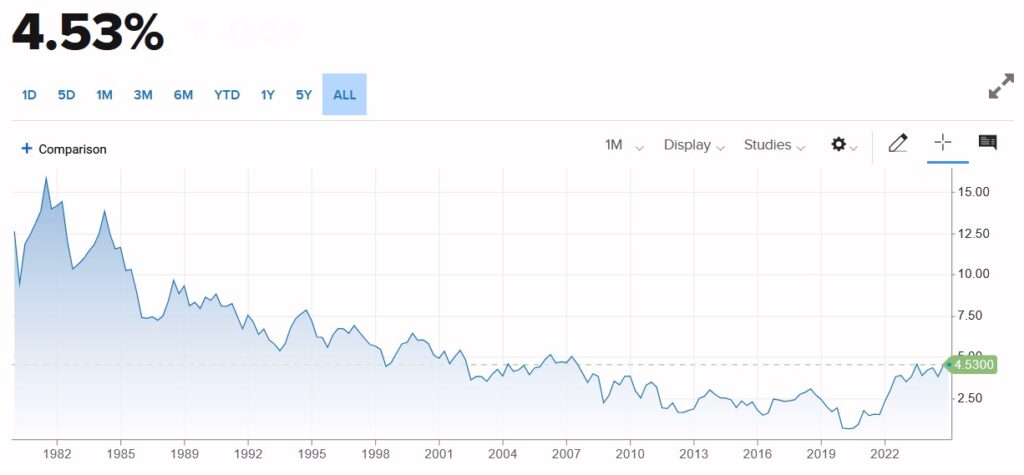
The Highest Rates Since 2007

This dynamic has pushed long-term interest rates, such as those on 10-year Treasury bonds, back to levels not seen since 2007. This rise signals a return to pre-financial-crisis conditions where borrowing costs were higher, reflecting a stronger economy but also heightened financial risks. Higher long-term rates affect mortgages, corporate loans, and consumer credit, making borrowing more expensive across the board.

A Complex Outlook

While the Federal Reserve is attempting to manage short-term economic stability through rate cuts, its actions are counterbalanced by market forces driving long-term rates upward. The disconnect highlights the complexity of today’s financial environment, where strong economic fundamentals coexist with uncertainty about the future.

The key takeaway? Rising long-term rates amidst Fed rate cuts reflect a confluence of economic strength, wage-driven inflation, and fiscal uncertainty. For businesses and consumers, this underscores the importance of cautious financial planning in a period of mixed signals and evolving risks.

10-Year Treasury Yield (2024)

Debunking Economic Myths: Misleading Narratives and the Path to Real Progress

Business and the Economy

bookmark_borderAnthony Fauci: A Case Study in Public-Private Healthcare

by Daniel Brouse
December 19, 2024

The United States arguably has one of the most advanced healthcare systems in the world, a feat achieved despite having one of the least healthy populations globally. The true challenge in improving health, economic stability, and overall well-being in the U.S. lies in individual lifestyle choices and personal responsibility. Many Americans remain undereducated about critical topics such as health, wellness, and financial management. Compounding these challenges are unhealthy habits, such as reliance on fossil fuels, consumption of processed foods, and insufficient physical activity.

Despite these obstacles, the U.S. healthcare system—a unique public-private partnership—continues to stand out. While some advocate for universal healthcare modeled after other nations, many of those systems are struggling under economic pressures. For instance, France has faced years of civil unrest driven partly by the unsustainable costs of its national healthcare system, leading to government instability. Similarly, Canada’s healthcare model is under strain, illustrated by the resignation of its finance minister and calls for the Prime Minister to step down. The UK’s National Health Service (NHS) is also plagued by long treatment delays, nationwide nursing strikes, and reports of patient deaths while awaiting care. Germany, Italy, and Greece, among others, are facing similar demise.  Even China, often viewed as an example of universal healthcare success, is grappling with economic strain from an aging population and has faced public protests over healthcare policies.

An example of the U.S. system’s strength is its response to the COVID-19 pandemic. Pfizer-BioNTech and Moderna, two companies with strong U.S. ties, developed groundbreaking mRNA vaccines with significant financial and logistical support from the U.S. government. Initiatives like Operation Warp Speed accelerated the development and distribution of COVID-19 vaccines, showcasing the efficacy of the public-private partnership. While China’s Sinopharm and Sinovac vaccines were developed earlier, they relied on traditional inactivated virus technology, whereas the U.S.-supported vaccines utilized the innovative mRNA approach, which proved more effective in preventing severe disease and death. Everybody in the U.S. was offered multiple doses of the vaccine free of charge.

Much of this success can be attributed to Dr. Anthony Fauci, who served as the director of the National Institute of Allergy and Infectious Diseases (NIAID) from 1984 to 2022. Throughout his career, Dr. Fauci spearheaded research efforts on infectious diseases like HIV/AIDS, tuberculosis, and malaria, as well as emerging threats like Zika, Ebola, and COVID-19. His leadership and expertise during the COVID-19 pandemic were instrumental in coordinating the largest public-private healthcare initiative in history, leading to the rapid development of revolutionary vaccines that saved millions of lives worldwide.

However, Dr. Fauci’s career has not been without controversy. Critics argued that his early approach to the HIV/AIDS epidemic focused too heavily on vaccine development at the expense of expanding treatment strategies. Antiretroviral therapy (ART), which suppresses the HIV virus to undetectable levels in the blood, has proven highly effective in preventing transmission—a principle summarized by the phrase “Undetectable = Untransmittable” (U=U). ART has transformed HIV from a deadly disease into a manageable condition, but the U.S. lagged behind in championing its widespread adoption during the early years of the epidemic.

Fauci’s reputation shifted dramatically during the COVID-19 pandemic. Amid widespread misinformation and political interference, particularly from then-President Trump, Dr. Fauci became a steadfast advocate for science and public health. His insistence on factual communication and his role in developing the first effective mRNA vaccines solidified his legacy. Under his leadership, Pfizer-BioNTech and Moderna developed the world’s first mRNA vaccines, which not only curbed the pandemic but also laid the groundwork for future medical innovations.

The U.S. healthcare system’s ability to respond to such crises highlights the strength of its public-private model. While individual lifestyle changes remain a critical component of improving health outcomes, the innovative and collaborative nature of the U.S. healthcare system continues to position it as a global leader in medical advancement.

Balancing the Books: How Public-Private Healthcare Models Can Sustain Economic Growth

Health and Wellness

bookmark_borderBalancing the Books: How Public-Private Healthcare Models Can Sustain Economic Growth

by Daniel Brouse
December 15, 2024

OVERVIEW
Why is the U.S. the only developed country without a fully universal healthcare system? First, it’s important to note that the U.S. does provide a mix of public and private universal healthcare through programs like Medicare, Medicaid, and the Affordable Care Act. These programs ensure that millions of Americans have access to healthcare, albeit not in the same structure as other nations.

Second, no country has a perfect or completely sustainable universal healthcare system. Nations like the UK, Canada, and Germany face challenges such as funding shortages, long wait times, and the rising costs of care due to aging populations and increasing demand. These issues illustrate that universal healthcare, while offering broad access, is not a one-size-fits-all solution and often requires trade-offs.

While some advocate for universal healthcare modeled after other nations, many of those systems are struggling under economic pressures. For instance, France has faced years of civil unrest driven partly by the unsustainable costs of its national healthcare system, leading to government instability. Similarly, Canada’s healthcare model is under strain, illustrated by the resignation of its finance minister and calls for the Prime Minister to step down. The UK’s National Health Service (NHS) is also plagued by long treatment delays, nationwide nursing strikes, and reports of patient deaths while awaiting care. Germany, Italy, and Greece, among others, are facing similar demise. Even China, often viewed as an example of universal healthcare success, is grappling with economic strain from an aging population and has faced public protests over healthcare policies.

An example of the U.S. system’s strength is its response to the COVID-19 pandemic. Pfizer-BioNTech and Moderna, two companies with strong U.S. ties, developed groundbreaking mRNA vaccines with significant financial and logistical support from the U.S. government. Initiatives like Operation Warp Speed, spearheaded by Dr. Anthony Fauci, accelerated the development and distribution of COVID-19 vaccines, showcasing the efficacy of the public-private partnership. While China’s Sinopharm and Sinovac vaccines were developed earlier, they relied on traditional inactivated virus technology, whereas the U.S.-supported vaccines utilized the innovative mRNA approach, which proved more effective in preventing severe disease and death. Everybody in the U.S. was offered multiple doses of the vaccine free of charge.

Additionally, universal healthcare systems often develop a two-tier structure: while public healthcare is available to all, those with greater financial means can still access faster or more specialized treatment through private care. This dynamic underscores that universal healthcare does not entirely eliminate disparities in access or quality of care.

The private sector plays a critical role in driving innovation, funding research and development, and pioneering advanced medical treatments. For example, the United States, with its mixed healthcare system, leads in medical R&D investment. Many new drugs, technologies, and procedures are developed in the U.S., benefiting other countries that may rely on these advancements without incurring the associated costs of innovation.

A FREE-MARKET ECONOMY
In a free-market economy, the interplay of supply, demand, and competition sets prices, while consumer spending drives growth. These principles foster innovation and efficiency, but universal healthcare systems and shifting demographics, particularly aging populations, present unique challenges.

The Economic Strain of Universal Healthcare

Universal healthcare systems can strain public finances, especially when coupled with an aging population. As the workforce shrinks, fewer people contribute to tax revenues, even as the demand for healthcare services grows. This creates fiscal imbalances that can destabilize economies and increase social unrest.

For instance, France has faced challenges with its extensive welfare programs, including universal healthcare, contributing to slow growth and rising public debt. Similarly, Germany’s aging population places significant pressure on healthcare and pension systems, requiring innovative solutions to maintain fiscal balance. The UK’s NHS, while celebrated, struggles with funding shortages and operational inefficiencies, leading to long wait times and growing public dissatisfaction. Italy, grappling with economic stagnation, also faces mounting healthcare costs tied to its demographic structure.

The Role of Public-Private Partnerships

A mixed model, combining public funding with private-sector efficiency, offers a viable solution. The United States provides several examples of such systems:

      1. Medicare Advantage: This hybrid program allows private insurance companies to manage Medicare benefits, demonstrating the cost-efficiency of private-sector involvement in public services. Private insurers often introduce innovative approaches to care management, resulting in better outcomes at lower costs.
      2. The Affordable Care Act (ACA): This legislation expanded access to healthcare while leveraging private insurance markets. By mandating minimum coverage standards and providing subsidies, the ACA increased the number of insured individuals while fostering competition among private insurers.
      3. COVID-19 mRNA Vaccines:  The U.S. had the highest per capita COVID-19 mortality rate in the world, not because of the quality or cost of our healthcare system, but due to a widespread lack of personal responsibility and poor overall health prior to the virus’s arrival. Despite these challenges, the U.S. remains a global leader in healthcare innovation, investing more in research and development than any other country. This is demonstrated by achievements like the rapid development of highly effective COVID-19 vaccines, which were created in record time and made available to the entire population in multiple doses, free of charge.

    Warning
    However, the perceived superiority of U.S. healthcare, particularly in the context of the COVID-19 response, could be a double-edged sword. Many people expect the healthcare industry to solve problems that stem from neglect of personal health. The growing popularity of treatments like Ozempic and Wegovy highlights a reliance on medical interventions to address preventable conditions, such as obesity, rather than prioritizing healthier lifestyles.

These approaches underscore the potential of combining public oversight with private-sector expertise to deliver quality healthcare efficiently.

Alternative Solutions for Sustainability

Rather than increasing taxes, governments can explore other strategies to make universal healthcare systems more sustainable:

      • Preventative Care: Investing in preventative measures reduces long-term healthcare costs by minimizing the prevalence of chronic diseases.
      • Technology and Innovation: Leveraging telemedicine, artificial intelligence, and data analytics can improve healthcare delivery and reduce inefficiencies.
      • Incentives for Healthy Living: Programs encouraging healthier lifestyles can lower the overall burden on healthcare systems.
      • Privatized Administration: Allowing private entities to manage specific aspects of universal healthcare, such as logistics or non-critical services, can increase cost efficiency.

Conclusion

Universal healthcare systems are a noble goal but require careful design to remain financially sustainable. By integrating private-sector efficiency with public-sector oversight, countries can balance accessibility and cost-effectiveness, ensuring healthcare systems meet the needs of current and future generations. The U.S. model of leveraging public-private partnerships offers valuable lessons for other nations navigating these complex challenges.

Concerns about US healthcare are valid, but they lack actionable solutions to the issues raised. Universal healthcare, as implemented in many countries, has led to significant economic challenges and collapse. For instance, France is grappling with a government in turmoil, partly due to the unsustainable costs of its national healthcare system. Similarly, Canada faces mounting issues with its healthcare model, as evidenced by the resignation of its finance minister, who cited healthcare funding as a contributing factor. The UK’s NHS has faced significant criticism from its users. Nationwide strikes by nurses have further delayed treatments, exacerbating already lengthy wait times for life-saving procedures. The system struggles with inefficiencies, leading to delays that can stretch into months or even years. Is this kind of prolonged wait for “free” treatment truly what you would want?

In contrast, the U.S. has made substantial progress through its public-private healthcare partnership. Programs like Medicare Advantage demonstrate how private insurers can deliver cost-efficient services under government-funded programs. Interestingly, private healthcare companies are experiencing their greatest profits and growth within government-supported programs because the government itself often operates less efficiently. This highlights the strength of a mixed system that leverages private-sector efficiency while maintaining public oversight.

The solution is not to adopt a failing model from other countries or to demand “free” universal healthcare without considering the broader economic implications. Universal healthcare is already the largest expense for taxpayers in the U.S., and expanding it without addressing cost inefficiencies could lead to economic instability. Proposing that the government overextend itself further to provide “free healthcare for all” risks collapsing the very system that supports the most vulnerable populations. Instead, the focus should be on refining the current system — streamlining costs, fostering innovation through the private sector, and ensuring access for those most in need — without jeopardizing the economic stability that sustains healthcare services.

It’s Up to You

The real challenge in improving health, economics, and overall well-being in the U.S. lies in individual lifestyle choices and personal responsibility. Many Americans remain undereducated about critical topics such as health, wellness, and financial management. Compounding this issue are unhealthy habits, such as reliance on fossil fuels, consumption of processed foods, and a lack of physical activity. Here’s a closer look at these challenges and actionable steps you can take to make a difference in your life and the world around you.

1. Are You Educated?

Education is the cornerstone of personal and societal progress. Learning about saving, investing, debt management, wellness, and healthy lifestyle choices can significantly reduce the financial burden of healthcare and insurance costs. By taking the time to educate yourself on these topics, you empower yourself to make informed decisions that improve both your quality of life and long-term financial stability.

2. Do You Burn Fossil Fuels?

The combustion of fossil fuels is the leading cause of death worldwide, contributing to air pollution, climate change, and countless health problems. While systemic changes are necessary, individual choices matter too. Opt for renewable energy sources, carpool, walk or bike when possible, and advocate for cleaner energy policies. Reducing your reliance on fossil fuels not only benefits the planet but also improves your own health and the health of future generations.

3. Do You Eat Processed Foods?

Ultra-processed foods are a significant contributor to global health issues, linked to obesity, heart disease, and diabetes. Minimizing consumption of these foods can have a profound impact on your health. Whenever possible, choose whole foods, cook at home, and consider growing your own fruits and vegetables. This not only ensures better nutrition but also fosters a deeper connection to the food you eat.

4. Do You Have an Active Lifestyle?

Physical inactivity is a leading cause of death and illness, yet adopting an active lifestyle doesn’t have to involve gym memberships or intense workouts. Small, consistent changes can make a significant difference.

For example, having a flight of stairs in your home can naturally encourage physical activity. Climbing stairs is an excellent cardiovascular exercise that integrates seamlessly into daily life, reducing the risk of chronic diseases such as heart disease, diabetes, and certain cancers. It also strengthens muscles, boosts metabolism, and improves cognitive function, potentially delaying the onset of neurodegenerative diseases like dementia.

Research supports these benefits. The Harvard Alumni Study found that men who climbed at least 55 flights of stairs weekly had a 33% lower mortality rate compared to those who did not. Similarly, a 2019 study published in the British Journal of Sports Medicine highlighted the importance of incidental physical activity, including stair climbing, in reducing health risks for individuals unable to maintain formal exercise routines.

Stair climbing also strengthens bones and muscles, reducing the risk of falls—a critical factor for older adults. However, safety is important; features like handrails and non-slip surfaces can mitigate risks for those with mobility challenges.

Small Changes, Big Impact

While stairs provide one example, other simple adjustments can also promote active living: walking more, gardening, or incorporating standing breaks into sedentary routines. Coupled with healthy eating and mindfulness, these steps contribute to a more balanced and fulfilling life.

Final Thoughts

Improving your lifestyle doesn’t just benefit you—it creates ripple effects that influence society as a whole. By focusing on education, making environmentally conscious decisions, prioritizing whole foods, and adopting an active lifestyle, you can take control of your well-being. The path to a healthier and more sustainable future starts with personal responsibility. It’s up to you to make the change.

Anthony Fauci: A Case Study in Public-Private Healthcare
Business and the Economy

bookmark_borderThe Hidden Costs of Short-Term Gains: Inflation, Tariffs, and Fiscal Recklessness

December 1, 2024

It’s important to understand that inflation often lags behind economic policy changes, including the imposition of tariffs. For instance, the Trump administration’s tariffs on Chinese goods, implemented in 2019, did not immediately result in higher consumer prices. The inflationary effects became evident only by mid-2021, as supply chain disruptions, higher costs of imported goods, and shifts in global trade patterns took time to cascade through the economy.

When Trump returns to office, his proposed policies to reduce taxes and regulations could spark a short-term surge in economic activity. Supporters might celebrate this as a sign of strong economic leadership. However, such a strategy could exacerbate long-term vulnerabilities, particularly when paired with high levels of federal debt and ongoing protectionist policies. Tariffs tend to increase costs for businesses and consumers alike, while substantial tax cuts without offsetting revenue increases further inflate the national deficit.

This approach bears a resemblance to Trump’s history in the private sector, where heavy borrowing created the illusion of financial success but ultimately led to bankruptcies, such as with his casinos in Atlantic City. Borrowing large sums of money or accruing debt to fund immediate gains without a sustainable repayment plan risks severe economic consequences down the line. If similar policies were enacted on a national scale, the U.S. could face significant economic challenges, including rising interest rates, a weakened dollar, and potential destabilization of the financial system—delayed effects that would unfold after the initial economic ‘boom’ fades.

Economic Outlook 2025 – 2035

Business and the Economy

bookmark_borderThe Rise of Public Sadism and Cruelty

Headline: “Woman Who Shot Her Dog Will Head Us Homeland Security”
Kristi Noem faced widespread backlash in April this year when she wrote in a memoir that she shot to death an “untrainable” dog that she “hated” on her family farm.

The Rise of Public Sadism and Cruelty
Part of my recent study reveals a disturbing trend among Trump supporters: a shared tendency toward cruelty and sadism. If someone finds sadism amusing, it not only highlights a lack of empathy but may also point to underlying mental health issues. This behavior reflects a troubling mindset that demands attention and critical examination. The unchecked destruction of the environment, the erosion of governmental structures, and the growing normalization of cruelty paint a dire and unmistakable picture of our future.

History Repeats Itself
There are similar studies examining the rise of public sadism and cruelty in Nazi Germany, focusing on psychological, sociopolitical, and cultural factors. Scholars often explore how propaganda, dehumanization of marginalized groups, and the ideology of the regime created a culture where cruelty was normalized or even celebrated.

Key works include:
* Christopher Browning’s “Ordinary Men” – Examines how regular people participated in atrocities due to peer pressure, ideology, and situational factors.
* Hannah Arendt’s “Eichmann in Jerusalem” – Discusses the “banality of evil” and how ordinary individuals can commit acts of cruelty under systemic influence.
* Harald Welzer’s studies – Focus on group dynamics and the psychological processes enabling public sadism.

These works suggest that societal and institutional factors can deeply influence individual behavior, fostering environments where cruelty flourishes.

Trump’s Normalization of Hate and Cruelty
The rise in cruelty and the normalization of sadism among Trump supporters are evident in several unsettling examples. Kristi Noem’s appointment as Homeland Security Director follows her unapologetic boasting about killing an “untrainable” dog she despised, which received applause from supporters. Similarly, Stephen Miller’s reemergence as Deputy Chief of Staff highlights far-right cruelty, including his infamous role in family separations, anti-immigrant policies, and white nationalist rhetoric. Many Trump supporters are referring to the extensive list of controversial and empathy-lacking nominations and appointments as their ‘dream team.’

Parallels and Common Ideologies of the Far-Right
The parallels between far-right movements in the United States and Israel often revolve around shared ideologies regarding nationalism, militarism, and resistance to pluralism or inclusive political solutions, such as a two-state resolution in the Israeli-Palestinian conflict. Here are the connections:

1. Leaders and Roles

  • Marco Rubio as Secretary of State and Mike Huckabee as Ambassador to Israel would likely reflect a U.S. foreign policy stance aligned with far-right priorities. Both figures are known for strong pro-Israel positions, frequently aligning with Israeli right-wing policies that resist concessions to Palestinians.
  • Rubio has expressed unwavering support for Israeli military actions and has consistently opposed conditions placed on U.S. aid to Israel. Huckabee, a vocal evangelical Christian, has supported Israeli settlements in the West Bank, which are considered illegal under international law, and has dismissed the feasibility of a two-state solution.

2. Obstruction to a Two-State Solution

  • Both U.S. and Israeli far-right groups reject a two-state solution as a viable path to peace. They often promote the idea of complete Israeli sovereignty over contested territories, undermining efforts at diplomacy. This rejectionism aligns with policies that exacerbate the plight of Palestinians in the occupied territories.

3. Dehumanizing Rhetoric

  • Dehumanizing language, such as referring to Arabs as “animals” or “subhuman,” is a characteristic shared by extreme factions. Such language has been condemned internationally for fostering hatred and justifying violence. Leaders in both far-right movements have used rhetoric that frames Palestinians and Arabs as existential threats, often downplaying civilian casualties in military actions.

4. Deliberate Infliction of Pain

  • Far-right movements in both countries have been criticized for policies that appear to prolong suffering, such as withholding critical resources. For example:
    • Bombing Civilian Areas: Disregard for civilian casualties, including children, during military operations, has been a hallmark of critiques against Israeli far-right policies. Similar rhetoric in the U.S. far-right justifies collateral damage in conflicts by portraying it as necessary for national security.
    • Withholding Pain Medication and Food Supplies: Policies restricting medical and humanitarian aid to Gaza, for instance, have drawn international condemnation, with critics likening them to collective punishment.

5. Pleasure in Suffering

  • The far-right in both countries often appears to derive satisfaction from “owning” perceived adversaries, which aligns with the broader critique of cruelty as a political tool. Public comments, social media posts, and political statements sometimes celebrate the suffering of the “enemy,” reflecting an absence of empathy.

These actions and attitudes contribute to broader concerns about the erosion of democratic values, human rights, and possibilities for peaceful coexistence. While these parallels are not absolute and do not apply to all members of either movement, they highlight concerning trends in both countries.

Normalization of Hate and Cruelty: A Culture of Relishing Pain and Suffering
This shift in societal norms is mirrored in online behavior, where Trump supporters often express amusement or approval through emojis and comments, reinforcing the acceptability of these attitudes. Social media has amplified this trend, enabling the public normalization of sadistic and hateful behaviors across political and ideological divides.

The phrase “own the libs” has gained popularity in certain political and cultural contexts, often used to describe actions or statements aimed at provoking, humiliating, or frustrating perceived liberal or progressive individuals. Examining the phrase reveals two troubling implications:

  1. Pleasure in Cruelty:
    • The expression reflects a willingness to act out of spite rather than genuine political or ideological discourse. It shifts the goal from engaging in meaningful debate to simply inflicting emotional or intellectual discomfort on others.
    • This aligns with concepts like “schadenfreude,” the pleasure derived from another’s misfortune, and demonstrates an erosion of empathy in political and cultural exchanges. Instead of focusing on constructive policy or shared goals, the phrase celebrates antagonism for its own sake.
  2. Evocation of Slavery Imagery:
    • The term “own” carries dark historical connotations tied to the enslavement of human beings, particularly in the United States. Historically, to “own” a person was to assert absolute control and dehumanize them, stripping away autonomy and dignity.
    • While the phrase is not always used with an explicit reference to slavery, its invocation in the context of political dominance or humiliation can unintentionally (or in some cases, intentionally) echo the power dynamics and cruelty associated with slavery.

By celebrating domination and deriving satisfaction from others’ discomfort, “own the libs” perpetuates a culture of divisiveness and cruelty. Furthermore, the historical baggage of “ownership” as a concept cannot be entirely divorced from its use, especially in a country still grappling with the legacy of slavery. It’s a stark reminder of how language can carry unintended or overlooked implications that resonate deeply with historical injustices.

Here’s a detailed analysis of specific cases highlighting the acceptance and promotion of hate and cruelty among Trump supporters:

1. Family Separation Policy at the Border

  • Policy Details: Under the Trump administration, the “Zero Tolerance” immigration policy led to the separation of thousands of children from their families at the U.S.-Mexico border.
  • Public Reaction: Many Trump supporters defended the policy as necessary for border security, with some even mocking the suffering of separated families. Social media posts from supporters often celebrated the policy as “tough love” for immigrants.

2. Mockery of Disabled Reporter

  • Incident: During his 2016 campaign, Trump mocked Serge Kovaleski, a reporter with a physical disability.
  • Supporter Response: Rather than condemning the act, many Trump supporters dismissed criticism as “overreaction” and cheered the event, framing it as an example of Trump being “unfiltered.”

3. Protests Against Social Justice Movements

  • Examples: Counter-protests against Black Lives Matter demonstrations often included violent rhetoric and displays of aggression, such as driving vehicles into crowds or brandishing firearms.
  • Public Behavior: Trump supporters frequently labeled protesters as “thugs” or “terrorists” and expressed glee over incidents where protesters were injured or arrested.

4. Targeting of LGBTQ+ Rights

  • Policy Actions: The Trump administration rolled back protections for transgender people in areas such as military service and healthcare.
  • Cultural Reinforcement: Trump supporters celebrated these moves as victories against “wokeness” and often used social media to ridicule or attack LGBTQ+ individuals.

5. Online Harassment Campaigns

  • Patterns: Trump supporters frequently organize harassment campaigns targeting journalists, academics, and activists, especially women and minorities, often using threats of violence or dehumanizing language.
  • Notable Examples: Victims like Ilhan Omar and Alexandria Ocasio-Cortez have faced a barrage of racist and sexist attacks, with some threats amplified by Trump himself.

6. Support for Political Violence

  • January 6 Capitol Attack: The storming of the Capitol in 2021 was a culmination of violent rhetoric normalized within Trump-supporting circles.
  • Post-Event Celebration: Many supporters referred to the event as a “patriotic act,” dismissing the deaths and injuries caused.

These examples reflect a cultural normalization of cruelty, where acts of aggression or policies causing harm are not only justified but often celebrated within the Trump-supporting base.


bookmark_borderPolitical Insight: The Reverse Psychology of “Trump Derangement Syndrome”

I’ve studied what’s often labeled “Trump Derangement Syndrome” since the 1990s, and I believe the root causes include issues like racism and elements of white supremacy. Supporting someone with such views inevitably supports these ideologies, even indirectly. Some of Trump’s base might not identify as white supremacists but are drawn in due to lack of awareness on these matters. There is also a segment of his supporters motivated by a desire to dismantle government institutions. However, this faction often lacks a foundation in political science, international economics, technology, math, and science, leaving them more susceptible to conspiracy theories and propaganda.

This may also explain why a substantial portion of his supporters are white men without a college education, as they are statistically shown to be more targeted by such messaging.

For more insight into this phenomenon, consider exploring sources on fascism. Former President Donald Trump displays certain elements often associated with fascist ideologies. These features generally align with authoritarian tendencies, disregard for democratic norms, promotion of nationalism, and targeting of perceived enemies. Here are some specific points frequently highlighted in this argument:

1. Authoritarianism and Centralized Power: Fascism typically emphasizes a strong leader who consolidates power by undermining democratic institutions. Trump’s actions often challenged democratic norms, from his comments on judiciary independence to his pressure on the Justice Department to pursue political opponents. During his presidency, he was also criticized for praising and building relationships with authoritarian leaders like Vladimir Putin and Kim Jong-un, which some argued normalized authoritarian governance on the world stage.

2. Nationalism and Xenophobia: Fascist ideologies frequently promote an “us vs. them” mentality, positioning the nation or ethnic majority as superior. Trump’s rhetoric around immigration, particularly his depiction of certain groups as criminals or threats, resonates with this exclusionary nationalism. The proposed border wall and the travel ban targeting predominantly Muslim countries have been cited as examples of policies that foster a nationalistic, exclusionary stance.

3. Disregard for the Media and Facts: Fascist regimes historically have delegitimized the press to stifle opposition and control narratives. Trump’s frequent labeling of the media as “the enemy of the people” and dismissing unflattering reports as “fake news” exemplified a combative approach to the press. This undermining of media credibility can contribute to an environment where only the leader’s narrative is seen as legitimate.

4. Use of Propaganda and Conspiracy: Fascism often relies on propaganda and unfounded narratives to create loyalty and distrust toward institutions. Trump’s promotion of unfounded theories, such as claims of widespread voter fraud and the “Deep State” working against him, have been criticized as attempts to sway public perception and undermine faith in the democratic process. This has parallels to the way fascist leaders use conspiracy theories to justify overreaching power.

5. Cult of Personality: A hallmark of fascism is the elevation of a leader to near-mythical status, promoting loyalty to the leader rather than democratic institutions. Trump’s rallies, the branding of “Trumpism,” and his personal, direct appeal to supporters over traditional party structures created a unique political movement centered on his identity. This “cult of personality” can promote loyalty to an individual rather than to democratic values and systems.

The Original DJT Ticker Symbol: Donald T. Trump

Drill, Baby, Drill (How Hate and Ignorance Distort Economic Perspectives)

The Economic Monsters: Inflation and Interest Rates

bookmark_borderPolitical Overview of Economics

The latest economic analysis of the presidential candidates suggests that Trump’s fiscal policies could increase the federal deficit by an estimated $7-10 trillion over the next decade, primarily due to his proposed tax cuts and spending plans. Trump’s approach centers on lowering taxes, particularly for high-income earners and corporations, while increasing defense and infrastructure spending. This combination is likely to drive the deficit up significantly without matching revenue increases. Additionally, Trump plans to shift the tax burden from income-based taxes to consumption taxes, which disproportionately impacts lower- and middle-income households, as consumption taxes tend to be regressive.

In contrast, Kamala Harris’s fiscal policies are projected to have a much smaller effect on the federal deficit, with some analyses suggesting her approach may be close to net-neutral. Harris emphasizes maintaining and slightly increasing government revenue by raising taxes on the wealthy and corporations, while also focusing on targeted spending, such as expanding healthcare and education access.

However, it’s important to note that economic forecasts have limitations, particularly when considering non-concrete policy claims. For example, statements about “going after corporate gouging” or “building affordable housing” are often more rhetorical than substantive, as the details necessary to evaluate the financial feasibility of these promises are lacking. Consequently, these claims are typically excluded from rigorous economic projections because they lack clear policy frameworks or mechanisms for implementation.

This discrepancy between promises and reality is a common challenge in political economic analysis, as voters are often presented with grand ideas that may not withstand financial scrutiny.

Tariffs, Inflation, and the Climate
While the “Inflation Reduction Act” includes substantial subsidies for electric vehicles (EVs), Biden has maintained Trump’s China tariffs, and even imposed a 25% tariff on Chinese EVs, citing unsubstantiated claims that China is subsidizing its EV manufacturers. Another significant issue is the unfounded rhetoric around “corporate price gouging,” when the real culprit is supply and demand. Consumers’ insatiable appetite for mass consumption is what drives prices up, and it’s also a key factor in the looming climate catastrophe.

Climate-related inflation is a very real economic issue. For example, homeowners’ insurance has increased by 34% in the past five years, largely due to climate-related disasters. And this is just the beginning. In fact, it’s estimated that 25% of properties in the U.S. may become uninsurable within the next decade. Given this reality, claims about building affordable housing are unrealistic unless these foundational issues are addressed. These are the kinds of economic challenges that need to be tackled before I can give my endorsement.

Accepting Accountability
The government’s actions reveal a troubling mix of ignorance and indifference, turning what were once “worst-case” climate predictions into our current “best-case” scenarios. Updated climate models, now incorporating social-ecological factors, project that global temperatures could rise by as much as 9°C within this century — a drastic increase compared to previous estimates of a 4°C rise over the next millennium. Such extreme warming could push the planet toward a critical “wet-bulb” temperature threshold, where heat and humidity exceed the human body’s capacity to cool itself, posing severe and potentially lethal health risks. The need for decisive and immediate action has never been more urgent as climate change continues to spiral beyond control.

Unfortunately, that’s the reality. The root of the problem lies with us — the people. Government officials simply reflect our choices. Until consumer demands become more socially responsible, we’ll continue to get exactly what we want — and deserve. Each person bears the responsibility to minimize pollution, discontinue the use of fossil fuels, reduce consumption, and foster a culture of love and care. Only then can we drive the collective action needed to address the climate crisis and build a sustainable future.

Additional Resources
While biogeophysical factors can be studied using math, physics, and historical records, socio-economic systems pose greater challenges due to the unintended consequences of human behavior and inexplicable consumer choices.

Have you ever seen A Beautiful Mind, the movie about John Forbes Nash Jr.? One of our earlier papers on climate change, “The Golden Rule’s Social Justification,” draws heavily on Nash’s Nobel-winning work on Game Theory. Interestingly, it aligns closely with other core scientific, moral, and ethical principles. For a societal view, see the companion paper, Never Wake a Sleeping Giant.

Business & Economics