WASHINGTON DC — Climate change is maiming and killing humans.
“This isn’t just about glaciers and the polar bears; it’s about the health of our family and our kids,” said Gina McCarthy, administrator of the Environmental Protection Agency, one of eight U.S. agencies that contributed to the report. “To protect ourselves and future generations, we need to understand the health impacts of climate changes that are already happening and those we expect to see down the road.”
The US Global Change Research Program is a report compiled over several years by the federal government. The report states:
Climate change is a significant threat to the health of the American people. The impacts of human-induced climate change are increasing nationwide. Rising greenhouse gas concentrations result in increases in temperature, changes in precipitation, increases in the frequency and intensity of some extreme weather events, and rising sea levels. These climate change impacts endanger our health by affecting our food and water sources, the air we breathe, the weather we experience, and our interactions with the built and natural environments. As the climate continues to change, the risks to human health continue to grow.
Current and future climate impacts expose more people in more places to public health threats. Already in the United States, we have observed climate-related increases in our exposure to elevated temperatures; more frequent, severe, or longer-lasting extreme events; degraded air quality; diseases transmitted through food, water, and disease vectors (such as ticks and mosquitoes); and stresses to our mental health and well-being. Almost all of these threats are expected to worsen with continued climate change. Some of these health threats will occur over longer time periods, or at unprecedented times of the year; some people will be exposed to threats not previously experienced in their locations. Overall, instances of potentially beneficial health impacts of climate change are limited in number and pertain to specific regions or populations. For example, the reduction in cold-related deaths is projected to be smaller than the increase in heat-related deaths in most regions.
Every American is vulnerable to the health impacts associated with climate change. Increased exposure to multiple health threats, together with changes in sensitivity and the ability to adapt to those threats, increases a person’s vulnerability to climate-related health effects. The impacts of climate change on human health interact with underlying health, demographic, and socioeconomic factors. Through the combined influence of these factors, climate change exacerbates some existing health threats and creates new public health challenges. While all Americans are at risk, some populations are disproportionately vulnerable, including those with low income, some communities of color, immigrant groups (including those with limited English proficiency), Indigenous peoples, children and pregnant women, older adults, vulnerable occupational groups, persons with disabilities, and persons with preexisting or chronic medical conditions.
In recent years, scientific understanding of how climate change increases risks to human health has advanced significantly. Even so, the ability to evaluate, monitor, and project health effects varies across climate impacts. For instance, information on health outcomes differ in terms of whether complete, long-term datasets exist that allow quantification of observed changes, and whether existing models can project impacts at the timescales and geographic scales of interest. Differences also exist in the metrics available for observing or projecting different health impacts. For some health impacts, the available metrics only describe changes in risk of exposure, while for others, metrics describe changes in actual health outcomes (such as the number of new cases of a disease or an increase in deaths).
This assessment strengthens and expands our understanding of climate-related health impacts by providing a more definitive description of climate-related health burdens in the United States. It builds on the 2014 National Climate Assessment and reviews and synthesizes key contributions to the published literature. Acknowledging the rising demand for data that can be used to characterize how climate change affects health, this report assesses recent analyses that quantify observed and projected health impacts. Each chapter characterizes the strength of the scientific evidence for a given climate–health exposure pathway or “link” in the causal chain between a climate change impact and its associated health outcome. This assessment’s findings represent an improvement in scientific confidence in the link between climate change and a broad range of threats to public health, while recognizing populations of concern and identifying emerging issues. These considerations provide the context for understanding Americans’ changing health risks and allow us to identify, project, and respond to future climate change health threats. The overall findings underscore the significance of the growing risk climate change poses to human health in the United States.
HUMAN HEALTH
The influences of weather and climate on human health are significant and varied. Exposure to health hazards related to climate change affects different people and different communities to different degrees. While often assessed individually, exposure to multiple climate change threats can occur simultaneously, resulting in compounding or cascading health impacts (see Figure ES2).
With climate change, the frequency, severity, duration, and location of weather and climate phenomena—like rising temperatures, heavy rains and droughts, and some other kinds of severe weather—are changing. This means that areas already experiencing health-threatening weather and climate phenomena, such as severe heat or hurricanes, are likely to experience worsening impacts, such as higher temperatures and increased storm intensity, rainfall rates, and storm surge. It also means that some locations will experience new climate-related health threats. For example, areas previously unaffected by toxic algal blooms or waterborne diseases because of cooler water temperatures may face these hazards in the future as increasing water temperatures allow the organisms that cause these health risks to thrive. Even areas that currently experience these health threats may see a shift in the timing of the seasons that pose the greatest risk to human health.
Climate change can therefore affect human health in two main ways: first, by changing the severity or frequency of health problems that are already affected by climate or weather factors; and second, by creating unprecedented or unanticipated health problems or health threats in places where they have not previously occurred.
Temperature-Related Death and Illness
Increasing concentrations of greenhouse gases lead to an increase of both average and extreme temperatures. This is expected to lead to an increase in deaths and illness from heat and a potential decrease in deaths from cold (see Figure ES3), particularly for a number of communities especially vulnerable to these changes, such as children, the elderly, and economically disadvantaged groups. Days that are hotter than the average seasonal temperature in the summer or colder than the average seasonal temperature in the winter cause increased levels of illness and death by compromising the body’s ability to regulate its temperature or by inducing direct or indirect health complications. Loss of internal temperature control can result in a cascade of illnesses, including heat cramps, heat exhaustion, heatstroke, and hyperthermia in the presence of extreme heat, and hypothermia and frostbite in the presence of extreme cold. Temperature extremes can also worsen chronic conditions such as cardiovascular disease, respiratory disease, cerebrovascular disease, and diabetes-related conditions. Prolonged exposure to high temperatures is associated with increased hospital admissions for cardiovascular, kidney, and respiratory disorders.
Air Quality Impacts
Changes in the climate affect the air we breathe, both indoors and outdoors. The changing climate has modified weather patterns, which in turn have influenced the levels and location of outdoor air pollutants such as ground-level ozone (O3) (see Figure ES4) and fine particulate matter. Increasing carbon dioxide (CO2) levels also promote the growth of plants that release airborne allergens (aeroallergens). Finally, these changes to outdoor air quality and aeroallergens also affect indoor air quality as both pollutants and aeroallergens infiltrate homes, schools, and other buildings. Poor air quality, whether outdoors or indoors, can negatively affect the human respiratory and cardiovascular systems. Higher pollen concentrations and longer pollen seasons can increase allergic sensitization and asthma episodes and thereby limit productivity at work and school.
Extreme Events
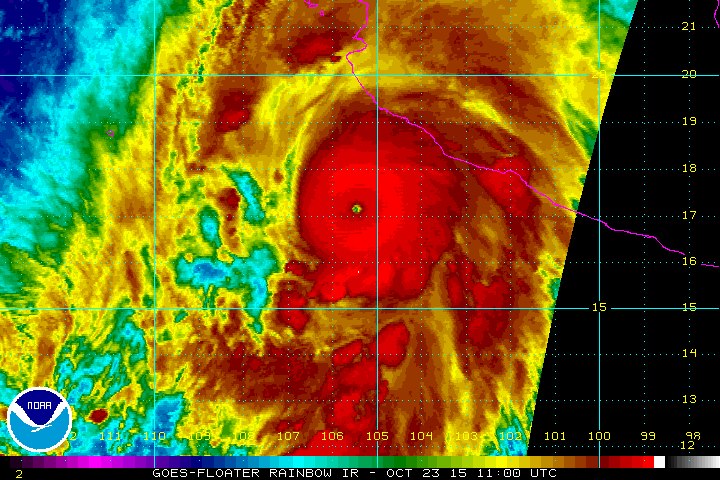
Climate change projections show that there will be continuing increases in the occurrence and severity of some extreme events by the end of the century, while for other extremes the links to climate change are more uncertain. Some regions of the United States have already experienced costly impacts—in terms of both lives lost and economic damages (see Figure ES5)—from observed changes in the frequency, intensity, or duration of certain extreme events. While it is intuitive that extremes can have health impacts such as death or injury during an event (for example, drowning during floods), health impacts can also occur before or after an extreme event, as individuals may be involved in activities that put their health at risk, such as disaster preparation and post-event cleanup. Health risks may also arise long after the event, or in places outside the area where the event took place, as a result of damage to property, destruction of assets, loss of infrastructure and public services, social and economic impacts, environmental degradation, and other factors. Extreme events also pose unique health risks if multiple events occur simultaneously or in succession in a given location. The severity and extent of health effects associated with extreme events depend on the physical impacts of the extreme events themselves as well as the unique human, societal, and environmental circumstances at the time and place where events occur.
Vector-Borne Diseases
Vector-borne diseases are illnesses that are transmitted by vectors, which include mosquitoes, ticks, and fleas. These vectors can carry infective pathogens such as viruses, bacteria, and protozoa, which can be transferred from one host (carrier) to another. The seasonality, distribution, and prevalence of vector-borne diseases are influenced significantly by climate factors, primarily high and low temperature extremes and precipitation patterns. Climate change is likely to have both short- and long-term effects on vector-borne disease transmission and infection patterns, affecting both seasonal risk and broad geographic changes in disease occurrence over decades (see Figure ES6). While climate variability and climate change both alter the transmission of vector-borne diseases, they will likely interact with many other factors, including how pathogens adapt and change, the availability of hosts, changing ecosystems and land use, demographics, human behavior, and adaptive capacity. These complex interactions make it difficult to predict the effects of climate change on vector-borne diseases.
Water-Related Illness
Across most of the United States, climate change is expected to affect fresh and marine water resources in ways that will increase people’s exposure to water-related contaminants that cause illness (see Figure ES7). Water-related illnesses include waterborne diseases caused by pathogens, such as bacteria, viruses, and protozoa. Water-related illnesses are also caused by toxins produced by certain harmful algae and cyanobacteria and by chemicals introduced into the environment by human activities. Exposure occurs through ingestion, inhalation, or direct contact with contaminated drinking or recreational water and through consumption of contaminated fish and shellfish. Factors related to climate change—including temperature, precipitation and related runoff, hurricanes, and storm surge—affect the growth, survival, spread, and virulence or toxicity of agents (causes) of water-related illness. Whether or not illness results from exposure to contaminated water, fish, or shellfish is dependent on a complex set of factors, including human behavior and social determinants of health that may affect a person’s exposure, sensitivity, and adaptive capacity. Water resource, public health, and environmental agencies in the United States provide many public health safeguards to reduce risk of exposure and illness even if water becomes contaminated. These include water quality monitoring, drinking water treatment standards and practices, beach closures, and issuing advisories for boiling drinking water and harvesting shellfish.
Food Safety, Nutrition, and Distribution
A safe and nutritious food supply is a vital component of food security. The impacts of climate change on food production, prices, and trade for the United States and globally have been widely examined, including in the recent report “Climate Change, Global Food Security, and the U.S. Food System.” An overall finding of that report was that “climate change is very likely to affect global, regional, and local food security by disrupting food availability, decreasing access to food, and making utilization more difficult.” This chapter focuses on some of the less reported aspects of food security, specifically the impacts of climate change on food safety, nutrition, and distribution. There are two overarching means by which increasing carbon dioxide (CO2) and climate change alter safety, nutrition, and distribution of food. The first is associated with rising global temperatures and the subsequent changes in weather patterns and extreme climate events. Current and anticipated changes in climate and the physical environment have consequences for contamination, spoilage, and the disruption of food distribution. The second pathway is through the direct CO2 “fertilization” effect on plant photosynthesis. Higher concentrations of CO2 stimulate growth and carbohydrate production in some plants, but can lower the levels of protein and essential minerals in a number of widely consumed crops, including wheat, rice, and potatoes, with potentially negative implications for human nutrition.
Mental Health and Well-Being
The effects of global climate change on mental health and well-being are integral parts of the overall climate-related human health impacts. Mental health consequences of climate change range from minimal stress and distress symptoms to clinical disorders, such as anxiety, depression, post-traumatic stress, and suicidality. Other consequences include effects on the everyday life, perceptions, and experiences of individuals and communities attempting to understand and respond appropriately to climate change and its implications. The mental health and well-being consequences of climate change related impacts rarely occur in isolation, but often interact with other social and environmental stressors. The interactive and cumulative nature of climate change effects on health, mental health, and well-being are critical factors in understanding the overall consequences of climate change on human health.
Populations of Concern
Climate change is already causing, and is expected to continue to cause, a range of health impacts that vary across different population groups in the United States. The vulnerability of any given group is a function of its sensitivity to climate change related health risks, its exposure to those risks, and its capacity for responding to or coping with climate variability and change. Vulnerable groups of people, described here as populations of concern, include those with low income, some communities of color, immigrant groups (including those with limited English proficiency), Indigenous peoples, children and pregnant women, older adults, vulnerable occupational groups, persons with disabilities, and persons with preexisting or chronic medical conditions. Characterizations of vulnerability should consider how populations of concern experience disproportionate, multiple, and complex risks to their health and well-being in response to climate change.