bookmark_borderA System Under Strain: The Insurance Crisis

by Daniel Brouse
January 11, 2025

California Faces Unprecedented Challenges as Los Angeles Wildfires Rage

Just days into the devastating wildfires sweeping through Los Angeles, with flames still raging uncontrollably, early damage estimates have already reached a staggering $57 billion. As these fires continue to spread, that figure is expected to climb, highlighting the intensifying toll of climate change-driven catastrophes. These fires are not just an environmental disaster but also an economic and social crisis, testing the resilience of systems designed to mitigate the impact of such events.

A System Under Strain: The Insurance Crisis

California is among several states grappling with the growing frequency and intensity of climate-related disasters. Over recent years, the financial burden on the insurance industry has escalated, driven by catastrophic wildfires, prolonged droughts, and extreme weather events. Many private insurers, unable to sustain losses or raise premiums due to state-imposed price controls, have either stopped issuing new policies or left the state entirely.

In response, California implemented government-subsidized homeowners’ insurance programs to provide coverage for those left without options. However, these systems, including the state-backed FAIR Plan, quickly became overburdened. The FAIR Plan, originally conceived as a safety net for homeowners in high-risk areas, has seen a surge in demand as private insurers retreat.

Amendments to Insurance Laws

Recognizing the unsustainability of the current system, California recently amended its insurance regulations to allow companies to charge customers for catastrophic risks. While this measure aims to stem the exodus of private insurers from the state, it has sparked concerns about affordability. Homeowners in high-risk areas may find themselves priced out of coverage altogether, leaving many vulnerable to financial ruin in the wake of disasters like the Los Angeles wildfires.

Testing the Limits of Preparedness

The Los Angeles wildfires are poised to test the sustainability of the FAIR Plan and the broader insurance framework. With record losses anticipated, the state faces a critical challenge: balancing the financial viability of insurance programs with the need to provide affordable coverage to residents. This balancing act is made even more complex by the sheer scale and frequency of disasters driven by climate change, which shows no signs of abating.

The losses that the FAIR Plan is expected to incur from the Los Angeles wildfires are likely to be substantial, potentially unprecedented. While exact figures will depend on the extent of the fires, initial damage estimates for the ongoing wildfires have already reached $57 billion. Given that the FAIR Plan serves as a safety net for high-risk areas, including many wildfire-prone regions, a significant portion of the claims resulting from these fires is expected to fall under its coverage.

Key Factors Impacting FAIR Plan Losses

  1. High-Value Properties: Los Angeles and its surrounding areas are home to many high-value properties, which significantly increases the financial burden on the FAIR Plan when destruction or damage occurs. Uniquely, the current wildfires have spread not only through brush and vegetation, as is typical, but also from house to house. This unprecedented pattern of fire spread has led to compounded damages, affecting entire neighborhoods and making the financial impact even more severe.
  2. Increased Participation: The withdrawal of private insurers from the market has left many homeowners with no option but to turn to the FAIR Plan for coverage. This surge in participation has dramatically amplified the plan’s exposure to catastrophic losses, as a growing number of high-risk properties fall under its umbrella.
  3. Severity of Wildfires: Decades of drought, coupled with strong winds and persistently dry conditions, have fueled the intensity of the ongoing wildfires, making them extremely difficult to contain. The widespread destruction has led to an unprecedented number of claims, placing significant pressure on the FAIR Plan’s financial resources.
  4. Cost of Rebuilding: The costs of rebuilding are expected to escalate due to rising construction material prices, labor shortages, and stringent building codes. Unlike traditional wildfires that primarily burn through vegetation, these fires have spread from house to house, causing extensive structural damage. Rebuilding in affected areas will likely involve significant upgrades to meet new building codes aimed at preventing similar disasters in the future, further inflating claim payouts and financial liabilities for the FAIR Plan.

Projected Financial Impact

While it is too early to provide a definitive figure, some experts anticipate that the FAIR Plan could face billions of dollars in claims from the Los Angeles wildfires. The financial strain may lead to increased premiums for policyholders, additional government subsidies, or even calls for federal assistance to stabilize the program.

Challenges Ahead

The FAIR Plan was never designed to handle catastrophic losses on this scale. As the frequency and severity of climate-driven disasters continue to escalate, the plan’s financial sustainability is at risk. This situation highlights the urgent need for systemic reform in how high-risk areas are insured and managed in the face of a changing climate.

A Broader Wake-Up Call

The Los Angeles wildfires are a stark reminder of the far-reaching consequences of climate change. Beyond the immediate devastation, they underscore the urgent need for comprehensive strategies to mitigate risk, including aggressive emissions reductions, infrastructure improvements, and disaster preparedness. Without decisive action, the costs—both financial and human—will only continue to rise.

As California battles this latest crisis, it serves as a warning to the rest of the world: climate change is not a distant threat but a present and escalating reality, demanding immediate and sustained action.

Insurance Cost and Availability Brouse (2024)

Climate Change and Insurance: The Los Angeles Wildfires Brouse (2025)

The Cost of Climate Change: Rising Homeowners Insurance Rates Brouse (2024)


bookmark_borderThe Los Angeles Wildfires: A Record-Breaking Climate Disaster

by Daniel Brouse
January 9, 2025

The Los Angeles wildfires are shaping up to be the most expensive climate disaster in history. Just days into the crisis, with most fires still raging out of control, early damage estimates have already reached a staggering $57 billion. As these fires continue to spread, that figure is expected to climb, marking a sobering milestone in the era of climate change-driven catastrophes.

Vast Areas of California: A Growing Case for Uninhabitability

Large swaths of California, particularly in fire-prone regions like Los Angeles, are increasingly becoming uninhabitable due to the rapid escalation of extreme climate events. The frequency and intensity of these events are growing at an exponential rate and could become 64 times more severe within the next decade, according to projections. This dire trend poses significant risks not only to lives and property but also to the long-term sustainability of human habitation in these areas.

Natural Disasters and Exacerbated Risks

The Los Angeles region is expected to face an escalating barrage of natural disasters, including wildfires, droughts, and flooding. As climate change accelerates, the impact of these events is compounded by human actions. For instance, during recent wildfires, millions of gallons of saltwater were dropped to extinguish flames. While effective in firefighting, this practice leaves behind a devastating legacy: salt contamination of the soil. Salt can render the land infertile for decades, severely impacting agriculture, vegetation, and ecosystems, and making it difficult for communities to rebuild sustainably.

Environmental Compromises in Rebuilding

Compounding the challenges, California has begun relaxing its environmental regulations to expedite post-fire cleanup and rebuilding efforts. While this may speed up recovery, it introduces significant risks. The clean-up processes often leave behind toxic and carcinogenic residues, creating a hazardous foundation for future development. Rebuilding homes and infrastructure on contaminated ground poses severe health risks for residents, including exposure to harmful chemicals that can persist for generations.

Economic and Human Implications

Even if financial institutions and insurers are willing to continue underwriting the costs of rebuilding in these high-risk areas, the question arises: Who would want to live there?

  • Health Risks: Prolonged exposure to toxic soil and air contaminants from fire debris can lead to long-term health issues, including respiratory problems and cancer.
  • Safety Concerns: The relentless cycle of destruction and rebuilding undermines the sense of security for residents.
  • Financial Burden: The cost of insurance and rebuilding will continue to rise, making it increasingly unaffordable for many homeowners.

The Growing Case for Managed Retreat

As the risks of inhabiting these regions continue to climb, the concept of managed retreat—relocating communities from high-risk areas to safer ones—becomes an increasingly viable option. Policymakers, urban planners, and residents must weigh the economic, environmental, and human costs of staying versus the benefits of relocating.

In the face of exponential climate risks, California must rethink its approach to land use, rebuilding policies, and disaster preparedness. Without drastic intervention and forward-thinking strategies, vast areas of the state may soon become permanently uninhabitable, leaving behind ghost towns of abandoned homes and unlivable landscapes.


Growing Risks from Combined Extreme Weather Events

The Los Angeles wildfires are an exceptionally severe example of multiple climate extremes converging to create a catastrophic event. Over the past several decades, the region has experienced a record-breaking drought that has significantly lowered the water table, leaving vegetation dry and highly flammable. This prolonged period of aridity set the stage for the rapid ignition and spread of the fires. Adding to this perilous situation, hurricane-strength winds fanned the flames, transforming a single fire into multiple rapidly spreading infernos. These winds, fueled by high-pressure systems and seasonal weather patterns, carried embers over vast distances, igniting new hotspots and making containment efforts almost impossible. The extreme winds posed an additional challenge: they were so intense that aerial firefighting efforts — a critical component of fire suppression — were rendered ineffective. Planes and helicopters, which typically drop water and fire retardants, could not operate safely, leaving firefighters on the ground to battle the blazes under incredibly dangerous conditions.

This convergence of drought, high winds, and unrelenting fire illustrates the growing intensity and complexity of climate-related disasters. It also highlights the urgent need for stronger disaster preparedness, investment in climate resilience, and policies aimed at mitigating the root causes of climate change.

California, already grappling with the escalating costs of climate-related disasters, is one of three states that have had to implement government-backed hazard insurance programs. The move was necessitated by the increasing frequency and intensity of wildfires, hurricanes, and other natural disasters. However, state-imposed regulations that limit price increases have pushed many private insurers to stop issuing new policies in the state or withdraw from the market entirely.

A Changing Insurance Landscape

To address the growing insurance crisis, California recently amended its laws, allowing insurers to charge customers for catastrophic risks. This marks a significant departure from previous regulations, which sought to shield homeowners from exorbitant premiums. While the new laws aim to retain insurance providers in the state, they come with a cost: the affordability of coverage.

For many Californians, especially those in high-risk areas, the changes mean that insurance premiums will likely skyrocket, making it difficult — if not impossible — for average homeowners to secure coverage. This leaves vulnerable populations at greater risk, particularly in areas repeatedly struck by disasters, where rebuilding without insurance becomes a monumental financial burden.

The Broader Impact of the Wildfires

The economic toll of the Los Angeles wildfires extends far beyond the immediate destruction of homes, infrastructure, and businesses:

  1. Rising Insurance Premiums: Even for those who manage to retain coverage, premiums are expected to increase sharply, adding to the already high cost of living in the state.
  2. Housing Market Instability: Expensive or unavailable insurance could drive potential buyers out of the market, leading to decreased property values and reduced housing demand.
  3. Disproportionate Burden on Low-Income Residents: The inability to afford insurance could force low- and middle-income families to abandon homes in high-risk areas, exacerbating socioeconomic disparities.
  4. Pressure on Federal and State Funds: As private insurers retreat, government-backed programs will face mounting pressure, further straining public resources.

A Call for Long-Term Solutions

As of January 2025, the acceleration of climate change impacts appears to be doubling every two years. This trend suggests that the damage caused by climate change today is twice as severe as it was just two years ago. If this trajectory continues, the damage could be four times worse in two years and eight times worse in four years. These projections are conservative, assuming the doubling interval remains stable and does not shrink further — a possibility that cannot be ruled out given the current trajectory.

Alarmingly, this rapid acceleration does not seem to be an anomaly. If it persists, the consequences could far exceed prior expectations, potentially pushing the Earth’s climate system into uncharted and catastrophic territory. Recent updates to climate models, which now integrate complex social-ecological interactions, indicate that global temperatures could rise by up to 9°C within this century — a stark departure from earlier predictions of a 4°C rise over the next thousand years.

Such an increase would have devastating impacts, including widespread ecosystem collapse, extreme weather events becoming the norm, uninhabitable regions due to heat and drought, and severe disruptions to food and water supplies. The urgency to act has never been greater, as the window to mitigate these risks continues to close rapidly.

The Los Angeles wildfires serve as yet another warning about the urgent need to address climate change and its far-reaching consequences. While policy changes may help stabilize the insurance market in the short term, they do not address the root causes of the escalating disasters. California, along with other vulnerable states, must invest in:

  • Climate Mitigation Strategies: Expanding efforts to reduce greenhouse gas emissions, adopt renewable energy, and implement sustainable land-use practices.
  • Disaster Preparedness and Resilience: Strengthening infrastructure, improving fire prevention measures, and ensuring equitable access to recovery resources.
  • Federal Support and Collaboration: Coordinating with federal agencies to develop nationwide policies that address the challenges posed by an increasingly volatile climate.

As the costs of inaction continue to rise, California’s wildfire crisis underscores the critical importance of systemic changes to reduce risk and protect communities from the growing threat of climate disasters.

Insurance Cost and Availability

The Cost of Climate Change: Rising Homeowners Insurance Rates

How is All Real Estate at Risk From Climate Change?

The Human Induced Climate Change Experiment

bookmark_borderHow Risk Management Turns to Crisis Management

by Daniel Brouse
December 23, 2024

I have spent my life in the study and implementation of risk management. I obtained degrees with honors and academic accolades in economics, philosophy, and logic, including becoming the youngest subscriber to the Federal Reserve’s “Beige Book,” the country’s youngest university-level statistics tutor, and an inductee into both the Pi Gamma Mu and Phi Sigma Tau honor societies. This foundation was followed by 40 years of research, development, and real-world experience in risk management.

By the 1990s, it had become clear that the greatest risk to humans is, indeed, humans. First, climate change climbed from a substantial risk to an impending crisis. By the 2000s, the aging population emerged as the leading risk to short-term economic sustainability. Today, these two risks—human-induced climate change and an aging population—have combined and evolved into an existential crisis.

This is not to say that we should give up hope or abandon ship. Quite the contrary. Acknowledging the gravity of our circumstances makes it essential to invoke a robust and effective crisis management plan. What follows is an exploration of these intertwined crises and the paths forward to mitigate them.


The Rise of Human-Induced Climate Change

Climate change represents is the most profound example of a long-ignored risk evolving into a crisis. For decades, scientists and policymakers issued warnings about rising global temperatures, extreme weather events, and the cascading effects of environmental degradation. Despite this, global emissions and deforestation rates surged, driven by short-term economic priorities and political inertia.

The impacts are now undeniable. Wildfires, hurricanes, droughts, and floods have intensified, costing lives and overwhelming economies. Infrastructure built for past climates struggles to withstand today’s conditions, let alone those of the future. Furthermore, climate change disproportionately affects vulnerable populations, exacerbating global inequities and threatening social stability.

Complex feedback loops in climate science refer to interactions between different components of the Earth’s climate system that can amplify or dampen the effects of initial changes, leading to non-linear and often unpredictable outcomes. These feedback loops play a crucial role in shaping the behavior of the climate system and can influence various climate phenomena, including temperature changes, ice melt, and precipitation patterns. Tipping points are Critical Milestones that directly impact the rate of acceleration in climate change by multiplying the number and intensity of feedback loops. Identifying and understanding these tipping points is crucial for climate science and policymaking. Crossing multiple tipping points has led to the domino effect, resulting in much more rapid and severe climate change than previously projected.

Addressing this crisis requires immediate and coordinated action:

  • Transitioning to renewable energy: Fossil fuels must be phased out in favor of sustainable alternatives.
  • Implementing adaptive infrastructure: Cities and communities need to be redesigned to withstand the challenges of a changing climate.
  • Global cooperation: International agreements like the Paris Accord must be strengthened and enforced to meet ambitious targets.
  • Reducing pollution and greenhouse gases: Fossil fuel pollution is the leading cause of death worldwide and the greatest contributor to the climate crisis. Mitigating this requires aggressive policies to limit emissions and promote cleaner technologies.


The Economic Risks of an Aging Population

Parallel to the climate crisis is the demographic challenge of aging populations, particularly in developed nations. By the 2000s, it became clear that declining birth rates and increasing life expectancy were reshaping economic landscapes. Pension systems, healthcare infrastructure, and labor markets are all under strain.

Economic growth slows as the working-age population shrinks relative to retirees. Healthcare costs soar, and governments face mounting fiscal pressures. Wealth disparities exacerbate these challenges, as those without adequate savings face severe hardship in retirement.

Key strategies to address this demographic shift include:

  • Reforming healthcare and pensions: Systems must be made more efficient and sustainable.
  • Encouraging workforce participation: Policies that enable older adults to remain in the workforce longer can help ease economic pressures.
  • Investing in education and technology: Automation and productivity-enhancing technologies can offset labor shortages.
  • Demographic Solutions: Encouraging higher birth rates or increasing immigration can help stabilize the worker-to-retiree ratio. Mass immigration is likely the only viable solution for addressing both short-term and long-term challenges.

Bridging the Crises: An Integrated Approach

The climate and demographic crises are interconnected. Climate change disproportionately affects the elderly, who are more vulnerable to heatwaves, natural disasters, and health impacts. Simultaneously, the economic strain of aging populations limits resources available for climate mitigation and adaptation.

Addressing these crises requires an integrated approach that considers both environmental and economic sustainability. Policymakers, businesses, and individuals must work together to:

  • Redesign tax systems: Taxes should incentivize sustainable practices and ensure equitable contributions from all sectors.  Ideally, taxation should focus primarily on fossil fuel combustion. Pollution from fossil fuels is the leading cause of death globally. While the cost of human life is immeasurable, the associated increase in healthcare expenses places a significant burden on the economy. Additionally, the societal costs of climate change — driven largely by fossil fuel combustion — likely represent an even greater economic and environmental challenge. Redirecting taxation in this way could incentivize cleaner energy alternatives while addressing these critical issues. A 100% tax on a barrel of oil and a 1,000% tax on a ton of coal could significantly reduce wealth inequality while simultaneously fostering a sustainable economy.
  • Reduce wealth disparities: Closing the wealth gap can enhance resilience and provide resources for climate action. Taxing fossil fuel combustion could be the single largest factor in creating a more equitable future.
  • Embrace innovation: Technologies that address both climate and economic challenges must be prioritized.

Conclusion: From Crisis to Opportunity

Acknowledging the dual crises of climate change and an aging population is not a sign of defeat but a call to action. Humanity has faced existential threats before and emerged stronger through innovation, cooperation, and resilience. By transitioning from risk management to effective crisis management, we can not only mitigate these challenges but also build a more sustainable and equitable future.

What follows are detailed papers on the sustainability of our environment and economy, including energy, taxation, debt, healthcare, and wealth disparity. These explorations aim to provide actionable insights and solutions to navigate this critical juncture in human history.

The Human Induced Climate Change Experiment

Climate Change and Insurance: Costs, Availability, and Sustainability

Balancing the Books: How Public-Private Healthcare Models Can Sustain Economic Growth

Taxation in a Changing World: Challenges, Inefficiencies, and Paths to Sustainability

Wealth Taxes Are Illogical

Economic Outlook 2025 – 2035

bookmark_borderWhy Are Rates Rising While the Federal Reserve is Cutting?

by Daniel Brouse
December 21, 2024

At first glance, it seems counterintuitive: the Federal Reserve is cutting interest rates, yet most other interest rates, particularly long-term ones, are rising. To understand this phenomenon, we need to examine the interplay of economic forces shaping the financial landscape.

A Strong Economy Fuels Rising Rates

The current U.S. economy remains robust, marked by strong employment numbers and resilient consumer spending. Wage inflation is another contributing factor, as tight labor markets push wages higher. These dynamics create upward pressure on long-term interest rates because lenders demand higher returns to compensate for the inflationary environment. Investors anticipate continued economic growth, which increases the demand for credit and drives up yields on longer-term bonds.

Long-Term Rates Reflect Uncertainty and Risk

The Federal Reserve’s interest rate cuts primarily influence short-term borrowing costs. However, long-term rates are determined by broader market forces, including expectations about inflation, fiscal policy, and economic stability. With a bleak outlook for fiscal responsibility under the next administration, markets are pricing in higher risks, leading to a rise in long-term interest rates. Concerns about rising deficits and government spending exacerbate this trend, as they fuel fears of inflation and creditworthiness.

The Highest Rates Since 2007

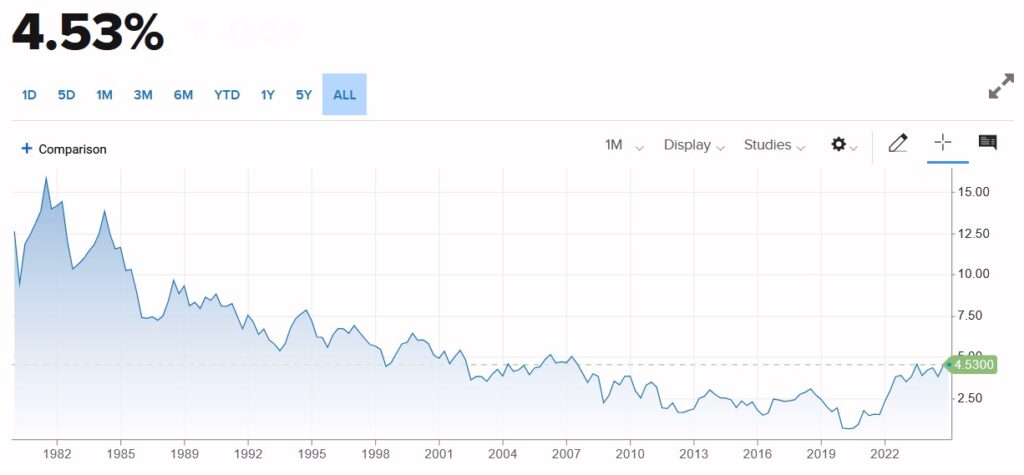
This dynamic has pushed long-term interest rates, such as those on 10-year Treasury bonds, back to levels not seen since 2007. This rise signals a return to pre-financial-crisis conditions where borrowing costs were higher, reflecting a stronger economy but also heightened financial risks. Higher long-term rates affect mortgages, corporate loans, and consumer credit, making borrowing more expensive across the board.

A Complex Outlook

While the Federal Reserve is attempting to manage short-term economic stability through rate cuts, its actions are counterbalanced by market forces driving long-term rates upward. The disconnect highlights the complexity of today’s financial environment, where strong economic fundamentals coexist with uncertainty about the future.

The key takeaway? Rising long-term rates amidst Fed rate cuts reflect a confluence of economic strength, wage-driven inflation, and fiscal uncertainty. For businesses and consumers, this underscores the importance of cautious financial planning in a period of mixed signals and evolving risks.

10-Year Treasury Yield (2024)

Debunking Economic Myths: Misleading Narratives and the Path to Real Progress

Business and the Economy

bookmark_borderAnthony Fauci: A Case Study in Public-Private Healthcare

by Daniel Brouse
December 19, 2024

The United States arguably has one of the most advanced healthcare systems in the world, a feat achieved despite having one of the least healthy populations globally. The true challenge in improving health, economic stability, and overall well-being in the U.S. lies in individual lifestyle choices and personal responsibility. Many Americans remain undereducated about critical topics such as health, wellness, and financial management. Compounding these challenges are unhealthy habits, such as reliance on fossil fuels, consumption of processed foods, and insufficient physical activity.

Despite these obstacles, the U.S. healthcare system—a unique public-private partnership—continues to stand out. While some advocate for universal healthcare modeled after other nations, many of those systems are struggling under economic pressures. For instance, France has faced years of civil unrest driven partly by the unsustainable costs of its national healthcare system, leading to government instability. Similarly, Canada’s healthcare model is under strain, illustrated by the resignation of its finance minister and calls for the Prime Minister to step down. The UK’s National Health Service (NHS) is also plagued by long treatment delays, nationwide nursing strikes, and reports of patient deaths while awaiting care. Germany, Italy, and Greece, among others, are facing similar demise.  Even China, often viewed as an example of universal healthcare success, is grappling with economic strain from an aging population and has faced public protests over healthcare policies.

An example of the U.S. system’s strength is its response to the COVID-19 pandemic. Pfizer-BioNTech and Moderna, two companies with strong U.S. ties, developed groundbreaking mRNA vaccines with significant financial and logistical support from the U.S. government. Initiatives like Operation Warp Speed accelerated the development and distribution of COVID-19 vaccines, showcasing the efficacy of the public-private partnership. While China’s Sinopharm and Sinovac vaccines were developed earlier, they relied on traditional inactivated virus technology, whereas the U.S.-supported vaccines utilized the innovative mRNA approach, which proved more effective in preventing severe disease and death. Everybody in the U.S. was offered multiple doses of the vaccine free of charge.

Much of this success can be attributed to Dr. Anthony Fauci, who served as the director of the National Institute of Allergy and Infectious Diseases (NIAID) from 1984 to 2022. Throughout his career, Dr. Fauci spearheaded research efforts on infectious diseases like HIV/AIDS, tuberculosis, and malaria, as well as emerging threats like Zika, Ebola, and COVID-19. His leadership and expertise during the COVID-19 pandemic were instrumental in coordinating the largest public-private healthcare initiative in history, leading to the rapid development of revolutionary vaccines that saved millions of lives worldwide.

However, Dr. Fauci’s career has not been without controversy. Critics argued that his early approach to the HIV/AIDS epidemic focused too heavily on vaccine development at the expense of expanding treatment strategies. Antiretroviral therapy (ART), which suppresses the HIV virus to undetectable levels in the blood, has proven highly effective in preventing transmission—a principle summarized by the phrase “Undetectable = Untransmittable” (U=U). ART has transformed HIV from a deadly disease into a manageable condition, but the U.S. lagged behind in championing its widespread adoption during the early years of the epidemic.

Fauci’s reputation shifted dramatically during the COVID-19 pandemic. Amid widespread misinformation and political interference, particularly from then-President Trump, Dr. Fauci became a steadfast advocate for science and public health. His insistence on factual communication and his role in developing the first effective mRNA vaccines solidified his legacy. Under his leadership, Pfizer-BioNTech and Moderna developed the world’s first mRNA vaccines, which not only curbed the pandemic but also laid the groundwork for future medical innovations.

The U.S. healthcare system’s ability to respond to such crises highlights the strength of its public-private model. While individual lifestyle changes remain a critical component of improving health outcomes, the innovative and collaborative nature of the U.S. healthcare system continues to position it as a global leader in medical advancement.

Balancing the Books: How Public-Private Healthcare Models Can Sustain Economic Growth

Health and Wellness

bookmark_borderDebunking Economic Myths: Misleading Narratives and the Path to Real Progress

by Daniel Brouse
December 17, 2024

“In America today, over 60% of our people are living paycheck to paycheck and millions of children are living in poverty.”
— Bernie Sanders, October 4, 2024

Statements like these, made by figures such as Bernie Sanders, Elizabeth Warren, and Robert Reich have likely contributed to a misleading narrative about the U.S. economy. While such claims aim to highlight economic inequality and poverty, they fail to provide a balanced perspective, misrepresenting the broader economic picture and potentially alienating voters.

Breaking Down the Facts

The assertion that “60% of people are living paycheck to paycheck” oversimplifies the economic reality for many Americans. According to recent data, 18.5% of U.S. households report having no discretionary income after paying their bills. This is far from the majority Sanders claims. Furthermore, even within this group, the median household net worth is $193,000, suggesting that many have assets, savings, or home equity providing them with financial stability beyond their monthly income.

Millions of children living in poverty is another claim that deserves scrutiny. While child poverty is a serious issue, programs such as the Child Tax Credit and Supplemental Nutrition Assistance Program (SNAP) have significantly reduced the number of children living in poverty in recent years. By not acknowledging these efforts or providing accurate statistics, such statements paint an overly dire picture that ignores meaningful progress.

Misrepresentation of Economic Realities

The tendency to frame the U.S. economy as wholly failing undermines a more nuanced discussion about its strengths and weaknesses. For example:

  • The U.S. has one of the highest household median incomes in the world.
  • Unemployment rates remain historically low.
  • Despite challenges such as inflation, consumer spending continues to drive economic growth.

These factors demonstrate that the narrative of widespread economic despair does not align with reality. While economic inequality and poverty remain issues to address, claiming that most Americans are struggling misrepresents the complexity of the situation.

The Political Consequences

Overly negative messaging about the economy may have contributed to the Democratic Party’s defeat. Instead of highlighting successes like job growth, reduced unemployment, and targeted social programs, some leaders focused on an exaggerated portrayal of economic hardship. This approach risks alienating moderate voters who feel the economy is performing reasonably well, especially compared to global counterparts facing similar inflationary pressures and post-pandemic recovery challenges.

A Path Forward

To effectively address inequality and poverty, it is crucial to focus on actionable, evidence-based solutions:

  1. Expand Economic Opportunities: Investments in education, job training, and infrastructure can create pathways to upward mobility.
  2. Strengthen Safety Nets: Improving programs like the Earned Income Tax Credit (EITC) and childcare support can directly aid low-income families without distorting the broader economic picture.
  3. Promote Financial Literacy: Educating individuals about saving, investing, and debt management can help mitigate the risks of living paycheck to paycheck.
  4. Incentivize Innovation: A robust private sector fuels job creation and technological advancements, driving economic growth for all.
  5. Taxation and Universal Healthcare: Both are unsustainable in an aging population.  Individuals and governments will need to actively explore and implement alternative solutions.

The focus should shift from divisive rhetoric to practical policies that empower Americans, addressing challenges without resorting to fear-based narratives. Misleading claims not only damage political credibility but also detract from meaningful efforts to strengthen the economy for all citizens.

Balancing the Books: How Public-Private Healthcare Models Can Sustain Economic Growth

Taxation in a Changing World: Challenges, Inefficiencies, and Paths to Sustainability

Wealth Taxes Are Illogical

Social-Ecological Systems and Climate Change

The Age of Loss and Damage

Business and the Economy


bookmark_borderBalancing the Books: How Public-Private Healthcare Models Can Sustain Economic Growth

by Daniel Brouse
December 15, 2024

OVERVIEW
Why is the U.S. the only developed country without a fully universal healthcare system? First, it’s important to note that the U.S. does provide a mix of public and private universal healthcare through programs like Medicare, Medicaid, and the Affordable Care Act. These programs ensure that millions of Americans have access to healthcare, albeit not in the same structure as other nations.

Second, no country has a perfect or completely sustainable universal healthcare system. Nations like the UK, Canada, and Germany face challenges such as funding shortages, long wait times, and the rising costs of care due to aging populations and increasing demand. These issues illustrate that universal healthcare, while offering broad access, is not a one-size-fits-all solution and often requires trade-offs.

While some advocate for universal healthcare modeled after other nations, many of those systems are struggling under economic pressures. For instance, France has faced years of civil unrest driven partly by the unsustainable costs of its national healthcare system, leading to government instability. Similarly, Canada’s healthcare model is under strain, illustrated by the resignation of its finance minister and calls for the Prime Minister to step down. The UK’s National Health Service (NHS) is also plagued by long treatment delays, nationwide nursing strikes, and reports of patient deaths while awaiting care. Germany, Italy, and Greece, among others, are facing similar demise. Even China, often viewed as an example of universal healthcare success, is grappling with economic strain from an aging population and has faced public protests over healthcare policies.

An example of the U.S. system’s strength is its response to the COVID-19 pandemic. Pfizer-BioNTech and Moderna, two companies with strong U.S. ties, developed groundbreaking mRNA vaccines with significant financial and logistical support from the U.S. government. Initiatives like Operation Warp Speed, spearheaded by Dr. Anthony Fauci, accelerated the development and distribution of COVID-19 vaccines, showcasing the efficacy of the public-private partnership. While China’s Sinopharm and Sinovac vaccines were developed earlier, they relied on traditional inactivated virus technology, whereas the U.S.-supported vaccines utilized the innovative mRNA approach, which proved more effective in preventing severe disease and death. Everybody in the U.S. was offered multiple doses of the vaccine free of charge.

Additionally, universal healthcare systems often develop a two-tier structure: while public healthcare is available to all, those with greater financial means can still access faster or more specialized treatment through private care. This dynamic underscores that universal healthcare does not entirely eliminate disparities in access or quality of care.

The private sector plays a critical role in driving innovation, funding research and development, and pioneering advanced medical treatments. For example, the United States, with its mixed healthcare system, leads in medical R&D investment. Many new drugs, technologies, and procedures are developed in the U.S., benefiting other countries that may rely on these advancements without incurring the associated costs of innovation.

A FREE-MARKET ECONOMY
In a free-market economy, the interplay of supply, demand, and competition sets prices, while consumer spending drives growth. These principles foster innovation and efficiency, but universal healthcare systems and shifting demographics, particularly aging populations, present unique challenges.

The Economic Strain of Universal Healthcare

Universal healthcare systems can strain public finances, especially when coupled with an aging population. As the workforce shrinks, fewer people contribute to tax revenues, even as the demand for healthcare services grows. This creates fiscal imbalances that can destabilize economies and increase social unrest.

For instance, France has faced challenges with its extensive welfare programs, including universal healthcare, contributing to slow growth and rising public debt. Similarly, Germany’s aging population places significant pressure on healthcare and pension systems, requiring innovative solutions to maintain fiscal balance. The UK’s NHS, while celebrated, struggles with funding shortages and operational inefficiencies, leading to long wait times and growing public dissatisfaction. Italy, grappling with economic stagnation, also faces mounting healthcare costs tied to its demographic structure.

The Role of Public-Private Partnerships

A mixed model, combining public funding with private-sector efficiency, offers a viable solution. The United States provides several examples of such systems:

      1. Medicare Advantage: This hybrid program allows private insurance companies to manage Medicare benefits, demonstrating the cost-efficiency of private-sector involvement in public services. Private insurers often introduce innovative approaches to care management, resulting in better outcomes at lower costs.
      2. The Affordable Care Act (ACA): This legislation expanded access to healthcare while leveraging private insurance markets. By mandating minimum coverage standards and providing subsidies, the ACA increased the number of insured individuals while fostering competition among private insurers.
      3. COVID-19 mRNA Vaccines:  The U.S. had the highest per capita COVID-19 mortality rate in the world, not because of the quality or cost of our healthcare system, but due to a widespread lack of personal responsibility and poor overall health prior to the virus’s arrival. Despite these challenges, the U.S. remains a global leader in healthcare innovation, investing more in research and development than any other country. This is demonstrated by achievements like the rapid development of highly effective COVID-19 vaccines, which were created in record time and made available to the entire population in multiple doses, free of charge.

    Warning
    However, the perceived superiority of U.S. healthcare, particularly in the context of the COVID-19 response, could be a double-edged sword. Many people expect the healthcare industry to solve problems that stem from neglect of personal health. The growing popularity of treatments like Ozempic and Wegovy highlights a reliance on medical interventions to address preventable conditions, such as obesity, rather than prioritizing healthier lifestyles.

These approaches underscore the potential of combining public oversight with private-sector expertise to deliver quality healthcare efficiently.

Alternative Solutions for Sustainability

Rather than increasing taxes, governments can explore other strategies to make universal healthcare systems more sustainable:

      • Preventative Care: Investing in preventative measures reduces long-term healthcare costs by minimizing the prevalence of chronic diseases.
      • Technology and Innovation: Leveraging telemedicine, artificial intelligence, and data analytics can improve healthcare delivery and reduce inefficiencies.
      • Incentives for Healthy Living: Programs encouraging healthier lifestyles can lower the overall burden on healthcare systems.
      • Privatized Administration: Allowing private entities to manage specific aspects of universal healthcare, such as logistics or non-critical services, can increase cost efficiency.

Conclusion

Universal healthcare systems are a noble goal but require careful design to remain financially sustainable. By integrating private-sector efficiency with public-sector oversight, countries can balance accessibility and cost-effectiveness, ensuring healthcare systems meet the needs of current and future generations. The U.S. model of leveraging public-private partnerships offers valuable lessons for other nations navigating these complex challenges.

Concerns about US healthcare are valid, but they lack actionable solutions to the issues raised. Universal healthcare, as implemented in many countries, has led to significant economic challenges and collapse. For instance, France is grappling with a government in turmoil, partly due to the unsustainable costs of its national healthcare system. Similarly, Canada faces mounting issues with its healthcare model, as evidenced by the resignation of its finance minister, who cited healthcare funding as a contributing factor. The UK’s NHS has faced significant criticism from its users. Nationwide strikes by nurses have further delayed treatments, exacerbating already lengthy wait times for life-saving procedures. The system struggles with inefficiencies, leading to delays that can stretch into months or even years. Is this kind of prolonged wait for “free” treatment truly what you would want?

In contrast, the U.S. has made substantial progress through its public-private healthcare partnership. Programs like Medicare Advantage demonstrate how private insurers can deliver cost-efficient services under government-funded programs. Interestingly, private healthcare companies are experiencing their greatest profits and growth within government-supported programs because the government itself often operates less efficiently. This highlights the strength of a mixed system that leverages private-sector efficiency while maintaining public oversight.

The solution is not to adopt a failing model from other countries or to demand “free” universal healthcare without considering the broader economic implications. Universal healthcare is already the largest expense for taxpayers in the U.S., and expanding it without addressing cost inefficiencies could lead to economic instability. Proposing that the government overextend itself further to provide “free healthcare for all” risks collapsing the very system that supports the most vulnerable populations. Instead, the focus should be on refining the current system — streamlining costs, fostering innovation through the private sector, and ensuring access for those most in need — without jeopardizing the economic stability that sustains healthcare services.

It’s Up to You

The real challenge in improving health, economics, and overall well-being in the U.S. lies in individual lifestyle choices and personal responsibility. Many Americans remain undereducated about critical topics such as health, wellness, and financial management. Compounding this issue are unhealthy habits, such as reliance on fossil fuels, consumption of processed foods, and a lack of physical activity. Here’s a closer look at these challenges and actionable steps you can take to make a difference in your life and the world around you.

1. Are You Educated?

Education is the cornerstone of personal and societal progress. Learning about saving, investing, debt management, wellness, and healthy lifestyle choices can significantly reduce the financial burden of healthcare and insurance costs. By taking the time to educate yourself on these topics, you empower yourself to make informed decisions that improve both your quality of life and long-term financial stability.

2. Do You Burn Fossil Fuels?

The combustion of fossil fuels is the leading cause of death worldwide, contributing to air pollution, climate change, and countless health problems. While systemic changes are necessary, individual choices matter too. Opt for renewable energy sources, carpool, walk or bike when possible, and advocate for cleaner energy policies. Reducing your reliance on fossil fuels not only benefits the planet but also improves your own health and the health of future generations.

3. Do You Eat Processed Foods?

Ultra-processed foods are a significant contributor to global health issues, linked to obesity, heart disease, and diabetes. Minimizing consumption of these foods can have a profound impact on your health. Whenever possible, choose whole foods, cook at home, and consider growing your own fruits and vegetables. This not only ensures better nutrition but also fosters a deeper connection to the food you eat.

4. Do You Have an Active Lifestyle?

Physical inactivity is a leading cause of death and illness, yet adopting an active lifestyle doesn’t have to involve gym memberships or intense workouts. Small, consistent changes can make a significant difference.

For example, having a flight of stairs in your home can naturally encourage physical activity. Climbing stairs is an excellent cardiovascular exercise that integrates seamlessly into daily life, reducing the risk of chronic diseases such as heart disease, diabetes, and certain cancers. It also strengthens muscles, boosts metabolism, and improves cognitive function, potentially delaying the onset of neurodegenerative diseases like dementia.

Research supports these benefits. The Harvard Alumni Study found that men who climbed at least 55 flights of stairs weekly had a 33% lower mortality rate compared to those who did not. Similarly, a 2019 study published in the British Journal of Sports Medicine highlighted the importance of incidental physical activity, including stair climbing, in reducing health risks for individuals unable to maintain formal exercise routines.

Stair climbing also strengthens bones and muscles, reducing the risk of falls—a critical factor for older adults. However, safety is important; features like handrails and non-slip surfaces can mitigate risks for those with mobility challenges.

Small Changes, Big Impact

While stairs provide one example, other simple adjustments can also promote active living: walking more, gardening, or incorporating standing breaks into sedentary routines. Coupled with healthy eating and mindfulness, these steps contribute to a more balanced and fulfilling life.

Final Thoughts

Improving your lifestyle doesn’t just benefit you—it creates ripple effects that influence society as a whole. By focusing on education, making environmentally conscious decisions, prioritizing whole foods, and adopting an active lifestyle, you can take control of your well-being. The path to a healthier and more sustainable future starts with personal responsibility. It’s up to you to make the change.

Anthony Fauci: A Case Study in Public-Private Healthcare
Business and the Economy

bookmark_borderConstructive Capitalism: How Consumer-Driven Activism Builds a Better Economy

By Daniel Brouse

December 15, 2024

The vast majority of people in business do not aim to exploit the poor or middle class. On the contrary, most understand that the consumer is the driving force behind the economy. Without consumer demand, businesses have no foundation for growth or profitability. This basic principle underscores why a narrative pitting the “rich” against the middle and lower classes is not only divisive but also fundamentally flawed.

Addressing the Real Issue: Ignorance and Arrogance

The widespread anger directed at wealthy individuals or corporations often stems from misconceptions. Rich and successful individuals are not inherently adversaries. The real problem lies in the ignorance and arrogance that fuel an artificial sense of class warfare. This imaginary battle does not serve to bridge gaps or create solutions. Instead, it perpetuates anger, which only leads to further frustration and stagnation.

Constructive Engagement Through Shareholder Activism

Rather than engaging in unproductive outrage, a more meaningful approach would be to invest in the companies you criticize and become a shareholder activist. This strategy allows individuals to influence corporate behavior from within, promoting accountability and ethical practices. Shareholder activism has proven effective in driving real change, offering a productive alternative to simply venting frustrations.

For example, in the 1990s, I was directly impacted by Microsoft’s monopolistic practices. Rather than merely complaining, I purchased a single share of MSFT and established a shareholder activist website. Over the course of a few years, my efforts—combined with those of other activists—led to meaningful changes within the company. This approach proved successful and underscored the power of direct engagement.

I applied the same principle to other businesses, many of which no longer exist today due to various factors, including activism challenging their unethical practices. One notable example is MP3.com, which faced significant scrutiny and ultimately could not sustain its operations.

The Role of Business in Economic Growth

Most people in business understand that the health of the economy—and by extension, their own success—depends on a thriving middle class and consumer base. Exploitation is not a sustainable strategy; companies flourish when they offer value and foster trust with their customers. Businesses that focus on creating innovative products, providing excellent services, and contributing to their communities are the ones that stand the test of time.

Fighting Fictional Battles is Counterproductive

Engaging in a war against a fictional enemy, such as the generalized “rich,” is self-defeating and counterproductive. It diverts attention from actionable solutions and fosters resentment without achieving meaningful results. By redirecting this energy toward constructive efforts—such as education, activism, or entrepreneurship—individuals can make a genuine impact on the systems they seek to improve.

TAKE OWNERSHIP

Being a shareholder, even owning a single share, offers specific legal protections and rights that are valuable regardless of the number of shares you own. Here are some key points to consider:

  1. Legal Protections:
    As a shareholder, you are shielded by certain protections. For example, it becomes significantly harder for a company to sue you for defamation because your status as a shareholder gives you standing to voice criticisms and concerns about the company’s governance and performance.
  2. Rights to Hold the Company Accountable:
    Shareholders have the right to sue the company if it acts against their best interests. This applies whether you own one share or a significant portion. While owning more shares increases your influence in voting matters, the legal rights to initiate or participate in actions such as derivative lawsuits are not dependent on the size of your holdings.
  3. The Power of Collective Action:
    If you join forces with other shareholders, your collective voice holds more weight, especially in class-action lawsuits. For instance, shareholder groups often come together to challenge decisions that negatively impact shareholder value, such as excessive executive compensation or breaches of fiduciary duty.
  4. Real-World Example – Elon Musk and Tesla:
    A notable case involved Tesla shareholders suing the company in a Delaware court over Elon Musk’s compensation package, which they argued was excessively large and not in the best interests of the shareholders. The court ruled in favor of the shareholders, demonstrating the power and importance of shareholder rights in holding even influential executives accountable.

By owning shares, you gain a legal and ethical stake in the company’s operations, enabling you to contribute to its accountability and direction. Whether your aim is advocacy or profit, being a shareholder grants you a platform to engage meaningfully with corporate governance.

Examining the Costs and Benefits of a Microsoft Monopoly

MP3.com: A Consumer Behavior Case Study

Business and the Economy

bookmark_borderThe Golden Rule of Sustainability: Applying Game Theory to the Climate Crisis

Hypothesis:

The Golden Scales Of Justice

Q: Do unto others, as you would have them do unto you. Or, what?
A: Or, the elimination of all players is possible.

PROOF

Introduction

A proof of The Golden Rule.

The Golden Rule can be applied to economics similarly to Nash’s Equilibrium (or Le Chatelier’s Principle in chemistry):

“The best responses of all players are in accordance with each other.”
— John Nash, Jr.

If a dynamic equilibrium is disturbed by changing the conditions, the position of equilibrium moves to counteract the change.
— A statement of Le Chatelier’s Principle

Q: What happens when the responses of all players are not aligned?
A: Justification

CLIMATE CHANGE AND GAME THEORY

John Nash’s quote, “The best responses of all players are in accordance with each other,” reflects the principle of a Nash Equilibrium in game theory, where each participant in a system acts in a way that is optimal given the actions of others. Applying this concept to the climate crisis reveals important insights about global cooperation and collective action:


1. Climate Crisis as a Multi-Player Game

The climate crisis involves multiple “players”—countries, corporations, and individuals—each with their own interests and strategies. For example:

  • Countries may prioritize economic growth, which could conflict with reducing emissions.
  • Corporations might focus on profits, even at the expense of environmental sustainability.
  • Individuals often weigh personal convenience against the broader impact of their actions.

To address the crisis effectively, all players must align their actions toward a common goal: mitigating climate change.


2. Nash Equilibrium and Climate Action

The quote emphasizes that the most effective solution arises when all players’ strategies are consistent with each other, meaning:

  • Nations implement policies that balance economic development with sustainability.
  • Corporations innovate to reduce carbon footprints without sacrificing profitability.
  • Individuals adopt eco-friendly behaviors in line with societal and governmental expectations.

If any group deviates—e.g., a country refuses to cut emissions while others do—it disrupts the equilibrium and undermines collective progress.


3. The Challenge of Misaligned Incentives

Currently, many players act in ways that benefit themselves in the short term but harm the global effort. For example:

  • Some countries prioritize fossil fuel exploitation over renewable energy.
  • Corporations may lobby against environmental regulations to lower costs.
  • Individuals often resist lifestyle changes, such as reducing consumption or switching to sustainable practices.

This lack of coordination leads to a “tragedy of the commons,” where shared resources (e.g., the atmosphere) are depleted to the detriment of all.


4. Application to Global Climate Agreements

Global initiatives, such as the Paris Agreement, aim to create a Nash Equilibrium by aligning the actions of all players:

  • Countries agree to emission reduction targets that balance fairness and effectiveness.
  • International mechanisms, like carbon pricing, incentivize corporations to innovate sustainably.
  • Public awareness campaigns encourage individuals to support climate-friendly policies and lifestyles.

When each player sees the benefits of cooperating rather than acting selfishly, the system moves toward an equilibrium that benefits everyone.

Conclusion

Nash’s insight underscores the need for collective alignment to solve the climate crisis. The “best responses” for each player must be designed with global coordination in mind. Only through mutual cooperation and aligned strategies can humanity achieve a sustainable equilibrium and address this existential challenge.


A Simplified Example: The Bar Scenario

John Nash’s famous concept of the Nash Equilibrium can be understood through a simplified example often referred to as The Bar Scenario. Here’s how it works:

The Scenario

Three men are in a bar, and they all want to pair up with one of three women. Among the women, one is considered the most attractive, and all three men initially aim to approach her. The situation unfolds as follows:

  1. Everyone Wants the “Most Attractive” Woman
    If all three men target the same woman, she can only accept one of them (assuming she even agrees). The other two men are left to compete for the remaining women, who are less receptive because they feel like second choices. This results in a suboptimal outcome for most of the men and women.
  2. A Better Strategy Emerges
    If each man decides rationally to approach a different woman based on their preferences and the anticipated actions of the others, they avoid direct competition. This coordination leads to a more favorable outcome for everyone involved.

Key Insight: Nash Equilibrium

The Nash Equilibrium is reached when each player (in this case, the men) chooses a strategy that maximizes their payoff, given the strategies of the others. Importantly:

  • None of the men can improve their outcome by changing their strategy unilaterally.
  • They consider the likely choices of others when making their own decisions.

In the bar scenario, the Nash Equilibrium would be a situation where the men strategically distribute themselves among the women, ensuring no one is left with a worse option.

Implications of Nash’s Discovery

Nash showed that in any game involving rational players, there exists a point (or multiple points) where everyone’s strategies stabilize because changing one’s strategy doesn’t yield a better outcome. This principle applies far beyond bars—encompassing economics, politics, biology, and more.

The bar analogy effectively captures the essence of strategic decision-making, where individual choices are interdependent, and cooperation or competition shapes the results.

The Bar Scenario and Climate Change

The Bar Scenario analogy, derived from Nash’s concept of equilibrium, can be applied to climate change to explain how individual and collective decisions by nations, corporations, and individuals can lead to either cooperation or competition in addressing the crisis. Here’s how it relates:


The Climate Crisis as a “Bar Scenario”

Imagine nations (or other stakeholders) as the men in the bar and the “women” as the available solutions to climate change—such as renewable energy, carbon capture, reforestation, or fossil fuel reduction. Each nation has its preferences, resources, and goals, but their choices are interdependent because they share the same “climate system.”


Scenario 1: Everyone Chooses Self-Interest (Competing for the “Most Attractive” Option)

If all nations prioritize short-term economic growth (analogous to everyone targeting the “most attractive woman” in the bar), they focus on exploiting fossil fuels or delaying meaningful climate action. This competition creates:

  • Overburdened resources (e.g., continued reliance on finite fossil fuels).
  • Global warming impacts (e.g., extreme weather, sea level rise) that affect everyone, leaving the majority worse off.
  • A “tragedy of the commons,” where shared resources (like the atmosphere) are depleted by selfish behavior.

Scenario 2: Cooperation for a Balanced Strategy

If nations coordinate and distribute their efforts—prioritizing different climate solutions based on their strengths—everyone benefits more in the long term. For example:

  • Renewable energy: Solar-rich nations focus on solar power, while wind-rich nations expand wind energy.
  • Reforestation: Countries with vast landmass invest in reforestation, absorbing carbon dioxide.
  • Technology development: Wealthier nations lead in funding and deploying innovative technologies like carbon capture.

This approach resembles the Nash Equilibrium, where each player (nation) chooses a strategy that maximizes their benefit while aligning with the strategies of others.


Key Lessons from the Bar Scenario

  1. Mutual Benefit Requires Coordination
    Just as the men in the bar avoid competing for the same woman, nations must coordinate to avoid duplicative or counterproductive efforts.
  2. Short-Term Self-Interest Harms the Group
    When nations act solely in self-interest (e.g., subsidizing fossil fuels for economic growth), they undermine the global effort to mitigate climate change, leaving everyone worse off.
  3. Equilibrium is Sustainable
    A Nash Equilibrium in climate action would be achieved when every nation’s strategy contributes to the global effort, and no nation benefits from deviating unilaterally.

Real-World Application

Global agreements like the Paris Accord aim to create a cooperative framework where nations:

  • Commit to specific emission reduction targets.
  • Share resources and technology.
  • Balance economic needs with environmental responsibility.

However, achieving this equilibrium requires trust, accountability, and incentives for all players to stay committed—challenges highlighted by the Bar Scenario.

By aligning strategies and recognizing shared stakes, humanity can “win” the climate game, just as the bar scenario resolves when cooperation prevails.

The Human Induced Climate Change Experiment

Business and the Economy

bookmark_borderTaxation in a Changing World: Challenges, Inefficiencies, and Paths to Sustainability

by Daniel Brouse
December 3, 2024

Taxation is a complex and often misunderstood subject, particularly in discussions around income inequality and the role of billionaires in the economy. Many posts oversimplify or misrepresent the nature of taxation and its broader impacts. Developing a nuanced understanding of taxation, including its economic effects and societal implications, is crucial to forming informed opinions.

The Tax Cuts and Jobs Act (TCJA) of 2017 was the most recent significant change to personal and corporate income taxes in the United States. For individuals, the TCJA lowered tax rates across most income brackets, increased the standard deduction, and limited certain deductions such as the state and local tax (SALT) deduction. These changes are scheduled to sunset at the end of 2025, at which point pre-TCJA tax rates and deductions would be reinstated unless Congress enacts new legislation. Both major political parties have expressed varying levels of support for extending or modifying these provisions, emphasizing the middle-class tax benefits they provide.

Taxes as a Net Cost to Society

From an economic perspective, taxation imposes costs beyond the direct financial burden on individuals or businesses. These include:

  1. Administrative Costs: The resources spent by governments and taxpayers to comply with tax laws.
  2. Economic Distortions: Taxes can alter incentives, potentially discouraging productive activities like investment or work in favor of tax-advantaged alternatives.
  3. Wealth Redistribution: While taxation can address income inequality, poorly designed tax systems may have unintended consequences, such as discouraging innovation or entrepreneurship.

However, taxes also fund essential public services and infrastructure, contributing to societal stability and growth. The challenge lies in designing tax systems that balance revenue generation with minimal economic disruption.

The Unsustainability of Taxation

Increasing taxes to sustain social services is becoming increasingly unsustainable, particularly in aging populations. Governments worldwide are grappling with the long-term fiscal challenges posed by demographic shifts, rising healthcare costs, and pension obligations.

European Examples: Lessons in Fiscal Strain

Countries like France illustrate the challenges of maintaining social safety nets. In 2023, France raised its retirement age from 62 to 64 to address shortfalls in its pension system. The move sparked widespread protests, strikes, and significant political backlash, threatening the stability of the government. The resistance reflects a broader societal tension between the expectation of robust social benefits and the economic reality of funding them.

Other European nations, such as Germany and Italy, face similar issues, with rapidly aging populations putting unprecedented strain on public finances. For example, Germany has introduced policies to increase immigration in an attempt to mitigate workforce shortages and stabilize its pension system.

The U.S. Context: Social Security and Medicare

In the United States, Social Security and Medicare are on similarly precarious trajectories. Both programs rely on payroll taxes, which are increasingly insufficient to cover costs due to a declining worker-to-retiree ratio. As of 2023, projections indicate that the Social Security Trust Fund will be depleted by 2034, at which point benefits could be reduced by approximately 20-25% if no reforms are enacted. Medicare faces a similar shortfall, with its Hospital Insurance Trust Fund projected to run out by 2028.

Proposed solutions to these issues—such as raising the retirement age, increasing payroll taxes, or reducing benefits—are politically contentious and face significant public opposition.

Why Taxation Alone Cannot Solve the Problem

While raising taxes might appear to be a straightforward solution, it faces several challenges:

  1. Economic Growth: Higher tax rates, particularly on income or capital, can discourage investment, entrepreneurship, and labor participation, potentially slowing economic growth.
  2. Population Dynamics: Aging populations mean fewer workers to support a growing number of retirees. Even significantly higher taxes on the billionaires will not generate enough revenue to sustain rising costs.
  3. Public Backlash: As seen in France, attempts to reform tax and benefit structures often lead to widespread protests, making meaningful policy changes politically risky.

Toward Sustainable Solutions

The unsustainability of taxation highlights the need for broader systemic reforms:

  • Economic Growth Strategies: Policies that encourage workforce participation, innovation, and productivity can help offset the fiscal impact of aging populations.
  • Healthcare Reforms: Addressing inefficiencies and cost drivers in healthcare systems can reduce the burden on public finances.
  • Demographic Solutions: Encouraging higher birth rates or increasing immigration can help stabilize the worker-to-retiree ratio. Mass immigration is likely the only viable solution for addressing both short-term and long-term challenges.
  • Private Sector Integration: Expanding private retirement savings programs and healthcare options can alleviate some pressure on public systems.

The Best Use of Taxation

Ideally, taxation should focus primarily on fossil fuel combustion. Pollution from fossil fuels is the leading cause of death globally. While the cost of human life is immeasurable, the associated increase in healthcare expenses places a significant burden on the economy. Additionally, the societal costs of climate change—driven largely by fossil fuel combustion—likely represent an even greater economic and environmental challenge. Redirecting taxation in this way could incentivize cleaner energy alternatives while addressing these critical issues. A 100% tax on a barrel of oil and a 1,000% tax on a ton of coal could significantly reduce wealth inequality while simultaneously fostering a sustainable economy.

Wealth Taxes Are Illogical

Business and the Economy