bookmark_borderNavigating Economic Uncertainty

Navigating Economic Uncertainty: The Impact of Dollar Valuation and Fiscal Policies on Inflation and Growth

by Daniel Brouse
February 15, 2025

I) Tariffs and the Dollar
The imposition and threats of tariffs by the U.S. government have led to fluctuations in the value of the U.S. dollar relative to other currencies. Initially, the announcement of tariffs often results in a strengthening of the dollar, as investors perceive the U.S. as a safe haven amid global trade uncertainties. For instance, following recent tariff threats, the dollar gained against other currencies, with the euro nearing a two-year low.

However, over time, the economic repercussions of trade wars, such as reduced exports and potential slowdowns in economic growth, can lead to a weakening of the dollar. In early 2025, despite initial expectations of a stronger dollar due to tariffs and tax cuts, the dollar weakened as investors grew concerned about the negative impact of trade conflicts on the U.S. economy.

2) Inflation
The value of the U.S. dollar directly influences your purchasing power, particularly through its impact on inflation. When the dollar weakens, imported goods become more expensive, leading to higher consumer prices. This effect is amplified when tariffs are imposed on imports, further increasing costs and potentially causing a significant rise in inflation.

Economists are currently facing challenges in predicting future inflation trends due to several inflationary fiscal policies, including tariffs, restricted immigration, and a growing budget deficit. As of 2025, the United States is projected to spend approximately $952 billion on interest payments for the national debt, reflecting an 8% increase from the previous year. This substantial interest burden contributes to higher overall spending, which can exacerbate inflationary pressures.

Conversely, there are emerging deflationary pressures. In January 2025, retail sales experienced a 0.9% decline, the most significant drop in nearly two years. This decrease in consumer spending suggests reduced demand, which can lead to deflation. Additionally, ongoing trade tensions and tariffs are expected to slow economic growth and reduce the Gross Domestic Product (GDP), further contributing to deflationary trends.

3) Uncertainty
As the adage goes, “The only certainty is that nothing is certain.” In the current economic climate, businesses and markets are grappling with significant chaos and uncertainty. The unpredictability of policy changes, such as tariffs and immigration restrictions, has led to cautious business investments and hiring practices. This environment of instability poses challenges for companies attempting to navigate the fluctuating economic landscape.

4) The Future
As of January 2025, the United States has spent approximately $392 billion on interest payments for the national debt, accounting for 16% of total federal spending in fiscal year 2025.

Projections indicate that net interest spending will exceed $1 trillion in the next fiscal year.

If inflation rises, it could lead to increased interest rates, further escalating these interest payments. Notably, interest on the national debt is categorized separately from mandatory and discretionary spending, and its growth could significantly impact the federal budget.

The escalating national debt and its associated interest payments could become unsustainable if current fiscal policies remain unchanged. In fiscal year 2024, the United States spent $881 billion on interest payments for the national debt, surpassing most other federal budget components. Projections indicate that net interest payments will exceed $1 trillion in fiscal year 2026 and total $13.8 trillion over the next decade. This trajectory suggests that interest costs will consume an increasingly significant portion of the federal budget, potentially outpacing essential programs and services.

The Government Accountability Office (GAO) warns that this fiscal outlook is unsustainable and could lead to serious economic, security, and social challenges if not addressed.

Similarly, the Congressional Budget Office (CBO) projects that, within five years, interest payments on the debt will exceed the national defense budget.

Addressing this issue would require significant policy changes, including reducing budget deficits through spending cuts, revenue increases, or a combination of both. Without such measures, the national debt and its associated interest payments are on a path to becoming increasingly unmanageable, posing substantial risks to the nation’s economic stability.
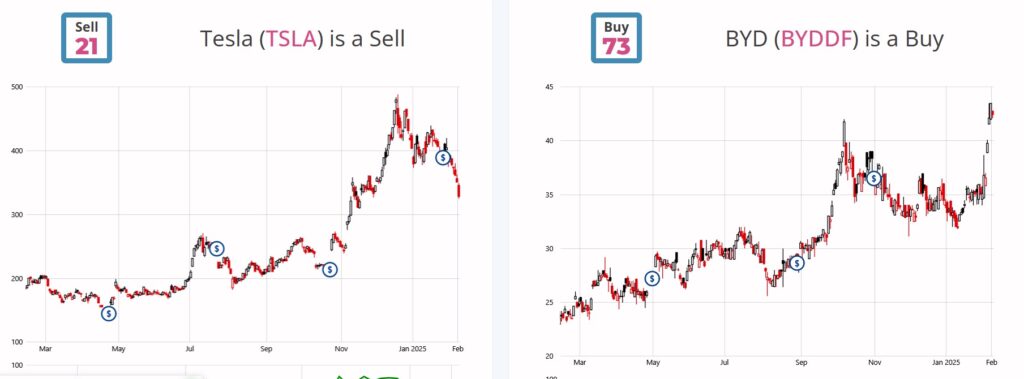
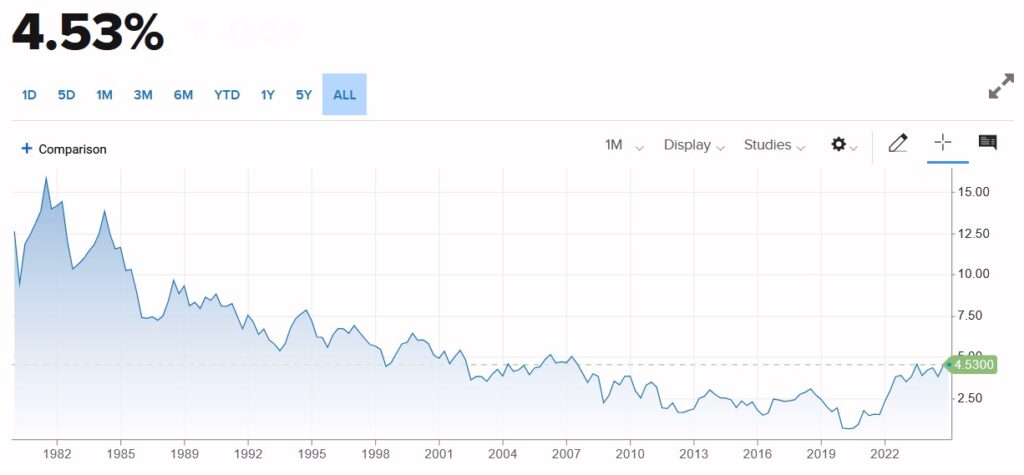
bookmark_borderProtectionism 101: Trump Economics

Most of Trump’s policies are based on common misconceptions and in fact contradict established economic principles. To begin with, the U.S. government often subsidizes companies to keep operations domestic. This can make our products more expensive and our businesses less efficient and competitive. A notable example is electric vehicles (EVs). The U.S. heavily subsidizes EVs, yet we claim we are not, instead asserting that China does this without evidence. Consequently, we impose a 100% tariff on Chinese EVs. As a result, the U.S. lacks competitively priced, domestically produced EVs. Our EV industry has become uncompetitive and inefficient, while China has emerged as the powerhouse of EV manufacturing worldwide. This is just one example of how U.S. misunderstandings of trade have led to our own decline while contributing to China’s rise. These policies have been both Republican and Democratic. Trump’s policies, which are even more misguided and are intended to do this to every industry, are set to accelerate our decline rapidly. World economists estimate that our economy will be devastated within 1 year and 9 months.

For more information on this example see “BYD” and NEV sales. For another devastating example of protectionism see “Deep Seek” and large language model AI.

Protectionist policies have significantly influenced the global landscape of artificial intelligence (AI) and electric vehicles (EVs), creating distinct winners and losers across various industries.

Beneficiaries:

  • China:
    • BYD: A leading Chinese EV manufacturer, BYD has capitalized on domestic support and reduced foreign competition due to protectionist measures.
    • DeepSeek: This Hangzhou-based AI startup has emerged as a formidable player, developing advanced AI models like DeepSeek-R1. Notably, DeepSeek achieved these advancements at a fraction of the typical cost and energy consumption, democratizing AI development and enabling smaller firms to compete.

Adversely Affected:

  • United States:
    • Automotive Companies: Major U.S. automakers such as Ford and General Motors face challenges from increased tariffs and restricted access to international markets, impacting their competitiveness in the EV sector.
    • Technology Firms: Leading tech companies, including Nvidia, Intel, IBM, Qualcomm, Cerebras Systems, Graphcore, Tesla, Baidu, OpenAI, SambaNova, Microsoft, and Apple, have encountered setbacks due to protectionist policies. For instance, Nvidia experienced a significant decline in market capitalization following DeepSeek’s announcement of its R1 model, highlighting the disruptive potential of emerging competitors. For an idea of how costly protectionism can be to the US, Nvidia lost $593 billion in market value the day Deep Seek was announced.

The ripple effects of protectionism extend beyond these industries, notably impacting the energy sector—encompassing electricity, natural gas, and nuclear power—due to shifts in production and consumption patterns driven by evolving trade policies.

Beyond economic implications, protectionist measures can lead to significant technological and military consequences, as nations may struggle to access critical innovations or maintain strategic advantages in key sectors.

If you are interested in a historical example, the Smoot-Hawley Tariff Act of 1930 raised tariffs on imports to the United States, which contributed to the Great Depression. In fact, Trump’s policies, combined with bypassing the law and ignoring the Constitution by not having Congress codify legislation, make it appear as though our current economic downturn is accelerating. This is why world leaders and economists are not overly concerned; most agree they will tolerate current U.S. policies creating economic instability and that the collapsing economy will occur before the midterms. After the midterms, he will likely be toothless, if not impeached.

UPDATES: BYD’s Breakthrough Charging Tech Exposes the Pitfalls of U.S. Protectionism in the EV Market

How BYD Surpassed Tesla: The Role of Innovation, Tariffs, and Free Market Dynamics

Tesla vs. BYD
Tesla vs. BYD

MORE EDUCATIONAL MATERIALS ON TRUMP TARIFFS

Déjà Vu Economics: How Trump’s Deregulation and Tariff Policies Mirror the Road to the Great Depression

Trumpenomics: How Tariffs, Policy Cuts, and Labor Shortages Are Devastating American Farmers

The Devastating Impact of Trump’s Steel and Aluminum Tariffs

World Economics 101: The United States and Global Trade Dynamics

The Lies Behind Trump’s Terror Economics

Trumpenomics: The Decline of the US

bookmark_borderEconomic Update: The Path to Disaster

The Republican Party is driving the U.S. economy off a cliff, and the consequences are unfolding in real time. The good news? Trump’s team is imploding under the weight of its own reckless and poorly planned policies. The bad news? The so-called “Make America Great Again” agenda is achieving the exact opposite—weakening the country economically, politically, and diplomatically.

One silver lining is that nearly all of Trump’s Executive Orders (EOs) are built on shaky legal ground. Since they lack congressional approval, most will collapse like a house of cards. For example, Trump’s attempt to use tariffs as a revenue source to offset the budget deficit is fundamentally flawed—tariff revenue cannot be used this way unless Congress explicitly authorizes it. Given that the Republican Party has historically opposed taxation, it’s highly unlikely that this EO will ever be codified into law.

Economic Turmoil at Home and Abroad

Both the U.S. and global economies are experiencing unprecedented instability. Stock markets are on edge, interest rates remain high, inflation is still squeezing household budgets, and consumer confidence is plummeting. Meanwhile, Trump’s erratic trade policies—particularly his obsession with tariffs—are adding further uncertainty, disrupting supply chains, and increasing costs for American businesses and consumers.

Internationally, the damage is just as severe. The U.S. has alienated its closest allies through economic bullying and diplomatic incompetence. Relations with Canada and Mexico—our largest trading partners—are deteriorating, and Trump’s isolationist rhetoric has pushed the European Union and other key allies to seek alternative economic partnerships.

And now, in a shocking escalation of global instability, the Trump administration is preparing to seize Gaza—a move so reckless it defies comprehension. This will not only deepen existing geopolitical tensions but also further isolate the U.S. on the world stage.

Climate Policy: The Greatest Threat to Humanity

Of all the Republican Party’s dangerous policies, its stance on climate change is by far the most catastrophic. The continued promotion of fossil fuels, the aggressive rollback of environmental protections, and the outright denial of climate science are accelerating planetary destruction at an unprecedented rate.

If we continue down this path, vast regions of the planet will become uninhabitable within this century. This will lead to mass displacement, food and water shortages, and geopolitical instability on a scale never before seen in human history. The consequences won’t just last for decades or even centuries—climate disruptions and ecological collapse will shape life on Earth for millions of years.

We are already witnessing the devastating effects:

  • Record-breaking temperatures are making entire regions unlivable.
  • Wildfires are more frequent and intense, destroying homes, forests, and livelihoods.
  • Ecosystems are collapsing, with mass extinctions already underway.
  • Storms and flooding are worsening, causing billions in damages and displacing populations.

Despite this overwhelming evidence, Republican leadership continues to double down on climate denial. Instead of investing in renewable energy and sustainable infrastructure, they are working to expand fossil fuel production and dismantle climate policies that were designed to prevent catastrophe.

A Legacy of Destruction

Future generations will look back at this moment in history with disbelief and anger, wondering how a political movement could have been so willfully blind to the destruction it enabled. The question isn’t whether disaster is coming—it’s how much damage will be done before enough people demand change.

How long until the masses wake up and realize that the very policies they were sold as “America First” are actually ensuring America’s downfall?

bookmark_borderThe Lies Behind Trump’s Terror Economics

Article originally published February 4, 2025 in anticipation of tariffs on Mexico and Canada

The primary purpose of Trump’s tariffs is not economic growth or national security—it’s to fund his anti-humanity policies, particularly the billions of dollars required for mass deportation. Unfortunately, both his tariff policies and immigration restrictions have devastating effects on the U.S. economy, creating a dangerous cycle of economic instability and political deception.

Violation of Existing Trade Agreements

One of the most glaring contradictions in Trump’s proposal is that the United States already has a free-trade agreement with Mexico and Canada: the United States-Mexico-Canada Agreement (USMCA). This deal, which was implemented and widely touted as a signature achievement of Trump’s first term, replaced NAFTA and strengthened trade relations between the three nations. Imposing new tariffs would directly violate the terms of the USMCA, undermining the agreement and potentially sparking retaliation or trade disputes.

Circumventing Congressional Authority

Tariffs are a matter that traditionally requires Congressional approval under U.S. law. Trump’s plan to bypass this requirement involves declaring Mexico and Canada as security threats to justify the tariffs through executive action. While this approach exploits legal loopholes, it would almost certainly face challenges in court. Congress has constitutionally enshrined authority over trade, and using national security as a pretext for tariffs risks further eroding trust in executive restraint.

Trump’s Tariff Reversal: A Fake Victory

On February 3, 2025, Trump abruptly suspended the implementation of additional tariffs on Mexico and Canada. While he claimed this as a major negotiating victory, the reality tells a different story. The so-called “concessions” from Mexico and Canada were, in fact, pre-existing agreements that Trump has simply rebranded to appear as new achievements.

For example, in 2019, Trump secured an agreement with Mexico to deploy 15,000 troops to its southern border to curb migration. Now, the recently announced deployment of 10,000 troops is not an increase, but a reduction from that agreement. Similarly, the so-called “deal” with Canada was already announced in December 2024 under President Biden. Trump’s claims of securing new victories are nothing more than political theater designed to mask the damage caused by his reckless policies.

The Economic Damage and Republican Civil War

While the temporary tariff suspension is a win for the economy, common sense, and humanity, it is unlikely to last. Trump still needs to raise revenue to fund his disastrous immigration enforcement plans, and tariffs remain one of his primary tools to do so. These import taxes, however, disproportionately harm American consumers and businesses, leading to higher prices, supply chain disruptions, and reduced economic growth.

This presents a major dilemma for Trump and the Republican Party. Trump was already the largest contributor to the national debt during his first term, and economic forecasts indicate that his current policies could add more to the debt than all Democratic presidents combined throughout U.S. history. Given the Republican Party’s long-standing tradition of advocating for fiscal responsibility, Trump’s reckless spending could spark an all-out civil war within the GOP. The Freedom Caucus, known for its hardline stance on debt and government spending, is likely to lead the charge against Trump’s economic policies.

The Bigger Picture: Trump’s Economic Deception

Trump’s so-called “America First” economic strategy is built on a foundation of deception. His tariffs are nothing more than hidden taxes on the American people, and his immigration policies are not just inhumane—they are economically catastrophic. As his administration scrambles to balance contradictory goals of mass deportation and economic stability, the cracks in his strategy are already showing.

The real question is whether the Republican Party will continue to enable Trump’s reckless economic agenda or whether the internal conflict over fiscal responsibility will finally force a reckoning. One thing is clear: Trump’s terror economics is a losing game—not just for him, but for the entire country.


More Trump Lies and Consequences:

Trump’s Proposed Tariffs on Mexico and Canada: A Policy Analysis

Trumpenomics: How Tariffs, Policy Cuts, and Labor Shortages Are Devastating American Farmers

The Devastating Impact of Trump’s Steel and Aluminum Tariffs

World Economics 101: The United States and Global Trade Dynamics

Protectionism 101: Trump Economics

bookmark_borderThe Economic and Diplomatic Consequences of Trump’s Tariff Expansion

by Daniel Brouse
February 2, 2025

In November 2024, President Trump announced plans to levy new tariffs on Canada and Mexico, while also increasing tariffs on China. This policy shift, formalized through an executive order on February 1, 2025, imposed 25% tariffs on Canadian and Mexican imports and increased tariffs on Chinese goods by an additional 10%, bringing the total to 35% on most products. further escalating trade tensions. Additionally, the administration signaled plans to impose tariffs on the European Union and all oil and gas imports. These aggressive trade policies raise significant economic and diplomatic concerns, with historical precedent suggesting that such measures could have severe long-term consequences.

Economic Ramifications of Tariffs

Tariffs function as taxes on imports, costs that are often passed down to businesses and consumers. The newly imposed 25% tariffs on goods from Mexico and Canada, along with the increased tariffs on Chinese imports, have the following potential consequences:

  • Higher Prices for Consumers: American consumers will face rising costs on everyday necessities such as food, automobiles, electronics, and industrial goods. As businesses absorb these costs, they are likely to pass them on through higher prices.
  • Supply Chain Disruptions: The U.S. economy relies on deeply integrated supply chains with Mexico and Canada, particularly in the automotive, agriculture, and manufacturing sectors. Increased tariffs disrupt cross-border production, making goods more expensive and less competitive in global markets.
  • Retaliatory Tariffs Hurting U.S. Exporters: Canada and Mexico are the United States’ top trading partners, and both countries are expected to retaliate with their own tariffs on American goods. This will make U.S. exports less competitive, leading to declining sales and potential job losses in export-driven industries.
  • Heightened Inflationary Pressures: At a time when inflation remains a concern, higher import costs could exacerbate inflation, reducing consumer purchasing power and slowing economic growth.

Diplomatic and Geopolitical Consequences

Trade policies are not just economic decisions—they have far-reaching diplomatic implications. Implementing tariffs on two of America’s strongest allies and largest trading partners could have several repercussions:

  • Strained Relations with Canada and Mexico: Both countries have been key security and trade allies. Alienating them through aggressive trade measures undermines diplomatic relations and weakens North American economic cooperation at a time when global competition, particularly from China, necessitates stronger regional unity.
  • Reduced Trust in U.S. Trade Agreements: By unilaterally imposing tariffs, the U.S. risks being seen as an unreliable trade partner. This could deter future negotiations and complicate efforts to secure beneficial trade deals.
  • Global Trade Uncertainty: The expansion of tariffs to include the European Union and energy imports could trigger broader trade disputes, further fragmenting global trade networks and slowing economic recovery efforts worldwide.

Historical Parallels: A Dangerous Precedent

The last time the U.S. pursued such aggressive protectionist policies was in the lead-up to the Great Depression. The Smoot-Hawley Tariff Act of 1930, which significantly raised tariffs on foreign goods, triggered retaliatory measures from trading partners, severely reducing global trade and deepening the economic downturn. Economists widely regard these policies as having exacerbated the Depression.

Trump’s 2025 tariff expansion mirrors this historical precedent, increasing the risk of trade wars, economic contraction, and prolonged global instability. At a time when the U.S. economy is facing challenges such as inflation, supply chain vulnerabilities, and international competition, the imposition of widespread tariffs could prove to be an ill-advised economic gamble with far-reaching consequences.

Conclusion

While proponents of protectionist policies argue that tariffs can protect domestic industries, the reality is often far more damaging. Higher costs, disrupted supply chains, diplomatic fallout, and retaliatory measures outweigh any short-term economic gains. History has shown that aggressive tariff policies rarely lead to long-term prosperity—rather, they invite economic hardship and global instability. If history is any guide, these new tariffs may be a prelude to severe economic consequences, echoing the mistakes of the past.

bookmark_borderRecord Taxation Starts Now

by Daniel Brouse
January 31, 2025

We haven’t seen taxation like this since the era of tariffs that contributed to the Great Depression.

Today, the White House announced that President Donald Trump will implement new tariffs starting tomorrow, February 1, 2025. These tariffs include a 25% levy on imports from Canada and Mexico, and a 10% levy on goods from China.

President Trump stated that there is nothing Canada, Mexico, or China can do to prevent these tariffs, emphasizing his commitment to enforcing them.

The administration has indicated that these measures are part of a broader strategy to address trade imbalances and protect domestic industries.


ADDITIONAL RESOURCES

Economic Outlook

Trump’s Proposed Tariffs on Mexico and Canada: A Policy Analysis

The Trump Trade

The True Costs (and Benefitlessness) of a Trump Economy

bookmark_borderThe Link Between GDP and Immigration

by Daniel Brouse
January 31, 2025

In the most recent quarter, the U.S. GDP experienced a decline, coinciding with historically low levels of immigration over the past few quarters. This is not a coincidence—there is a well-documented and direct relationship between economic growth and immigration. In modern times, immigration has accounted for approximately 80% of GDP growth, as new workers, consumers, and entrepreneurs contribute to economic expansion, productivity, and innovation.

With the current restrictive immigration policies, the U.S. economy faces a significant risk of contraction. A shrinking labor force leads to slower business growth, increased labor shortages, and reduced consumer demand—all of which hinder GDP expansion. Additionally, declining immigration reduces the number of younger workers paying into Social Security and Medicare, exacerbating long-term fiscal challenges.

If current trends continue, the economy is expected to suffer severe negative consequences, including slower growth, rising inflationary pressures due to labor shortages, and weakened global competitiveness. Addressing immigration policy is not just a social or political issue—it is an economic imperative.

ADDITIONAL RESOURCES

Economic Outlook

Trump’s Proposed Tariffs on Mexico and Canada: A Policy Analysis

Economic Facts on Immigration, Budget Deficits and Inflation

Immigration and the Wage Inflation Spiral

The True Costs (and Benefitlessness) of a Trump Economy

bookmark_borderHow Risk Management Turns to Crisis Management

by Daniel Brouse
December 23, 2024

I have spent my life in the study and implementation of risk management. I obtained degrees with honors and academic accolades in economics, philosophy, and logic, including becoming the youngest subscriber to the Federal Reserve’s “Beige Book,” the country’s youngest university-level statistics tutor, and an inductee into both the Pi Gamma Mu and Phi Sigma Tau honor societies. This foundation was followed by 40 years of research, development, and real-world experience in risk management.

By the 1990s, it had become clear that the greatest risk to humans is, indeed, humans. First, climate change climbed from a substantial risk to an impending crisis. By the 2000s, the aging population emerged as the leading risk to short-term economic sustainability. Today, these two risks—human-induced climate change and an aging population—have combined and evolved into an existential crisis.

This is not to say that we should give up hope or abandon ship. Quite the contrary. Acknowledging the gravity of our circumstances makes it essential to invoke a robust and effective crisis management plan. What follows is an exploration of these intertwined crises and the paths forward to mitigate them.


The Rise of Human-Induced Climate Change

Climate change represents is the most profound example of a long-ignored risk evolving into a crisis. For decades, scientists and policymakers issued warnings about rising global temperatures, extreme weather events, and the cascading effects of environmental degradation. Despite this, global emissions and deforestation rates surged, driven by short-term economic priorities and political inertia.

The impacts are now undeniable. Wildfires, hurricanes, droughts, and floods have intensified, costing lives and overwhelming economies. Infrastructure built for past climates struggles to withstand today’s conditions, let alone those of the future. Furthermore, climate change disproportionately affects vulnerable populations, exacerbating global inequities and threatening social stability.

Complex feedback loops in climate science refer to interactions between different components of the Earth’s climate system that can amplify or dampen the effects of initial changes, leading to non-linear and often unpredictable outcomes. These feedback loops play a crucial role in shaping the behavior of the climate system and can influence various climate phenomena, including temperature changes, ice melt, and precipitation patterns. Tipping points are Critical Milestones that directly impact the rate of acceleration in climate change by multiplying the number and intensity of feedback loops. Identifying and understanding these tipping points is crucial for climate science and policymaking. Crossing multiple tipping points has led to the domino effect, resulting in much more rapid and severe climate change than previously projected.

Addressing this crisis requires immediate and coordinated action:

  • Transitioning to renewable energy: Fossil fuels must be phased out in favor of sustainable alternatives.
  • Implementing adaptive infrastructure: Cities and communities need to be redesigned to withstand the challenges of a changing climate.
  • Global cooperation: International agreements like the Paris Accord must be strengthened and enforced to meet ambitious targets.
  • Reducing pollution and greenhouse gases: Fossil fuel pollution is the leading cause of death worldwide and the greatest contributor to the climate crisis. Mitigating this requires aggressive policies to limit emissions and promote cleaner technologies.


The Economic Risks of an Aging Population

Parallel to the climate crisis is the demographic challenge of aging populations, particularly in developed nations. By the 2000s, it became clear that declining birth rates and increasing life expectancy were reshaping economic landscapes. Pension systems, healthcare infrastructure, and labor markets are all under strain.

Economic growth slows as the working-age population shrinks relative to retirees. Healthcare costs soar, and governments face mounting fiscal pressures. Wealth disparities exacerbate these challenges, as those without adequate savings face severe hardship in retirement.

Key strategies to address this demographic shift include:

  • Reforming healthcare and pensions: Systems must be made more efficient and sustainable.
  • Encouraging workforce participation: Policies that enable older adults to remain in the workforce longer can help ease economic pressures.
  • Investing in education and technology: Automation and productivity-enhancing technologies can offset labor shortages.
  • Demographic Solutions: Encouraging higher birth rates or increasing immigration can help stabilize the worker-to-retiree ratio. Mass immigration is likely the only viable solution for addressing both short-term and long-term challenges.

Bridging the Crises: An Integrated Approach

The climate and demographic crises are interconnected. Climate change disproportionately affects the elderly, who are more vulnerable to heatwaves, natural disasters, and health impacts. Simultaneously, the economic strain of aging populations limits resources available for climate mitigation and adaptation.

Addressing these crises requires an integrated approach that considers both environmental and economic sustainability. Policymakers, businesses, and individuals must work together to:

  • Redesign tax systems: Taxes should incentivize sustainable practices and ensure equitable contributions from all sectors.  Ideally, taxation should focus primarily on fossil fuel combustion. Pollution from fossil fuels is the leading cause of death globally. While the cost of human life is immeasurable, the associated increase in healthcare expenses places a significant burden on the economy. Additionally, the societal costs of climate change — driven largely by fossil fuel combustion — likely represent an even greater economic and environmental challenge. Redirecting taxation in this way could incentivize cleaner energy alternatives while addressing these critical issues. A 100% tax on a barrel of oil and a 1,000% tax on a ton of coal could significantly reduce wealth inequality while simultaneously fostering a sustainable economy.
  • Reduce wealth disparities: Closing the wealth gap can enhance resilience and provide resources for climate action. Taxing fossil fuel combustion could be the single largest factor in creating a more equitable future.
  • Embrace innovation: Technologies that address both climate and economic challenges must be prioritized.

Conclusion: From Crisis to Opportunity

Acknowledging the dual crises of climate change and an aging population is not a sign of defeat but a call to action. Humanity has faced existential threats before and emerged stronger through innovation, cooperation, and resilience. By transitioning from risk management to effective crisis management, we can not only mitigate these challenges but also build a more sustainable and equitable future.

What follows are detailed papers on the sustainability of our environment and economy, including energy, taxation, debt, healthcare, and wealth disparity. These explorations aim to provide actionable insights and solutions to navigate this critical juncture in human history.

The Human Induced Climate Change Experiment

Climate Change and Insurance: Costs, Availability, and Sustainability

Balancing the Books: How Public-Private Healthcare Models Can Sustain Economic Growth

Taxation in a Changing World: Challenges, Inefficiencies, and Paths to Sustainability

Wealth Taxes Are Illogical

Economic Outlook 2025 – 2035

bookmark_borderWhy Are Rates Rising While the Federal Reserve is Cutting?

by Daniel Brouse
December 21, 2024

At first glance, it seems counterintuitive: the Federal Reserve is cutting interest rates, yet most other interest rates, particularly long-term ones, are rising. To understand this phenomenon, we need to examine the interplay of economic forces shaping the financial landscape.

A Strong Economy Fuels Rising Rates

The current U.S. economy remains robust, marked by strong employment numbers and resilient consumer spending. Wage inflation is another contributing factor, as tight labor markets push wages higher. These dynamics create upward pressure on long-term interest rates because lenders demand higher returns to compensate for the inflationary environment. Investors anticipate continued economic growth, which increases the demand for credit and drives up yields on longer-term bonds.

Long-Term Rates Reflect Uncertainty and Risk

The Federal Reserve’s interest rate cuts primarily influence short-term borrowing costs. However, long-term rates are determined by broader market forces, including expectations about inflation, fiscal policy, and economic stability. With a bleak outlook for fiscal responsibility under the next administration, markets are pricing in higher risks, leading to a rise in long-term interest rates. Concerns about rising deficits and government spending exacerbate this trend, as they fuel fears of inflation and creditworthiness.

The Highest Rates Since 2007

This dynamic has pushed long-term interest rates, such as those on 10-year Treasury bonds, back to levels not seen since 2007. This rise signals a return to pre-financial-crisis conditions where borrowing costs were higher, reflecting a stronger economy but also heightened financial risks. Higher long-term rates affect mortgages, corporate loans, and consumer credit, making borrowing more expensive across the board.

A Complex Outlook

While the Federal Reserve is attempting to manage short-term economic stability through rate cuts, its actions are counterbalanced by market forces driving long-term rates upward. The disconnect highlights the complexity of today’s financial environment, where strong economic fundamentals coexist with uncertainty about the future.

The key takeaway? Rising long-term rates amidst Fed rate cuts reflect a confluence of economic strength, wage-driven inflation, and fiscal uncertainty. For businesses and consumers, this underscores the importance of cautious financial planning in a period of mixed signals and evolving risks.

10-Year Treasury Yield (2024)

Debunking Economic Myths: Misleading Narratives and the Path to Real Progress

Business and the Economy

bookmark_borderTaxation in a Changing World: Challenges, Inefficiencies, and Paths to Sustainability

by Daniel Brouse
December 3, 2024

Taxation is a complex and often misunderstood subject, particularly in discussions around income inequality and the role of billionaires in the economy. Many posts oversimplify or misrepresent the nature of taxation and its broader impacts. Developing a nuanced understanding of taxation, including its economic effects and societal implications, is crucial to forming informed opinions.

The Tax Cuts and Jobs Act (TCJA) of 2017 was the most recent significant change to personal and corporate income taxes in the United States. For individuals, the TCJA lowered tax rates across most income brackets, increased the standard deduction, and limited certain deductions such as the state and local tax (SALT) deduction. These changes are scheduled to sunset at the end of 2025, at which point pre-TCJA tax rates and deductions would be reinstated unless Congress enacts new legislation. Both major political parties have expressed varying levels of support for extending or modifying these provisions, emphasizing the middle-class tax benefits they provide.

Taxes as a Net Cost to Society

From an economic perspective, taxation imposes costs beyond the direct financial burden on individuals or businesses. These include:

  1. Administrative Costs: The resources spent by governments and taxpayers to comply with tax laws.
  2. Economic Distortions: Taxes can alter incentives, potentially discouraging productive activities like investment or work in favor of tax-advantaged alternatives.
  3. Wealth Redistribution: While taxation can address income inequality, poorly designed tax systems may have unintended consequences, such as discouraging innovation or entrepreneurship.

However, taxes also fund essential public services and infrastructure, contributing to societal stability and growth. The challenge lies in designing tax systems that balance revenue generation with minimal economic disruption.

The Unsustainability of Taxation

Increasing taxes to sustain social services is becoming increasingly unsustainable, particularly in aging populations. Governments worldwide are grappling with the long-term fiscal challenges posed by demographic shifts, rising healthcare costs, and pension obligations.

European Examples: Lessons in Fiscal Strain

Countries like France illustrate the challenges of maintaining social safety nets. In 2023, France raised its retirement age from 62 to 64 to address shortfalls in its pension system. The move sparked widespread protests, strikes, and significant political backlash, threatening the stability of the government. The resistance reflects a broader societal tension between the expectation of robust social benefits and the economic reality of funding them.

Other European nations, such as Germany and Italy, face similar issues, with rapidly aging populations putting unprecedented strain on public finances. For example, Germany has introduced policies to increase immigration in an attempt to mitigate workforce shortages and stabilize its pension system.

The U.S. Context: Social Security and Medicare

In the United States, Social Security and Medicare are on similarly precarious trajectories. Both programs rely on payroll taxes, which are increasingly insufficient to cover costs due to a declining worker-to-retiree ratio. As of 2023, projections indicate that the Social Security Trust Fund will be depleted by 2034, at which point benefits could be reduced by approximately 20-25% if no reforms are enacted. Medicare faces a similar shortfall, with its Hospital Insurance Trust Fund projected to run out by 2028.

Proposed solutions to these issues—such as raising the retirement age, increasing payroll taxes, or reducing benefits—are politically contentious and face significant public opposition.

Why Taxation Alone Cannot Solve the Problem

While raising taxes might appear to be a straightforward solution, it faces several challenges:

  1. Economic Growth: Higher tax rates, particularly on income or capital, can discourage investment, entrepreneurship, and labor participation, potentially slowing economic growth.
  2. Population Dynamics: Aging populations mean fewer workers to support a growing number of retirees. Even significantly higher taxes on the billionaires will not generate enough revenue to sustain rising costs.
  3. Public Backlash: As seen in France, attempts to reform tax and benefit structures often lead to widespread protests, making meaningful policy changes politically risky.

Toward Sustainable Solutions

The unsustainability of taxation highlights the need for broader systemic reforms:

  • Economic Growth Strategies: Policies that encourage workforce participation, innovation, and productivity can help offset the fiscal impact of aging populations.
  • Healthcare Reforms: Addressing inefficiencies and cost drivers in healthcare systems can reduce the burden on public finances.
  • Demographic Solutions: Encouraging higher birth rates or increasing immigration can help stabilize the worker-to-retiree ratio. Mass immigration is likely the only viable solution for addressing both short-term and long-term challenges.
  • Private Sector Integration: Expanding private retirement savings programs and healthcare options can alleviate some pressure on public systems.

The Best Use of Taxation

Ideally, taxation should focus primarily on fossil fuel combustion. Pollution from fossil fuels is the leading cause of death globally. While the cost of human life is immeasurable, the associated increase in healthcare expenses places a significant burden on the economy. Additionally, the societal costs of climate change—driven largely by fossil fuel combustion—likely represent an even greater economic and environmental challenge. Redirecting taxation in this way could incentivize cleaner energy alternatives while addressing these critical issues. A 100% tax on a barrel of oil and a 1,000% tax on a ton of coal could significantly reduce wealth inequality while simultaneously fostering a sustainable economy.

Wealth Taxes Are Illogical

Business and the Economy