bookmark_borderSea Level Denial vs. Climate Reality: The Accelerating Collapse of Ice Sheets and Ocean Circulation

by Daniel Brouse
August 29, 2025

Here’s an example response you can use when confronting a climate denier—this one addresses the accelerating rise in sea levels and the collapse of the AMOC.

The climate denier said to me: “What an absolute load of BS. Sea level hasn’t changed to ANY verifiable degree in 2,000 years. Sit down, and STFU.”

I replied:
Wrong. Sea level rise has already accelerated far beyond your denialist talking point. For most of the past 2,000 years, sea levels were relatively stable. But since the industrial revolution, we’ve seen an exponential shift. Sea level rise was doubling at a rate of about every 100 years. A decade ago, that doubling time dropped to every 10 years. Now, it is doubling every two years. And that still doesn’t account for the compounding feedback loops currently destabilizing the system.

For example, the collapse of the Atlantic Meridional Overturning Circulation (AMOC) is slowing ocean circulation, heating the tropics, warming the Arctic, and accelerating polar ice melt—all of which cause faster sea level rise. Melting Greenland and Antarctic ice also inject massive volumes of freshwater into the North Atlantic, further destabilizing the AMOC in a reinforcing loop.

The same disrupted system drives Amazon drought and dieback, reducing its ability to recycle rainfall and store carbon. That adds more greenhouse gases to the atmosphere, which further accelerates warming, ice melt, and sea level rise. Meanwhile, the albedo effect from melting ice, brown carbon from megafires, and permafrost methane releases are amplifying the chaos.

To put numbers on it:

  • Greenland alone holds enough ice to raise sea levels by ~20 feet, much of which is already destabilizing.

  • West Antarctica could add another 10 feet within decades.

  • Sudden “cork release” pulses of 1–3 feet per year are possible once key ice sheet thresholds break.

  • The East Antarctic Ice Sheet, the true wildcard, holds ~170 feet of potential rise.

This isn’t speculation—it’s backed by observational data, paleoclimate records, and validated climate models. My own work, alongside colleagues, uses a probabilistic, ensemble-based climate model that integrates complex socio-economic and ecological feedback loops within a dynamic, nonlinear system. Our projections indicate global temperatures could rise up to 9°C this century—far exceeding earlier estimates. That level of warming virtually guarantees catastrophic sea level rise.

You can yell “BS” all you want, but physics doesn’t care about emojis and denial. The evidence is overwhelming, and if you’d like to attempt literacy, here’s a starting point:
👉 http://membrane.com/global_warming/Ignite-a-Domino-Effect.html

The Human Induced Climate Change Experiment

bookmark_borderThe Alarming Rise of Political Eugenics in U.S. Public Health Policy

The Trump administration has reignited global concerns about eugenics through its direct interference in science and public health. The latest controversy centers on the firing of the CDC director, followed by the resignation of four senior colleagues in protest. Their departures, citing the politicization of the agency and the deliberate manipulation of scientific data, mark a troubling erosion of trust in one of the world’s most critical health institutions.

Compounding the crisis, Robert F. Kennedy, Jr. has advanced policies that eliminate COVID-19 vaccinations for nearly the entire population, leaving access only for a select few. This decision is widely interpreted by public health experts as an assault on the most vulnerable groups—the elderly, the immunocompromised, and those with chronic illnesses. By stripping away essential protections, these moves are viewed as a calculated attempt at social Darwinism, where the weakest are effectively abandoned to disease.

Such actions reflect a disturbing convergence of politics and ideology with echoes of eugenics. Public health policy is being weaponized not to protect life, but to selectively determine whose lives are valued. The consequences are dire—not only for those directly at risk of COVID-19, but for the precedent it sets in allowing governments to ration care and manipulate science for ideological ends.

We don’t actually know who can get vaccinated right now—it’s not clear who is eligible, and it’s not even clear if insurance will consistently cover the cost. That uncertainty isn’t accidental. The committee responsible for approving the shot has been stacked with liars and frauds and isn’t even scheduled to meet until later in September. Under normal circumstances, the booster would have been approved months ago by a legitimate board.

This eugenics push is designed to create confusion, cast doubt on science, and restrict access to life-saving care. White House Deputy Chief of Staff Stephen Miller’s ultimate aim is to control reproduction and increase the occurrence of traits he and his allies deem “desirable,” with their main thrust being to weed out the “weak” before they breed. Stephen Miller has even defended HHS Secretary Robert F. Kennedy, Jr. after the firing of CDC Director Susan Monarez, calling Kennedy “one of the world’s foremost voices, advocates, and experts on public health,” and praising him as “a crown jewel of this administration” working to “restore the credibility and integrity of the CDC as a scientific organization.”

But the danger extends to the entire population—we already saw the deadly consequences during Trump’s first administration, when millions died needlessly.

This moment demands vigilance. Scientists, health professionals, and the public must recognize the stakes: the erosion of evidence-based policy, the marginalization of vulnerable populations, and the dangerous normalization of eugenic thinking in modern governance.

Trumpenomics: The Decline of the US

bookmark_borderWhy Fasting Beyond 12 Hours Can Harm Your Health—and What to Do Instead

by Daniel Brouse
August 26, 2025

Fasting has gained popularity in recent years as a supposed way to detox, lose weight, or improve longevity. However, the science tells a more complex story. While short periods without food may not be harmful for everyone, prolonged fasting—especially beyond 12 hours—can negatively affect your health in significant ways.

The Hidden Risks of Extended Fasting

Going without food for more than half a day disrupts the delicate balance of gut bacteria, which play a central role in overall health. When your gut microbiome is weakened, it compromises your immune system and can lead to systemic issues throughout the body. Research shows that disruptions in gut bacteria are linked to inflammation, poor digestion, and weakened disease resistance.

This imbalance doesn’t stop at digestion. A compromised gut microbiome has cascading effects on:

  • The gut-brain axis, influencing mood, cognition, and mental health.

  • The liver and kidneys, which become stressed without a steady supply of nutrients.

  • The stomach and intestines, where prolonged fasting can reduce protective mucosal lining and impair digestion.

  • The cardiovascular system, as fasting can disturb electrolyte balance and blood pressure regulation.

  • Neurological function, since the brain depends on steady glucose and nutrient delivery to operate optimally.

A Better Alternative: Balanced Small Meals

Rather than fasting, a more sustainable and health-supportive approach is eating four small meals per day. These meals should prioritize whole, non-processed foods rich in fiber, vitamins, and minerals. Most importantly, they must include complete proteins—nutrients essential for maintaining muscle, supporting cellular repair, and sustaining immune function.

Complete proteins are found in meat, dairy, and eggs. At least one small meal each day should include them to ensure the body receives the full range of essential amino acids. Notably, certain beneficial gut bacteria can only be supported through the consumption of bovine protein, highlighting the unique role animal proteins play in human health.

The Takeaway

While fasting may sound like a quick fix for health or weight loss, the risks often outweigh the benefits. Extended fasting undermines gut health, weakens immunity, and stresses vital organs. A diet of four balanced small meals, rich in unprocessed foods and complete proteins, provides a safer and more effective foundation for long-term health and vitality.

The gut microbiome goes through several important shifts over the course of a day, and these changes are closely tied to the body’s circadian rhythm. When fasting periods extend too long, this rhythm can be disrupted, throwing off the natural balance of microbial populations. These daily microbial cycles play a central role in regulating the sleep–wake cycle—certain populations become more active in the morning to help the body wake up, while others support rest and recovery at night. Coffee also connects into this system: research shows that drinking about two cups in the morning is associated with longer lifespan and multiple health benefits. Interestingly, these benefits appear to be strongest when coffee and a healthy morning gut microbiome are working in harmony.

Equally critical is the role of gut bacteria in nutrient metabolism. Most vitamins—especially B vitamins and vitamin K—depend on good gut bacteria for proper absorption and utilization. Without a healthy microbiome actively working throughout the day, even a nutrient-rich diet can fall short because your body simply can’t metabolize those vitamins effectively.

So while shorter fasting windows (12 hours or less) might be manageable for some, extending beyond that risks weakening both circadian balance and vitamin metabolism—two foundations of overall health.

Good Gut Bacteria

COVID, fasting, and other conditions can destroy good gut bacteria, resulting in a compromised immune system. Gut bacteria play several key roles in maintaining health, including communicating with the immune system and producing essential vitamins. Without healthy gut bacteria, even a vitamin-rich diet may not be effective—your body cannot properly metabolize most vitamins without them.

Most people first develop beneficial gut bacteria through their mother’s breast milk. Once lost, however, good gut bacteria are very difficult to reestablish. Ideally, breastfeeding for at least six months provides the foundation, but for adults, this is obviously not an option.

To rebuild a healthy microbiome, the body needs the right conditions:

  • Diversity of bacteria: 300–500 different strains.

  • Chemical building blocks for fermentation.

  • Ample dietary fiber, which is crucial for sustaining bacterial health.

It’s important to note that juicing and blending often remove or destroy much of the fiber. The best dietary sources of fiber include:

  • Beans and legumes

  • Whole grains

  • Brown rice

  • Popcorn

  • Nuts

  • Baked potatoes with skin

  • Berries

  • Bran cereal

Additionally, resistant starch is especially beneficial for gut bacteria. Good sources include cooked and cooled rice or potatoes, as well as whole grains like barley and oats.

Understanding Good Gut Bacteria

Guide To Edible Plants and Health Foods

NAD+ Plus Immune Boosting Diet

bookmark_borderEvaporation: Death by Corn Sweat

by Daniel Brouse and Sidd Mukherjee
August 10, 2025

Introduction: Observing a Vanishing Pool

I’ve been researching evaporation for decades, but sometimes the most telling experiments happen in my own backyard. At the start of this pool season, rainfall far exceeded evaporation. Then, for the past two months, the balance flipped: with little rain and intense heat, the pool lost about 10 inches of water solely from evaporation. This small observation mirrors what’s happening globally — a shift toward higher net water loss as temperatures climb.

The 2003 Invention: Cooling Through Evaporation

In 2003, I invented Solar Powered Climate Control: Energy Transfer Through Evaporation. The idea was simple: collect rainwater and drip it over the roof on hot days. As the water evaporated, it absorbed heat from the structure, removing massive amounts of energy from the building.

When water evaporates, it transitions from liquid to vapor, a phase change that requires a huge energy input. In our experiments, Sidd calculated:

“For every cubic foot of water that evaporated, it took 61,000 BTU with it.”

The results were remarkable: my electric bill dropped by two-thirds. Back then, I saw evaporation as a potential climate solution. Now, I see how climate change itself is supercharging evaporation — and in ways that can harm as much as help.

The Physics of Evaporation

Evaporation is among the most powerful natural cooling mechanisms on Earth. The latent heat of evaporation, L, measures the energy required to transform water into vapor without changing its temperature:

  • L = 8,094 BTU per gallon

  • 1 BTU = 1,055 Joules

  • 1 calorie raises the temperature of 1 gram of water by 1°C

  • Levaporation = 536 calories/gram

This means that even small amounts of evaporating water move massive amounts of energy from the surface into the atmosphere — energy that doesn’t just disappear, but fuels storms and weather extremes.

Climate Change and Evaporation’s Double-Edged Sword

Evaporation cools surfaces locally, but globally it adds more water vapor to the atmosphere. According to the Clausius-Clapeyron equation, for every 1°C increase in temperature, air can hold about 7% more water vapor. In regions of the U.S. that are experiencing +10°C seasonal anomalies, the atmosphere can now hold about 70% more water vapor than in the past.

This fuels several dangerous trends:

  • Stronger storms — The extra moisture is energy for hurricanes, atmospheric rivers, and severe thunderstorms.

  • More intense rainfall — Raindrops are becoming larger and faster, increasing their momentum (p = mv). Higher drop count per second boosts total impact force.

  • Flash flood severity — With more raindrops falling at higher velocities, momentum and destructive power increase significantly.

  • Erosion & soil degradation — Heavy rains strip away topsoil, reducing agricultural capacity.

Flow Dynamics: Scaling Forces with Climate Change

The drag equation shows that force increases with the square of velocity and is proportional to fluid density. This means:

  • Doubling wind speed quadruples its force.

  • Water is ~800× denser than air, so water flow at the same speed exerts ~800× the force of wind.

As climate change drives higher wind and water speeds, the destructive potential grows exponentially. A modest increase in velocity can translate into catastrophic increases in force — toppling trees, collapsing infrastructure, and scouring soil.

Evaporation, Drought, and the Feedback Loop

Warming oceans — particularly in the tropics — are releasing increasing amounts of water vapor into the atmosphere. Atmospheric rivers transport this moisture and energy inland, fueling more intense rainfall events.

On land, rising temperatures are accelerating evaporation from both plants and soil. By 2025, “corn sweat” had even entered weather forecasts. This term refers to the large amounts of water vapor released by corn plants through transpiration—the process by which plants draw water from their roots, move it up through the stalk, and release it into the air from tiny pores in their leaves.

A mature cornfield can release several thousand gallons of water per acre per day into the atmosphere during peak growing season. The effect is so pronounced that meteorologists now factor corn sweat into heat index forecasts for states like Iowa, Illinois, and Nebraska.

While this moisture can increase local humidity to dangerous levels for people, it’s also a sign of stress for the plants themselves. High heat and increased transpiration can sap soil moisture, reduce yields, and inflict economic losses across agricultural regions already strained by climate change.

But here’s the climate “whiplash” problem:

  • More extreme rainfall events lead to floods, soil loss, and infrastructure collapse.

  • More extreme droughts follow because warmer air strips moisture from the ground faster, especially when relative humidity remains low despite higher absolute humidity.

As soil moisture evaporates away, ecosystems degrade. Once soil structure collapses, desertification can set in — a feedback loop that is much harder to reverse than to prevent.

From My Pool to the Planet

Measuring the water loss in my swimming pool is straightforward. Measuring the net evaporation of the Earth’s soils, forests, and croplands is far more complex — but the trend is clear. Net evaporation is rising. Precipitation is becoming more extreme but also less reliable. Soil degradation is accelerating.

What began as an experiment in using evaporation to mitigate heat now reveals a stark reality: climate change is pushing evaporation into a new role as a driver of instability.

Soil Degradation and Desertification
The Rapid Acceleration of Soil Degradation and Desertification Part II
The Converging Collapse: AMOC, Jet Streams, and Deadly Wet-Bulb Temperatures
Climate Change and Deadly Humid Heat
Burning to Stay Cool: How Our Fight Against Heat Is Fueling Climate Collapse
Solar Powered Climate Control: Energy Transfer Through Evaporation
Understanding Urban Heat Islands: Causes, Data, and Climate Context
Ignite a Domino Effect: Albedo, Brown Carbon, AMOC, Permafrost, Amazon Rainforest Dieback, Sea Level Rise Pulses, Hydroclimate Whiplash, and Arctic Sea Ice

The Human Induced Climate Change Experiment

bookmark_borderBreathing in Danger: The Health Crisis of Air Pollution and How to Protect Yourself

by Daniel Brouse
August 6, 2025

Over the past several years, extreme air pollution events have become alarmingly common across the United States and beyond. If you’ve been noticing hazy skies, itchy eyes, or difficulty breathing, you’re not alone—and you’re not imagining things. With increasingly frequent wildfires, industrial emissions, and fossil fuel combustion, the air we breathe is becoming more dangerous by the day.

In these conditions, checking your home’s air purification systems is not just advisable—it’s essential. The list of diseases and health disorders linked to poor air quality is long and alarming. According to the World Health Organization, the following have all been directly associated with exposure to airborne pollutants:

  • Respiratory and cardiovascular diseases: asthma, bronchitis, COPD, emphysema, pneumonia, strokes, and heart attacks

  • Neurological and developmental impacts: Alzheimer’s disease, dementia, impaired brain development in children, cognitive decline

  • Cancers and systemic illnesses: lung cancer, liver disease, kidney disease, gastrointestinal disorders, and reproductive harm

  • Skin and eye damage: cataracts, dry eyes, corneal inflammation, permanent vision damage, and various skin diseases

  • Immune system dysfunction: increased susceptibility to infections and autoimmune disorders

  • Premature death: due to heart, lung, and systemic organ failure

Eye Irritation and Vision Loss

One of the most immediate effects of poor air quality is eye irritation. Short-term symptoms include burning, itching, dryness, blurred vision, watery eyes, and sensitivity to light. Long-term exposure to airborne particulates—especially PM2.5 and ozone—has been linked to chronic inflammation of the eyes, conjunctivitis, corneal abrasion, and even degenerative conditions such as cataracts and macular degeneration, which can lead to irreversible vision loss.

Particulate matter and chemical pollutants can accumulate in the tear film and on the surface of the eye, leading to persistent inflammation and oxidative stress. These conditions are especially dangerous for those with preexisting eye issues or contact lens wearers.

Eye Protection During Pollution Events

To reduce your risk:

  • Avoid going outside during high AQI events, especially when AQI is above 100.

  • Wear wraparound protective eyewear or sealed goggles if you’re outdoors for extended periods.

  • Use lubricating eye drops (artificial tears) to flush out irritants and relieve dryness.

  • Avoid rubbing your eyes, which can worsen inflammation and increase the risk of infection.

  • Indoors, maintain good air filtration to reduce indoor pollutants that can irritate your eyes.

Air Quality Maintenance and Indoor Protection

To protect your lungs and heart, clean or change your HVAC and air conditioner filters every two weeks, especially during high-pollution events. Better yet, use air purification units with HEPA filters or build your own Corsi-Rosenthal Box for a low-cost, high-efficiency solution.

What Is Particulate Matter?

The U.S. Environmental Protection Agency (EPA) defines particulate matter (PM) as a mixture of solid particles and liquid droplets suspended in the air. These particles range in size from visible dust and soot to microscopic toxins that can only be seen with an electron microscope. PM2.5—the finest and most dangerous type—can penetrate deep into your lungs, bloodstream, and even your eyes.

Breathing particle-laden air is comparable to smoking cigarettes. On days with an Air Quality Index (AQI) in the “Unhealthy” range, simply breathing can be as harmful as smoking a half-pack of cigarettes per day. Engaging in physical activity outdoors can magnify this damage, potentially reaching the equivalent of two packs a day.

The Cumulative Effect

The more particulate matter you inhale—or absorb through the eyes or skin—the greater your risk. Vulnerable populations—such as children, the elderly, and those with preexisting conditions—face an even higher danger. Long-term exposure increases the odds of strokes, heart disease, cancer, dementia, and chronic lung damage.

However, there’s hope. Just like quitting smoking reduces health risks over time, limiting your exposure to pollution can significantly lower your chance of developing serious complications.

Prevention: The Best Medicine

Here are key steps to take:

  • Avoid outdoor exercise on days with an AQI over 50.

  • On moderate to poor air quality days, wear an N95 mask and protective eyewear when outside.

  • Indoors, use HEPA purifiers or build a Corsi-Rosenthal Box—a DIY air purifier made from a box fan and high-efficiency filters. It is more affordable and, in many cases, more effective than commercial air purifiers.

How to Build a Corsi-Rosenthal Box

The Corsi-Rosenthal Box is an innovative, community-designed air filter that uses MERV-13 filters arranged in a cube with a box fan mounted on top. It’s a highly effective and inexpensive way to reduce indoor particle pollution. You can build one at home for under $100 with simple materials available at most hardware stores.

Build and run a Corsi-Rosenthal Box filter.

Final Thoughts

Air pollution is not just a distant environmental concern—it is an active and worsening public health emergency. From vision loss to heart failure, its reach is systemic and deadly. In the absence of meaningful political leadership on air quality, it is crucial for individuals and families to take personal protective action.

If you’re breathing—or seeing—today, you have a reason to act.

Health Impacts of Air Pollution
Build a Corsi-Rosenthal Box filter
Indoor Air Pollution: How to Purify the Air, Aromatic Plants, and Phytoncides

The Human Induced Climate Change Experiment

bookmark_borderThe Deadly Nexus: Climate Change, Pathogens, and Political Denial

By Daniel Brouse
August 6, 2025

A recent study published in JAMA Health Forum, titled “Global Estimates of Lives and Life-Years Saved by COVID-19 Vaccination During 2020-2024”, provides powerful evidence of the lifesaving impact of COVID-19 vaccines. The study estimates that vaccinations prevented 2.5 million deaths globally over the 2020–2024 period. The sensitivity analysis suggests a possible range between 1.4 million and 4.0 million lives saved. Additionally, the vaccines preserved an estimated 15 million life-years, with a range of 7 to 24 million life-years spared from loss.

These findings underscore the immense value of vaccines—not only in saving lives but also in preserving health and longevity across the globe. And yet, despite this overwhelming success, vaccine research and preparedness in the U.S. is under threat.

In a controversial move, the Trump administration—under the direction of Robert F. Kennedy Jr., now serving as U.S. Secretary of Health and Human Services (HHS)—has halted federal funding for further mRNA vaccine development. In total, approximately $500 million in contracts and grants have been canceled. The cuts affect 22 projects overseen by the Biomedical Advanced Research and Development Authority (BARDA), including key partnerships with Pfizer and Moderna focused on next-generation vaccines for COVID-19 and influenza.

Kennedy claims the decision was based on concerns that current mRNA vaccines are not sufficiently effective against upper respiratory infections. Instead, HHS will shift focus to what Kennedy calls “better solutions.” However, scientists and public health experts widely disagree with this decision.

Experts argue that mRNA vaccines have proven remarkably successful, especially at preventing severe disease, hospitalization, and death. The cancellation of these projects threatens to weaken pandemic preparedness, slow down vaccine innovation, and leave the country vulnerable to future outbreaks.

Critics also point to Kennedy’s long history of anti-vaccine activism. Before joining the administration, he led the Children’s Health Defense, a group notorious for spreading vaccine misinformation. Kennedy has no formal medical or scientific qualifications, and his decisions now risk reversing hard-won public health progress.

The contrast is stark: while scientific studies confirm the critical role vaccines have played in saving millions of lives, the current political leadership is actively dismantling the infrastructure needed to build on that success. If the U.S. fails to support vaccine innovation and public health readiness, it may not only undo past gains—but also face graver consequences in the pandemics to come.

Compounding the danger of vaccine defunding is the Trump administration’s parallel attack on climate and public health science. The combination of climate denialism and anti-science policymaking is not only shortsighted—it is exponentially dangerous.

One of the most alarming but underreported consequences of climate change is the escalating risk of infectious disease outbreaks. As global temperatures rise and precipitation patterns shift, climate hazards are altering ecosystems and expanding the reach of disease vectors like mosquitoes, ticks, and rodents. These changes not only allow pathogens to survive longer and in more regions, but also increase the chances of zoonotic spillover events, where diseases jump from animals to humans as happened with COVID-19.

A landmark study published in Nature drove home the severity of this threat:

“Over half of known human pathogenic diseases can be aggravated by climate change.”

The researchers found that 58% of all infectious diseases—including malaria, dengue, Lyme disease, hantavirus, cholera, and even COVID-19—are being exacerbated by climate-related hazards such as flooding, heatwaves, drought, wildfires, and sea level rise.

“The human pathogenic diseases and transmission pathways aggravated by climatic hazards are too numerous for comprehensive societal adaptations. Managing one or two diseases is feasible. But when 58% of diseases are being affected or triggered in 1,000 different ways, it becomes clear we are not going to be able to adapt to climate change.”

This insight is chilling: the scale and speed at which pathogens are evolving and spreading outpace our current public health systems, particularly in nations that are slashing research budgets and ignoring the science.

And yet, the Trump administration has aggressively defunded both climate research and public health initiatives. Programs that once tracked and modeled disease-vector migration, climate-linked outbreaks, and early warning systems for zoonotic spillovers have been dismantled. These cuts, combined with the rollback of environmental protections and vaccine research funding, represent a systemic dismantling of our national resilience to converging crises.

Rather than preparing for a future in which climate and health threats are increasingly intertwined, the U.S. is being steered in the opposite direction—toward deliberate ignorance. The consequences are not theoretical: they are already unfolding in the form of worsening pandemics, overwhelmed health systems, and rising mortality.

It’s no longer just about failing to act. These policies represent an active acceleration of risk, amplifying the likelihood of mass death, economic collapse, and public distrust.

In an age where science offers us the tools to save lives, choosing to ignore it is not only negligent—it is lethal.

Conclusion
Health feedback loops, violent rain, and deadly humid heat are fueling an exponential rise in climate-related deaths. This lethal triad — disease, extreme heat, and intense rainfall — demonstrates that climate change is not a distant threat but a rapidly accelerating public health emergency. These stressors interact and amplify one another, creating a cascade of compounding impacts that demand urgent intervention.

All 50 U.S. states — including Alaska — are already experiencing deadly humid heat advisories. Large regions of the country are becoming uninhabitable for weeks or even months each year due to extreme heat. Wet-bulb temperatures are approaching 31°C (87.8°F) in multiple states — a physiological threshold beyond which sustained outdoor survival is impossible, even with water and shade. Meanwhile, violent rain events are killing hundreds and causing billions in annual damage. Climate-driven health feedback loops have become the leading cause of mortality in the United States — fueled by systemic interactions between temperature extremes, air quality degradation, disease vectors, and infrastructure collapse. Addressing climate change is no longer just an environmental imperative — it is a public health necessity.

Our climate model — which incorporates complex socio-economic and ecological feedback loops within a dynamic, nonlinear system — projects that global temperatures could rise by up to 9°C (16.2°F) within this century. This far exceeds earlier estimates of a 4°C rise over the next thousand years, highlighting a dramatic acceleration in global warming. We are now entering a phase of compound, cascading collapse, where climate, ecological, and societal systems destabilize through interlinked, self-reinforcing feedback loops.

We examine how human activities — such as deforestation, fossil fuel combustion, mass consumption, industrial agriculture, and land development — interact with ecological processes like thermal energy redistribution, carbon cycling, hydrological flow, biodiversity loss, and the spread of disease vectors. These interactions do not follow linear cause-and-effect patterns. Instead, they form complex, self-reinforcing feedback loops that can trigger rapid, system-wide transformations — often abruptly and without warning. Grasping these dynamics is crucial for accurately assessing global risks and developing effective strategies for long-term survival.
The Human Induced Climate Change Experiment

Trumpenomics: The Decline of the US

bookmark_borderTariffs, Sanctions, and Sensibility: Rethinking U.S. Trade Policy in the Age of Climate Crisis

by Daniel Brouse
August 5, 2025

I’ve been reflecting on the ongoing trade war and its broader implications—not just economically, but in terms of logic, consistency, and environmental sensibility. A recent twist involving Russian sanctions highlights how disconnected U.S. policy can be from its stated goals.

Just this week, Trump threatened to raise tariffs even higher on India—building upon an already extreme 25% rate—specifically because India continues to import oil from Russia. In response, Indian officials questioned the economic rationale of the U.S. position, pointing out something striking: the U.S. itself continues to import large quantities of palladium from Russia.

India is right to ask: where is the sensibility?

Palladium is not a luxury item—it’s a critical material used primarily in catalytic converters, which are necessary to reduce emissions from internal combustion engine (ICE) vehicles. In effect, the U.S. is sanctioning Russia in some areas while simultaneously funding its economy through strategic material imports—materials needed only because we haven’t yet stopped burning gasoline in cars.

This contradiction reveals a larger absurdity: instead of solving the root problem—our continued reliance on fossil fuels—we keep applying expensive, dangerous, and geopolitically messy “fixes” that prop up outdated systems. It’s like hitting yourself in the head with a hammer and then buying a helmet from the guy who sold you the hammer.

The sensible solution, of course, is to stop the head-hitting altogether: transition to electric vehicles, end fossil fuel dependence, and eliminate the need for palladium in the first place. This would cut off revenue streams to authoritarian regimes, reduce air pollution, and improve long-term economic resilience.

The U.S. should have phased out fossil fuels decades ago, but it’s still not too late to change course. A rational trade and energy policy must align with both climate science and strategic national interests—not just short-term politics.

The Human Induced Climate Change Experiment

Trumpenomics: The Decline of the US

bookmark_borderThe Hidden Costs of Gasoline: Why Misguided Fuel Policy and Climate Denial Are Driving Prices—and Inflation—Higher

by Daniel Brouse
August 3, 2025

Gasoline prices continue to climb across the U.S., and many are quick to blame geopolitical tensions or oil company profits. But two less visible factors are placing sustained upward pressure on prices—while simultaneously exposing the broader economic and environmental costs of our current energy system.

1. Refinery Constraints: A Supply Chain Bottleneck
Although crude oil prices have remained relatively stable in 2025, the same cannot be said for refined products like gasoline. This disconnect is largely due to strained refinery capacity. Many refineries shut down during the pandemic and have yet to come back online or operate at full capacity. Others have been converted to produce renewable diesel or biofuels. As a result, even if crude oil supply is sufficient, the limited ability to convert it into usable fuels is creating a bottleneck—leading to higher pump prices despite flat upstream costs.

2. Seasonal Fuel Mandates: Summer Blends, Higher Costs
In regions like southeastern Pennsylvania, summer brings with it not just heat waves, but also a switch in fuel formulation. Regulations require gasoline sold during warmer months to include additional ethanol and other additives designed to reduce volatile organic compounds (VOCs) and ground-level ozone, a major component of smog. This “summer blend” gasoline is more expensive to produce and distribute, especially in localized areas like the Philadelphia metro region where specific environmental standards apply. The result is a seasonal price spike that disproportionately affects consumers in regulated counties.

3. The Ethanol Myth: Dirty Biofuels in a Green Disguise
While these regulations are well-intentioned, they reflect a deeper misunderstanding of what constitutes environmentally responsible fuel. Ethanol and other biofuel additives are often marketed as “green” alternatives to fossil fuels. However, peer-reviewed studies show that their net effect on climate and air quality may be just as harmful—or worse.

From a carbon perspective, ethanol is still a carbon-based fuel. Its production involves intensive agriculture, which consumes fossil fuels and releases nitrous oxide, a potent greenhouse gas. Additionally, ethanol-blended fuels increase emissions of nitrogen oxides (NOx), which contribute to ozone formation—making urban air quality worse in the very places these regulations aim to improve.

The Dangers of Tropospheric Ozone: A Silent Threat to Health and the Environment

4. The Policy Failure: Cheap Gasoline, Expensive Consequences
If the goal is to reduce pollution and greenhouse gas emissions, we need to confront a hard economic truth: gasoline is still far too cheap. A carbon tax—perhaps as high as 100% per gallon—would better reflect the hidden costs of fossil fuel consumption. These include not just climate-related destruction, but also the growing collapse of the insurance industry due to floods, fires, and hurricanes, along with public health costs from heatwaves, air pollution, and climate-induced disease.

Climate change is no longer a theoretical risk—it’s an economic crisis already driving inflation. Rising utility bills, food prices, and insurance premiums are direct consequences of extreme weather events intensified by fossil fuel use. Without strong economic incentives to transition away from gasoline, these costs will continue to spiral.

Conclusion: Stop Subsidizing the Collapse
Gasoline prices aren’t just about supply and demand. They’re about policy—misguided regulation that treats ethanol as a savior, and political cowardice that refuses to price carbon accurately. As long as we subsidize destruction through artificially low fuel prices, we’ll continue to pay far more in climate damages, economic disruption, and human suffering. A rational fuel policy must account for the true cost of carbon—both at the pump and beyond.

Solutions to the Fossil Fuel Economy and the Myths Accelerating Climate and Economic Collapse offers a direct path forward.

Some Costs of Carbon Combustion

Here are several major economic and societal costs of climate change, each backed by peer-reviewed studies or real-world data, illustrating how climate change is already causing trillions in losses globally and hundreds of billions in the U.S. alone:

1. Lost Productivity Due to Extreme Heat – $100+ Billion Annually (U.S.)

  • Source: Lancet, NOAA, U.S. Government Accountability Office (GAO)

  • Impact: Outdoor and manual labor sectors (construction, agriculture, logistics) are suffering reduced hours due to unsafe temperatures. Worker fatigue and health risks also lower output even during allowable working hours.

  • Detail: In 2023, extreme heat cost the U.S. economy more than $100 billion in lost productivity and health impacts.

 2. Flash Floods and Infrastructure Damage

  • Source: FEMA, Congressional Budget Office (CBO)

  • Impact: Flash flooding destroys roads, bridges, homes, and utilities. Emergency response costs, rebuilding, and business interruption increase both local and national expenditures.

  • Detail: In just the first half of 2024, flash floods caused over $50 billion in damage in the U.S., not including uninsured losses.

3. Wildfires – Direct and Indirect Costs

  • Source: National Interagency Fire Center, Climate Central

  • Impact: Beyond destroying homes and forests, wildfires generate health costs from smoke inhalation, evacuations, lost tourism, and power grid damage.

  • Detail: California wildfires alone have cost $20–30 billion per year in recent years, not accounting for lost carbon sink capacity and long-term health effects.

4. Air Conditioning Feedback Loops

  • Source: IEA, IPCC

  • Impact: Rising temperatures drive massive increases in energy use for cooling, which in turn accelerates emissions if powered by fossil fuels. This creates a self-reinforcing loop.

  • Detail: Cooling-related electricity demand could triple by 2050, requiring the equivalent output of thousands of new power plants and billions in grid upgrades.

5. Supply Chain Disruptions

  • Source: World Bank, McKinsey, IMF

  • Impact: Droughts lower river shipping levels (e.g., Mississippi, Rhine), storms close ports, and extreme weather disrupts trucking and rail logistics.

  • Detail: In 2022–24, drought in the Panama Canal and low Mississippi River levels disrupted hundreds of billions in U.S. agricultural and industrial trade.

6. Housing Market Instability and Insurance Collapse

  • Source: Insurance Information Institute, Moody’s

  • Impact: Increasingly uninsurable regions (e.g., coastal Florida, wildfire-prone California) are leading insurers to pull out, leaving homeowners without coverage and depressing property values.

  • Detail: Insurance withdrawal from high-risk zones has created tens of billions in uninsured exposure and is destabilizing local economies.

7. Public Health and Disease Expansion

  • Source: CDC, WHO

  • Impact: Climate change expands the range of vector-borne diseases like Lyme, West Nile, and dengue. It also increases ER visits for heatstroke, asthma, and cardiac events.

  • Detail: Public health costs attributed to climate-driven illness are projected to rise to $100–200 billion annually in the U.S. by the 2030s.

8. Agricultural Disruption and Food Inflation

  • Source: USDA, UN FAO, IPCC

  • Impact: Heatwaves, droughts, and floods reduce yields and disrupt planting/harvesting cycles. Crop failures trigger food price spikes and food insecurity.

  • Detail: In 2022–2024, climate-related crop losses pushed food inflation above 10% in many countries, increasing hunger and economic instability.

9. Intensifying Storms and Hurricane Damages

  • Source: NOAA, Munich Re

  • Impact: More intense hurricanes with higher rainfall and storm surge cause massive coastal and inland flooding.

  • Detail: Hurricane-related costs in the U.S. now average $54 billion per year, with some storms exceeding $100 billion in damages.

10. Climate-Driven Migration and Social Disruption

  • Source: UNHCR, Brookings Institution

  • Impact: Flooding, drought, and resource scarcity are driving mass displacement, increasing pressure on public services, and leading to conflict.

  • Detail: Over 20 million people per year are already displaced by climate impacts—expected to rise sharply in the coming decades.

These figures demonstrate that the cost of inaction on climate change far exceeds the cost of mitigation. Investing in renewable energy, resilient infrastructure, and emissions reductions isn’t just environmentally responsible—it’s economically essential.

Additional Resources:

The Human Induced Climate Change Experiment

bookmark_borderClimate Change as an Interdisciplinary Crisis: Physics, Mathematics, Economics, and Earth Sciences

BuyLow.com and SellHigh.com are companion platforms dedicated to exploring climate change as an interdisciplinary crisis—spanning physics, mathematics, economics, and earth sciences—while aiming to explain the most complex science in the simplest, most practical terms.

By the early 2000s, my lab partner (a physicist from Ohio State) and I developed a theory of nonlinear acceleration in climate change that was soon confirmed. What once took a century to unfold can now occur in as little as two years—meaning the damage could multiply 64-fold within a single decade. And the acceleration shows no signs of slowing.

Earth’s climate is a chaotic system. Small disruptions in temperature, humidity, or pressure can trigger large-scale, global consequences—a dynamic captured by chaos theory’s “Butterfly Effect.” General Circulation Models (GCMs) attempt to simulate this complexity but must constantly evolve to keep pace with rising risks and mounting uncertainties.

This unprecedented acceleration demands equally urgent and adaptive responses. Fortunately, the same interdisciplinary lens that helps us understand the crisis also provides the tools to address it. From rethinking economic incentives and investment strategies to embracing innovations in renewable energy, urban planning, and climate-resilient infrastructure, practical solutions exist—but they require systemic change. At BuyLow.com and SellHigh.com, we focus on actionable insights that protect both planetary health and personal wealth, empowering individuals, communities, and policymakers to make informed decisions in the face of escalating climate risks. These sites offer insights into protecting both your health and your wealth in the face of these accelerating challenges.

The Human Induced Climate Change Experiment

bookmark_borderPersistent COVID-19, the Aging Brain, and Gut Microbiome

By Daniel Brouse
July 29, 2025

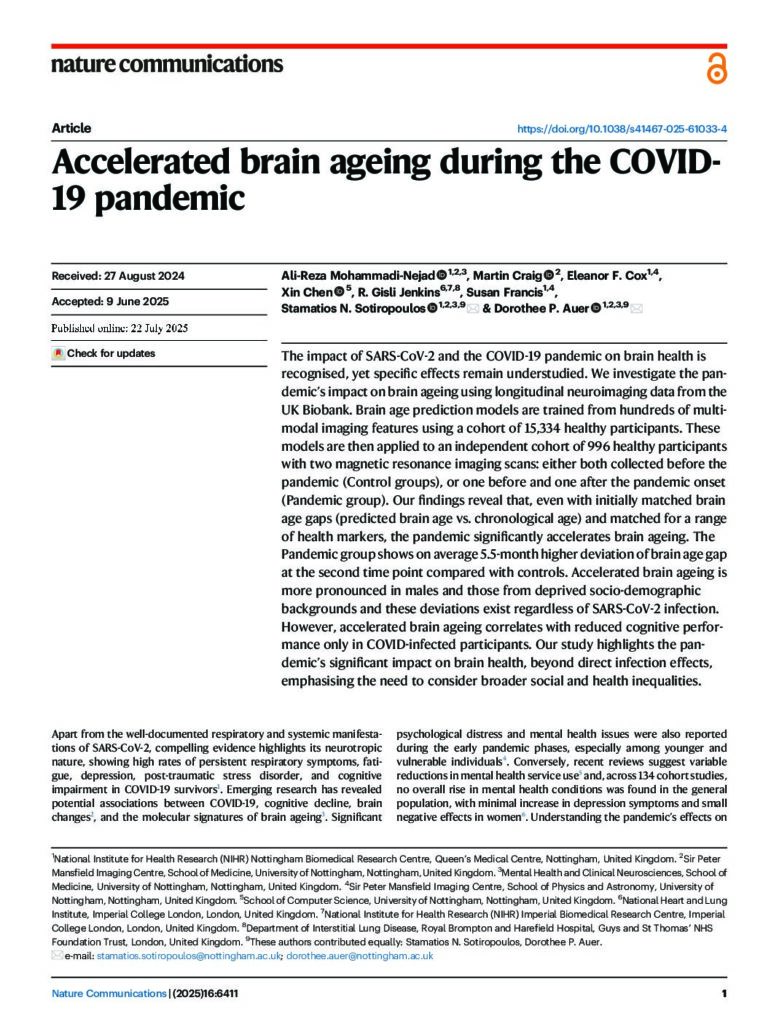
While researchers continue to unravel the long-term effects of COVID-19, a growing body of evidence suggests the virus — and even the global pandemic experience itself — may be accelerating brain aging.

One particularly striking study, published in Nature Communications and titled “Accelerated Brain Ageing During the COVID-19 Pandemic”, reveals that the pandemic may have aged our brains by nearly six months — even in individuals who never tested positive for the virus.

Gut-Brain Connection: A Lasting Impact?

Though the precise biological mechanism remains unclear, other studies have found that SARS-CoV-2 can linger in the gut long after acute infection, triggering disruptions to the microbiome — the community of microbes in our digestive system. These microbiome shifts are now being linked to neurological symptoms, cognitive decline, and even mood disorders. The emerging science points to a possible gut-brain axis disruption that may help explain persistent symptoms like brain fog and memory issues reported in long-COVID cases.

The Study: Brain Aging and Cognitive Decline

The UK Biobank study analyzed longitudinal neuroimaging data from 15,334 healthy individuals to train brain age prediction models. These models were then applied to a smaller group of 996 participants who had undergone two MRI scans — one before the pandemic and one after.

Participants were divided into two groups:

  • Control Group: Two MRIs conducted before the pandemic.

  • Pandemic Group: One MRI before and one after the pandemic began.

Despite being matched for age, sex, and general health, the results were sobering:

On average, individuals scanned after the pandemic onset showed a 5.5-month increase in brain age compared to controls.

Even more concerning, this effect was observed regardless of whether a participant had contracted COVID-19. However, among those who had been infected, the brain aging also correlated with measurable declines in cognitive performance.

Who Is Most at Risk?

The study also found that men and individuals from lower socio-economic backgrounds were more likely to exhibit greater signs of accelerated brain aging. This underscores the pandemic’s disproportionate toll on vulnerable populations and points to the long-term consequences of social inequality on health — even at the neurological level.

Why This Matters

These findings raise urgent questions about how pandemics — and public health crises in general — affect our brains and long-term cognitive health. With growing evidence that COVID-19 can persist in the body, especially the gut, and cause systemic effects, researchers are calling for greater awareness, ongoing monitoring, and expanded health support — not just for those with long COVID, but for the broader public as well.

“Our study highlights the pandemic’s significant impact on brain health, beyond direct infection effects,” the authors write, “emphasizing the need to consider broader social and health inequalities.”

Final Thought

Whether through viral persistence, social stressors, or a complex interplay of both, the pandemic has left a measurable mark on our brains. As we move forward, protecting brain health will require not just treatment of acute infections, but also long-term strategies for cognitive support, mental health care, and addressing systemic disparities.

Destruction of Good Gut Bacteria Resulting in a Compromised Immune System

COVID-19 and Long-COVID

Accelerated Brain Ageing During the COVID-19 Pandemic