bookmark_borderThe Lies Behind Trump’s Terror Economics

Article originally published February 4, 2025 in anticipation of tariffs on Mexico and Canada

The primary purpose of Trump’s tariffs is not economic growth or national security—it’s to fund his anti-humanity policies, particularly the billions of dollars required for mass deportation. Unfortunately, both his tariff policies and immigration restrictions have devastating effects on the U.S. economy, creating a dangerous cycle of economic instability and political deception.

Violation of Existing Trade Agreements

One of the most glaring contradictions in Trump’s proposal is that the United States already has a free-trade agreement with Mexico and Canada: the United States-Mexico-Canada Agreement (USMCA). This deal, which was implemented and widely touted as a signature achievement of Trump’s first term, replaced NAFTA and strengthened trade relations between the three nations. Imposing new tariffs would directly violate the terms of the USMCA, undermining the agreement and potentially sparking retaliation or trade disputes.

Circumventing Congressional Authority

Tariffs are a matter that traditionally requires Congressional approval under U.S. law. Trump’s plan to bypass this requirement involves declaring Mexico and Canada as security threats to justify the tariffs through executive action. While this approach exploits legal loopholes, it would almost certainly face challenges in court. Congress has constitutionally enshrined authority over trade, and using national security as a pretext for tariffs risks further eroding trust in executive restraint.

Trump’s Tariff Reversal: A Fake Victory

On February 3, 2025, Trump abruptly suspended the implementation of additional tariffs on Mexico and Canada. While he claimed this as a major negotiating victory, the reality tells a different story. The so-called “concessions” from Mexico and Canada were, in fact, pre-existing agreements that Trump has simply rebranded to appear as new achievements.

For example, in 2019, Trump secured an agreement with Mexico to deploy 15,000 troops to its southern border to curb migration. Now, the recently announced deployment of 10,000 troops is not an increase, but a reduction from that agreement. Similarly, the so-called “deal” with Canada was already announced in December 2024 under President Biden. Trump’s claims of securing new victories are nothing more than political theater designed to mask the damage caused by his reckless policies.

The Economic Damage and Republican Civil War

While the temporary tariff suspension is a win for the economy, common sense, and humanity, it is unlikely to last. Trump still needs to raise revenue to fund his disastrous immigration enforcement plans, and tariffs remain one of his primary tools to do so. These import taxes, however, disproportionately harm American consumers and businesses, leading to higher prices, supply chain disruptions, and reduced economic growth.

This presents a major dilemma for Trump and the Republican Party. Trump was already the largest contributor to the national debt during his first term, and economic forecasts indicate that his current policies could add more to the debt than all Democratic presidents combined throughout U.S. history. Given the Republican Party’s long-standing tradition of advocating for fiscal responsibility, Trump’s reckless spending could spark an all-out civil war within the GOP. The Freedom Caucus, known for its hardline stance on debt and government spending, is likely to lead the charge against Trump’s economic policies.

The Bigger Picture: Trump’s Economic Deception

Trump’s so-called “America First” economic strategy is built on a foundation of deception. His tariffs are nothing more than hidden taxes on the American people, and his immigration policies are not just inhumane—they are economically catastrophic. As his administration scrambles to balance contradictory goals of mass deportation and economic stability, the cracks in his strategy are already showing.

The real question is whether the Republican Party will continue to enable Trump’s reckless economic agenda or whether the internal conflict over fiscal responsibility will finally force a reckoning. One thing is clear: Trump’s terror economics is a losing game—not just for him, but for the entire country.


More Trump Lies and Consequences:

Trump’s Proposed Tariffs on Mexico and Canada: A Policy Analysis

Trumpenomics: How Tariffs, Policy Cuts, and Labor Shortages Are Devastating American Farmers

The Devastating Impact of Trump’s Steel and Aluminum Tariffs

World Economics 101: The United States and Global Trade Dynamics

Protectionism 101: Trump Economics

bookmark_borderThe Economic and Diplomatic Consequences of Trump’s Tariff Expansion

by Daniel Brouse
February 2, 2025

In November 2024, President Trump announced plans to levy new tariffs on Canada and Mexico, while also increasing tariffs on China. This policy shift, formalized through an executive order on February 1, 2025, imposed 25% tariffs on Canadian and Mexican imports and increased tariffs on Chinese goods by an additional 10%, bringing the total to 35% on most products. further escalating trade tensions. Additionally, the administration signaled plans to impose tariffs on the European Union and all oil and gas imports. These aggressive trade policies raise significant economic and diplomatic concerns, with historical precedent suggesting that such measures could have severe long-term consequences.

Economic Ramifications of Tariffs

Tariffs function as taxes on imports, costs that are often passed down to businesses and consumers. The newly imposed 25% tariffs on goods from Mexico and Canada, along with the increased tariffs on Chinese imports, have the following potential consequences:

  • Higher Prices for Consumers: American consumers will face rising costs on everyday necessities such as food, automobiles, electronics, and industrial goods. As businesses absorb these costs, they are likely to pass them on through higher prices.
  • Supply Chain Disruptions: The U.S. economy relies on deeply integrated supply chains with Mexico and Canada, particularly in the automotive, agriculture, and manufacturing sectors. Increased tariffs disrupt cross-border production, making goods more expensive and less competitive in global markets.
  • Retaliatory Tariffs Hurting U.S. Exporters: Canada and Mexico are the United States’ top trading partners, and both countries are expected to retaliate with their own tariffs on American goods. This will make U.S. exports less competitive, leading to declining sales and potential job losses in export-driven industries.
  • Heightened Inflationary Pressures: At a time when inflation remains a concern, higher import costs could exacerbate inflation, reducing consumer purchasing power and slowing economic growth.

Diplomatic and Geopolitical Consequences

Trade policies are not just economic decisions—they have far-reaching diplomatic implications. Implementing tariffs on two of America’s strongest allies and largest trading partners could have several repercussions:

  • Strained Relations with Canada and Mexico: Both countries have been key security and trade allies. Alienating them through aggressive trade measures undermines diplomatic relations and weakens North American economic cooperation at a time when global competition, particularly from China, necessitates stronger regional unity.
  • Reduced Trust in U.S. Trade Agreements: By unilaterally imposing tariffs, the U.S. risks being seen as an unreliable trade partner. This could deter future negotiations and complicate efforts to secure beneficial trade deals.
  • Global Trade Uncertainty: The expansion of tariffs to include the European Union and energy imports could trigger broader trade disputes, further fragmenting global trade networks and slowing economic recovery efforts worldwide.

Historical Parallels: A Dangerous Precedent

The last time the U.S. pursued such aggressive protectionist policies was in the lead-up to the Great Depression. The Smoot-Hawley Tariff Act of 1930, which significantly raised tariffs on foreign goods, triggered retaliatory measures from trading partners, severely reducing global trade and deepening the economic downturn. Economists widely regard these policies as having exacerbated the Depression.

Trump’s 2025 tariff expansion mirrors this historical precedent, increasing the risk of trade wars, economic contraction, and prolonged global instability. At a time when the U.S. economy is facing challenges such as inflation, supply chain vulnerabilities, and international competition, the imposition of widespread tariffs could prove to be an ill-advised economic gamble with far-reaching consequences.

Conclusion

While proponents of protectionist policies argue that tariffs can protect domestic industries, the reality is often far more damaging. Higher costs, disrupted supply chains, diplomatic fallout, and retaliatory measures outweigh any short-term economic gains. History has shown that aggressive tariff policies rarely lead to long-term prosperity—rather, they invite economic hardship and global instability. If history is any guide, these new tariffs may be a prelude to severe economic consequences, echoing the mistakes of the past.

bookmark_borderRecord Taxation Starts Now

by Daniel Brouse
January 31, 2025

We haven’t seen taxation like this since the era of tariffs that contributed to the Great Depression.

Today, the White House announced that President Donald Trump will implement new tariffs starting tomorrow, February 1, 2025. These tariffs include a 25% levy on imports from Canada and Mexico, and a 10% levy on goods from China.

President Trump stated that there is nothing Canada, Mexico, or China can do to prevent these tariffs, emphasizing his commitment to enforcing them.

The administration has indicated that these measures are part of a broader strategy to address trade imbalances and protect domestic industries.


ADDITIONAL RESOURCES

Economic Outlook

Trump’s Proposed Tariffs on Mexico and Canada: A Policy Analysis

The Trump Trade

The True Costs (and Benefitlessness) of a Trump Economy

bookmark_borderThe Link Between GDP and Immigration

by Daniel Brouse
January 31, 2025

In the most recent quarter, the U.S. GDP experienced a decline, coinciding with historically low levels of immigration over the past few quarters. This is not a coincidence—there is a well-documented and direct relationship between economic growth and immigration. In modern times, immigration has accounted for approximately 80% of GDP growth, as new workers, consumers, and entrepreneurs contribute to economic expansion, productivity, and innovation.

With the current restrictive immigration policies, the U.S. economy faces a significant risk of contraction. A shrinking labor force leads to slower business growth, increased labor shortages, and reduced consumer demand—all of which hinder GDP expansion. Additionally, declining immigration reduces the number of younger workers paying into Social Security and Medicare, exacerbating long-term fiscal challenges.

If current trends continue, the economy is expected to suffer severe negative consequences, including slower growth, rising inflationary pressures due to labor shortages, and weakened global competitiveness. Addressing immigration policy is not just a social or political issue—it is an economic imperative.

ADDITIONAL RESOURCES

Economic Outlook

Trump’s Proposed Tariffs on Mexico and Canada: A Policy Analysis

Economic Facts on Immigration, Budget Deficits and Inflation

Immigration and the Wage Inflation Spiral

The True Costs (and Benefitlessness) of a Trump Economy

bookmark_borderWhy Are Rates Rising While the Federal Reserve is Cutting?

by Daniel Brouse
December 21, 2024

At first glance, it seems counterintuitive: the Federal Reserve is cutting interest rates, yet most other interest rates, particularly long-term ones, are rising. To understand this phenomenon, we need to examine the interplay of economic forces shaping the financial landscape.

A Strong Economy Fuels Rising Rates

The current U.S. economy remains robust, marked by strong employment numbers and resilient consumer spending. Wage inflation is another contributing factor, as tight labor markets push wages higher. These dynamics create upward pressure on long-term interest rates because lenders demand higher returns to compensate for the inflationary environment. Investors anticipate continued economic growth, which increases the demand for credit and drives up yields on longer-term bonds.

Long-Term Rates Reflect Uncertainty and Risk

The Federal Reserve’s interest rate cuts primarily influence short-term borrowing costs. However, long-term rates are determined by broader market forces, including expectations about inflation, fiscal policy, and economic stability. With a bleak outlook for fiscal responsibility under the next administration, markets are pricing in higher risks, leading to a rise in long-term interest rates. Concerns about rising deficits and government spending exacerbate this trend, as they fuel fears of inflation and creditworthiness.

The Highest Rates Since 2007

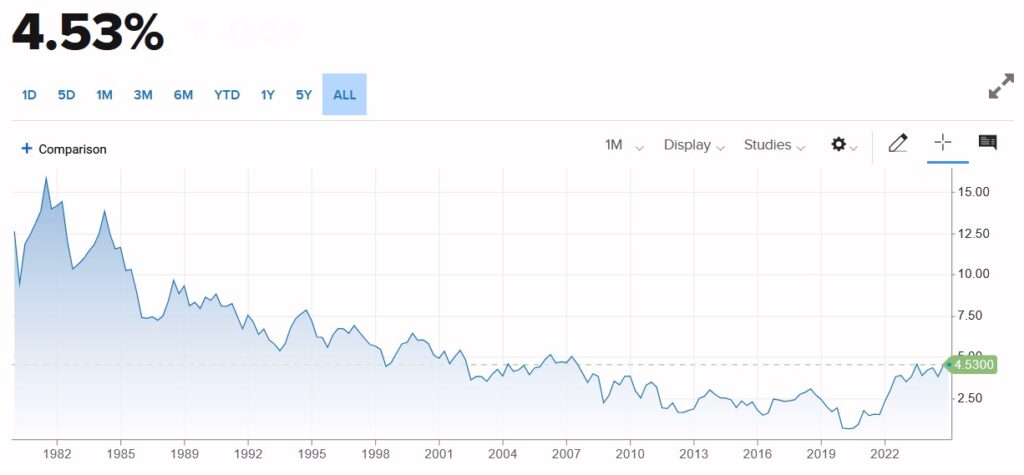
This dynamic has pushed long-term interest rates, such as those on 10-year Treasury bonds, back to levels not seen since 2007. This rise signals a return to pre-financial-crisis conditions where borrowing costs were higher, reflecting a stronger economy but also heightened financial risks. Higher long-term rates affect mortgages, corporate loans, and consumer credit, making borrowing more expensive across the board.

A Complex Outlook

While the Federal Reserve is attempting to manage short-term economic stability through rate cuts, its actions are counterbalanced by market forces driving long-term rates upward. The disconnect highlights the complexity of today’s financial environment, where strong economic fundamentals coexist with uncertainty about the future.

The key takeaway? Rising long-term rates amidst Fed rate cuts reflect a confluence of economic strength, wage-driven inflation, and fiscal uncertainty. For businesses and consumers, this underscores the importance of cautious financial planning in a period of mixed signals and evolving risks.

10-Year Treasury Yield (2024)

Debunking Economic Myths: Misleading Narratives and the Path to Real Progress

Business and the Economy

bookmark_borderDebunking Economic Myths: Misleading Narratives and the Path to Real Progress

by Daniel Brouse
December 17, 2024

“In America today, over 60% of our people are living paycheck to paycheck and millions of children are living in poverty.”
— Bernie Sanders, October 4, 2024

Statements like these, made by figures such as Bernie Sanders, Elizabeth Warren, and Robert Reich have likely contributed to a misleading narrative about the U.S. economy. While such claims aim to highlight economic inequality and poverty, they fail to provide a balanced perspective, misrepresenting the broader economic picture and potentially alienating voters.

Breaking Down the Facts

The assertion that “60% of people are living paycheck to paycheck” oversimplifies the economic reality for many Americans. According to recent data, 18.5% of U.S. households report having no discretionary income after paying their bills. This is far from the majority Sanders claims. Furthermore, even within this group, the median household net worth is $193,000, suggesting that many have assets, savings, or home equity providing them with financial stability beyond their monthly income.

Millions of children living in poverty is another claim that deserves scrutiny. While child poverty is a serious issue, programs such as the Child Tax Credit and Supplemental Nutrition Assistance Program (SNAP) have significantly reduced the number of children living in poverty in recent years. By not acknowledging these efforts or providing accurate statistics, such statements paint an overly dire picture that ignores meaningful progress.

Misrepresentation of Economic Realities

The tendency to frame the U.S. economy as wholly failing undermines a more nuanced discussion about its strengths and weaknesses. For example:

  • The U.S. has one of the highest household median incomes in the world.
  • Unemployment rates remain historically low.
  • Despite challenges such as inflation, consumer spending continues to drive economic growth.

These factors demonstrate that the narrative of widespread economic despair does not align with reality. While economic inequality and poverty remain issues to address, claiming that most Americans are struggling misrepresents the complexity of the situation.

The Political Consequences

Overly negative messaging about the economy may have contributed to the Democratic Party’s defeat. Instead of highlighting successes like job growth, reduced unemployment, and targeted social programs, some leaders focused on an exaggerated portrayal of economic hardship. This approach risks alienating moderate voters who feel the economy is performing reasonably well, especially compared to global counterparts facing similar inflationary pressures and post-pandemic recovery challenges.

A Path Forward

To effectively address inequality and poverty, it is crucial to focus on actionable, evidence-based solutions:

  1. Expand Economic Opportunities: Investments in education, job training, and infrastructure can create pathways to upward mobility.
  2. Strengthen Safety Nets: Improving programs like the Earned Income Tax Credit (EITC) and childcare support can directly aid low-income families without distorting the broader economic picture.
  3. Promote Financial Literacy: Educating individuals about saving, investing, and debt management can help mitigate the risks of living paycheck to paycheck.
  4. Incentivize Innovation: A robust private sector fuels job creation and technological advancements, driving economic growth for all.
  5. Taxation and Universal Healthcare: Both are unsustainable in an aging population.  Individuals and governments will need to actively explore and implement alternative solutions.

The focus should shift from divisive rhetoric to practical policies that empower Americans, addressing challenges without resorting to fear-based narratives. Misleading claims not only damage political credibility but also detract from meaningful efforts to strengthen the economy for all citizens.

Balancing the Books: How Public-Private Healthcare Models Can Sustain Economic Growth

Taxation in a Changing World: Challenges, Inefficiencies, and Paths to Sustainability

Wealth Taxes Are Illogical

Social-Ecological Systems and Climate Change

The Age of Loss and Damage

Business and the Economy


bookmark_borderBalancing the Books: How Public-Private Healthcare Models Can Sustain Economic Growth

by Daniel Brouse
December 15, 2024

OVERVIEW
Why is the U.S. the only developed country without a fully universal healthcare system? First, it’s important to note that the U.S. does provide a mix of public and private universal healthcare through programs like Medicare, Medicaid, and the Affordable Care Act. These programs ensure that millions of Americans have access to healthcare, albeit not in the same structure as other nations.

Second, no country has a perfect or completely sustainable universal healthcare system. Nations like the UK, Canada, and Germany face challenges such as funding shortages, long wait times, and the rising costs of care due to aging populations and increasing demand. These issues illustrate that universal healthcare, while offering broad access, is not a one-size-fits-all solution and often requires trade-offs.

While some advocate for universal healthcare modeled after other nations, many of those systems are struggling under economic pressures. For instance, France has faced years of civil unrest driven partly by the unsustainable costs of its national healthcare system, leading to government instability. Similarly, Canada’s healthcare model is under strain, illustrated by the resignation of its finance minister and calls for the Prime Minister to step down. The UK’s National Health Service (NHS) is also plagued by long treatment delays, nationwide nursing strikes, and reports of patient deaths while awaiting care. Germany, Italy, and Greece, among others, are facing similar demise. Even China, often viewed as an example of universal healthcare success, is grappling with economic strain from an aging population and has faced public protests over healthcare policies.

An example of the U.S. system’s strength is its response to the COVID-19 pandemic. Pfizer-BioNTech and Moderna, two companies with strong U.S. ties, developed groundbreaking mRNA vaccines with significant financial and logistical support from the U.S. government. Initiatives like Operation Warp Speed, spearheaded by Dr. Anthony Fauci, accelerated the development and distribution of COVID-19 vaccines, showcasing the efficacy of the public-private partnership. While China’s Sinopharm and Sinovac vaccines were developed earlier, they relied on traditional inactivated virus technology, whereas the U.S.-supported vaccines utilized the innovative mRNA approach, which proved more effective in preventing severe disease and death. Everybody in the U.S. was offered multiple doses of the vaccine free of charge.

Additionally, universal healthcare systems often develop a two-tier structure: while public healthcare is available to all, those with greater financial means can still access faster or more specialized treatment through private care. This dynamic underscores that universal healthcare does not entirely eliminate disparities in access or quality of care.

The private sector plays a critical role in driving innovation, funding research and development, and pioneering advanced medical treatments. For example, the United States, with its mixed healthcare system, leads in medical R&D investment. Many new drugs, technologies, and procedures are developed in the U.S., benefiting other countries that may rely on these advancements without incurring the associated costs of innovation.

A FREE-MARKET ECONOMY
In a free-market economy, the interplay of supply, demand, and competition sets prices, while consumer spending drives growth. These principles foster innovation and efficiency, but universal healthcare systems and shifting demographics, particularly aging populations, present unique challenges.

The Economic Strain of Universal Healthcare

Universal healthcare systems can strain public finances, especially when coupled with an aging population. As the workforce shrinks, fewer people contribute to tax revenues, even as the demand for healthcare services grows. This creates fiscal imbalances that can destabilize economies and increase social unrest.

For instance, France has faced challenges with its extensive welfare programs, including universal healthcare, contributing to slow growth and rising public debt. Similarly, Germany’s aging population places significant pressure on healthcare and pension systems, requiring innovative solutions to maintain fiscal balance. The UK’s NHS, while celebrated, struggles with funding shortages and operational inefficiencies, leading to long wait times and growing public dissatisfaction. Italy, grappling with economic stagnation, also faces mounting healthcare costs tied to its demographic structure.

The Role of Public-Private Partnerships

A mixed model, combining public funding with private-sector efficiency, offers a viable solution. The United States provides several examples of such systems:

      1. Medicare Advantage: This hybrid program allows private insurance companies to manage Medicare benefits, demonstrating the cost-efficiency of private-sector involvement in public services. Private insurers often introduce innovative approaches to care management, resulting in better outcomes at lower costs.
      2. The Affordable Care Act (ACA): This legislation expanded access to healthcare while leveraging private insurance markets. By mandating minimum coverage standards and providing subsidies, the ACA increased the number of insured individuals while fostering competition among private insurers.
      3. COVID-19 mRNA Vaccines:  The U.S. had the highest per capita COVID-19 mortality rate in the world, not because of the quality or cost of our healthcare system, but due to a widespread lack of personal responsibility and poor overall health prior to the virus’s arrival. Despite these challenges, the U.S. remains a global leader in healthcare innovation, investing more in research and development than any other country. This is demonstrated by achievements like the rapid development of highly effective COVID-19 vaccines, which were created in record time and made available to the entire population in multiple doses, free of charge.

    Warning
    However, the perceived superiority of U.S. healthcare, particularly in the context of the COVID-19 response, could be a double-edged sword. Many people expect the healthcare industry to solve problems that stem from neglect of personal health. The growing popularity of treatments like Ozempic and Wegovy highlights a reliance on medical interventions to address preventable conditions, such as obesity, rather than prioritizing healthier lifestyles.

These approaches underscore the potential of combining public oversight with private-sector expertise to deliver quality healthcare efficiently.

Alternative Solutions for Sustainability

Rather than increasing taxes, governments can explore other strategies to make universal healthcare systems more sustainable:

      • Preventative Care: Investing in preventative measures reduces long-term healthcare costs by minimizing the prevalence of chronic diseases.
      • Technology and Innovation: Leveraging telemedicine, artificial intelligence, and data analytics can improve healthcare delivery and reduce inefficiencies.
      • Incentives for Healthy Living: Programs encouraging healthier lifestyles can lower the overall burden on healthcare systems.
      • Privatized Administration: Allowing private entities to manage specific aspects of universal healthcare, such as logistics or non-critical services, can increase cost efficiency.

Conclusion

Universal healthcare systems are a noble goal but require careful design to remain financially sustainable. By integrating private-sector efficiency with public-sector oversight, countries can balance accessibility and cost-effectiveness, ensuring healthcare systems meet the needs of current and future generations. The U.S. model of leveraging public-private partnerships offers valuable lessons for other nations navigating these complex challenges.

Concerns about US healthcare are valid, but they lack actionable solutions to the issues raised. Universal healthcare, as implemented in many countries, has led to significant economic challenges and collapse. For instance, France is grappling with a government in turmoil, partly due to the unsustainable costs of its national healthcare system. Similarly, Canada faces mounting issues with its healthcare model, as evidenced by the resignation of its finance minister, who cited healthcare funding as a contributing factor. The UK’s NHS has faced significant criticism from its users. Nationwide strikes by nurses have further delayed treatments, exacerbating already lengthy wait times for life-saving procedures. The system struggles with inefficiencies, leading to delays that can stretch into months or even years. Is this kind of prolonged wait for “free” treatment truly what you would want?

In contrast, the U.S. has made substantial progress through its public-private healthcare partnership. Programs like Medicare Advantage demonstrate how private insurers can deliver cost-efficient services under government-funded programs. Interestingly, private healthcare companies are experiencing their greatest profits and growth within government-supported programs because the government itself often operates less efficiently. This highlights the strength of a mixed system that leverages private-sector efficiency while maintaining public oversight.

The solution is not to adopt a failing model from other countries or to demand “free” universal healthcare without considering the broader economic implications. Universal healthcare is already the largest expense for taxpayers in the U.S., and expanding it without addressing cost inefficiencies could lead to economic instability. Proposing that the government overextend itself further to provide “free healthcare for all” risks collapsing the very system that supports the most vulnerable populations. Instead, the focus should be on refining the current system — streamlining costs, fostering innovation through the private sector, and ensuring access for those most in need — without jeopardizing the economic stability that sustains healthcare services.

It’s Up to You

The real challenge in improving health, economics, and overall well-being in the U.S. lies in individual lifestyle choices and personal responsibility. Many Americans remain undereducated about critical topics such as health, wellness, and financial management. Compounding this issue are unhealthy habits, such as reliance on fossil fuels, consumption of processed foods, and a lack of physical activity. Here’s a closer look at these challenges and actionable steps you can take to make a difference in your life and the world around you.

1. Are You Educated?

Education is the cornerstone of personal and societal progress. Learning about saving, investing, debt management, wellness, and healthy lifestyle choices can significantly reduce the financial burden of healthcare and insurance costs. By taking the time to educate yourself on these topics, you empower yourself to make informed decisions that improve both your quality of life and long-term financial stability.

2. Do You Burn Fossil Fuels?

The combustion of fossil fuels is the leading cause of death worldwide, contributing to air pollution, climate change, and countless health problems. While systemic changes are necessary, individual choices matter too. Opt for renewable energy sources, carpool, walk or bike when possible, and advocate for cleaner energy policies. Reducing your reliance on fossil fuels not only benefits the planet but also improves your own health and the health of future generations.

3. Do You Eat Processed Foods?

Ultra-processed foods are a significant contributor to global health issues, linked to obesity, heart disease, and diabetes. Minimizing consumption of these foods can have a profound impact on your health. Whenever possible, choose whole foods, cook at home, and consider growing your own fruits and vegetables. This not only ensures better nutrition but also fosters a deeper connection to the food you eat.

4. Do You Have an Active Lifestyle?

Physical inactivity is a leading cause of death and illness, yet adopting an active lifestyle doesn’t have to involve gym memberships or intense workouts. Small, consistent changes can make a significant difference.

For example, having a flight of stairs in your home can naturally encourage physical activity. Climbing stairs is an excellent cardiovascular exercise that integrates seamlessly into daily life, reducing the risk of chronic diseases such as heart disease, diabetes, and certain cancers. It also strengthens muscles, boosts metabolism, and improves cognitive function, potentially delaying the onset of neurodegenerative diseases like dementia.

Research supports these benefits. The Harvard Alumni Study found that men who climbed at least 55 flights of stairs weekly had a 33% lower mortality rate compared to those who did not. Similarly, a 2019 study published in the British Journal of Sports Medicine highlighted the importance of incidental physical activity, including stair climbing, in reducing health risks for individuals unable to maintain formal exercise routines.

Stair climbing also strengthens bones and muscles, reducing the risk of falls—a critical factor for older adults. However, safety is important; features like handrails and non-slip surfaces can mitigate risks for those with mobility challenges.

Small Changes, Big Impact

While stairs provide one example, other simple adjustments can also promote active living: walking more, gardening, or incorporating standing breaks into sedentary routines. Coupled with healthy eating and mindfulness, these steps contribute to a more balanced and fulfilling life.

Final Thoughts

Improving your lifestyle doesn’t just benefit you—it creates ripple effects that influence society as a whole. By focusing on education, making environmentally conscious decisions, prioritizing whole foods, and adopting an active lifestyle, you can take control of your well-being. The path to a healthier and more sustainable future starts with personal responsibility. It’s up to you to make the change.

Anthony Fauci: A Case Study in Public-Private Healthcare
Business and the Economy

bookmark_borderTaxation in a Changing World: Challenges, Inefficiencies, and Paths to Sustainability

by Daniel Brouse
December 3, 2024

Taxation is a complex and often misunderstood subject, particularly in discussions around income inequality and the role of billionaires in the economy. Many posts oversimplify or misrepresent the nature of taxation and its broader impacts. Developing a nuanced understanding of taxation, including its economic effects and societal implications, is crucial to forming informed opinions.

The Tax Cuts and Jobs Act (TCJA) of 2017 was the most recent significant change to personal and corporate income taxes in the United States. For individuals, the TCJA lowered tax rates across most income brackets, increased the standard deduction, and limited certain deductions such as the state and local tax (SALT) deduction. These changes are scheduled to sunset at the end of 2025, at which point pre-TCJA tax rates and deductions would be reinstated unless Congress enacts new legislation. Both major political parties have expressed varying levels of support for extending or modifying these provisions, emphasizing the middle-class tax benefits they provide.

Taxes as a Net Cost to Society

From an economic perspective, taxation imposes costs beyond the direct financial burden on individuals or businesses. These include:

  1. Administrative Costs: The resources spent by governments and taxpayers to comply with tax laws.
  2. Economic Distortions: Taxes can alter incentives, potentially discouraging productive activities like investment or work in favor of tax-advantaged alternatives.
  3. Wealth Redistribution: While taxation can address income inequality, poorly designed tax systems may have unintended consequences, such as discouraging innovation or entrepreneurship.

However, taxes also fund essential public services and infrastructure, contributing to societal stability and growth. The challenge lies in designing tax systems that balance revenue generation with minimal economic disruption.

The Unsustainability of Taxation

Increasing taxes to sustain social services is becoming increasingly unsustainable, particularly in aging populations. Governments worldwide are grappling with the long-term fiscal challenges posed by demographic shifts, rising healthcare costs, and pension obligations.

European Examples: Lessons in Fiscal Strain

Countries like France illustrate the challenges of maintaining social safety nets. In 2023, France raised its retirement age from 62 to 64 to address shortfalls in its pension system. The move sparked widespread protests, strikes, and significant political backlash, threatening the stability of the government. The resistance reflects a broader societal tension between the expectation of robust social benefits and the economic reality of funding them.

Other European nations, such as Germany and Italy, face similar issues, with rapidly aging populations putting unprecedented strain on public finances. For example, Germany has introduced policies to increase immigration in an attempt to mitigate workforce shortages and stabilize its pension system.

The U.S. Context: Social Security and Medicare

In the United States, Social Security and Medicare are on similarly precarious trajectories. Both programs rely on payroll taxes, which are increasingly insufficient to cover costs due to a declining worker-to-retiree ratio. As of 2023, projections indicate that the Social Security Trust Fund will be depleted by 2034, at which point benefits could be reduced by approximately 20-25% if no reforms are enacted. Medicare faces a similar shortfall, with its Hospital Insurance Trust Fund projected to run out by 2028.

Proposed solutions to these issues—such as raising the retirement age, increasing payroll taxes, or reducing benefits—are politically contentious and face significant public opposition.

Why Taxation Alone Cannot Solve the Problem

While raising taxes might appear to be a straightforward solution, it faces several challenges:

  1. Economic Growth: Higher tax rates, particularly on income or capital, can discourage investment, entrepreneurship, and labor participation, potentially slowing economic growth.
  2. Population Dynamics: Aging populations mean fewer workers to support a growing number of retirees. Even significantly higher taxes on the billionaires will not generate enough revenue to sustain rising costs.
  3. Public Backlash: As seen in France, attempts to reform tax and benefit structures often lead to widespread protests, making meaningful policy changes politically risky.

Toward Sustainable Solutions

The unsustainability of taxation highlights the need for broader systemic reforms:

  • Economic Growth Strategies: Policies that encourage workforce participation, innovation, and productivity can help offset the fiscal impact of aging populations.
  • Healthcare Reforms: Addressing inefficiencies and cost drivers in healthcare systems can reduce the burden on public finances.
  • Demographic Solutions: Encouraging higher birth rates or increasing immigration can help stabilize the worker-to-retiree ratio. Mass immigration is likely the only viable solution for addressing both short-term and long-term challenges.
  • Private Sector Integration: Expanding private retirement savings programs and healthcare options can alleviate some pressure on public systems.

The Best Use of Taxation

Ideally, taxation should focus primarily on fossil fuel combustion. Pollution from fossil fuels is the leading cause of death globally. While the cost of human life is immeasurable, the associated increase in healthcare expenses places a significant burden on the economy. Additionally, the societal costs of climate change—driven largely by fossil fuel combustion—likely represent an even greater economic and environmental challenge. Redirecting taxation in this way could incentivize cleaner energy alternatives while addressing these critical issues. A 100% tax on a barrel of oil and a 1,000% tax on a ton of coal could significantly reduce wealth inequality while simultaneously fostering a sustainable economy.

Wealth Taxes Are Illogical

Business and the Economy

bookmark_borderThe Hidden Costs of Short-Term Gains: Inflation, Tariffs, and Fiscal Recklessness

December 1, 2024

It’s important to understand that inflation often lags behind economic policy changes, including the imposition of tariffs. For instance, the Trump administration’s tariffs on Chinese goods, implemented in 2019, did not immediately result in higher consumer prices. The inflationary effects became evident only by mid-2021, as supply chain disruptions, higher costs of imported goods, and shifts in global trade patterns took time to cascade through the economy.

When Trump returns to office, his proposed policies to reduce taxes and regulations could spark a short-term surge in economic activity. Supporters might celebrate this as a sign of strong economic leadership. However, such a strategy could exacerbate long-term vulnerabilities, particularly when paired with high levels of federal debt and ongoing protectionist policies. Tariffs tend to increase costs for businesses and consumers alike, while substantial tax cuts without offsetting revenue increases further inflate the national deficit.

This approach bears a resemblance to Trump’s history in the private sector, where heavy borrowing created the illusion of financial success but ultimately led to bankruptcies, such as with his casinos in Atlantic City. Borrowing large sums of money or accruing debt to fund immediate gains without a sustainable repayment plan risks severe economic consequences down the line. If similar policies were enacted on a national scale, the U.S. could face significant economic challenges, including rising interest rates, a weakened dollar, and potential destabilization of the financial system—delayed effects that would unfold after the initial economic ‘boom’ fades.

Economic Outlook 2025 – 2035

Business and the Economy

bookmark_borderThe Hidden Price of Progress: Unraveling the Economic, Environmental, and Human Costs of Climate Change

by Daniel Brouse
November 29, 2024 / Black Friday

The exact cost of climate change is challenging to calculate due to the sheer complexity of the issue and the myriad variables that are difficult to quantify. However, specific climate-related events provide tangible examples of its economic and societal impacts.

Climate Disasters
For instance, the 2019 droughts in Taiwan significantly disrupted the global semiconductor industry, which relies heavily on water and energy for production. This disruption led to a worldwide chip shortage, inflating the costs of consumer goods like automobiles, electronics, and household appliances. Similarly, Hurricane Ida in 2021 caused widespread damage to infrastructure, leading to shortages and price hikes in building materials such as lumber and concrete.

In 2022 and 2023, extreme weather events, including droughts, wildfires, and floods, disrupted agricultural supply chains, resulting in shortages and rising costs of staple commodities like chocolate, beef, chicken, sugar, and grains. The cascading effects of these shortages stretched global food systems and increased the burden on consumers.

More recently, Hurricanes Helene and Milton in 2024 highlighted the fragility of critical supply chains. These storms devastated production facilities for intravenous (IV) solutions, causing a 60% reduction in hospital supply, and severely impacted the availability of pure quartz, an essential component in semiconductor manufacturing, leading to a 99% reduction in the global supply. These shortages not only affected healthcare and technology sectors but also underscored the ripple effects of climate-induced disasters on global economies.

Beyond immediate material shortages, the costs of climate change manifest in infrastructure damage, insurance payouts, healthcare costs from pollution and heatwaves, and long-term economic losses due to diminished agricultural productivity and displaced populations. Together, these factors demonstrate that climate change is not just an environmental issue but a profound economic challenge with cascading effects across industries and societies.

Consumption Feedback Loops
The larger, though perhaps less evident, feedback loops associated with climate change are of profound concern. One of the most critical examples is the escalating cycle of energy consumption driven by rising global temperatures. As temperatures increase, populations worldwide—particularly in regions like India and Texas—are consuming more energy to maintain personal climate control, primarily through air conditioning and other cooling systems. This surge in energy demand is most pronounced during extreme heatwaves when electricity grids are strained, often relying on fossil fuels to meet peak loads.

This phenomenon creates a self-reinforcing feedback loop. The increased use of energy generates more greenhouse gas emissions, particularly carbon dioxide and methane, which exacerbate global warming. In turn, this accelerates the frequency and intensity of extreme heat events, further driving up energy demand. For instance, the International Energy Agency (IEA) has documented that cooling-related energy demand is the fastest-growing use of electricity in buildings globally, with air conditioning alone responsible for a significant portion of annual carbon emissions.

The loop is not only a climate problem but also an economic and social one. Many regions, especially in developing countries, face energy poverty and unreliable electricity grids. These areas are disproportionately vulnerable, as they lack the infrastructure and resources to cope with rising temperatures, leading to increased mortality and economic strain. Moreover, the reliance on fossil fuel-generated electricity in many parts of the world perpetuates dependence on non-renewable energy sources, hindering the transition to cleaner energy systems.

To break this cycle, investments in renewable energy, energy-efficient cooling technologies, and better urban planning are critical. For example, innovations in passive cooling designs, reflective building materials, and the widespread adoption of solar-powered air conditioning systems could help mitigate this feedback loop. Addressing these interconnected challenges will require both technological innovation and policy intervention to ensure that efforts to adapt to climate change do not inadvertently worsen the problem.

Insurance
The impact of climate change on insurance rates and coverage illustrates the growing and unsustainable costs of climate-related disasters. In high-vulnerability areas like coastal properties and states such as Florida, Louisiana, Mississippi, Georgia, Oklahoma, Texas, Arizona, Arkansas, Alabama, New Mexico, Nevada, Colorado, California, and Washington, the convergence of rising insurance premiums, frequent natural disasters, and declining property values creates a compounding crisis. For example, in Florida, Louisiana, and California, taxpayers already subsidize homeowner insurance premiums due to the inability of private insurers to bear the mounting risks alone. In Florida, the state-owned insurer, Citizens Property Insurance Corporation, has become the largest insurer, a testament to the scale of market withdrawal by private companies.

As climate-related disasters—such as hurricanes, wildfires, and floods—increase in both frequency and intensity, the economic strain on both taxpayers and insurance systems is becoming unsustainable. Florida’s reliance on taxpayer-backed insurance, for instance, exposes state finances to significant risk, particularly after events like Hurricane Ian in 2022, which caused catastrophic losses. Taxpayer-funded bailouts of insurance systems and rising deficits could divert resources from other critical areas, further exacerbating economic instability.

The real estate market in these high-risk zones is also feeling the effects. With increasing difficulty in obtaining or affording insurance, properties are losing value, and homeowners face the growing prospect of being unable to sell or refinance. Liquidating properties in such areas might mitigate individual financial risks, but widespread devaluation could trigger broader economic repercussions, including localized housing market collapses.

Insurance costs across sectors—including crop insurance, property insurance, real estate policies, and transportation coverage—are projected to rise annually as risk assessments become more climate-focused. In agriculture, extreme weather events such as droughts and floods are already inflating premiums for crop insurance, threatening the viability of farms. Similarly, transportation insurers face rising costs due to infrastructure damage from climate-related disasters, such as washed-out roads and disrupted supply chains.

To address these challenges, systemic reforms are necessary. This includes redesigning insurance models to incorporate climate resilience, investing in mitigation measures like improved infrastructure and flood defenses, and implementing policies that discourage development in high-risk zones. Without such changes, the cycle of rising costs and escalating risks will continue to burden individuals, businesses, and governments.

Measuring the Cost of Declining Life Expectancy and Quality of Life

Quantifying the cost of declining life expectancy and quality of life is fraught with complexity. How do we assign a monetary value to something as personal and multifaceted as health or the years a person can expect to live? Nonetheless, the impacts of declining life expectancy and deteriorating health outcomes in the United States are increasingly visible and consequential.

U.S. life expectancy, which remained relatively stable between 2014 and 2019, experienced a dramatic decline in recent years. In 2019, life expectancy was 78.8 years, but by 2020, it dropped to 77 years, marking the most significant single-year decline since World War II. This trend continued into 2021, with life expectancy falling further to 76.1 years. While the COVID-19 pandemic played a major role in these shifts, it also highlighted systemic vulnerabilities that climate change is likely to exacerbate.

Climate Change and Health Outcomes

The health consequences of climate change are vast and far-reaching, posing challenges to both life expectancy and quality of life:

  1. Increased Pollution and Respiratory Diseases
    Air pollution remains the leading environmental contributor to premature death worldwide, and climate change worsens its impact. Higher temperatures intensify ground-level ozone and particulate matter, both of which are linked to respiratory and cardiovascular diseases. Wildfires—becoming more frequent and intense due to climate change—release massive amounts of toxic smoke, further degrading air quality and increasing respiratory illnesses.
  2. Cardiovascular Strain from Heat Waves
    Heat waves, amplified by global warming, disproportionately affect vulnerable populations, including the elderly, infants, and those with pre-existing health conditions. Heat-related cardiovascular strain is a growing concern, especially in regions unaccustomed to extreme temperatures.
  3. Zoonotic Diseases and Pandemics
    Rising global temperatures and habitat disruptions are driving the spread of zoonotic diseases, as seen with increased cases of dengue fever, Lyme disease, and other vector-borne illnesses. This trend not only endangers public health but also imposes additional strain on already overstretched healthcare systems.
  4. Healthcare Supply Chain Disruptions
    Severe weather events, such as hurricanes and floods, disrupt healthcare delivery by damaging infrastructure and supply chains. For instance, Hurricane Helene in 2024 caused a severe shortage of IV solutions, demonstrating how climate-related disruptions can ripple through the healthcare system with life-threatening consequences.

Economic and Insurance Implications

Climate-related health challenges will inevitably drive up healthcare demand and costs, impacting individuals, businesses, and governments. Higher treatment costs for chronic diseases, coupled with increased hospitalization rates due to heat and pollution, suggest that health insurance premiums will rise significantly. However, the economic impact is not straightforward. While increased mortality might reduce some long-term healthcare costs for individuals who die younger, the societal and economic costs of lost productivity, caregiving burdens, and the emotional toll on families are substantial.

A Critical Intersection of Public Policy and Health

The decline in life expectancy, compounded by climate change, underscores the urgent need for comprehensive public health and environmental policies. Reducing greenhouse gas emissions, improving air quality, and preparing healthcare systems for climate-induced disruptions are essential steps. Additionally, increased investment in climate adaptation—such as heat-resistant infrastructure and wildfire management—can mitigate some of the health impacts, ultimately improving both quality of life and life expectancy.

In conclusion, climate change is reshaping public health in profound ways. As life expectancy trends downward and quality of life diminishes, the urgency of addressing climate-driven health risks becomes more evident. Collaborative efforts between policymakers, healthcare providers, and environmental scientists are critical to safeguarding future generations from the escalating costs of climate change on human health.

The Human Induced Climate Change Experiment