bookmark_borderA Record Year of Climate Chaos Costs

by Daniel Brouse
July 29, 2025

The Soaring Real Costs of Climate Disasters in America

By July 2025, the United States had already racked up $93 billion in weather-related disaster damages—the highest annual total ever recorded this early in the year, and before a single hurricane has even made landfall. This figure, which typically reflects only insured losses, vastly understates the true economic toll.

In reality, uninsured losses—which include damage to homes, infrastructure, crops, vehicles, and small businesses—are often two to three times higher than insured figures. That would place the real current total economic toll at $186 to $279 billion for just the first half of 2025.

And this still doesn’t include indirect and cascading costs, which are harder to quantify but devastating in scale:

  • Lost wages from business closures and job displacement

  • Health care costs from respiratory illness, heatstroke, trauma, and chronic disease triggered or worsened by climate-related events

  • Water contamination and treatment failures, as sewage systems and drinking water infrastructure are overwhelmed by extreme rain and flooding

  • Deaths and long-term disabilities resulting from storm impacts, wildfires, and extreme heat events—many of which go uncounted in official statistics

  • Supply Chain Disruptions can send shockwaves across the globe. For example, when a hurricane struck North Carolina, it halted production of key materials like quartz used in semiconductors and saline solution for hospitals—affecting both tech and healthcare markets worldwide. Similarly, a severe drought in Taiwan, a major hub for chip manufacturing, triggered a global semiconductor shortage, highlighting the fragility and interdependence of modern supply chains.

For instance, extreme heat is now responsible for more deaths annually than any other weather-related cause in the U.S., and its impact on labor productivity alone has been estimated to cost the U.S. economy over $100 billion per year.

As climate-related disasters grow in frequency, severity, and geographic reach, these compounding costs threaten to undermine the foundations of public health, infrastructure, food security, and economic stability. The question is no longer if this will affect every American — but how hard and at what cost.

This staggering figure, released mid-summer, shatters previous records and signals a dangerous new phase in the climate crisis: one where billion-dollar disasters no longer wait for hurricane season to deliver catastrophic economic blows. Instead, these costs are now driven by extreme rainfall, heatwaves, wildfires, derechos, hailstorms, tornado clusters, and record-breaking floods—events that are increasingly intense, frequent, and widespread.

Climate Change Is No Longer a Future Threat—It’s a Present Collapse
For decades, scientists have warned of climate tipping points—moments when gradual warming triggers runaway effects in ecosystems and weather systems. Now, those tipping points appear to be tipping faster, feeding into self-reinforcing climate feedback loops that multiply the cost of inaction.

What’s especially alarming is the nonlinear nature of these impacts. Damage is no longer growing in a slow, predictable curve; it’s exponentially accelerating. One flood leads to weakened infrastructure, which can’t withstand the next storm. One heatwave leads to crop failures, which raise food prices, disrupt supply chains, and reduce regional resilience—setting the stage for the next disaster to hit even harder.

Political Paralysis and Economic Suicide
Despite the historic damage, meaningful climate legislation remains stalled in Congress. Both Republican and Democratic administrations have failed to act with the urgency that science—and now, economics—demand. Worse, some leaders continue to deny climate change outright, or propose protectionist trade policies that block climate-friendly technologies like solar panels, EVs, and heat pumps from entering the U.S. market affordably.

These actions don’t just stall progress—they actively make the situation worse, both environmentally and economically. They cut off access to the tools we need to mitigate damage, adapt infrastructure, and decarbonize our economy.

Insurance Collapse: The Canary in the Coal Mine
In state after state, insurance companies are pulling out of high-risk areas or raising premiums beyond what most homeowners and businesses can afford. Florida, Louisiana, California, and Texas are on the frontlines of this new insurance reality. But even places once considered climate-safe, like Vermont, Pennsylvania, and the Midwest, are now seeing premiums spike and policies canceled due to “unforeseen” extreme weather.

The implications are stark: an uninsurable America is an uninvestable America. Home values will plummet. Businesses will relocate. Entire communities may become financially—and physically—uninhabitable.

Homeowners and property insurance are proving to be the canary in the coal mine for the climate crisis—and the canary is dying. Today set a new record for climate-related insurance claims, signaling a system buckling under accelerating environmental stress. Even the world’s largest reinsurer, Munich Re, is feeling the strain. According to Tobias Grimm, Munich Re’s chief climate scientist, the wildfire season is not only longer but now more dangerous due to the increasing overlap of drought and strong winds—two powerful accelerants.

“This means that two accelerants, drought and strong winds, coincide more frequently. Then all it takes is just one spark in the wrong place for disaster to strike,” Grimm warned.

The January wildfires alone devoured nearly 39% of Munich Re’s annual catastrophe loss budget. Industry-wide, that single event is estimated to have generated between €20 billion and €30 billion in insured losses—an extraordinary cost for what was once considered an “off-season” peril.

And the damage didn’t stop there. In just ten days during July 2025, hundreds of flash floods swept across the U.S., killing hundreds and causing billions in damages. At least five “1-in-1,000-year” rainfall events struck Texas, New Mexico, North Carolina, Florida, and Illinois—extreme storms that, under past climate conditions, had just a 0.1% chance of occurring in any given year. Meanwhile, multiple “500-year” floods hit Pennsylvania, Delaware, New Jersey, Maryland, Virginia, and Iowa, overwhelming infrastructure and eroding economic stability across vast regions.

The consequences for the insurance industry—and society at large—are staggering. In high-risk states like Florida, Louisiana, Mississippi, Georgia, Oklahoma, Texas, Arizona, Arkansas, Alabama, New Mexico, Nevada, Colorado, California, and Washington, insurance premiums are skyrocketing while coverage is shrinking or vanishing altogether. As climate-driven disasters grow in frequency and intensity, property values are falling, and homeowners are finding themselves uninsurable, underwater, or both.

This is more than an insurance crisis. It is a systemic unraveling of financial stability. Without functioning insurance markets, homeownership, municipal borrowing, infrastructure investment, and even basic economic mobility begin to fail. Climate change is no longer a distant threat—it is an accelerating economic and humanitarian collapse already underway.

The Bottom Line
The U.S. is hemorrhaging billions in climate damages not just because of the climate crisis, but because of policy failures, anti-science rhetoric, and decades of denial. And we haven’t even entered peak hurricane season yet.

Unless we immediately shift course—investing in clean infrastructure, pricing carbon emissions, modernizing insurance markets, and accelerating the adoption of resilient technologies—this year’s $93 billion in damage may soon look small compared to what’s coming.

This isn’t just a record. It’s a warning.

URGENT CLIMATE WARNING
Our most recent climate model — now updated to include socio-economic and ecological feedback loops within a dynamic, nonlinear framework — projects up to 9°C global warming by 2100. This far exceeds prior estimates and indicates we are entering a phase of compound, cascading collapse.

At this level of heating, many regions will become uninhabitable due to heat stress, sea-level rise, food system failure, and forced migration. Wet-bulb temperatures in the U.S. are already nearing 31°C (87.8°F) — a physiological limit beyond which human life cannot be sustained outdoors for long, even with water and shade.

This is not hypothetical. The climate system is tipping now.

Immediate mitigation and adaptation are essential to preserve habitable zones and public health—and to avoid collapse on both ecological and economic fronts.

Read: Solutions to the Fossil Fuel Economy and the Myths Accelerating Climate and Economic Collapse
Climate Collapse Will Break Capitalism

Broken: Deviation, Cracked Fractals, Climate, and Economics

The Decline of Economic Power and the Ascent of Environmental Reality

The Destructive Legacy of Trump’s Climate and Economic Policies

Trumpenomics: The Decline of the US

State of the Climate Crisis 2025

Updates

The Human Induced Climate Change Experiment

bookmark_borderPersistent COVID-19, the Aging Brain, and Gut Microbiome

By Daniel Brouse
July 29, 2025

While researchers continue to unravel the long-term effects of COVID-19, a growing body of evidence suggests the virus — and even the global pandemic experience itself — may be accelerating brain aging.

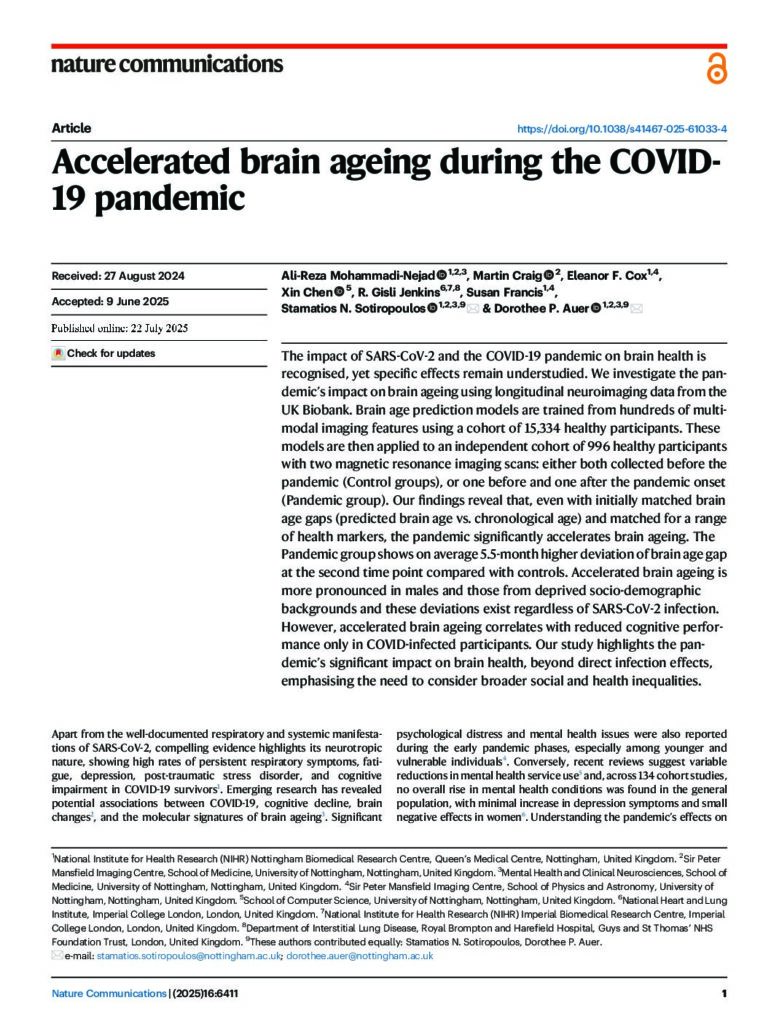
One particularly striking study, published in Nature Communications and titled “Accelerated Brain Ageing During the COVID-19 Pandemic”, reveals that the pandemic may have aged our brains by nearly six months — even in individuals who never tested positive for the virus.

Gut-Brain Connection: A Lasting Impact?

Though the precise biological mechanism remains unclear, other studies have found that SARS-CoV-2 can linger in the gut long after acute infection, triggering disruptions to the microbiome — the community of microbes in our digestive system. These microbiome shifts are now being linked to neurological symptoms, cognitive decline, and even mood disorders. The emerging science points to a possible gut-brain axis disruption that may help explain persistent symptoms like brain fog and memory issues reported in long-COVID cases.

The Study: Brain Aging and Cognitive Decline

The UK Biobank study analyzed longitudinal neuroimaging data from 15,334 healthy individuals to train brain age prediction models. These models were then applied to a smaller group of 996 participants who had undergone two MRI scans — one before the pandemic and one after.

Participants were divided into two groups:

  • Control Group: Two MRIs conducted before the pandemic.

  • Pandemic Group: One MRI before and one after the pandemic began.

Despite being matched for age, sex, and general health, the results were sobering:

On average, individuals scanned after the pandemic onset showed a 5.5-month increase in brain age compared to controls.

Even more concerning, this effect was observed regardless of whether a participant had contracted COVID-19. However, among those who had been infected, the brain aging also correlated with measurable declines in cognitive performance.

Who Is Most at Risk?

The study also found that men and individuals from lower socio-economic backgrounds were more likely to exhibit greater signs of accelerated brain aging. This underscores the pandemic’s disproportionate toll on vulnerable populations and points to the long-term consequences of social inequality on health — even at the neurological level.

Why This Matters

These findings raise urgent questions about how pandemics — and public health crises in general — affect our brains and long-term cognitive health. With growing evidence that COVID-19 can persist in the body, especially the gut, and cause systemic effects, researchers are calling for greater awareness, ongoing monitoring, and expanded health support — not just for those with long COVID, but for the broader public as well.

“Our study highlights the pandemic’s significant impact on brain health, beyond direct infection effects,” the authors write, “emphasizing the need to consider broader social and health inequalities.”

Final Thought

Whether through viral persistence, social stressors, or a complex interplay of both, the pandemic has left a measurable mark on our brains. As we move forward, protecting brain health will require not just treatment of acute infections, but also long-term strategies for cognitive support, mental health care, and addressing systemic disparities.

Destruction of Good Gut Bacteria Resulting in a Compromised Immune System

COVID-19 and Long-COVID

Accelerated Brain Ageing During the COVID-19 Pandemic

bookmark_borderSpotify’s Earnings Miss Highlights Deeper Tension: Overpaying Artists and the Rise of AI-Assisted Music

by Daniel Brouse
July 29, 2025

Spotify (NYSE: SPOT) stunned investors this quarter by reporting a loss of $0.48 per share for Q2 2025—far below the Zacks Consensus Estimate of a $2.13 profit. This marks a steep reversal from the $1.43 per share profit during the same period last year, representing a -122.54% surprise to the downside.

What makes this even more surprising is that Spotify’s user growth remains strong. The platform grew its monthly active users (MAUs) by 11% year-over-year, reaching 696 million, and premium subscribers rose 12% to 276 million. The audience is growing—but the profits are shrinking.

So what’s going on?

The Real Issue — a Business Model in Transition

One issue Spotify faces is that it may be overpaying artists relative to its revenue—payouts to rights holders are exceeding what the company brings in from subscriptions and advertising. However, the larger and more pressing problem could be Spotify’s struggle to adapt to modern technology and evolving creative workflows.

Contrary to alarmist headlines, AI is not the threat—especially not to artists. In fact, AI is rapidly becoming one of the most valuable tools in a musician’s toolkit. Rather than replacing creativity, artists are using AI as a production assistant, helping to enhance the quality, efficiency, and originality of their work. From sound design to arrangement and even mastering, AI is enabling a new level of independent innovation that’s reshaping music production for the better.

A New Future for Streaming

To adapt, Spotify may need to rethink how it manages and monetizes content:

  • Differentiate AI-assisted artistry from purely generative content, rewarding human-guided creativity rather than penalizing it.

  • Revise discovery algorithms to prioritize originality.

  • Invest in creator tools and transparency, so that artists can label their content as human, AI-assisted, or fully synthetic—and audiences can choose accordingly.

Conclusion

Spotify’s Q2 2025 earnings miss isn’t just a financial headline—it’s a flashing signal that the streaming economy is entering a new phase. The rise of AI-assisted music is a gift to independent artists, enabling them to produce high-quality releases that were once only possible with major-label resources.

The problem isn’t AI. It’s that platforms like Spotify haven’t yet caught up with the new spectrum of creativity that AI is making possible.

Ironically, industry analysts suggest that Spotify may need to adopt more advanced AI-powered advertising tools to better monetize its growing user base and compete more effectively in the evolving digital landscape.

The future of music is hybrid—human and machine working together—and it’s time for the platforms to recognize and reward that evolution.

bookmark_borderRacing Toward Irrelevance: How U.S. Protectionism, Anti-Science Rhetoric, and Policy Failures Are Fueling China’s Rise in AI and EVs

by Daniel Brouse
July 29, 2025

China has decisively surpassed the United States in both electric vehicle (EV) and artificial intelligence (AI) technology. The latest milestone came as Shanghai officially approved robotaxis for commercial operation, with Pony.ai and WeRide among the first companies to receive permits. Pony.ai now stands as the first company authorized to operate fully driverless robotaxis in all four of China’s tier-one cities: Beijing, Shanghai, Guangzhou, and Shenzhen. Joining the race are Baidu, SAIC Motor (via its Saike Technology subsidiary), and AutoX—all of which now hold commercial permits.

This is more than a symbolic victory; it’s a stark indicator of where global innovation is headed—and where the U.S. is not. The U.S. continues to lack competitively priced, domestically produced EVs. Our domestic EV industry is falling behind not just due to technological stagnation, but because of systemic policy failures and misinformed economic strategies on both sides of the political aisle. Meanwhile, China has emerged as the global powerhouse in EV manufacturing and deployment.

Protectionism: Digging Our Own Grave

The U.S. misunderstanding of trade policy has directly contributed to its decline while fueling China’s technological rise. Bipartisan protectionist policies have failed to incentivize innovation, instead shielding legacy industries from competition while denying consumers affordable, cutting-edge alternatives. Trump’s economic policies—steeped in nationalism and devoid of economic realism—are poised to take these mistakes even further. Many economists warn that if his approach becomes institutionalized across industries, the U.S. economy could face catastrophic consequences within just 21 months.

A closer look at two case studies underscores the cost of protectionism:

  • BYD: As China’s leading EV manufacturer, BYD has leveraged aggressive domestic support and limited foreign competition to dominate the global EV market. U.S. tariffs and lack of strategic EV policy have only widened the gap, leaving American consumers with fewer choices and higher prices.

  • DeepSeek: This Hangzhou-based AI startup has emerged as a world-class contender, producing large language models such as DeepSeek-R1 at a fraction of the cost and energy required by U.S. firms. Unlike bloated U.S. projects, DeepSeek demonstrates that affordable, efficient AI development is possible—even for smaller firms—when the right ecosystem exists.

The Anti-Science Feedback Loop

Adding fuel to the fire is the uniquely American disdain for science, particularly around climate change. Climate denial not only isolates the U.S. in global policy discussions but also kneecaps its competitiveness in future-critical industries like renewable energy, AI, and green technology. This anti-science sentiment is more than cultural—it’s existential. It feeds into destructive feedback loops:

  • Technological Decline: Dismissing science and climate data stifles innovation and leaves the U.S. lagging in clean tech development.

  • Economic Collapse: As climate events intensify, ignoring their causes multiplies the financial burden on businesses, insurers, and infrastructure, eroding economic resilience.

  • Civilizational Risk: The combination of climate denial and industrial decay accelerates our trajectory toward uninhabitable environments and economic collapse.

Conclusion: A Wake-Up Call

China’s dominance in AI and EVs didn’t happen by accident—it happened through strategic investment, state-supported innovation, and an understanding of the future. The U.S., by contrast, is clinging to outdated ideologies, protectionist economics, and anti-science dogma. If we don’t change course quickly, we risk not just falling behind—but falling apart.

What’s most interesting is how many people may stop owning personal vehicles altogether. It’s likely to become far more economical to simply summon a driverless car when needed—whether for commuting, errands, or picking up groceries. In many cases, you won’t even need to get into a vehicle yourself. Autonomous cars will handle deliveries, pickups, and more. That means no more valet parking, no more circling for a spot, and potentially no more personal auto insurance. This shift could transform entire industries—from parking and car dealerships to insurance and retail logistics. The change is coming fast globally—we’re just among the slowest to wake up.

This is not simply about global competition. It’s about survival—economic, environmental, and societal. The clock is ticking. Will we race toward relevance or continue our descent into irrelevance?

The Human Induced Climate Change Experiment

Trumpenomics: The Decline of the US

bookmark_borderGut Reactions: How Microbial Triggers, COVID-19, and Climate Feedback Loops Drive Chronic Illness

by Daniel Brouse
July 29, 2025

Multiple Sclerosis (MS) is a devastating autoimmune disorder in which the immune system mistakenly targets the protective myelin sheath that insulates nerve fibers, impairing communication between the brain and body. With a history of MS in my family, I’ve long explored whether its roots are hereditary, environmental, or microbial. Recent research reveals that the gut microbiome may hold the key—not only to MS, but to a broader understanding of chronic illness, infectious disease, and even climate-driven health threats.

The Microbiome and MS: A Gut-Level Discovery

A groundbreaking study by researchers at Ludwig Maximilian University of Munich (LMU) has made visible what many have long suspected: auto-aggressive T cells—central agents in MS—are activated in a specific region of the gut. Critically, this activation is microbiome-dependent.

Read the LMU study

A rare twin study involving 81 genetically identical pairs—where only one sibling developed MS—identified Eisenbergiella tayi and Lachnoclostridium as microbial suspects. These species reside in the small intestine and belong to the Lachnospiraceae family, normally thought to aid digestion. But under low-fiber diets, these bacteria switch to digesting the gut’s protective mucus layer—weakening the intestinal barrier and triggering immune surveillance systems.

This shift primes the immune system to attack, a process potentially intensified by E. tayi’s metabolic byproducts: ethanol and succinate, known stimulants of Th17 immune cells. Th17 overactivation is a known mechanism in MS, where misdirected immune responses degrade neural insulation.

The COVID-19 Connection: Microbes, Inflammation, and Immune Misfires

This microbial mechanism isn’t unique to MS. It echoes findings from studies on COVID-19, where disruptions in gut flora are tied directly to disease severity. In the study “Gut microbiota composition reflects disease severity and dysfunctional immune responses in patients with COVID-19,” researchers found:

  • COVID-19 patients exhibited dramatically altered gut microbiomes compared to non-COVID individuals.

  • These disruptions correlated with disease severity, higher inflammatory cytokines, and markers such as C-reactive protein and liver enzymes.

  • Even after the acute phase, dysbiosis persisted—possibly contributing to long-COVID symptoms.

Though SARS-CoV-2 infects the respiratory system, the gut’s immune role appears central to disease trajectory. Associations between microbial composition and immune signaling point to the gut as a regulator of inflammation—whether in neurodegeneration or viral response.

Nonlinear Feedback Loops and Climate Health Risk

What links MS, COVID-19, and climate change? The answer lies in systemic feedback loops—interconnected cycles that amplify disruption once they begin.

As rising global temperatures destabilize natural systems, they trigger multiple health-related feedback loops. These loops are not isolated or linear; instead, they feed into one another, accelerating deterioration of immune function, environmental integrity, and human health. The breakdown of one system—for example, air quality—exacerbates others, such as susceptibility to infection or chronic illness.

Case Study: COVID-19 and Air Pollution—A Deadly Spiral

The relationship between air pollution and COVID-19 is a textbook example of a compounding health feedback loop:

  1. Long-term exposure to polluted air weakens immune systems and causes chronic respiratory and cardiovascular disease.

  2. Infection with COVID-19 hits this vulnerable population harder, increasing hospitalizations and death rates.

  3. Survivors often face long-COVID complications, further compromised by ongoing pollution exposure.

  4. This cycle continues, draining resilience and pushing individuals toward chronic illness or early death.

This isn’t hypothetical. It’s observable now, and it’s worsening.

From Individuals to Systems: The Tipping Point in Public Health

These feedback loops don’t stop at the individual. They strain health systems, drain economic productivity, and destabilize entire populations. Hospitals flooded with heatstroke patients or long-COVID sufferers are not just medical crises—they are system-level tipping points. Workforce depletion, skyrocketing healthcare costs, and shortened life expectancy are cascading consequences.

And there are generational echoes. Chronic stress and inflammation—driven by microbial imbalance and environmental toxins—can trigger epigenetic changes that increase disease susceptibility in offspring. This sets in motion a transgenerational health spiral that compounds the crisis.

Conclusion: A Web of Converging Crises Demands Immediate Action

The climate crisis is a public health emergency. Its intersections with microbial dysbiosis, pollution, and immune dysfunction form a web of reinforcing threats that erode life expectancy and societal resilience.

To break these cycles, we must:

  • Reduce greenhouse gas emissions to mitigate extreme heat and its biological stressors.

  • Regulate air and water pollutants that impair immune function and gut health.

  • Support microbiome research and gut-health interventions that could prevent or treat autoimmune and infectious diseases.

  • Build resilient, climate-adaptive healthcare systems capable of withstanding compounding pressures.

Understanding the gut as a frontline in the battle for human health gives us a new lens—one that reveals not only the root causes of illness, but the urgent need for holistic, systems-level interventions. The time to act is now.

Climate-Driven Health Collapse: The Compounding Feedback Loops of Disease, Pollution, and Extreme Weather Brouse (2025)

The Human Induced Climate Change Experiment

bookmark_borderInvisible Crisis: How Air Pollution Is Quietly Shortening American Lives

by Daniel Brouse
July 29 , 2025

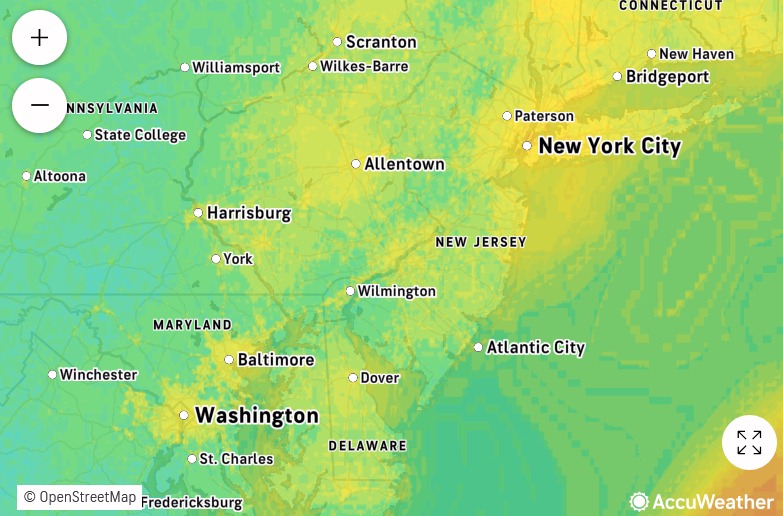
Today’s air quality map tells a story most people still fail to fully grasp: air pollution is not just a big-city problem. While it’s true that Philadelphia’s air quality is once again rated “unhealthy” today, the issue is far more widespread. Regions across Pennsylvania and surrounding states are also suffering—State College, Harrisburg, and even the Jersey Shore are experiencing poor air quality. Morgantown, West Virginia, consistently ranks among the worst in the nation, highlighting how rural and small-town America are not exempt from the invisible threat.

Air pollution is now the leading environmental cause of death in the United States. Fine particulate matter (PM2.5), ozone, nitrogen dioxide, and other airborne toxins contribute to heart disease, stroke, lung cancer, asthma, diabetes, and neurodegenerative disorders. These pollutants infiltrate the lungs, enter the bloodstream, and trigger systemic damage.

But what often gets overlooked is how air pollution initiates a health feedback loop. Exposure to chronic air pollution weakens the immune system, making the body more susceptible to both infectious and non-infectious diseases. It also causes epigenetic changes—altering how genes are expressed without changing the DNA itself—which can lead to lifelong health effects and be passed on to future generations. These changes reduce not just life expectancy, but the quality of life across one’s lifespan.

Worse still, this health feedback loop doesn’t exist in isolation—it interacts with climate-related feedback loops. For instance, warmer temperatures increase the formation of ground-level ozone and worsen wildfires, which dump more particulate pollution into the atmosphere. Simultaneously, climate-driven disruptions in agriculture and ecosystems compound the toll on human health through food insecurity and new disease vectors. The result is an accelerating cycle of harm that is exponentially shortening human lives.

What’s happening today on the air quality map is not a one-off event—it’s part of a long-term systemic crisis. The air we breathe is silently but powerfully eroding public health, disproportionately impacting children, the elderly, and frontline communities. Unless serious interventions are made at every level—from fossil fuel phase-outs to public health reforms—we are headed toward a future where the simple act of breathing becomes a daily health risk for millions.

Conclusion
Health feedback loops, violent rain, and deadly humid heat are fueling an exponential rise in climate-related deaths. This lethal triad — disease, extreme heat, and intense rainfall — demonstrates that climate change is not a distant threat but a rapidly accelerating public health emergency. These stressors interact and amplify one another, creating a cascade of compounding impacts that demand urgent intervention.

All 50 U.S. states — including Alaska — are already experiencing deadly humid heat advisories. Large regions of the country are becoming uninhabitable for weeks or even months each year due to extreme heat. Wet-bulb temperatures are approaching 31°C (87.8°F) in multiple states — a physiological threshold beyond which sustained outdoor survival is impossible, even with water and shade. Meanwhile, violent rain events are killing hundreds and causing billions in annual damage. Climate-driven health feedback loops have become the leading cause of mortality in the United States — fueled by systemic interactions between temperature extremes, air quality degradation, disease vectors, and infrastructure collapse. Addressing climate change is no longer just an environmental imperative — it is a public health necessity.

Our climate model — which incorporates complex socio-economic and ecological feedback loops within a dynamic, nonlinear system — projects that global temperatures could rise by up to 9°C (16.2°F) within this century. This far exceeds earlier estimates of a 4°C rise over the next thousand years, highlighting a dramatic acceleration in global warming. We are now entering a phase of compound, cascading collapse, where climate, ecological, and societal systems destabilize through interlinked, self-reinforcing feedback loops.

We examine how human activities — such as deforestation, fossil fuel combustion, mass consumption, industrial agriculture, and land development — interact with ecological processes like thermal energy redistribution, carbon cycling, hydrological flow, biodiversity loss, and the spread of disease vectors. These interactions do not follow linear cause-and-effect patterns. Instead, they form complex, self-reinforcing feedback loops that can trigger rapid, system-wide transformations — often abruptly and without warning. Grasping these dynamics is crucial for accurately assessing global risks and developing effective strategies for long-term survival.


The Human Induced Climate Change Experiment

bookmark_borderThe Year of the Flood: 2025 and the Rise of Hydroclimate Whiplash

by Daniel Brouse
July 29, 2025

The year 2025 is rapidly becoming known as “The Year of the Flood”—a tipping point in the era of hydroclimate whiplash, where extreme fluctuations between drought and deluge are reshaping life across the globe. Fueled by intensifying climate change, these events are no longer anomalies—they are becoming the new normal.

Beijing Drowns on the Edge of a Desert

Beijing, perched near the edge of the Gobi Desert in northern China, is no stranger to arid conditions. But this summer, it’s the opposite extreme that’s proving deadly. Prolonged and intense rainfall has led to the deaths of at least 30 people, with dozens more missing. Infrastructure has buckled—over 130 villages have lost electricity, and numerous roads have been rendered impassable by floodwaters. The devastation in Beijing is a stark illustration of how even historically dry regions are now facing increasingly unpredictable and violent precipitation events.

Pakistan’s Monsoon Nightmare Repeats

Just weeks ago, northern Pakistan was hit by catastrophic flash floods that claimed at least 32 lives. Now, a fresh warning has been issued as glacial lake outburst floods (GLOFs) threaten to compound the crisis. Above-average monsoon rains, especially in the mountainous Khyber Pakhtunkhwa province, are once again putting millions at risk. With the scars of the historic 2022 floods still fresh, the nation faces another round of devastation. As glacial melt accelerates in the warming Himalayas, this region finds itself trapped in a deadly feedback loop: warming causes more melt, which raises flood risk, which destroys infrastructure and livelihoods—further reducing resilience for the next climate blow.

America’s Floodplain Nation

In the United States, 2025 has already shattered records for flood frequency and severity. From the Gulf Coast to New England, and from California to the Midwest, communities have faced what used to be considered 1,000-year and 500-year floods—terms that now feel obsolete. These once-rare events have become shockingly routine, exposing the inadequacy of outdated risk maps, insurance models, and urban planning systems. States like Vermont, Kentucky, Texas, and Nevada have all experienced extreme flooding this year, with damages reaching into the tens of billions and displacing thousands.

The Bigger Picture: A Planet in Precipitation Chaos

What we are witnessing is not just a bad weather year—it’s a planetary system unraveling in real-time. Climate scientists have long warned of hydroclimate instability as global temperatures rise. Warmer air holds more moisture, leading to both prolonged droughts and more intense storms. This is hydroclimate whiplash: the pendulum swing from dry to deluge, now moving faster and hitting harder. Infrastructure built for 20th-century weather patterns is proving woefully inadequate for 21st-century climate extremes.

The costs—economic, social, and ecological—are mounting. Insurance companies are pulling out of flood-prone areas, government relief programs are stretched thin, and marginalized communities are disproportionately affected. Meanwhile, the cumulative psychological toll of disaster fatigue—constantly recovering, rebuilding, and bracing for the next blow—cannot be overstated.

Conclusion

2025 may be remembered as the year the world finally woke up to the brutal new reality of climate-driven flooding. But unless these floods catalyze serious action—from aggressive emissions cuts to global resilience planning—the years to come could make 2025 look like a warning unheeded. We are now living in the era of the flood. The question is: What will we do with that knowledge?

Hydroclimate Whiplash: America’s Flood Disaster Signals Accelerating Climate Chaos Brouse (2025)

1,000-Year Flood Hits Chapel Hill: Another Warning Sign of a Warming World Brouse (2025)

Florida’s Real Estate Collapse: Climate Physics, Soaring Costs, and the End of Coastal Wealth Brouse (2025)

Texas Flood Disaster: 500-Year Floods Become Regular Events Brouse (2025)

The Human Induced Climate Change Experiment

bookmark_borderA Fiscal Red Flag: U.S. Borrowing Surges by Over $450 Billion in a Single Quarter

During the July–September 2025 quarter, the U.S. Treasury now expects to borrow $1.007 trillion in privately held net marketable debt, based on an assumed end-of-quarter cash balance of $850 billion. This revised estimate marks a dramatic increase—$453 billion more than what was projected just three months earlier in April 2025.

This surge in federal borrowing raises urgent concerns about the sustainability of U.S. fiscal policy. Servicing the national debt has already become one of the largest and fastest-growing components of the federal budget, surpassing spending on key programs like defense and Medicaid. With interest rates still elevated and debt levels nearing historic highs, the cost of borrowing is compounding rapidly, putting additional strain on future budgets and leaving less fiscal room for public investment, social programs, or economic stabilization.

The revised borrowing figures underscore how volatile economic conditions, elevated spending commitments, and rising debt service obligations are creating a self-reinforcing cycle: more borrowing leads to higher interest payments, which in turn require even more borrowing. At this pace, the fiscal outlook is becoming increasingly unsustainable, and absent structural reforms or stronger revenue growth, the U.S. risks entering a prolonged period of chronic deficits and weakened economic resilience.

Trumpenomics: The Decline of the US

bookmark_borderTurkey Breaks All-Time Heat Record with Scorching 50.5°C (122.9°F)

by Daniel Brouse
July 27, 2025

Turkey’s Environment Ministry confirmed that the country has recorded its highest temperature ever as meteorologists measured a blistering 50.5°C (122.9°F) in the southeastern district of Silopi on Friday. This extreme reading not only sets a new national heat record, but also underscores the region’s growing vulnerability to climate-driven extreme weather events.

This milestone reflects a broader trend of escalating heatwaves across the Middle East, North Africa, and southern Europe—regions already under pressure from prolonged droughts, declining water reserves, and agricultural stress. Scientists warn that such extreme temperatures will become more frequent and more severe as climate change accelerates, especially in areas already prone to arid conditions.

The Turkish government has issued heat advisories and urged citizens to remain indoors during peak hours, stay hydrated, and avoid strenuous activity. Public health officials are also monitoring for heat-related illnesses, particularly among the elderly and those with preexisting health conditions.

This record-setting temperature is yet another stark reminder of the urgent need for global climate action, regional heat adaptation strategies, and strengthened infrastructure to protect vulnerable populations.

URGENT CLIMATE WARNING
Our most recent climate model — now updated to include socio-economic and ecological feedback loops within a dynamic, nonlinear framework — projects up to 9°C global warming by 2100. This far exceeds prior estimates and indicates we are entering a phase of compound, cascading collapse.

At this level of heating, many regions will become uninhabitable due to heat stress, sea-level rise, food system failure, and forced migration. Wet-bulb temperatures in the U.S. are already nearing 31°C (87.8°F) — a physiological limit beyond which human life cannot be sustained outdoors for long, even with water and shade.

This is not hypothetical. The climate system is tipping now.

Immediate mitigation and adaptation are essential to preserve habitable zones and public health—and to avoid collapse on both ecological and economic fronts.

Tipping points and feedback loops drive the acceleration of climate change. When one tipping point is toppled and triggers others, the cascading collapse is known as the Domino Effect.

The Climate Crisis: Violent Rain | Deadly Humid Heat | Health Collapse | Extreme Weather Events | Insurance | Trees and Deforestation | Rising Sea Level | Food and Water | Updates

The Human Induced Climate Change Experiment

bookmark_borderAir Quality Reaches Code Red in Philadelphia and Jersey Shore: Wildfire Smoke Sparks Health Alerts

by Daniel Brouse
July 27, 2025

Air quality levels reached Code Red across parts of Philadelphia and the Jersey Shore last evening and today, prompting urgent health warnings for residents. The alert, triggered by unhealthy concentrations of fine particulate matter (PM2.5), was in effect from the southern tip of Long Beach Island to Sea Isle City, extending inland as far as Egg Harbor.

A Code Red Air Quality Alert means the air is considered “unhealthy for all individuals,” not just those with pre-existing conditions. Public health officials strongly advised everyone—especially children, the elderly, and those with asthma, heart, or lung conditions—to limit time outdoors, avoid strenuous activity, and stay inside with filtered air whenever possible.

“These pollutant particulates can penetrate deep into the lungs,” warned local air quality experts. “Even short-term exposure can cause inflammation, trigger asthma attacks, or worsen cardiovascular symptoms.”

Wildfire Smoke From Canada the Primary Cause
The spike in pollution was caused by smoke drifting south from ongoing wildfires in Canada. This marks another chapter in a growing trend of long-distance smoke events, as climate-fueled wildfires in the northern latitudes increasingly affect air quality thousands of miles away.
Temporary Relief from Incoming Rain

Conditions improved after midnight in a few areas, thanks to an incoming band of rain, which helped wash particulates out of the atmosphere. However, the reprieve was short-lived. Code Red conditions continued Sunday. With the Canadian wildfires still actively burning, experts warn that similar air quality alerts may return in the coming days depending on wind patterns and fire behavior.

A Growing Public Health Concern
Episodes like this are becoming more frequent and severe, highlighting how climate change and transboundary pollution are converging to impact public health. As wildfire seasons lengthen and intensify globally, the U.S. Northeast and Mid-Atlantic regions may continue to see deteriorating air quality even without local fires.

Public health officials encourage residents to check the AirNow.gov or local environmental agency websites for real-time air quality updates, and to consider investing in HEPA air purifiers or using MERV-13 filters in home HVAC systems to reduce indoor exposure.

Wildfires and Climate Change
Wildfires are becoming more intense, more frequent, and more destructive in climate-sensitive regions such as Canada, the U.S. West, Southern Europe, and Australia.

In fact, unprecedented events are now unfolding. In Canada, vast swaths of boreal forest and peatland are burning year-round. Once considered permanently frozen, Canadian peat permafrost has begun to smolder even beneath the snow, releasing immense quantities of carbon dioxide and methane. These fires, known as “zombie fires,” persist underground through the winter and reignite during spring and summer. This phenomenon marks a terrifying shift in the fire-climate feedback loop.

Wildfire behavior is now directly tied to a compounding set of climate-driven feedbacks. One such loop is: Drought → Fire → Dieback. During extended drought and extreme heat, trees close their stomata to conserve water, which reduces their CO₂ uptake and weakens their resilience. At the same time, warmer, drier conditions make forests more flammable. This leads to more frequent and intense fires, which kill trees and release the carbon they had stored. The Amazon rainforest, once the planet’s largest carbon sink, is now emitting more carbon than it absorbs.

Another underappreciated factor is ozone pollution, which results from fossil fuel combustion. Ground-level ozone damages plant tissues and further inhibits their ability to absorb CO₂, compounding forest dieback and undermining global carbon sinks.

Additionally, wildfires generate “brown carbon”—a class of light-absorbing organic particles. These airborne particulates can travel thousands of miles and settle on snow and ice in Greenland, Antarctica, and mountain glaciers. By darkening the surface, brown carbon reduces the reflectivity (albedo) of ice, accelerating melting. This leads to greater freshwater runoff, destabilizing ocean circulation patterns such as the Atlantic Meridional Overturning Circulation (AMOC), and further warming the poles.

This creates a cascading carbon feedback loop: drought and heat increase wildfires; wildfires kill forests and release stored carbon; ozone and pollution further weaken vegetation; and brown carbon accelerates ice melt. All of these processes contribute more greenhouse gases to the atmosphere, amplifying climate change and locking in even more fire, drought, and environmental collapse.

Drought → Fire → Dieback → Carbon Feedback

Drought stresses trees, increasing flammability and reducing CO2 uptake. Fires release stored carbon, turning the Amazon from a carbon sink into a carbon source. Brown carbon from wildfires darkens snow and ice globally, accelerating melt and AMOC slowdown, feeding back into the system.

Ignite a Domino Effect: Albedo, Brown Carbon, Permafrost  Brouse and Mukherjee (2025)

Canadian Wildfires: Over the Tipping Point Brouse (2024)

Wildfires, Climate Change and Extreme Weather Events Brouse and Mukherjee (2024)

The Human Induced Climate Change Experiment