Financial Disclosure and Conflict of Interest Regulations for U.S. Presidents and Officials
When a U.S. president takes office, they—as well as their cabinet members, high-ranking officials, and anyone with substantial influence in the administration—are generally required to disclose all financial activities. This process is designed to ensure transparency, prevent conflicts of interest, and uphold ethical standards in governance.
Typically, this includes the public release of their tax returns, which provides insight into their financial history, sources of income, and potential conflicts of interest. Additionally, officials are expected to divest from any assets or positions that could create conflicts, either by selling them outright or placing them into a blind trust managed independently to prevent undue influence over policy decisions.
A broad set of federal laws and regulations, including the Ethics in Government Act and various conflict-of-interest statutes, exist to prevent public officials from using their positions for personal financial gain. These laws prohibit actions such as insider trading, self-dealing, and preferential treatment in policymaking or government contracts. Violations can lead to legal consequences, loss of office, or significant reputational damage.
While past presidents have largely adhered to these ethical norms, there have been exceptions and controversies, highlighting the ongoing debate about the adequacy of existing laws and enforcement mechanisms.
Donald Trump’s Lack of Transparency and Authenticity
President Donald Trump’s adherence to financial disclosure and conflict of interest regulations has been a subject of extensive scrutiny and debate.
Financial Disclosures:
As a candidate and officeholder, President Trump was required to submit financial disclosure reports detailing his assets, income sources, and business interests. While he did file these disclosures, organizations like Citizens for Responsibility and Ethics in Washington (CREW) have raised concerns about the completeness and transparency of these reports. For instance, CREW obtained and analyzed Trump’s 2023 financial disclosures, highlighting potential gaps and ambiguities.
Conflicts of Interest:
Unlike his predecessors, President Trump chose not to divest from his extensive business holdings upon assuming office. This decision led to numerous allegations of conflicts of interest. CREW documented over 3,400 instances where the line between the Trump Organization and the Trump administration appeared blurred, raising questions about whether policy decisions were influenced by personal financial interests.
Specific concerns include the promotion of personal business ventures and the intertwining of official duties with private interests. For example, events and initiatives that involved both governmental roles and private business promotions have been criticized as potential violations of ethical standards.
Legal and Ethical Considerations:
It’s important to note that the President is exempt from certain federal conflict of interest laws that apply to other executive branch employees. However, ethical norms and the Constitution’s Emoluments Clauses are intended to prevent undue influence and ensure that presidential decisions are made in the public interest, free from personal financial considerations. Critics argue that President Trump’s actions challenged these principles, leading to legal challenges and calls for greater accountability.
Concerns have been raised regarding potential conflicts of interest and ethical standards involving President Donald Trump, his family, and Elon Musk. Key issues include:
Tesla Event on the White House Lawn
On April 1, 2025, Elon Musk hosted an event on the White House lawn alongside President Trump to promote Tesla vehicles. This event drew criticism for potentially using public office for private gain, as it appeared to leverage the presidential platform to benefit Musk’s private enterprise. The event also sparked global protests, with demonstrators targeting Tesla showrooms to express opposition to Musk’s partnership with President Trump.
Trump Organization’s Ventures in Vietnam
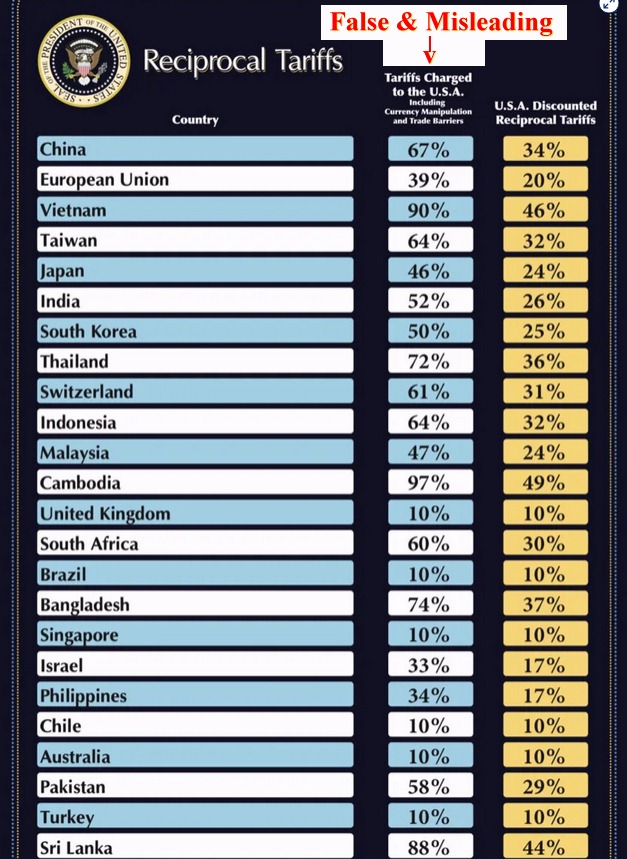
The Trump Organization announced plans for multi-billion-dollar investments in Vietnam, including golf courses, hotels, and real estate projects. The first project, valued at $1.5 billion near Hanoi, is set to break ground in May 2025. These developments proceed amid potential U.S. tariffs on Vietnam due to trade imbalances. Critics argue that such foreign ventures by a sitting president’s business could lead to conflicts of interest, especially when intertwined with international trade policies.
Starlink Contracts and Tariff Relief
Elon Musk’s Starlink secured contracts to provide satellite internet services in Vietnam, coinciding with Vietnam’s efforts to mitigate U.S. tariffs by increasing imports from the U.S. This arrangement has raised questions about potential quid pro quo dealings and the ethical implications of a government official’s private company benefiting from international agreements influenced by U.S. trade policies.
Elon Musk’s Role in Government and Business Interests
Elon Musk’s appointment as co-lead of the Department of Government Efficiency (DOGE) under President Trump has been scrutinized due to potential conflicts of interest. As a “special government employee,” Musk is subject to less stringent conflict-of-interest rules, allowing him to maintain leadership roles in his private companies while influencing government operations. This dual role has prompted calls for investigations into whether Musk has used his government position to benefit his businesses, particularly concerning the cancellation of a $2.4 billion FAA contract with Verizon in favor of Starlink.
Legal Actions and Investigations
In March 2025, a U.S. judge ruled that Elon Musk must face a fraud lawsuit alleging he delayed disclosing his significant stake in Twitter (now X), potentially misleading investors and violating securities laws. Additionally, leading Democrats have called for investigations into Musk’s activities, focusing on his influence over federal agencies and the financial benefits his companies have received from government contracts.
These instances highlight ongoing concerns about the intersection of public duties and private interests among high-ranking officials and their associates, emphasizing the need for stringent ethical standards and transparency in government operations.
Senators Launch Investigation into Trump’s Crypto Corporation, Urge SEC to Preserve Documents
Senator Elizabeth Warren, along with Representative Maxine Waters, has requested that the Securities and Exchange Commission (SEC) preserve records related to President Donald Trump’s cryptocurrency venture, World Liberty Financial. They are investigating potential conflicts of interest stemming from the Trump family’s financial ties to this crypto business.
In a separate initiative, Senator Warren, joined by four other Democratic senators, expressed concerns about conflicts of interest regarding World Liberty Financial’s plans to issue a stablecoin named USD1. They sent a letter to U.S. financial regulators seeking clarification on how they intend to oversee this venture.
Additionally, Senator Warren has called on David Sacks, President Trump’s Special Advisor for AI and Crypto, to publicly disclose his financial records. She aims to address potential conflicts of interest related to the administration’s cryptocurrency policies.
These actions reflect ongoing concerns among Democratic lawmakers about the intersection of President Trump’s official duties and his family’s business interests in the cryptocurrency sector.
TRUMP’S HISTORY OF CRIMINALITY AND UNETHICAL BEHAVIOR
President Donald Trump and his associated entities have been involved in numerous legal proceedings, encompassing civil and criminal cases, impeachments, bankruptcies, defamation suits, sexual assault allegations, and controversies surrounding both non-profit and for-profit ventures. Below is an overview:
Criminal Indictments and Convictions:
- 2023-2024 Criminal Cases: Between 2023 and 2024, Trump faced four criminal indictments on charges including fraud, election subversion, and obstruction. These marked the first instances of a former U.S. president facing criminal charges.
- 2025 Conviction: In early 2025, Trump was convicted on 34 felony counts related to concealing a “hush money” transaction intended to hide a sex scandal from voters. Despite the conviction, he was sentenced to no penalty, making him the first individual convicted of a felony to assume the office of president.
Civil Lawsuits and Investigations:
- New York Civil Fraud Lawsuit: In September 2022, New York Attorney General Letitia James filed a civil lawsuit against Trump, his three eldest children, and the Trump Organization, alleging over 200 instances of fraud and misrepresentation. The suit sought $250 million in penalties and aimed to restrict future business activities in New York. In February 2024, a judge ordered Trump to pay a penalty exceeding $450 million and barred him from leading any New York company for three years.
Defamation and Sexual Assault Cases:
- E. Jean Carroll Case: In 2019, writer E. Jean Carroll accused Trump of raping her in a department store dressing room in the 1990s. Trump denied the allegation, leading Carroll to file a defamation lawsuit against him. In May 2023, a jury found Trump liable for sexual abuse and defamation, awarding Carroll $5 million in damages. Subsequent appeals by Trump were rejected, and in a later ruling, he was ordered to pay an additional $83.3 million in damages.
- Other Allegations: Multiple women have accused Trump of sexual misconduct over the years. While he has denied these allegations, they have led to various legal challenges and public scrutiny.
Impeachments:
- First Impeachment (2019): The House of Representatives impeached Trump on charges of abuse of power and obstruction of Congress related to his dealings with Ukraine. The Senate acquitted him in early 2020.
- Second Impeachment (2021): Following the January 6 Capitol riot, Trump was impeached again, this time for incitement of insurrection. The Senate acquitted him in February 2021.
Bankruptcies:
While Donald Trump has never filed for personal bankruptcy, several of his business ventures have — repeatedly. The exact number of corporate bankruptcies tied to Trump is difficult to pin down, largely because of how they are counted. For example, Trump’s casino empire — operating under Donald J. Trump (DJT) Hotels & Casinos — filed for bankruptcy four separate times, though some analysts group those together as a single event.
Most sources agree that Trump-related companies have filed for bankruptcy at least six times. However, when counting repeat filings by the same entities, some estimates place the total closer to 12 to 14.
In every case, a familiar pattern emerges: Trump personally profited while shareholders, lenders, and employees absorbed the losses. His playbook centers on aggressive debt, questionable financial management, and systematically transferring risk away from himself and onto investors and creditors.
Now, he’s applying the same strategy on a global scale.
Legal Issues Involving Non-Profit and For-Profit Entities:
- Trump University: Established in 2005, Trump University offered real estate training programs. It faced multiple lawsuits alleging fraudulent practices, including a significant case in which plaintiffs accused the institution of misleading students about the quality of education provided. In 2018, a federal judge finalized a $25 million settlement to resolve these lawsuits, allowing former students to receive compensation for their financial losses.
- Donald J. Trump Foundation: Founded in 1988, the Trump Foundation came under scrutiny for alleged misuse of funds, including accusations of self-dealing and advancing Trump’s political interests. In 2019, the New York Supreme Court ordered Trump to pay $2 million in damages for improperly using charitable assets to intervene in the 2016 presidential primaries and further his own political interests.
Jail
Both Allen Weisselberg, the former Chief Financial Officer (CFO) of the Trump Organization, and Michael Cohen, President Donald Trump’s former personal attorney and “fixer,” were convicted and served prison sentences due to their involvement in financial crimes related to their roles within the Trump Organization.
Allen Weisselberg:
Weisselberg was implicated in a tax fraud scheme involving the Trump Organization. He pleaded guilty to 15 felony charges, including grand larceny, criminal tax fraud, and falsifying business records. These charges stemmed from his failure to pay taxes on $1.7 million in indirect compensation, which included benefits such as a rent-free luxury apartment, private school tuition for his grandchildren, and leased Mercedes-Benz vehicles. In January 2023, Weisselberg was sentenced to five months in jail and began serving his sentence at Rikers Island.
Michael Cohen:
Cohen pleaded guilty to multiple charges, including tax evasion, bank fraud, and campaign finance violations. The campaign finance violations were particularly notable, as they involved orchestrating hush money payments to women alleging affairs with Donald Trump during the 2016 presidential campaign. These payments were intended to influence the election by suppressing potentially damaging information. In December 2018, Cohen was sentenced to three years in federal prison.
Profit Over Patriotism: How Trump’s Second Term Blurred the Line Between Presidency and Personal Gain
Donald Trump’s second term in office marked a sharp escalation in the merger of political power and personal profit. From crypto schemes and cell service ventures to corporate-sponsored parades and questionable foreign deals, Trump turned the presidency into a revenue-generating enterprise, prioritizing his brand and wallet over democratic norms and military integrity.
Trump’s Crimes, Illegal Activities, and Immorality: A Record of Corruption
Trump, Debt, and the Art of Losing Other People’s Money