bookmark_borderClimate Update: A Sad Day for Humanity

by Daniel Brouse
March 13, 2025

The Trump administration has once again taken a sledgehammer to environmental protections, rolling back regulations on industrial emissions and automobile fuel efficiency standards. These actions continue the administration’s aggressive pro-fossil fuel agenda under the “drill, baby, drill” philosophy, prioritizing short-term profits over the long-term survival of our planet.

Rolling Back Protections: A Devastating Step Backward

Environmental regulations serve as critical guardrails to prevent unchecked pollution, mitigate climate change, and protect public health. However, the Trump administration has systematically dismantled these safeguards, undoing decades of progress.

Key rollbacks include:

  • Industrial Emissions: Regulations limiting carbon dioxide, methane, and other greenhouse gas emissions have been weakened or eliminated, allowing industries to pump more pollutants into the atmosphere with fewer consequences.
  • Automobile Standards: Fuel efficiency requirements for vehicles have been relaxed, leading to increased fossil fuel consumption and higher emissions at a time when transitioning to clean energy is more urgent than ever.
  • Public Land Exploitation: Protected areas, including national parks and wildlife refuges, have been opened up for oil drilling and resource extraction, permanently damaging ecosystems and increasing carbon output.

These policies, far from being economically beneficial, are accelerating climate change and endangering both the environment and human civilization.

Crossing the Point of No Return

Newly revised climate models indicate that the environmental policies enacted during Trump’s first and second terms have pushed the planet past multiple tipping points—points where climate systems begin to change irreversibly. These include:

  • Arctic Ice Loss Acceleration: Reduced ice cover is amplifying global warming by decreasing the Earth’s ability to reflect solar radiation.
  • Amazon Rainforest Collapse: Deforestation, coupled with rising temperatures, is transforming the world’s largest carbon sink into a net emitter of CO₂.
  • Ocean Circulation Disruptions: The weakening of major ocean currents, including the Atlantic Meridional Overturning Circulation (AMOC), threatens global weather patterns and food security.

With these tipping points crossed, scientists warn that global temperatures are now set to surpass critical thresholds within this century, leading to more frequent and intense natural disasters, rising sea levels, and mass displacement of human populations.

The Cost of Ignoring Science

The consequences of ignoring climate science in favor of corporate profits are becoming increasingly severe. Every rollback in environmental protections increases the likelihood of widespread ecological collapse and economic devastation. Rising temperatures will fuel more hurricanes, wildfires, droughts, and floods—each exacting a higher toll on human life and infrastructure.

Despite overwhelming evidence of the catastrophic impact of these policies, the administration remains committed to deregulation, further entrenching fossil fuel dependence and delaying the transition to sustainable energy.

Final Thoughts: An Avoidable Disaster

The tragedy of this situation is that it was entirely preventable. Had the U.S. prioritized climate action over corporate interests and personal greed, we could have slowed or even halted many of these dangerous trends. Instead, we now face an increasingly inhospitable planet, an unstable economy, and a future filled with avoidable suffering.

The question now is not whether the damage will be done—but how much worse it will get before real action is taken.

The Human Induced Climate Change Experiment

bookmark_borderA Storm Brewing in Global Trade

by Daniel Brouse
March 12, 2025

Daily Market Update: A Storm Brewing in Global Trade

While domestic markets remained relatively calm, international markets reacted with volatility to the latest round of tariffs, escalating trade tensions worldwide.

In Trump 1.0, steel and aluminum tariffs were introduced at 25% on steel and 10% on aluminum, selectively targeting a handful of nations. Today, those tariffs have returned—but this time, they are 25% across the board, applying to all steel and aluminum imports, regardless of their origin. This marks a significant escalation in protectionist policies, with the potential to destabilize supply chains and increase costs for U.S. manufacturers and consumers alike.

The global response has been swift. Retaliatory tariffs are already being discussed, with several key trading partners preparing countermeasures. Even Australia, a long-standing U.S. ally that was previously exempt, is now expressing frustration, with one prominent economist summing up the sentiment as: “What the fuck?”

The Impact: Higher Costs, Fewer Jobs, and Economic Instability

Historically, tariffs of this nature have had disastrous economic consequences. The last round of steel and aluminum tariffs under Trump led to a net loss of 75,000 U.S. manufacturing jobs, and each job “saved” cost taxpayers nearly $900,000. Prices on everything from automobiles to canned goods surged, making life more expensive for American families.

This time, the impact is likely to be even worse. A broad, across-the-board tariff will strain international relations, drive inflation, and trigger widespread retaliation. U.S. companies reliant on imported metals will face higher costs, leading to job cuts, reduced investment, and lower economic growth.

The Markets React: Uncertainty Takes Hold

While the full effects will take time to unfold, the immediate market reaction has been one of caution and concern. The tariffs add another layer of economic uncertainty at a time when global markets are already grappling with inflation, geopolitical instability, and rising interest rates. Investors are wary, and market volatility is expected to increase in the coming weeks.

Final Thoughts: Repeating History’s Mistakes

Despite clear evidence from his first term that tariffs did more harm than good, Trump is doubling down on failed economic policies that increase costs, eliminate jobs, and weaken the U.S. economy. The previous steel and aluminum tariffs were an economic disaster, and this round—hitting more industries, more countries, and more supply chains—will only accelerate the damage.

As trade partners prepare their countermeasures, the question is no longer if the U.S. economy will suffer, but how badly.

… and oh, yeah… these aren’t the real tariffs, yet. They come April 2.

bookmark_borderThe Devastating Impact of Trump’s Steel and Aluminum Tariffs

By Daniel Brouse
March 12, 2025

The Perterson Report released an analysis of the Trump steel and aluminum tariffs imposed during his first term that are very similar to the tariffs that went into effect today. In his last term, the result was a net loss of 75,000 manufacturing jobs and each job ‘saved’ cost taxpayers $900,000.

Key Findings: The Failure of Trump’s Previous Tariffs

During Trump’s first term, the administration imposed 25% tariffs on steel and 10% on aluminum under the justification of protecting American jobs and reducing reliance on foreign imports. However, the Peterson Report found that the policy was a net negative for the economy.

The Economic Damage of Trump’s First Tariffs:

  • Net Loss of 75,000 U.S. Manufacturing Jobs – While a handful of domestic steel jobs were temporarily created, the broader manufacturing sector suffered significantly. Industries that rely on steel and aluminum, such as automotive production, construction, and appliance manufacturing, faced higher input costs, leading to layoffs and production cuts.
  • Each Job Saved Cost Taxpayers $900,000 – The few jobs that were protected by tariffs came at an extraordinarily high cost, making it one of the least efficient job protection policies in U.S. history.
  • Higher Prices for American Businesses and Consumers – U.S. companies had to pay 15-20% more for steel and aluminum compared to international competitors, leading to price increases for consumer goods, vehicles, and infrastructure projects.
  • Decline in U.S. Exports Due to Retaliatory Tariffs – In response to Trump’s tariffs, major trading partners—including Canada, China, and the European Union—imposed their own retaliatory tariffs on U.S. goods. This particularly hurt the agriculture sector, leading to billions in lost revenue for American farmers.
  • Stock Market and Business Uncertainty – The tariffs increased economic volatility, with markets reacting negatively to heightened trade tensions and uncertainty in key manufacturing industries.

Why the 2025 Tariffs Will Have an Even Worse Outcome

With Trump’s new 25% tariff on steel and aluminum, the economic consequences could be far worse than in 2018. Several key factors make the U.S. even more vulnerable to economic disruption today:

  1. Inflationary Pressures Are Already High – Unlike in 2018, inflation remains a major issue in the U.S. economy. These tariffs will further drive up prices for raw materials, worsening inflation for consumers and businesses.
  2. Global Supply Chains Are Still Recovering – Politics has already disrupted global trade, and adding tariffs now will further destabilize supply chains, making it harder for manufacturers to secure essential materials.
  3. Retaliation Will Hit Key U.S. Industries – The world has already signaled they will retaliate aggressively, likely targeting U.S. agricultural exports, manufacturing goods, and other key industries.
  4. Increased Risk of Economic Contraction – Economists warn that steep protectionist policies could push the U.S. into a manufacturing downturn, reducing GDP growth and weakening global investor confidence in the U.S. economy.

Final Thoughts: A Policy Repeating History’s Mistakes

Despite clear evidence from his first term that tariffs caused more harm than good, Trump is once again pursuing failed economic policies that drive up costs, eliminate jobs, and weaken the U.S. economy. The previous 25% steel and 10% aluminum tariffs proved to be a costly mistake, resulting in net job losses and higher consumer prices. Now, with new 25% tariffs on both, history is poised to repeat itself—only this time, the consequences could be even more severe.

If history is any indication, these tariffs won’t protect American jobs—they will destroy them.


bookmark_borderClimate Change and Policy Shifts Threaten U.S. Housing Market Stability

by Daniel Brouse
February 20, 2025

Projected Devaluation of U.S. Homes Due to Climate Change

Recent analyses indicate that climate change poses a significant threat to the U.S. housing market. Over the next five years, it’s projected that at least 20% of U.S. homes will experience devaluation due to climate-related impacts. In certain vulnerable markets, property values could decline by up to 30% within this period. By 2055, approximately 84% of all U.S. homes may suffer devaluation, resulting in an estimated $1.47 trillion in losses. This timeline aligns with the typical 30-year mortgage term, underscoring the long-term financial risks for homeowners and lenders.

Insurance Market as an Indicator of Real Estate Vulnerability

The availability and cost of homeowners insurance are critical factors influencing mortgage approvals and, consequently, home valuations. Insurance is often considered the ‘canary in the coal mine’ for real estate, signaling emerging risks associated with climate change. High-vulnerability regions, particularly coastal areas in states like Florida, Louisiana, and California, are confronting a compounded crisis. The convergence of escalating insurance premiums, frequent natural disasters, and declining property values is placing immense strain on both homeowners and insurance systems. In Florida, for instance, the state-owned Citizens Property Insurance Corporation has become the largest insurer, reflecting the significant withdrawal of private companies from the market due to unmanageable risks.

Historical Context and Accelerating Climate Change Impacts

Traditionally, real estate has been regarded as a stable and appreciating investment, often outpacing general inflation rates. Since 1963, while inflation has risen by 896%, housing prices have surged by more than 2,350%. However, climate change is disrupting this paradigm. Scientific observations have documented a non-linear acceleration of climate change impacts, with the doubling time of these effects shrinking from approximately 100 years to just a few years. This rapid acceleration suggests that the adverse consequences of climate change on real estate are intensifying at an unprecedented rate.

Policy Changes and Their Potential Exacerbation of Climate Risks

Recent policy shifts under the Trump administration may further exacerbate these challenges. The administration has rescinded numerous environmental regulations and executive orders aimed at mitigating climate change. Notably, President Trump signed 26 executive orders on January 20, 2025, which included the repeal of approximately 80 prior executive actions focused on energy, environmental, and natural resource agendas. These actions reflect a strategic shift towards promoting domestic fossil energy production and reducing regulatory oversight, potentially accelerating environmental degradation.

Additionally, the administration has proposed reforms to key entities in the U.S. housing finance system, specifically Fannie Mae, Freddie Mac, and the Federal Housing Administration (FHA). The proposed privatization of Fannie Mae and Freddie Mac could lead to increased mortgage rates, adversely affecting housing affordability. Furthermore, the potential elimination of the Consumer Financial Protection Bureau (CFPB) may reduce oversight in the housing market, increasing the risk of predatory practices. These reforms could introduce significant uncertainty into the housing market, influencing home prices and overall economic stability.

The Trump administration has also announced plans to dismantle the Federal Emergency Management Agency (FEMA) and rescind all updates to floodplain maps. Homeland Security Secretary Kristi Noem supports reallocating FEMA’s responsibilities to state and local authorities, citing operational inefficiencies and flawed responses to recent disasters.  President Trump has signed an executive order revoking the Federal Flood Risk Management Standard, effectively halting enforcement of updated floodplain maps.  Critics argue that these actions could leave states unprepared for natural disasters and increase vulnerability to flooding leaving homeowners and lenders underwater.

Conclusion

The intersection of accelerating climate change impacts and recent policy shifts presents a formidable challenge to the U.S. housing market. Homeowners, investors, and policymakers must recognize and address these converging threats to safeguard the stability and value of real estate assets in the face of an evolving environmental and regulatory landscape.

Sources:

The Human Induced Climate Change Experiment

bookmark_borderDOGI: The Department of Government Inefficiency

There has been no evidence of government efficiency at DOGE. In fact, the opposite is true. The operational costs of DOGE and the broader financial impact of its aggressive cost-cutting strategies have not been fully disclosed. While the department claims significant savings, concerns have been raised regarding potential expenses related to legal challenges, workforce reductions, and the implementation of new oversight mechanisms. For instance, legal disputes over data access and high-profile resignations may incur additional costs, potentially offsetting reported savings. As of February 2025, the Trump administration has faced 74 lawsuits challenging its executive actions, with 33 specifically targeting the Department of Government Efficiency (DOGE). Additionally, the American Civil Liberties Union (ACLU) has filed 400 legal actions against the Trump administration, including a class-action lawsuit aiming to block the removal of children seeking asylum at the border. The Center for Biological Diversity has also been active, filing 266 lawsuits against the administration, with a success rate of 90% in resolved cases. Furthermore, a coalition of 14 state attorneys general has filed a lawsuit challenging the authority of Elon Musk and DOGE, alleging that Musk has been granted “unchecked legal authority” without proper congressional authorization.

The Department of Government Efficiency (DOGE), under Elon Musk’s leadership, has implemented extensive workforce reductions across various federal agencies. These layoffs have led to significant operational disruptions, including substantial food spoilage due to halted aid programs and insufficient staffing.

Food Spoilage Due to Funding Freezes and Layoffs:

  • USAID Funding Freeze: A recent report from the USAID Office of Inspector General highlighted that nearly $489 million in food assistance is at risk of spoilage. This food, intended for humanitarian relief in over 100 countries, is stranded in ports, transit, and warehouses due to a funding halt ordered by the Trump administration. The suspension has caused shipment delays, unanticipated storage challenges, and millions of dollars in spoilage of pre-paid food, while millions of people are starving.

  • Health and Human Services (HHS): As of February 2025, the U.S. Department of Health and Human Services (HHS) is evaluating the disposal of over 160 million COVID-19 tests, valued at more than $500 million. These tests, primarily unexpired, were part of a program providing free COVID-19 tests to American households. The potential destruction of these tests has raised concerns about resource management and public health preparedness.
  • Operational Disruptions: The abrupt termination of key personnel has exacerbated these issues. For instance, several officials responsible for managing America’s bird flu outbreak were mistakenly fired during the workforce reduction efforts, leading to concerns about the country’s ability to handle agricultural crises effectively.

These actions have not only resulted in financial losses but have also jeopardized critical food assistance programs and public health initiatives. The indiscriminate nature of the layoffs has led to operational inefficiencies, undermining the very goal of government efficiency that DOGE aims to achieve.

The Department of Government Efficiency (DOGE), under Elon Musk’s leadership, has disseminated several false and misleading claims:

1. Misrepresentation of Social Security Payments to Deceased Individuals

President Donald Trump and Elon Musk have alleged that tens of millions of deceased individuals over 100 years old are receiving Social Security benefits. However, these claims are significantly exaggerated. Investigations reveal that less than 1% of Social Security payments are improper, with most being minor overpayments to living beneficiaries. The misconception arises from outdated record-keeping systems, leading to inaccuracies in age data but not widespread fraudulent payments.

2. False Allegation of $50 Million Condom Shipment to Gaza

The Trump administration claimed to have halted a $50 million allocation for condoms intended for Gaza. This assertion lacks evidence and has been refuted by the organizations involved. The International Medical Corps, the alleged recipient, stated it did not use U.S. funds to procure or distribute condoms in Gaza. Further, U.S. Agency for International Development reports confirm no such funding was designated for Gaza. Elon Musk later acknowledged the inaccuracy of this claim.

These instances highlight the importance of verifying information before dissemination, as unfounded claims can undermine public trust and misinform policy discussions.

DOGE  has implemented aggressive ‘cost-cutting’ measures across federal agencies. While these actions aim to reduce government spending, they have incurred significant socio-economic and reputational costs for the United States.

Socio-Economic Costs:

  1. Operational Disruptions and Service Delays:

    • Staffing Reductions: DOGE’s initiative to reduce the federal workforce by up to 75% has led to severe staffing shortages. Essential public service programs, including housing, education, health, and social welfare, face operational challenges, hindering their ability to meet public needs.
    • Program Suspensions: The suspension of agencies like the U.S. Agency for International Development (USAID) has jeopardized programs that demonstrated public returns, putting farmers and business owners at risk.
  2. Economic Instability:

    • Asset Liquidation: The rapid sale of over 500 government buildings, as part of DOGE’s efforts to reduce federal assets, has the potential to destabilize financial markets, particularly those linked to commercial mortgages.
    • Regulatory Uncertainty: DOGE’s mandate to suspend or rescind federal regulations has created an unpredictable business environment, potentially deterring investment and hindering economic growth.

Reputational Costs:

  1. Legal and Privacy Concerns:

    • Data Access Violations: DOGE’s aggressive access to sensitive data from various federal agencies has raised concerns about potential violations of the Privacy Act of 1974. Lawsuits have been filed, asserting that DOGE’s actions may breach legal protections, thereby undermining public trust in government data handling.
  2. National Security Risks:

    • Compromised Security Operations: The indiscriminate firing of personnel from critical programs, such as the FAA’s National Airspace System Defense Program and the National Nuclear Security Administration, has raised alarms about potential vulnerabilities in national security. Such actions may erode international confidence in the U.S.’s ability to maintain secure and stable operations.

In summary, while DOGE’s initiatives aim to streamline government operations and reduce expenditures, the associated socio-economic disruptions and reputational damages suggest a need for more measured and strategic approaches to governmental reform.


Federal Budget Update / March 14, 2025: Largest Budget Deficit in History?
In a surprising turn of events, the Republican Party has endorsed almost all the funding for all of the Department of Government Efficiency’s (DOGE) supposed cuts. Of the ‘claimed’ $130 billion in cuts, Republicans went ahead and approved $115 billion in funding for the affected agencies. Initially, Democrats intended to oppose this spending; however, they have since reconsidered their stance.​ After all, why would they fight the spending they fought for?

The Freedom Caucus, following directives from President Trump, has agreed to this funding. This development may complicate the passage of the actual budget and challenges the President’s ability to limit authorized spending. The upcoming budget negotiations will be particularly challenging, especially with the looming threat of the largest budget deficit in history. If the current tax cuts are extended, projections indicate that President Trump will have added more to the national debt than all previous Democratic presidents combined.

The Cost of DOGE: How Budget Cuts Are Hurting Taxpayers and the Economy
Trumpenomics: The Decline of the US

bookmark_borderInvestment Strategy: When ‘America First’ Is Last

Ironically, since November 2024, the “America First” fiscal policy has coincided with the U.S. stock market’s underperformance relative to global markets. In contrast, European and Chinese equities have demonstrated superior performance during this period.

Our conservative investment strategy recommends maintaining the bulk of investments in short-term Treasury bills. For younger investors with a longer time horizon, diversifying into foreign stocks through ETFs and index funds may be an attractive addition to your portfolio. For instance, the iShares Core MSCI Europe ETF (IEUR) and the Vanguard FTSE Europe ETF (VGK) offer exposure to European markets.

Since November 2024, China’s stock markets have outperformed U.S. markets. The iShares China Large-Cap ETF (FXI) is currently trading at $35.04, reflecting a positive trend. In contrast, the SPDR S&P 500 ETF Trust (SPY) is trading at $609.70, indicating relatively flat performance. This divergence is attributed to several factors including AI and US fiscal policy. The US’s protectionist policies of AI have backfired. AI is a potential $200 billion game changer for Chinese markets in 2025, widespread AI adoption could boost Chinese earnings per share by 2.5% annually over the next decade. Also, the U.S. dollar’s rally has stalled as investors reinterpret President Trump’s threats of tariffs as negotiation tactics. This has benefited emerging markets, including China, as a weaker dollar makes their exports more competitive.

It’s essential to conduct thorough research and consider your individual risk tolerance before adjusting your investment portfolio.

bookmark_borderFederal Funding Cuts and the Emerging Republican Backlash

Federal Funding Cuts: Disproportionate Impacts on Red States and Emerging Republican Backlash

Red states, which often receive more in federal funding than they contribute in taxes, are disproportionately impacted by federal fund reductions. This dependency means that cuts in federal funding can significantly affect their budgets and economies.

Federal Funding Dependency in Red States:

  • Higher Federal Aid Reliance: Many red states rely heavily on federal aid to support various programs and services. For instance, in 2021, Montana received 31.8% of its budget from federal funding, while Kentucky received 30.1%.

  • Fiscal Imbalance: On average, red states receive $1.24 for every dollar they contribute to the federal government, indicating a net gain from federal allocations.

Impact of Federal Funding Reductions:

  • Budgetary Strain: Reductions in federal funds can lead to significant budget shortfalls in these states, affecting essential services such as healthcare, education, and infrastructure. For example, proposed cuts to Medicaid expansion funding could result in a 31% decline in federal spending for expansion states, disproportionately affecting states with higher reliance on these funds.

  • Economic Challenges: Federal funding cuts can shift financial burdens onto state governments, many of which already face budget constraints. This shift can lead to reduced public services and increased financial pressure on residents.

Cracks in the Foundation

Recent federal funding cuts have sparked significant backlash from Republican constituencies, particularly in rural farming communities and states heavily reliant on research funding.

1) Rural Farmers Protest the Elimination of USAID’s “Food for Peace” Program

The dismantling of the U.S. Agency for International Development (USAID) has led to the abrupt termination of the “Food for Peace” program, a critical initiative that purchased approximately $2 billion annually in agricultural commodities such as rice, wheat, lentils, and peas from American farmers. This program not only provided food aid to countries in need but also served as a vital market for U.S. agricultural producers.

The sudden cessation of “Food for Peace” has left many rural farmers without a significant buyer, exacerbating existing financial strains caused by low commodity prices and trade uncertainties. In response, farmers have organized protests, voicing their concerns over the loss of this essential program and urging lawmakers to intervene. Senator Jerry Moran of Kansas has introduced legislative proposals to transfer the responsibilities of “Food for Peace” from the defunct USAID to the Department of Agriculture, aiming to preserve the program and protect farmers’ interests.

2) Alabama’s Backlash Due to NIH Funding Cuts Impacting the University of Alabama

In Alabama, the National Institutes of Health (NIH) announced significant reductions in funding, particularly targeting indirect cost reimbursements to research institutions. The University of Alabama at Birmingham (UAB), a leading biomedical research hub and one of the state’s largest employers, relies heavily on NIH grants, with an indirect cost rate previously set at 48.5%.

The proposed cuts, capping indirect cost rates at 15%, threatened to slash UAB’s research funding by hundreds of millions of dollars, jeopardizing ongoing projects and employment. This potential financial blow prompted widespread concern among university officials, researchers, and local communities. In response, a coalition of 22 states filed a lawsuit challenging the legality of the NIH’s funding cuts. A federal judge temporarily blocked the changes, acknowledging the potential “devastating” impact on research institutions. The situation has also led to public demonstrations, including billboards in Birmingham criticizing the funding cuts and urging political leaders to take action to protect the state’s vital research infrastructure.

These instances highlight the unintended consequences of federal funding reductions on Republican-leaning states, prompting backlash from communities that heavily depend on such programs for economic stability and growth.

bookmark_borderReal Estate in the Face of Economic and Environmental Challenges

Real Estate in the Face of Economic and Environmental Challenges: Inflation, Currency Devaluation, and Climate Change Impacts

by Daniel Brouse
February 16, 2025

Real estate has traditionally been viewed as a hedge against inflation and currency devaluation, often maintaining or increasing in value during such periods. However, the escalating impacts of climate change and shifting insurance landscapes are introducing new risks that could lead to significant losses in property values, particularly in high-risk areas.

Inflation:

  • Asset Appreciation: Over time, real estate values tend to rise faster than the general inflation rate. Since 1963, while inflation has increased by 896%, housing prices have surged by more than 2,350%.

  • Rental Income Growth: Inflation often leads to higher rents, boosting cash flow for property owners. This increase in rental income can offset the rising costs associated with inflation.

Currency Devaluation:

  • Increased Foreign Investment: A weaker dollar makes U.S. real estate more affordable for foreign investors, potentially driving up demand and property values.

  • Inflationary Pressures: Currency devaluation can lead to imported inflation, raising the cost of goods and services, which may, in turn, push real estate values higher as replacement costs increase.

Climate Change Impacts
The impact of human-induced climate change is becoming an increasingly critical factor in the residential real estate market. The rising frequency and severity of natural disasters, such as wildfires and floods, have led to heightened insurance premiums and decreased property values in high-risk areas. Recent studies project that climate change could erase approximately $1.47 trillion from U.S. home values over the next 10-30 years.

Moreover, the insurance landscape is shifting dramatically. As climate-related risks escalate, insurance companies are reassessing their coverage policies. In California, for instance, more than 80% of new properties built between 2020 and 2022 are located in high fire-risk areas, leading insurers to reduce coverage offerings in the state. This trend raises concerns that a significant portion of U.S. real estate could become uninsurable in the coming decades, posing substantial challenges for homeowners and investors.

The financial implications extend beyond immediate property devaluation. As insurance costs rise and coverage becomes scarce, homeowners may face increased mortgage defaults, and municipalities could experience shrinking tax bases. These factors contribute to a complex and evolving real estate landscape, where climate change plays a pivotal role in shaping future property values and market stability.

Conclusion
The interplay of fiscal policies and the accelerating climate crisis is poised to significantly impact real estate investments. Certain regions may experience market destabilization or even collapse due to increased climate-related risks, while others could see heightened demand and escalating prices. Investors should carefully assess these evolving factors when making real estate decisions.

bookmark_borderProtectionism 101: Trump Economics

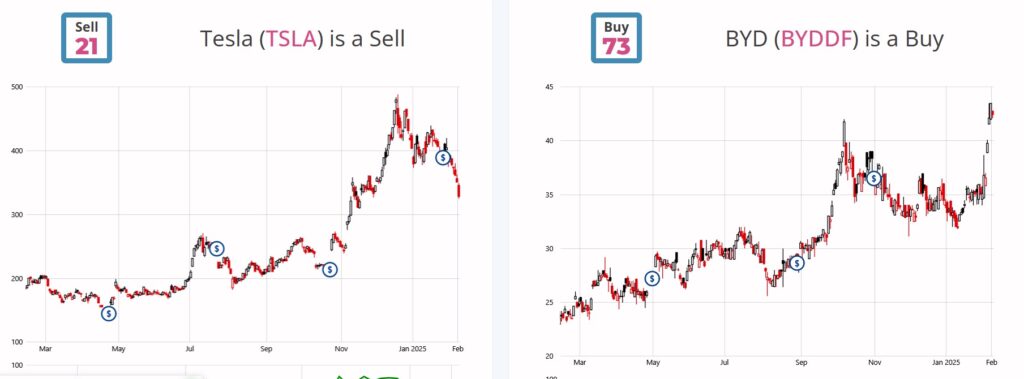
Most of Trump’s policies are based on common misconceptions and in fact contradict established economic principles. To begin with, the U.S. government often subsidizes companies to keep operations domestic. This can make our products more expensive and our businesses less efficient and competitive. A notable example is electric vehicles (EVs). The U.S. heavily subsidizes EVs, yet we claim we are not, instead asserting that China does this without evidence. Consequently, we impose a 100% tariff on Chinese EVs. As a result, the U.S. lacks competitively priced, domestically produced EVs. Our EV industry has become uncompetitive and inefficient, while China has emerged as the powerhouse of EV manufacturing worldwide. This is just one example of how U.S. misunderstandings of trade have led to our own decline while contributing to China’s rise. These policies have been both Republican and Democratic. Trump’s policies, which are even more misguided and are intended to do this to every industry, are set to accelerate our decline rapidly. World economists estimate that our economy will be devastated within 1 year and 9 months.

For more information on this example see “BYD” and NEV sales. For another devastating example of protectionism see “Deep Seek” and large language model AI.

Protectionist policies have significantly influenced the global landscape of artificial intelligence (AI) and electric vehicles (EVs), creating distinct winners and losers across various industries.

Beneficiaries:

  • China:
    • BYD: A leading Chinese EV manufacturer, BYD has capitalized on domestic support and reduced foreign competition due to protectionist measures.
    • DeepSeek: This Hangzhou-based AI startup has emerged as a formidable player, developing advanced AI models like DeepSeek-R1. Notably, DeepSeek achieved these advancements at a fraction of the typical cost and energy consumption, democratizing AI development and enabling smaller firms to compete.

Adversely Affected:

  • United States:
    • Automotive Companies: Major U.S. automakers such as Ford and General Motors face challenges from increased tariffs and restricted access to international markets, impacting their competitiveness in the EV sector.
    • Technology Firms: Leading tech companies, including Nvidia, Intel, IBM, Qualcomm, Cerebras Systems, Graphcore, Tesla, Baidu, OpenAI, SambaNova, Microsoft, and Apple, have encountered setbacks due to protectionist policies. For instance, Nvidia experienced a significant decline in market capitalization following DeepSeek’s announcement of its R1 model, highlighting the disruptive potential of emerging competitors. For an idea of how costly protectionism can be to the US, Nvidia lost $593 billion in market value the day Deep Seek was announced.

The ripple effects of protectionism extend beyond these industries, notably impacting the energy sector—encompassing electricity, natural gas, and nuclear power—due to shifts in production and consumption patterns driven by evolving trade policies.

Beyond economic implications, protectionist measures can lead to significant technological and military consequences, as nations may struggle to access critical innovations or maintain strategic advantages in key sectors.

If you are interested in a historical example, the Smoot-Hawley Tariff Act of 1930 raised tariffs on imports to the United States, which contributed to the Great Depression. In fact, Trump’s policies, combined with bypassing the law and ignoring the Constitution by not having Congress codify legislation, make it appear as though our current economic downturn is accelerating. This is why world leaders and economists are not overly concerned; most agree they will tolerate current U.S. policies creating economic instability and that the collapsing economy will occur before the midterms. After the midterms, he will likely be toothless, if not impeached.

UPDATES: BYD’s Breakthrough Charging Tech Exposes the Pitfalls of U.S. Protectionism in the EV Market

How BYD Surpassed Tesla: The Role of Innovation, Tariffs, and Free Market Dynamics

Tesla vs. BYD
Tesla vs. BYD

MORE EDUCATIONAL MATERIALS ON TRUMP TARIFFS

Déjà Vu Economics: How Trump’s Deregulation and Tariff Policies Mirror the Road to the Great Depression

Trumpenomics: How Tariffs, Policy Cuts, and Labor Shortages Are Devastating American Farmers

The Devastating Impact of Trump’s Steel and Aluminum Tariffs

World Economics 101: The United States and Global Trade Dynamics

The Lies Behind Trump’s Terror Economics

Trumpenomics: The Decline of the US

bookmark_borderEconomic Update: The Path to Disaster

The Republican Party is driving the U.S. economy off a cliff, and the consequences are unfolding in real time. The good news? Trump’s team is imploding under the weight of its own reckless and poorly planned policies. The bad news? The so-called “Make America Great Again” agenda is achieving the exact opposite—weakening the country economically, politically, and diplomatically.

One silver lining is that nearly all of Trump’s Executive Orders (EOs) are built on shaky legal ground. Since they lack congressional approval, most will collapse like a house of cards. For example, Trump’s attempt to use tariffs as a revenue source to offset the budget deficit is fundamentally flawed—tariff revenue cannot be used this way unless Congress explicitly authorizes it. Given that the Republican Party has historically opposed taxation, it’s highly unlikely that this EO will ever be codified into law.

Economic Turmoil at Home and Abroad

Both the U.S. and global economies are experiencing unprecedented instability. Stock markets are on edge, interest rates remain high, inflation is still squeezing household budgets, and consumer confidence is plummeting. Meanwhile, Trump’s erratic trade policies—particularly his obsession with tariffs—are adding further uncertainty, disrupting supply chains, and increasing costs for American businesses and consumers.

Internationally, the damage is just as severe. The U.S. has alienated its closest allies through economic bullying and diplomatic incompetence. Relations with Canada and Mexico—our largest trading partners—are deteriorating, and Trump’s isolationist rhetoric has pushed the European Union and other key allies to seek alternative economic partnerships.

And now, in a shocking escalation of global instability, the Trump administration is preparing to seize Gaza—a move so reckless it defies comprehension. This will not only deepen existing geopolitical tensions but also further isolate the U.S. on the world stage.

Climate Policy: The Greatest Threat to Humanity

Of all the Republican Party’s dangerous policies, its stance on climate change is by far the most catastrophic. The continued promotion of fossil fuels, the aggressive rollback of environmental protections, and the outright denial of climate science are accelerating planetary destruction at an unprecedented rate.

If we continue down this path, vast regions of the planet will become uninhabitable within this century. This will lead to mass displacement, food and water shortages, and geopolitical instability on a scale never before seen in human history. The consequences won’t just last for decades or even centuries—climate disruptions and ecological collapse will shape life on Earth for millions of years.

We are already witnessing the devastating effects:

  • Record-breaking temperatures are making entire regions unlivable.
  • Wildfires are more frequent and intense, destroying homes, forests, and livelihoods.
  • Ecosystems are collapsing, with mass extinctions already underway.
  • Storms and flooding are worsening, causing billions in damages and displacing populations.

Despite this overwhelming evidence, Republican leadership continues to double down on climate denial. Instead of investing in renewable energy and sustainable infrastructure, they are working to expand fossil fuel production and dismantle climate policies that were designed to prevent catastrophe.

A Legacy of Destruction

Future generations will look back at this moment in history with disbelief and anger, wondering how a political movement could have been so willfully blind to the destruction it enabled. The question isn’t whether disaster is coming—it’s how much damage will be done before enough people demand change.

How long until the masses wake up and realize that the very policies they were sold as “America First” are actually ensuring America’s downfall?