bookmark_borderU.S.-Canada Softwood Lumber Tariffs: Rising Rates and Their Impact on Housing Costs

The rise in lumber prices, exacerbated by the existing tariffs on Canadian lumber, is directly contributing to a decline in the supply of affordable housing. These tariffs increase the cost of importing essential materials, driving up construction expenses for builders. As a result, developers are less inclined to invest in affordable housing projects, which often have tighter profit margins compared to luxury or market-rate developments.

This issue creates a ripple effect throughout the housing market. Higher costs for construction materials translate into increased prices for new homes, making homeownership even more unattainable for many Americans. Additionally, the lack of affordable housing supply intensifies competition for existing lower-cost homes, further inflating prices and exacerbating housing insecurity. Addressing these tariffs and exploring ways to stabilize material costs could be key to ensuring a more robust and equitable housing market.

The U.S. currently imposes tariffs on Canadian softwood lumber under antidumping and countervailing duty rates. These tariffs are a result of long-standing disputes where the U.S. alleges that Canadian lumber is unfairly subsidized and sold below market value. As of August 2024, these tariffs were raised from 8.05% to 14.54%, following an annual review by the U.S. Department of Commerce. The increased rates apply across various Canadian softwood lumber products, exacerbating tensions in an ongoing trade dispute that has persisted for decades​.

Proponents of these tariffs argue they are necessary to protect U.S. lumber producers and workers from unfair competition, while opponents, including homebuilders, argue that they drive up housing costs and reduce the availability of affordable homes in the U.S.
Business and the Economy

bookmark_borderTrump’s Proposed Tariffs on Mexico and Canada: A Policy Analysis

Former President Donald Trump recently announced that on the first day of a potential second term, he would impose 25% tariffs on both Mexico and Canada in response to issues surrounding fentanyl and migration. However, this approach is riddled with economic, legal, and diplomatic flaws.

Violation of Existing Trade Agreements

One of the most glaring contradictions in Trump’s proposal is that the United States already has a free-trade agreement with Mexico and Canada: the United States-Mexico-Canada Agreement (USMCA). This deal, which was implemented and widely touted as a signature achievement of Trump’s first term, replaced NAFTA and strengthened trade relations between the three nations. Imposing new tariffs would directly violate the terms of the USMCA, undermining the agreement and potentially sparking retaliation or trade disputes.

Circumventing Congressional Authority

Tariffs are a matter that traditionally requires Congressional approval under U.S. law. Trump’s plan to bypass this requirement involves declaring Mexico and Canada as security threats to justify the tariffs through executive action. While this approach exploits legal loopholes, it would almost certainly face challenges in court. Congress has constitutionally enshrined authority over trade, and using national security as a pretext for tariffs risks further eroding trust in executive restraint.

The Reality on Migration and Fentanyl

Mexico’s Role in Migration and Drug Enforcement

  • The Mexican government has already taken significant steps to curb both illegal migration and drug trafficking, often under pressure from the U.S. Over the past 18 months, illegal border crossings from Mexico into the U.S. have decreased by 75% due to tighter enforcement on both sides of the border.
  • Blaming Mexico for fentanyl production also ignores that much of the demand for illegal drugs stems from the United States itself. Moreover, the precursors for fentanyl largely originate from China, complicating the narrative that Mexico is solely responsible.

Canada’s Reality

  • Imposing tariffs on Canada is even more perplexing, as there is no significant immigration issue from Canada into the U.S. On the contrary, Canada has been dealing with illegal crossings from the U.S., particularly by asylum seekers seeking refuge.
  • Additionally, deporting millions of immigrants from the U.S., as Trump has promised, is expected to increase pressure on Canada’s borders as displaced individuals seek alternative destinations. Canadian officials have already expressed concerns about a potential surge in illegal migration stemming from U.S. policies.

Economic Ramifications of Tariffs

Tariffs are essentially taxes on imports, which are often passed down to consumers. A 25% tariff on goods from Mexico and Canada would:

  • Increase prices for U.S. consumers on everyday items, including food, vehicles, and electronics.
  • Disrupt supply chains for key industries such as automobiles and agriculture, where cross-border trade plays a vital role.
  • Hurt American exporters, as both Canada and Mexico are major buyers of U.S. goods and are likely to retaliate with their own tariffs.

Diplomatic Consequences

Tariffs against two of the U.S.’s closest allies and largest trading partners would strain diplomatic relations:

  • Mexico and Canada have been strong collaborators on security and trade issues. Alienating them could weaken North American unity at a time when global economic competition, particularly with China, requires stronger regional alliances.
  • The move risks creating a climate of mistrust, where future agreements with the U.S. are viewed as unreliable or subject to arbitrary reversals.

Conclusion

Trump’s proposed tariffs on Mexico and Canada are not only impractical but also damaging on multiple fronts. They would violate existing trade agreements, harm U.S. consumers and businesses, and strain diplomatic ties with two of America’s closest allies. Additionally, his justification for the tariffs—fentanyl and migration—does not align with current realities. While addressing issues like drug trafficking and immigration is important, these tariffs would likely do more harm than good, reflecting a misinformed and counterproductive approach to economic and foreign policy.

Business and the Economy

bookmark_borderTrans-Pacific Partnership Agreement (TPP)

by Daniel Brouse

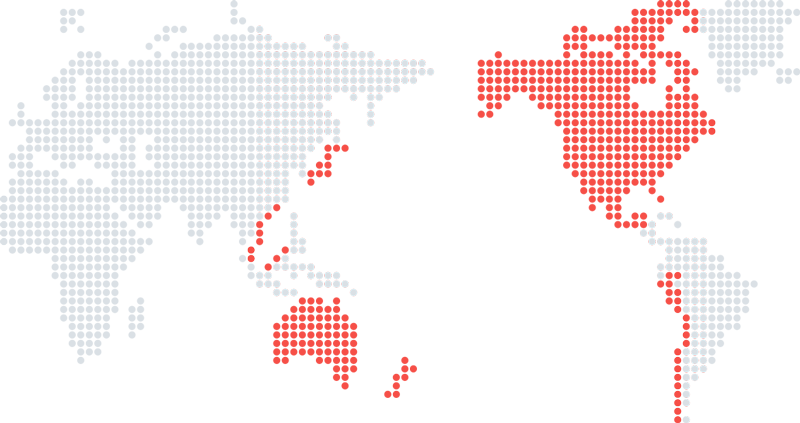
The Trans-Pacific Partnership Agreement (TPP) is a free trade agreement being negotiated by twelve countries:
Australia, Canada, Japan, Malaysia, Mexico, Peru, United States, Vietnam, Chile, Brunei, Singapore, and New Zealand. The TPP will eliminate over 18,000 taxes, tariffs and other trade barriers.

One of the largest benefits of the TPP will be protecting the environment. Participating countries will need to adopt tougher pollution standards similar to the USA. “TPP includes the most robust enforceable environment commitments of any trade agreement in history,” according the United States. “TPP requires countries to play by fair environmental rules if they want to send their goods to the United States, and upgrades NAFTA by putting fully enforceable environment obligations at the core of the agreement.” In addition, TPP helps improve conditions on the ground in TPP countries by requiring them to:
* Fulfill their obligations under the Convention on International Trade in Endangered Species of Wild Fauna and Flora (CITES) to protect and conserve iconic species, such as rhinos and elephants.
* For the first time in any trade agreement, prohibit harmful fisheries subsidies, including those that contribute to overfishing, and work to restrain new subsidy programs or enhancements to existing subsidy programs.
* Combat illegal fishing, promote sustainable fisheries management practices, and protect wetlands and important natural areas.
* Promote the long-term conservation of whales, dolphins, sharks, sea turtles, and other marine species at risk.
* Combat wildlife trafficking, illegal logging, and illegal fishing through enhanced national and regional actions.
* Protect the marine environment from ship pollution, including by implementing their obligations under MARPOL (an international agreement to prevent marine pollution).

Another benefit of the TPP will be the recognition of Intellectual Property (IP) Rights. Countries would be required to adopt standards inline with the USA. TPP copyrights are proposed to be “for the author’s life plus 70 years.”

The Agreement covers more than 40 percent of global GDP. Of the international economists questioned, the only complaint about TPP is — it doesn’t include the entire world.

Trans-Pacific Partnership Agreement (TPP) Map

Also see: GMO Rice Wins Humanitarian Award

bookmark_borderGMO Rice Wins Humanitarian Award

by Daniel Brouse

WASHINGTON, DC — Although social media is full of unsubstantiated claims about GMO’s, the truth is: there is no evidence that GMO’s are harmful. In fact, quite the contrary. For instance, there are specific breeds of tomatoes, potatoes and carrots being grown for their additional health benefits.

Such a beneficial crop, Golden Rice, has just won a humanitarian award. Not only is Golden Rice more nutritious, it is also less harmful to the environment. There are numerous health benefits including β-Carotene providing vitamin A to children. The environment would also see a positive impact in many parts of the world from Golden Rice. Because the rice is more nutritious, less of it needs to be consumed. In addition, a healthy population is much less taxing on the natural resources.

The United States Patent and Trademark Office stated, “Despite current interventions, vitamin A deficiency is the leading killer of children globally (2-3 million annually) and also the leading cause of childhood blindness (500,000 cases annually). Most cases arise in Asia where the staple food eaten by 3.5 billion people daily, white rice, lacks vitamin A sources typically found in meat and leafy vegetables. These deaths and blindness are preventable.

Golden Rice was genetically enhanced to provide a source of vitamin A for people subsisting mainly on rice. Professors Potrykus and Beyer invented the technology after a decade of research, and have worked with Dr. Dubock since 2000 to donate it to the resource poor in developing countries. Patenting the technology allowed the inventors to partner with Syngenta on commercial projects in return for support of their humanitarian objectives to make Golden Rice available free of charge to those in need. Local Golden Rice varieties are currently being developed by public sector institutions in Bangladesh, China, India, Indonesia, Philippines, and Vietnam, with a target cost no more than white rice.”

In a statement, Golden Rice said, “The White House Office of Science and Technology Policy and the U.S. Patent and Trademark Office (USPTO) have announced the winners of the 2015 recipients of the Patents for Humanity Award, among them the Golden Rice Project.

Patents for Humanity is a USPTO program that recognizes patent owners and licensees working to improve global health and living standards for underserved populations. The program advances the President’s global development agenda by recognizing private sector leaders who bring life-saving technologies to those in need, while showing how patents are an integral part of tackling the world’s challenges.

The award has been bestowed upon the Golden Rice Project, in particular to Prof Ingo Potrykus, Prof Peter Beyer, and Dr Adrian Dubock. Dr Dubock will attend the official award ceremony on 20 April 2015, accompanied by the Golden Rice Humanitarian.”

Unfortunately, many of the countries most in need of Golden Rice have laws against importing rice; however, the Pacific Trade Partnership could help save millions of kids… annually.