bookmark_borderThe Hidden Costs of Gasoline: Why Misguided Fuel Policy and Climate Denial Are Driving Prices—and Inflation—Higher

by Daniel Brouse
August 3, 2025

Gasoline prices continue to climb across the U.S., and many are quick to blame geopolitical tensions or oil company profits. But two less visible factors are placing sustained upward pressure on prices—while simultaneously exposing the broader economic and environmental costs of our current energy system.

1. Refinery Constraints: A Supply Chain Bottleneck
Although crude oil prices have remained relatively stable in 2025, the same cannot be said for refined products like gasoline. This disconnect is largely due to strained refinery capacity. Many refineries shut down during the pandemic and have yet to come back online or operate at full capacity. Others have been converted to produce renewable diesel or biofuels. As a result, even if crude oil supply is sufficient, the limited ability to convert it into usable fuels is creating a bottleneck—leading to higher pump prices despite flat upstream costs.

2. Seasonal Fuel Mandates: Summer Blends, Higher Costs
In regions like southeastern Pennsylvania, summer brings with it not just heat waves, but also a switch in fuel formulation. Regulations require gasoline sold during warmer months to include additional ethanol and other additives designed to reduce volatile organic compounds (VOCs) and ground-level ozone, a major component of smog. This “summer blend” gasoline is more expensive to produce and distribute, especially in localized areas like the Philadelphia metro region where specific environmental standards apply. The result is a seasonal price spike that disproportionately affects consumers in regulated counties.

3. The Ethanol Myth: Dirty Biofuels in a Green Disguise
While these regulations are well-intentioned, they reflect a deeper misunderstanding of what constitutes environmentally responsible fuel. Ethanol and other biofuel additives are often marketed as “green” alternatives to fossil fuels. However, peer-reviewed studies show that their net effect on climate and air quality may be just as harmful—or worse.

From a carbon perspective, ethanol is still a carbon-based fuel. Its production involves intensive agriculture, which consumes fossil fuels and releases nitrous oxide, a potent greenhouse gas. Additionally, ethanol-blended fuels increase emissions of nitrogen oxides (NOx), which contribute to ozone formation—making urban air quality worse in the very places these regulations aim to improve.

The Dangers of Tropospheric Ozone: A Silent Threat to Health and the Environment

4. The Policy Failure: Cheap Gasoline, Expensive Consequences
If the goal is to reduce pollution and greenhouse gas emissions, we need to confront a hard economic truth: gasoline is still far too cheap. A carbon tax—perhaps as high as 100% per gallon—would better reflect the hidden costs of fossil fuel consumption. These include not just climate-related destruction, but also the growing collapse of the insurance industry due to floods, fires, and hurricanes, along with public health costs from heatwaves, air pollution, and climate-induced disease.

Climate change is no longer a theoretical risk—it’s an economic crisis already driving inflation. Rising utility bills, food prices, and insurance premiums are direct consequences of extreme weather events intensified by fossil fuel use. Without strong economic incentives to transition away from gasoline, these costs will continue to spiral.

Conclusion: Stop Subsidizing the Collapse
Gasoline prices aren’t just about supply and demand. They’re about policy—misguided regulation that treats ethanol as a savior, and political cowardice that refuses to price carbon accurately. As long as we subsidize destruction through artificially low fuel prices, we’ll continue to pay far more in climate damages, economic disruption, and human suffering. A rational fuel policy must account for the true cost of carbon—both at the pump and beyond.

Solutions to the Fossil Fuel Economy and the Myths Accelerating Climate and Economic Collapse offers a direct path forward.

Some Costs of Carbon Combustion

Here are several major economic and societal costs of climate change, each backed by peer-reviewed studies or real-world data, illustrating how climate change is already causing trillions in losses globally and hundreds of billions in the U.S. alone:

1. Lost Productivity Due to Extreme Heat – $100+ Billion Annually (U.S.)

  • Source: Lancet, NOAA, U.S. Government Accountability Office (GAO)

  • Impact: Outdoor and manual labor sectors (construction, agriculture, logistics) are suffering reduced hours due to unsafe temperatures. Worker fatigue and health risks also lower output even during allowable working hours.

  • Detail: In 2023, extreme heat cost the U.S. economy more than $100 billion in lost productivity and health impacts.

 2. Flash Floods and Infrastructure Damage

  • Source: FEMA, Congressional Budget Office (CBO)

  • Impact: Flash flooding destroys roads, bridges, homes, and utilities. Emergency response costs, rebuilding, and business interruption increase both local and national expenditures.

  • Detail: In just the first half of 2024, flash floods caused over $50 billion in damage in the U.S., not including uninsured losses.

3. Wildfires – Direct and Indirect Costs

  • Source: National Interagency Fire Center, Climate Central

  • Impact: Beyond destroying homes and forests, wildfires generate health costs from smoke inhalation, evacuations, lost tourism, and power grid damage.

  • Detail: California wildfires alone have cost $20–30 billion per year in recent years, not accounting for lost carbon sink capacity and long-term health effects.

4. Air Conditioning Feedback Loops

  • Source: IEA, IPCC

  • Impact: Rising temperatures drive massive increases in energy use for cooling, which in turn accelerates emissions if powered by fossil fuels. This creates a self-reinforcing loop.

  • Detail: Cooling-related electricity demand could triple by 2050, requiring the equivalent output of thousands of new power plants and billions in grid upgrades.

5. Supply Chain Disruptions

  • Source: World Bank, McKinsey, IMF

  • Impact: Droughts lower river shipping levels (e.g., Mississippi, Rhine), storms close ports, and extreme weather disrupts trucking and rail logistics.

  • Detail: In 2022–24, drought in the Panama Canal and low Mississippi River levels disrupted hundreds of billions in U.S. agricultural and industrial trade.

6. Housing Market Instability and Insurance Collapse

  • Source: Insurance Information Institute, Moody’s

  • Impact: Increasingly uninsurable regions (e.g., coastal Florida, wildfire-prone California) are leading insurers to pull out, leaving homeowners without coverage and depressing property values.

  • Detail: Insurance withdrawal from high-risk zones has created tens of billions in uninsured exposure and is destabilizing local economies.

7. Public Health and Disease Expansion

  • Source: CDC, WHO

  • Impact: Climate change expands the range of vector-borne diseases like Lyme, West Nile, and dengue. It also increases ER visits for heatstroke, asthma, and cardiac events.

  • Detail: Public health costs attributed to climate-driven illness are projected to rise to $100–200 billion annually in the U.S. by the 2030s.

8. Agricultural Disruption and Food Inflation

  • Source: USDA, UN FAO, IPCC

  • Impact: Heatwaves, droughts, and floods reduce yields and disrupt planting/harvesting cycles. Crop failures trigger food price spikes and food insecurity.

  • Detail: In 2022–2024, climate-related crop losses pushed food inflation above 10% in many countries, increasing hunger and economic instability.

9. Intensifying Storms and Hurricane Damages

  • Source: NOAA, Munich Re

  • Impact: More intense hurricanes with higher rainfall and storm surge cause massive coastal and inland flooding.

  • Detail: Hurricane-related costs in the U.S. now average $54 billion per year, with some storms exceeding $100 billion in damages.

10. Climate-Driven Migration and Social Disruption

  • Source: UNHCR, Brookings Institution

  • Impact: Flooding, drought, and resource scarcity are driving mass displacement, increasing pressure on public services, and leading to conflict.

  • Detail: Over 20 million people per year are already displaced by climate impacts—expected to rise sharply in the coming decades.

These figures demonstrate that the cost of inaction on climate change far exceeds the cost of mitigation. Investing in renewable energy, resilient infrastructure, and emissions reductions isn’t just environmentally responsible—it’s economically essential.

Additional Resources:

The Human Induced Climate Change Experiment

bookmark_borderClimate Change as an Interdisciplinary Crisis: Physics, Mathematics, Economics, and Earth Sciences

BuyLow.com and SellHigh.com are companion platforms dedicated to exploring climate change as an interdisciplinary crisis—spanning physics, mathematics, economics, and earth sciences—while aiming to explain the most complex science in the simplest, most practical terms.

By the early 2000s, my lab partner (a physicist from Ohio State) and I developed a theory of nonlinear acceleration in climate change that was soon confirmed. What once took a century to unfold can now occur in as little as two years—meaning the damage could multiply 64-fold within a single decade. And the acceleration shows no signs of slowing.

Earth’s climate is a chaotic system. Small disruptions in temperature, humidity, or pressure can trigger large-scale, global consequences—a dynamic captured by chaos theory’s “Butterfly Effect.” General Circulation Models (GCMs) attempt to simulate this complexity but must constantly evolve to keep pace with rising risks and mounting uncertainties.

This unprecedented acceleration demands equally urgent and adaptive responses. Fortunately, the same interdisciplinary lens that helps us understand the crisis also provides the tools to address it. From rethinking economic incentives and investment strategies to embracing innovations in renewable energy, urban planning, and climate-resilient infrastructure, practical solutions exist—but they require systemic change. At BuyLow.com and SellHigh.com, we focus on actionable insights that protect both planetary health and personal wealth, empowering individuals, communities, and policymakers to make informed decisions in the face of escalating climate risks. These sites offer insights into protecting both your health and your wealth in the face of these accelerating challenges.

The Human Induced Climate Change Experiment

bookmark_borderPersistent COVID-19, the Aging Brain, and Gut Microbiome

By Daniel Brouse
July 29, 2025

While researchers continue to unravel the long-term effects of COVID-19, a growing body of evidence suggests the virus — and even the global pandemic experience itself — may be accelerating brain aging.

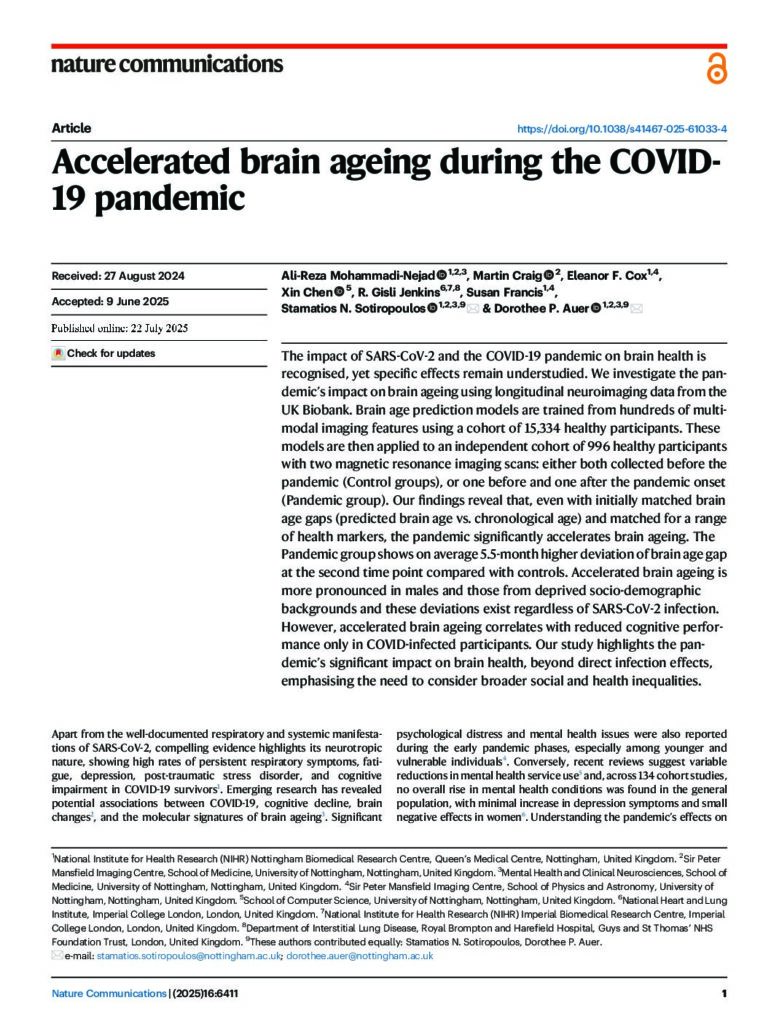
One particularly striking study, published in Nature Communications and titled “Accelerated Brain Ageing During the COVID-19 Pandemic”, reveals that the pandemic may have aged our brains by nearly six months — even in individuals who never tested positive for the virus.

Gut-Brain Connection: A Lasting Impact?

Though the precise biological mechanism remains unclear, other studies have found that SARS-CoV-2 can linger in the gut long after acute infection, triggering disruptions to the microbiome — the community of microbes in our digestive system. These microbiome shifts are now being linked to neurological symptoms, cognitive decline, and even mood disorders. The emerging science points to a possible gut-brain axis disruption that may help explain persistent symptoms like brain fog and memory issues reported in long-COVID cases.

The Study: Brain Aging and Cognitive Decline

The UK Biobank study analyzed longitudinal neuroimaging data from 15,334 healthy individuals to train brain age prediction models. These models were then applied to a smaller group of 996 participants who had undergone two MRI scans — one before the pandemic and one after.

Participants were divided into two groups:

  • Control Group: Two MRIs conducted before the pandemic.

  • Pandemic Group: One MRI before and one after the pandemic began.

Despite being matched for age, sex, and general health, the results were sobering:

On average, individuals scanned after the pandemic onset showed a 5.5-month increase in brain age compared to controls.

Even more concerning, this effect was observed regardless of whether a participant had contracted COVID-19. However, among those who had been infected, the brain aging also correlated with measurable declines in cognitive performance.

Who Is Most at Risk?

The study also found that men and individuals from lower socio-economic backgrounds were more likely to exhibit greater signs of accelerated brain aging. This underscores the pandemic’s disproportionate toll on vulnerable populations and points to the long-term consequences of social inequality on health — even at the neurological level.

Why This Matters

These findings raise urgent questions about how pandemics — and public health crises in general — affect our brains and long-term cognitive health. With growing evidence that COVID-19 can persist in the body, especially the gut, and cause systemic effects, researchers are calling for greater awareness, ongoing monitoring, and expanded health support — not just for those with long COVID, but for the broader public as well.

“Our study highlights the pandemic’s significant impact on brain health, beyond direct infection effects,” the authors write, “emphasizing the need to consider broader social and health inequalities.”

Final Thought

Whether through viral persistence, social stressors, or a complex interplay of both, the pandemic has left a measurable mark on our brains. As we move forward, protecting brain health will require not just treatment of acute infections, but also long-term strategies for cognitive support, mental health care, and addressing systemic disparities.

Destruction of Good Gut Bacteria Resulting in a Compromised Immune System

COVID-19 and Long-COVID

Accelerated Brain Ageing During the COVID-19 Pandemic

bookmark_borderGut Reactions: How Microbial Triggers, COVID-19, and Climate Feedback Loops Drive Chronic Illness

by Daniel Brouse
July 29, 2025

Multiple Sclerosis (MS) is a devastating autoimmune disorder in which the immune system mistakenly targets the protective myelin sheath that insulates nerve fibers, impairing communication between the brain and body. With a history of MS in my family, I’ve long explored whether its roots are hereditary, environmental, or microbial. Recent research reveals that the gut microbiome may hold the key—not only to MS, but to a broader understanding of chronic illness, infectious disease, and even climate-driven health threats.

The Microbiome and MS: A Gut-Level Discovery

A groundbreaking study by researchers at Ludwig Maximilian University of Munich (LMU) has made visible what many have long suspected: auto-aggressive T cells—central agents in MS—are activated in a specific region of the gut. Critically, this activation is microbiome-dependent.

Read the LMU study

A rare twin study involving 81 genetically identical pairs—where only one sibling developed MS—identified Eisenbergiella tayi and Lachnoclostridium as microbial suspects. These species reside in the small intestine and belong to the Lachnospiraceae family, normally thought to aid digestion. But under low-fiber diets, these bacteria switch to digesting the gut’s protective mucus layer—weakening the intestinal barrier and triggering immune surveillance systems.

This shift primes the immune system to attack, a process potentially intensified by E. tayi’s metabolic byproducts: ethanol and succinate, known stimulants of Th17 immune cells. Th17 overactivation is a known mechanism in MS, where misdirected immune responses degrade neural insulation.

The COVID-19 Connection: Microbes, Inflammation, and Immune Misfires

This microbial mechanism isn’t unique to MS. It echoes findings from studies on COVID-19, where disruptions in gut flora are tied directly to disease severity. In the study “Gut microbiota composition reflects disease severity and dysfunctional immune responses in patients with COVID-19,” researchers found:

  • COVID-19 patients exhibited dramatically altered gut microbiomes compared to non-COVID individuals.

  • These disruptions correlated with disease severity, higher inflammatory cytokines, and markers such as C-reactive protein and liver enzymes.

  • Even after the acute phase, dysbiosis persisted—possibly contributing to long-COVID symptoms.

Though SARS-CoV-2 infects the respiratory system, the gut’s immune role appears central to disease trajectory. Associations between microbial composition and immune signaling point to the gut as a regulator of inflammation—whether in neurodegeneration or viral response.

Nonlinear Feedback Loops and Climate Health Risk

What links MS, COVID-19, and climate change? The answer lies in systemic feedback loops—interconnected cycles that amplify disruption once they begin.

As rising global temperatures destabilize natural systems, they trigger multiple health-related feedback loops. These loops are not isolated or linear; instead, they feed into one another, accelerating deterioration of immune function, environmental integrity, and human health. The breakdown of one system—for example, air quality—exacerbates others, such as susceptibility to infection or chronic illness.

Case Study: COVID-19 and Air Pollution—A Deadly Spiral

The relationship between air pollution and COVID-19 is a textbook example of a compounding health feedback loop:

  1. Long-term exposure to polluted air weakens immune systems and causes chronic respiratory and cardiovascular disease.

  2. Infection with COVID-19 hits this vulnerable population harder, increasing hospitalizations and death rates.

  3. Survivors often face long-COVID complications, further compromised by ongoing pollution exposure.

  4. This cycle continues, draining resilience and pushing individuals toward chronic illness or early death.

This isn’t hypothetical. It’s observable now, and it’s worsening.

From Individuals to Systems: The Tipping Point in Public Health

These feedback loops don’t stop at the individual. They strain health systems, drain economic productivity, and destabilize entire populations. Hospitals flooded with heatstroke patients or long-COVID sufferers are not just medical crises—they are system-level tipping points. Workforce depletion, skyrocketing healthcare costs, and shortened life expectancy are cascading consequences.

And there are generational echoes. Chronic stress and inflammation—driven by microbial imbalance and environmental toxins—can trigger epigenetic changes that increase disease susceptibility in offspring. This sets in motion a transgenerational health spiral that compounds the crisis.

Conclusion: A Web of Converging Crises Demands Immediate Action

The climate crisis is a public health emergency. Its intersections with microbial dysbiosis, pollution, and immune dysfunction form a web of reinforcing threats that erode life expectancy and societal resilience.

To break these cycles, we must:

  • Reduce greenhouse gas emissions to mitigate extreme heat and its biological stressors.

  • Regulate air and water pollutants that impair immune function and gut health.

  • Support microbiome research and gut-health interventions that could prevent or treat autoimmune and infectious diseases.

  • Build resilient, climate-adaptive healthcare systems capable of withstanding compounding pressures.

Understanding the gut as a frontline in the battle for human health gives us a new lens—one that reveals not only the root causes of illness, but the urgent need for holistic, systems-level interventions. The time to act is now.

Climate-Driven Health Collapse: The Compounding Feedback Loops of Disease, Pollution, and Extreme Weather Brouse (2025)

The Human Induced Climate Change Experiment

bookmark_borderInvisible Crisis: How Air Pollution Is Quietly Shortening American Lives

by Daniel Brouse
July 29 , 2025

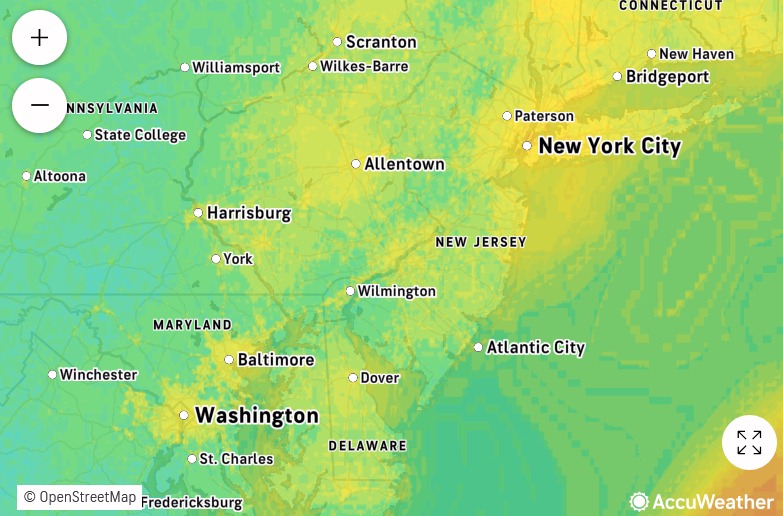
Today’s air quality map tells a story most people still fail to fully grasp: air pollution is not just a big-city problem. While it’s true that Philadelphia’s air quality is once again rated “unhealthy” today, the issue is far more widespread. Regions across Pennsylvania and surrounding states are also suffering—State College, Harrisburg, and even the Jersey Shore are experiencing poor air quality. Morgantown, West Virginia, consistently ranks among the worst in the nation, highlighting how rural and small-town America are not exempt from the invisible threat.

Air pollution is now the leading environmental cause of death in the United States. Fine particulate matter (PM2.5), ozone, nitrogen dioxide, and other airborne toxins contribute to heart disease, stroke, lung cancer, asthma, diabetes, and neurodegenerative disorders. These pollutants infiltrate the lungs, enter the bloodstream, and trigger systemic damage.

But what often gets overlooked is how air pollution initiates a health feedback loop. Exposure to chronic air pollution weakens the immune system, making the body more susceptible to both infectious and non-infectious diseases. It also causes epigenetic changes—altering how genes are expressed without changing the DNA itself—which can lead to lifelong health effects and be passed on to future generations. These changes reduce not just life expectancy, but the quality of life across one’s lifespan.

Worse still, this health feedback loop doesn’t exist in isolation—it interacts with climate-related feedback loops. For instance, warmer temperatures increase the formation of ground-level ozone and worsen wildfires, which dump more particulate pollution into the atmosphere. Simultaneously, climate-driven disruptions in agriculture and ecosystems compound the toll on human health through food insecurity and new disease vectors. The result is an accelerating cycle of harm that is exponentially shortening human lives.

What’s happening today on the air quality map is not a one-off event—it’s part of a long-term systemic crisis. The air we breathe is silently but powerfully eroding public health, disproportionately impacting children, the elderly, and frontline communities. Unless serious interventions are made at every level—from fossil fuel phase-outs to public health reforms—we are headed toward a future where the simple act of breathing becomes a daily health risk for millions.

Conclusion
Health feedback loops, violent rain, and deadly humid heat are fueling an exponential rise in climate-related deaths. This lethal triad — disease, extreme heat, and intense rainfall — demonstrates that climate change is not a distant threat but a rapidly accelerating public health emergency. These stressors interact and amplify one another, creating a cascade of compounding impacts that demand urgent intervention.

All 50 U.S. states — including Alaska — are already experiencing deadly humid heat advisories. Large regions of the country are becoming uninhabitable for weeks or even months each year due to extreme heat. Wet-bulb temperatures are approaching 31°C (87.8°F) in multiple states — a physiological threshold beyond which sustained outdoor survival is impossible, even with water and shade. Meanwhile, violent rain events are killing hundreds and causing billions in annual damage. Climate-driven health feedback loops have become the leading cause of mortality in the United States — fueled by systemic interactions between temperature extremes, air quality degradation, disease vectors, and infrastructure collapse. Addressing climate change is no longer just an environmental imperative — it is a public health necessity.

Our climate model — which incorporates complex socio-economic and ecological feedback loops within a dynamic, nonlinear system — projects that global temperatures could rise by up to 9°C (16.2°F) within this century. This far exceeds earlier estimates of a 4°C rise over the next thousand years, highlighting a dramatic acceleration in global warming. We are now entering a phase of compound, cascading collapse, where climate, ecological, and societal systems destabilize through interlinked, self-reinforcing feedback loops.

We examine how human activities — such as deforestation, fossil fuel combustion, mass consumption, industrial agriculture, and land development — interact with ecological processes like thermal energy redistribution, carbon cycling, hydrological flow, biodiversity loss, and the spread of disease vectors. These interactions do not follow linear cause-and-effect patterns. Instead, they form complex, self-reinforcing feedback loops that can trigger rapid, system-wide transformations — often abruptly and without warning. Grasping these dynamics is crucial for accurately assessing global risks and developing effective strategies for long-term survival.


The Human Induced Climate Change Experiment

bookmark_borderTurkey Breaks All-Time Heat Record with Scorching 50.5°C (122.9°F)

by Daniel Brouse
July 27, 2025

Turkey’s Environment Ministry confirmed that the country has recorded its highest temperature ever as meteorologists measured a blistering 50.5°C (122.9°F) in the southeastern district of Silopi on Friday. This extreme reading not only sets a new national heat record, but also underscores the region’s growing vulnerability to climate-driven extreme weather events.

This milestone reflects a broader trend of escalating heatwaves across the Middle East, North Africa, and southern Europe—regions already under pressure from prolonged droughts, declining water reserves, and agricultural stress. Scientists warn that such extreme temperatures will become more frequent and more severe as climate change accelerates, especially in areas already prone to arid conditions.

The Turkish government has issued heat advisories and urged citizens to remain indoors during peak hours, stay hydrated, and avoid strenuous activity. Public health officials are also monitoring for heat-related illnesses, particularly among the elderly and those with preexisting health conditions.

This record-setting temperature is yet another stark reminder of the urgent need for global climate action, regional heat adaptation strategies, and strengthened infrastructure to protect vulnerable populations.

URGENT CLIMATE WARNING
Our most recent climate model — now updated to include socio-economic and ecological feedback loops within a dynamic, nonlinear framework — projects up to 9°C global warming by 2100. This far exceeds prior estimates and indicates we are entering a phase of compound, cascading collapse.

At this level of heating, many regions will become uninhabitable due to heat stress, sea-level rise, food system failure, and forced migration. Wet-bulb temperatures in the U.S. are already nearing 31°C (87.8°F) — a physiological limit beyond which human life cannot be sustained outdoors for long, even with water and shade.

This is not hypothetical. The climate system is tipping now.

Immediate mitigation and adaptation are essential to preserve habitable zones and public health—and to avoid collapse on both ecological and economic fronts.

Tipping points and feedback loops drive the acceleration of climate change. When one tipping point is toppled and triggers others, the cascading collapse is known as the Domino Effect.

The Climate Crisis: Violent Rain | Deadly Humid Heat | Health Collapse | Extreme Weather Events | Insurance | Trees and Deforestation | Rising Sea Level | Food and Water | Updates

The Human Induced Climate Change Experiment

bookmark_borderAir Quality Reaches Code Red in Philadelphia and Jersey Shore: Wildfire Smoke Sparks Health Alerts

by Daniel Brouse
July 27, 2025

Air quality levels reached Code Red across parts of Philadelphia and the Jersey Shore last evening and today, prompting urgent health warnings for residents. The alert, triggered by unhealthy concentrations of fine particulate matter (PM2.5), was in effect from the southern tip of Long Beach Island to Sea Isle City, extending inland as far as Egg Harbor.

A Code Red Air Quality Alert means the air is considered “unhealthy for all individuals,” not just those with pre-existing conditions. Public health officials strongly advised everyone—especially children, the elderly, and those with asthma, heart, or lung conditions—to limit time outdoors, avoid strenuous activity, and stay inside with filtered air whenever possible.

“These pollutant particulates can penetrate deep into the lungs,” warned local air quality experts. “Even short-term exposure can cause inflammation, trigger asthma attacks, or worsen cardiovascular symptoms.”

Wildfire Smoke From Canada the Primary Cause
The spike in pollution was caused by smoke drifting south from ongoing wildfires in Canada. This marks another chapter in a growing trend of long-distance smoke events, as climate-fueled wildfires in the northern latitudes increasingly affect air quality thousands of miles away.
Temporary Relief from Incoming Rain

Conditions improved after midnight in a few areas, thanks to an incoming band of rain, which helped wash particulates out of the atmosphere. However, the reprieve was short-lived. Code Red conditions continued Sunday. With the Canadian wildfires still actively burning, experts warn that similar air quality alerts may return in the coming days depending on wind patterns and fire behavior.

A Growing Public Health Concern
Episodes like this are becoming more frequent and severe, highlighting how climate change and transboundary pollution are converging to impact public health. As wildfire seasons lengthen and intensify globally, the U.S. Northeast and Mid-Atlantic regions may continue to see deteriorating air quality even without local fires.

Public health officials encourage residents to check the AirNow.gov or local environmental agency websites for real-time air quality updates, and to consider investing in HEPA air purifiers or using MERV-13 filters in home HVAC systems to reduce indoor exposure.

Wildfires and Climate Change
Wildfires are becoming more intense, more frequent, and more destructive in climate-sensitive regions such as Canada, the U.S. West, Southern Europe, and Australia.

In fact, unprecedented events are now unfolding. In Canada, vast swaths of boreal forest and peatland are burning year-round. Once considered permanently frozen, Canadian peat permafrost has begun to smolder even beneath the snow, releasing immense quantities of carbon dioxide and methane. These fires, known as “zombie fires,” persist underground through the winter and reignite during spring and summer. This phenomenon marks a terrifying shift in the fire-climate feedback loop.

Wildfire behavior is now directly tied to a compounding set of climate-driven feedbacks. One such loop is: Drought → Fire → Dieback. During extended drought and extreme heat, trees close their stomata to conserve water, which reduces their CO₂ uptake and weakens their resilience. At the same time, warmer, drier conditions make forests more flammable. This leads to more frequent and intense fires, which kill trees and release the carbon they had stored. The Amazon rainforest, once the planet’s largest carbon sink, is now emitting more carbon than it absorbs.

Another underappreciated factor is ozone pollution, which results from fossil fuel combustion. Ground-level ozone damages plant tissues and further inhibits their ability to absorb CO₂, compounding forest dieback and undermining global carbon sinks.

Additionally, wildfires generate “brown carbon”—a class of light-absorbing organic particles. These airborne particulates can travel thousands of miles and settle on snow and ice in Greenland, Antarctica, and mountain glaciers. By darkening the surface, brown carbon reduces the reflectivity (albedo) of ice, accelerating melting. This leads to greater freshwater runoff, destabilizing ocean circulation patterns such as the Atlantic Meridional Overturning Circulation (AMOC), and further warming the poles.

This creates a cascading carbon feedback loop: drought and heat increase wildfires; wildfires kill forests and release stored carbon; ozone and pollution further weaken vegetation; and brown carbon accelerates ice melt. All of these processes contribute more greenhouse gases to the atmosphere, amplifying climate change and locking in even more fire, drought, and environmental collapse.

Drought → Fire → Dieback → Carbon Feedback

Drought stresses trees, increasing flammability and reducing CO2 uptake. Fires release stored carbon, turning the Amazon from a carbon sink into a carbon source. Brown carbon from wildfires darkens snow and ice globally, accelerating melt and AMOC slowdown, feeding back into the system.

Ignite a Domino Effect: Albedo, Brown Carbon, Permafrost  Brouse and Mukherjee (2025)

Canadian Wildfires: Over the Tipping Point Brouse (2024)

Wildfires, Climate Change and Extreme Weather Events Brouse and Mukherjee (2024)

The Human Induced Climate Change Experiment

bookmark_borderClimate-Driven Health Collapse: The Compounding Feedback Loops of Disease, Pollution, and Extreme Weather

by Daniel Brouse — July 26, 2025

Climate change is not just an environmental issue — it is a cascading health crisis. As rising global temperatures disrupt natural systems, they initiate multiple interconnected health feedback loops that reinforce and amplify one another. These loops do not operate in isolation, nor do they follow a predictable or linear trajectory. Instead, the breakdown of one subsystem accelerates the collapse of others, resulting in nonlinear, compounding effects that degrade both the quality and quantity of human life.

Health Feedback Loops: Not Just Additive — Exponential

There are at least three major categories of climate-related health stressors that interact and reinforce each other:

1. Infectious Disease Pathogens

  • Zoonotic diseases such as COVID-19, Ebola, and avian influenza are spreading more rapidly due to deforestation, warming temperatures, and habitat loss — conditions that increase human-animal contact and vector range.

  • Climate-sensitive vectors (like mosquitoes) expand into new regions, introducing dengue, malaria, and Zika to previously unaffected populations.

2. Environmental Pathogens & Pollution

  • Ground-level ozone, particulate matter (PM2.5), and wildfire smoke directly damage lungs and weaken immune response.

  • Air pollution is responsible for millions of premature deaths annually and is a major co-factor in cardiovascular disease, chronic obstructive pulmonary disease (COPD), asthma, and cancer.

  • Pollution exposure also increases the risk of infection, as seen with COVID-19 morbidity patterns.

3. Climate Extremes & Cellular Breakdown

  • Prolonged exposure to extreme heat accelerates biological aging, damaging tissues and shortening telomeres at a cellular level.

  • These changes increase the likelihood of chronic diseases such as cancer, dementia, and diabetes — all of which are also made worse by pollution and infection.

  • Heat stress also undermines mental health and increases rates of depression, anxiety, and even suicide.

Epigenetic Changes: The Molecular Convergence of Climate Stressors

A critical link between these health risks is the role of epigenetic changes — chemical modifications that influence how genes are expressed without altering the DNA sequence itself. These changes act like a dimmer switch or on/off toggle for genes, activating or silencing certain genetic pathways.

  • Extreme heat, ozone exposure, and COVID-19 infection are all known to trigger epigenetic modifications.

  • These shifts can activate high-risk genes linked to cancer, diabetes, cardiovascular conditions, and neurological disorders.

  • When multiple stressors are present, these epigenetic changes do not just add up — they compound, increasing long-term vulnerability across multiple organ systems.

This molecular-level disruption represents a shared mechanism across climate-related health threats, amplifying the feedback loops that push individuals toward chronic illness and premature death. It also raises concerns about transgenerational impacts, where stress-induced epigenetic changes in one generation may increase disease risk in the next.

Case Study: COVID-19 and Air Pollution — A Deadly Feedback Loop

Consider how air pollution and COVID-19 create a self-reinforcing health spiral:

  1. Long-term air pollution exposure causes underlying conditions (respiratory disease, cardiovascular disease, immune suppression).

  2. Infection with COVID-19 worsens these existing conditions, leading to more severe illness and higher mortality risk.

  3. Post-infection, continued pollution exposure leads to long COVID complications and recurring hospitalizations.

  4. The repeated cycle exhausts the body’s defenses — a negative feedback loop that continues until systemic collapse or death.

This is not a hypothetical. It is happening now.

Health System Overload and the Tipping Point

When these health stressors converge, they don’t just affect individuals — they strain public health systems, increase medical costs, and undermine economic productivity. The reinforcing nature of these loops means we are hurtling toward tipping points in healthcare infrastructure, workforce resilience, and population longevity.

Conclusion: Converging Crises, Urgent Response

The climate crisis is also a health crisis. The compounding effects of infectious disease, environmental pollution, and extreme heat form a web of destabilization that shortens lives and overwhelms systems. Without rapid action to reduce greenhouse gas emissions, regulate pollutants, and build climate-resilient healthcare systems, these feedback loops will escalate beyond control.

References:

Tipping points and feedback loops drive the acceleration of climate change. When one tipping point is toppled and triggers others, the cascading collapse is known as the Domino Effect.

The Human Induced Climate Change Experiment

bookmark_borderHow Extreme Heat Accelerates Aging and Cuts Life Expectancy

by Daniel Brouse
July 25, 2025

Extreme heat doesn’t just make you uncomfortable—it makes you age faster. Prolonged exposure to high temperatures accelerates biological aging by damaging cells and tissues, undermining human health at the molecular level.

“An accelerated biological age is the ‘canary in the coal mine’ for future risk of earlier onset of diseases such as cancer, dementia, and diabetes, and early death,” explained Jennifer Ailshire, professor of gerontology and sociology at the University of Southern California Leonard Davis School of Gerontology.

Climate Change and Heat Waves Are Reducing Lifespans

As climate change drives increasingly severe and longer-lasting heat waves, life expectancy is likely to decrease. This is not a distant projection but a direct, ongoing reality. Extreme heat disrupts sleep, increases dehydration, and places chronic stress on the cardiovascular and respiratory systems, worsening preexisting conditions and triggering new ones.

This is just one example of how climate change is reducing both the quantity and quality of human life. The impacts of extreme heat are not evenly distributed: older adults, children, outdoor workers, and low-income communities face disproportionate risks due to limited access to cooling, healthcare, and adaptive infrastructure.

The Cellular Impact of Heat on Aging

Our DNA provides the blueprint for how our bodies function, and while the sequence of our DNA is set at birth, the expression of these genes—how that blueprint is carried out—can change in response to environmental factors.

Extreme heat can trigger epigenetic changes, chemical modifications that turn genes on or off like a light switch. These changes can activate high-risk genes associated with cancer, diabetes, cardiovascular disease, and neurological disorders, increasing susceptibility to these conditions later in life.

The recent USC study found that older adults exposed to extreme heat showed markers of accelerated biological aging. This cellular aging is a predictor of early disease onset and mortality, highlighting the hidden toll of rising temperatures.

A Vicious Feedback Loop

As temperatures rise, reliance on air conditioning increases, leading to higher energy demand, which—if powered by fossil fuels—further accelerates climate change and increases heat exposure. This creates a vicious cycle of heat, emissions, and health decline.

At the same time, heat waves often coincide with higher levels of ground-level ozone and particulate pollution, compounding cellular damage and inflammation, and worsening cardiovascular and respiratory health.

The Path Forward

Mitigating climate change is a public health imperative. Policies that rapidly transition energy systems away from fossil fuels, expand urban green spaces, and improve building designs to keep people cool without excessive energy use are critical.

At the individual level, strategies to reduce heat exposure, stay hydrated, and monitor health during heat waves can help, but systemic changes are necessary to address the accelerating threat of climate-driven aging and mortality.

Conclusion

Extreme heat is not just a discomfort or inconvenience; it is a biological stressor accelerating aging, reducing lifespans, and increasing the risk of chronic disease. As climate change continues to intensify heat waves, we can expect an increase in age-related health conditions occurring earlier in life, underscoring the urgency of climate action as a health intervention.

Climate Change and the Surging Threat of Pathogen Vectors Brouse (2025)

Tipping points and feedback loops drive the acceleration of climate change. When one tipping point is toppled and triggers others, the cascading collapse is known as the Domino Effect.

The Climate Crisis: Violent Rain | Deadly Humid Heat | Disease Vectors | Extreme Weather Events | Insurance | Trees and Deforestation | Rising Sea Level | Food and Water | Updates

The Human Induced Climate Change Experiment

bookmark_borderGlobal Courts Shift Climate Change from Moral Imperative to Legal Obligation

by Daniel Brouse
July 23, 2025

“The ICJ opinion explicitly connects environmental degradation with the erosion of fundamental human rights, including the rights to life, health, food, water, and cultural integrity.”

The International Court of Justice (ICJ), the UN’s highest judicial body, issued a landmark opinion today (July 23, 2025), declaring that states have clear legal obligations under international law to prevent and address climate harm. Requested by Vanuatu and supported by a coalition of climate-vulnerable nations, this opinion will help reshape the global legal landscape on climate accountability and justice.

States Have a Legal Duty to Prevent Climate Harm

The ICJ clarified that countries are legally required to take meaningful action to mitigate and adapt to climate change, emphasizing that failure to do so violates existing international commitments. The opinion underscores that states cannot ignore the growing body of climate science and must act in line with principles of prevention and precaution to avoid transboundary harm.

Opening the Door for Climate Reparations

While advisory opinions are non-binding, the ICJ’s analysis could form the backbone of future efforts by climate-impacted nations to seek compensation from major polluters for climate-related loss and damage. The ruling provides a legal foundation that may bolster claims for reparations and reinforce the “polluter pays” principle in international law.

Human Rights and Climate Justice Intertwined

The ICJ opinion explicitly connects environmental degradation with the erosion of fundamental human rights, including the rights to life, health, food, water, and cultural integrity. By framing climate harm as a human rights issue, the ruling strengthens the legal arguments of vulnerable communities seeking justice for the disproportionate impacts of climate change.

A Precedent for Climate Litigation and Policy

Although the ICJ’s advisory opinions do not compel direct enforcement, they carry significant legal weight and are often used by courts, policymakers, and international bodies as authoritative interpretations of international law. This opinion is expected to guide domestic and international courts in climate litigation, shape policy decisions, and influence future negotiations under the UN climate framework.

Part of a Growing International Legal Momentum

The ICJ’s decision follows a wave of significant international rulings that are collectively shifting the climate crisis from the realm of policy debates into enforceable legal obligations:

  • In May 2024, the International Tribunal for the Law of the Sea (ITLOS) clarified that states must reduce greenhouse gas emissions under the Law of the Sea, framing ocean protection as inseparable from climate action.

  • Earlier this month, the Inter-American Court of Human Rights (IACHR) ruled that states have a duty to prevent and remedy climate crisis-induced loss and damage, including regulating corporate actors and ensuring access to justice for affected communities.

These decisions reflect a growing global recognition that climate inaction is not only environmentally negligent but also a breach of legal responsibilities owed to current and future generations.

Potential Future Developments

  • Global Legal and Policy Impact: Governments, legal experts, and civil society organizations are expected to study the ICJ’s opinion closely to clarify accountability frameworks and liability mechanisms for climate harm.

  • Acceleration of Climate Litigation: The ruling may inspire new lawsuits worldwide seeking damages or stronger emissions reductions, further pressuring states and corporations to take meaningful climate action.

  • The Ecocide Debate: Discussions at the International Criminal Court (ICC) continue regarding the potential recognition of “ecocide” as an international crime against humanity, though expanding the Rome Statute remains a politically and legally challenging process.

A Turning Point for Climate Accountability

What will drive the change we need? Litigation over loss and damage against oil companies and governments will help fundamentally reshape global economics.

Just as tobacco litigation changed the smoking industry, the oil industry now faces a similar reckoning. Consumers and communities, misled for decades about the dangers of burning fossil fuels, are filing lawsuits to hold oil companies accountable for climate damage. As with cigarettes, this will make fossil fuels harder to buy and insure, driving a shift away from dependence on oil.

At the same time, young people around the world are suing their governments for failing to protect their basic human rights. In Held v. Montana, a district court ruled that Montana’s Environmental Policy Act—which prohibited consideration of climate impacts in energy decisions—violated the state constitution’s guarantee of “a clean and healthful environment.” This is part of a rising wave of youth-led legal actions demanding that governments take responsibility for the climate crisis.

These court rulings represent a pivotal moment in the global climate effort. By establishing that states and corporations have binding legal obligations to prevent climate harm and protect human rights, these decisions are transforming the climate emergency from a moral plea into a legal imperative. They are creating enforceable pathways for accountability, justice, and reparations for those most vulnerable to the escalating impacts of climate change.


The Human Induced Climate Change Experiment