by Daniel Brouse
DIY Climate Control: Save Money, Reduce Waste, and Cut Greenhouse Gas Emissions
In Shakespeare’s Macbeth, Birnam Wood appears to come alive as Malcolm’s army cuts branches from the forest and carries them toward Dunsinane Castle, concealing its advance. What seemed like magic was actually an ingenious use of nature to solve a practical problem.
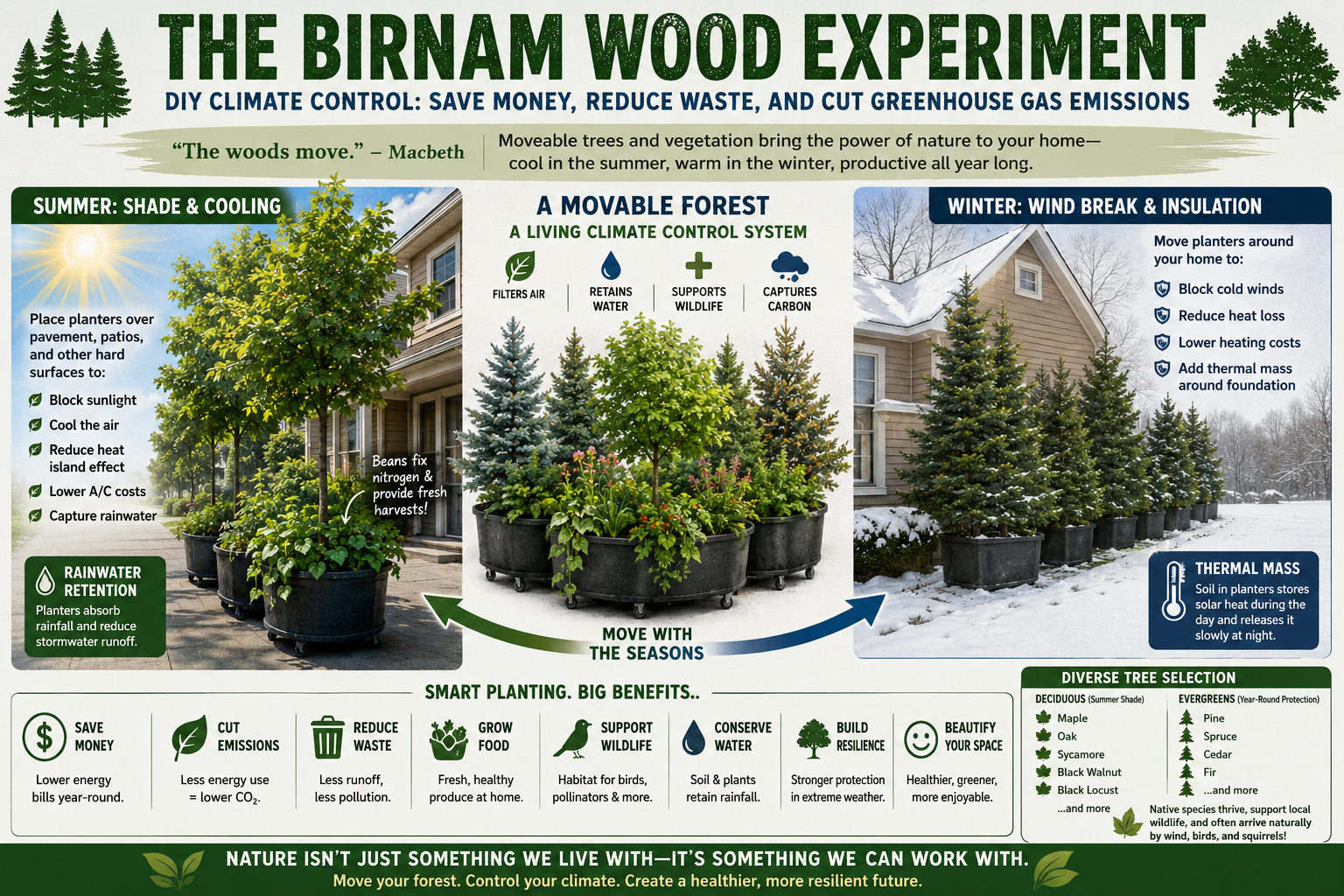
The Birnam Wood Experiment applies that same concept to climate resilience by using moveable trees and vegetation to improve home energy efficiency, reduce urban heat, harvest rainwater, provide food, and create healthier outdoor living spaces.
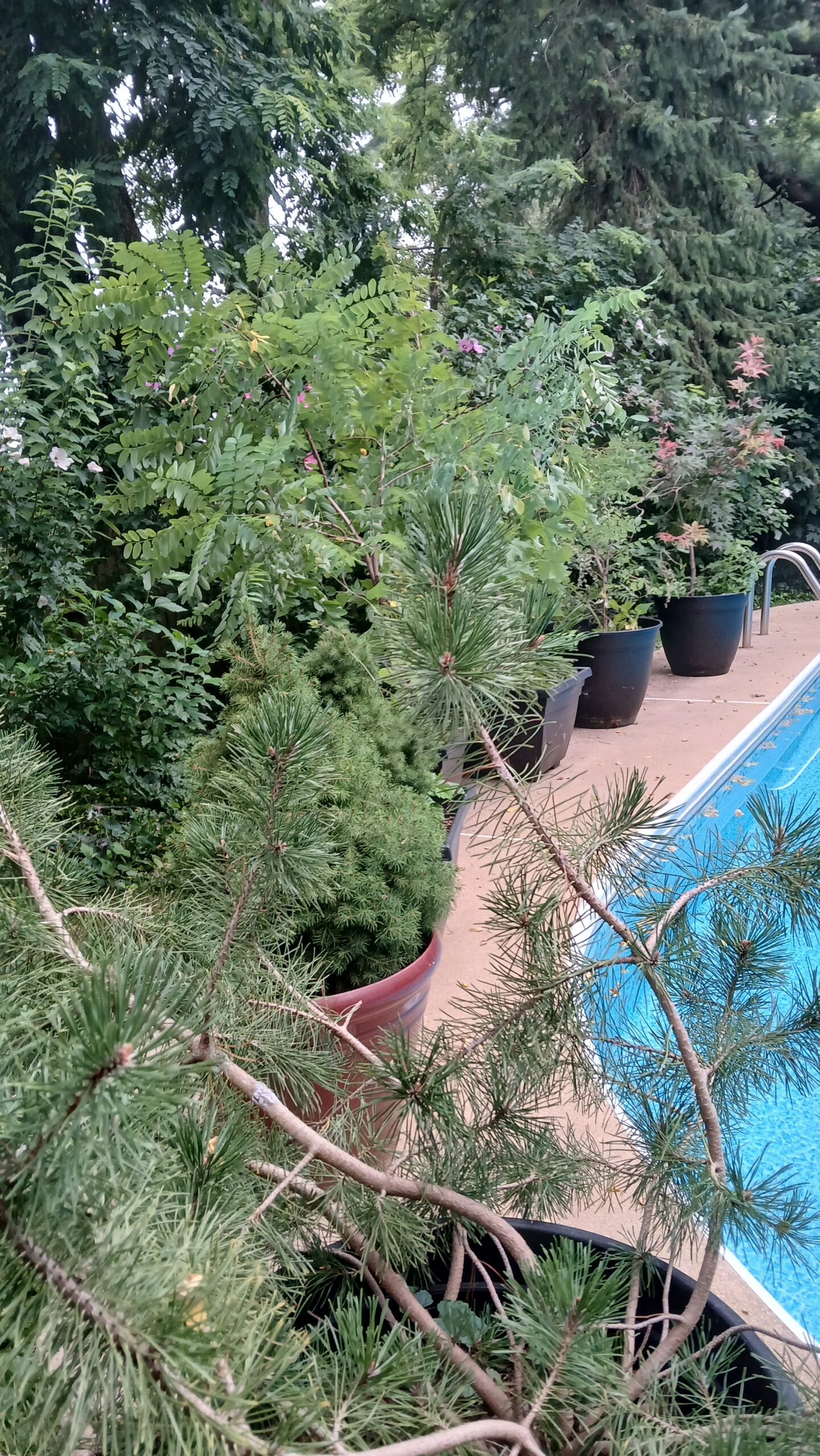
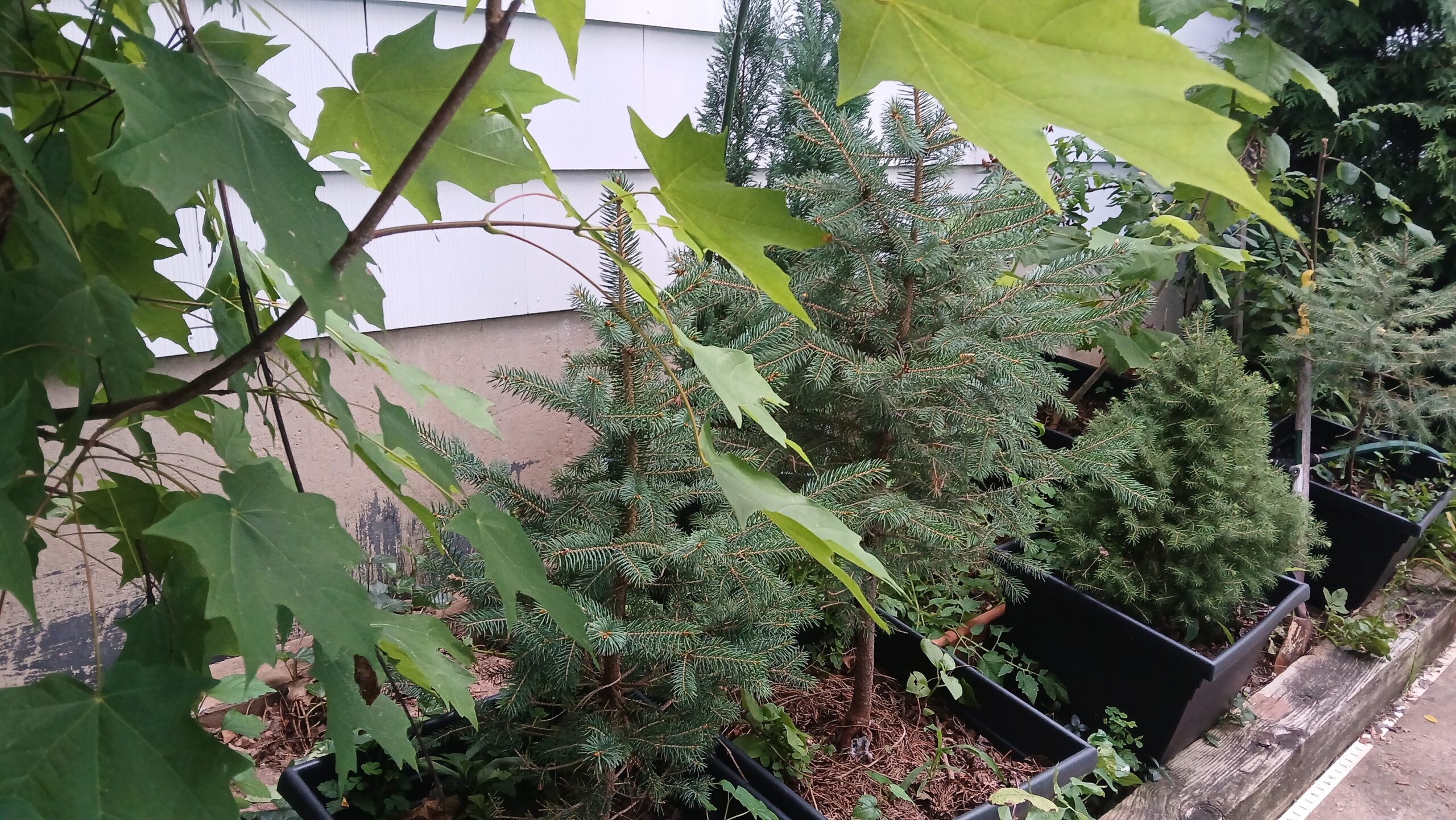
Rather than planting every tree permanently in the ground, many are grown in large mobile planters that can be repositioned throughout the year wherever they provide the greatest environmental and economic benefit.
A Living Climate Control System
Unlike traditional landscaping, movable planters allow homeowners to adapt their landscape to changing seasons and weather conditions.
The planters serve multiple purposes:
- Summer shade for homes, patios, and paved surfaces
- Winter windbreaks around buildings
- Rainwater retention
- Reduced stormwater runoff
- Heat storage within the soil
- Wildlife habitat
- Carbon storage
- Food production
- Improved air quality
Instead of relying entirely on mechanical heating and cooling, the landscape itself becomes part of the home’s climate-control system.
Building the Mobile Forest
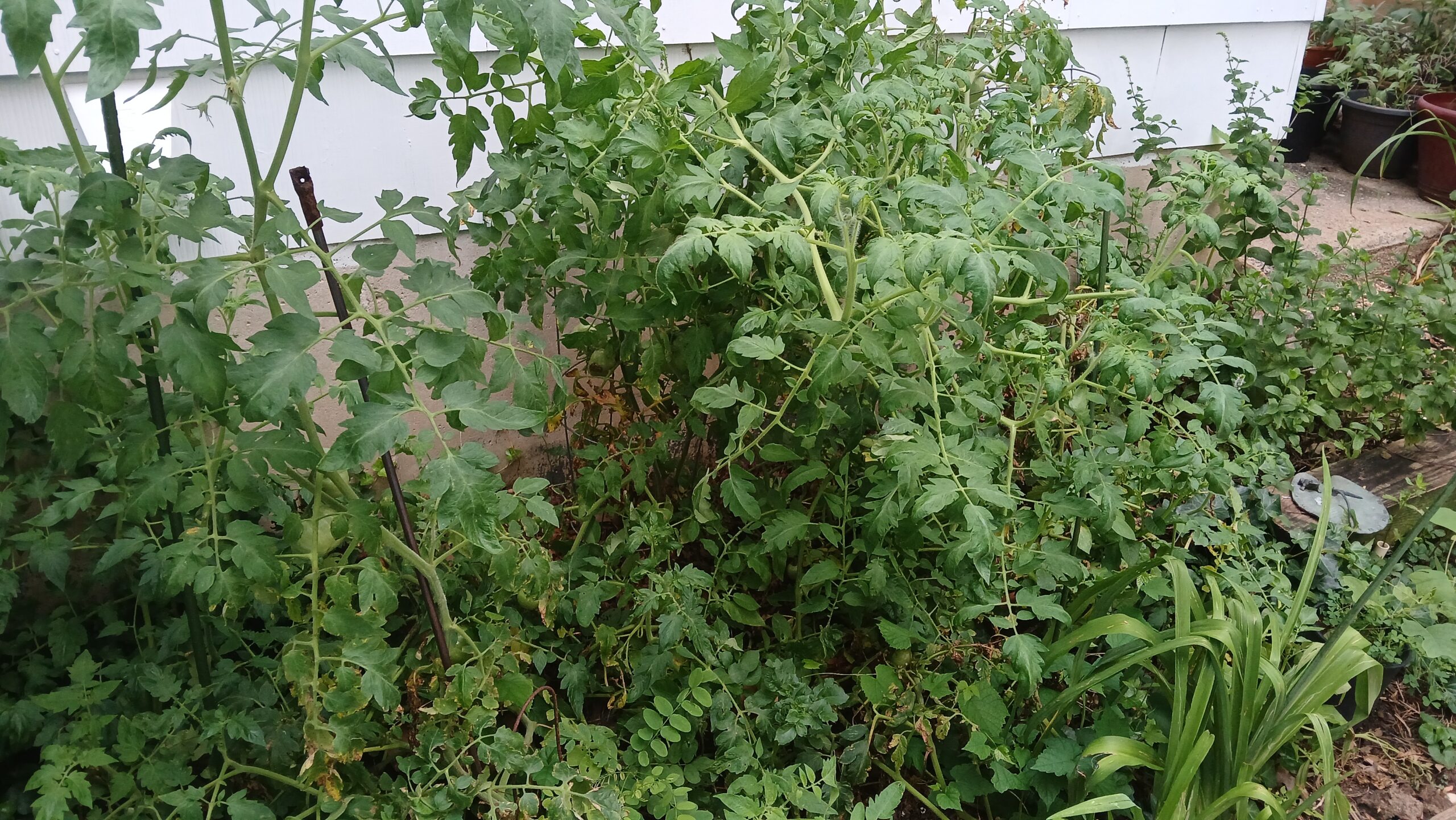
Large containers are planted with a mixture of trees, companion plants, and climbing vegetables.
Beans are especially valuable because they naturally fix nitrogen in the soil through symbiotic bacteria living on their roots. This reduces fertilizer requirements while producing a fresh harvest throughout the growing season.
Other vegetables, herbs, flowers, and pollinator-friendly plants can also be incorporated depending on the available space.
Selecting Trees
A diverse mixture of trees provides the greatest resilience.
Both deciduous and evergreen (conifer) species should be included whenever practical.
Deciduous trees provide:
- Dense shade during summer
- Natural cooling through evapotranspiration
- Autumn leaf mulch
- Winter sunlight after leaves fall
Evergreens provide:
- Year-round wind protection
- Winter insulation
- Wildlife shelter
- Continuous carbon capture
Whenever possible, native species should be prioritized because they support local wildlife, require less maintenance, and are naturally adapted to regional conditions.
Nature often contributes to the experiment as well. Birds, squirrels, and the wind frequently plant volunteer seedlings that can be transplanted into containers.
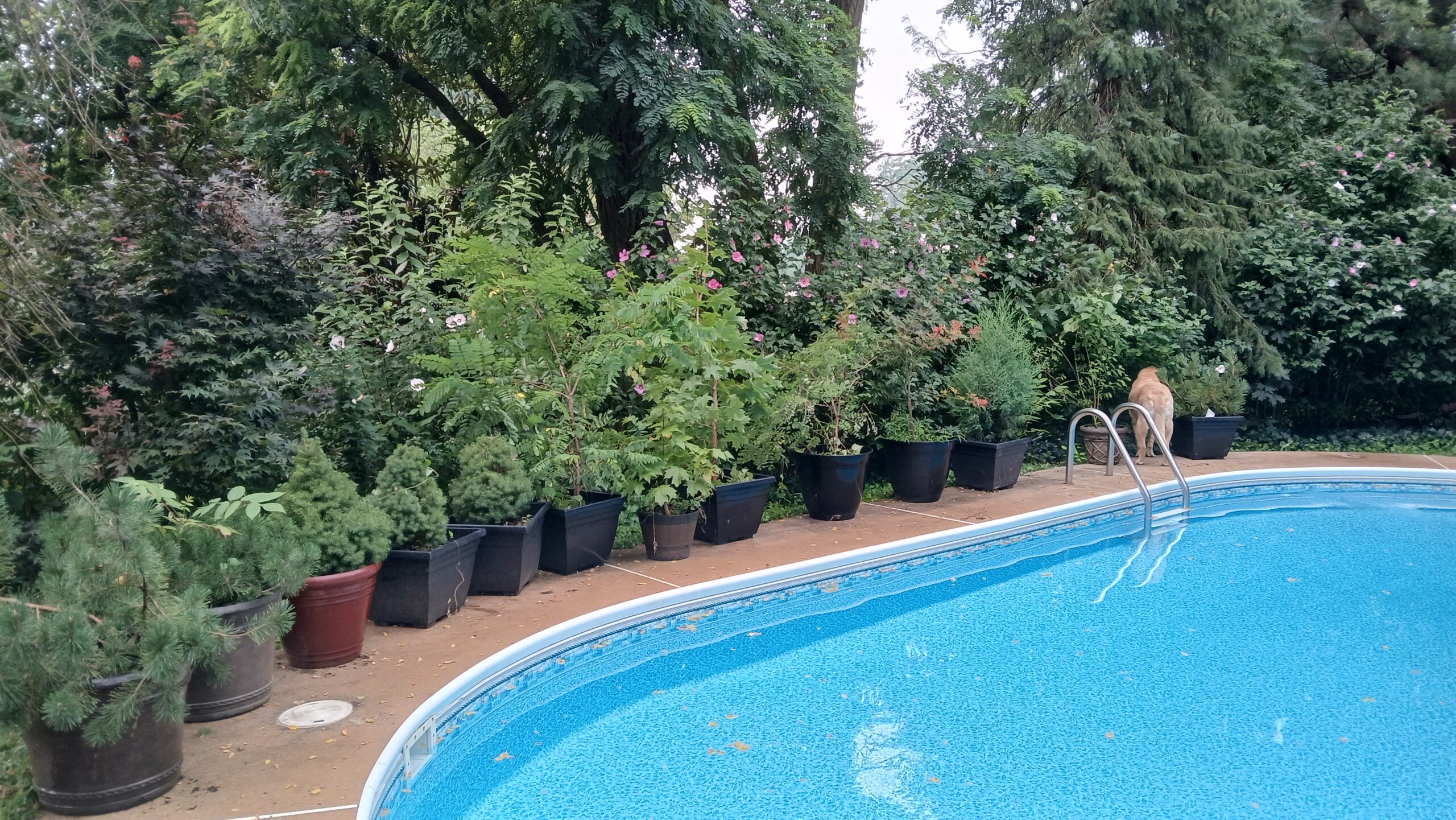
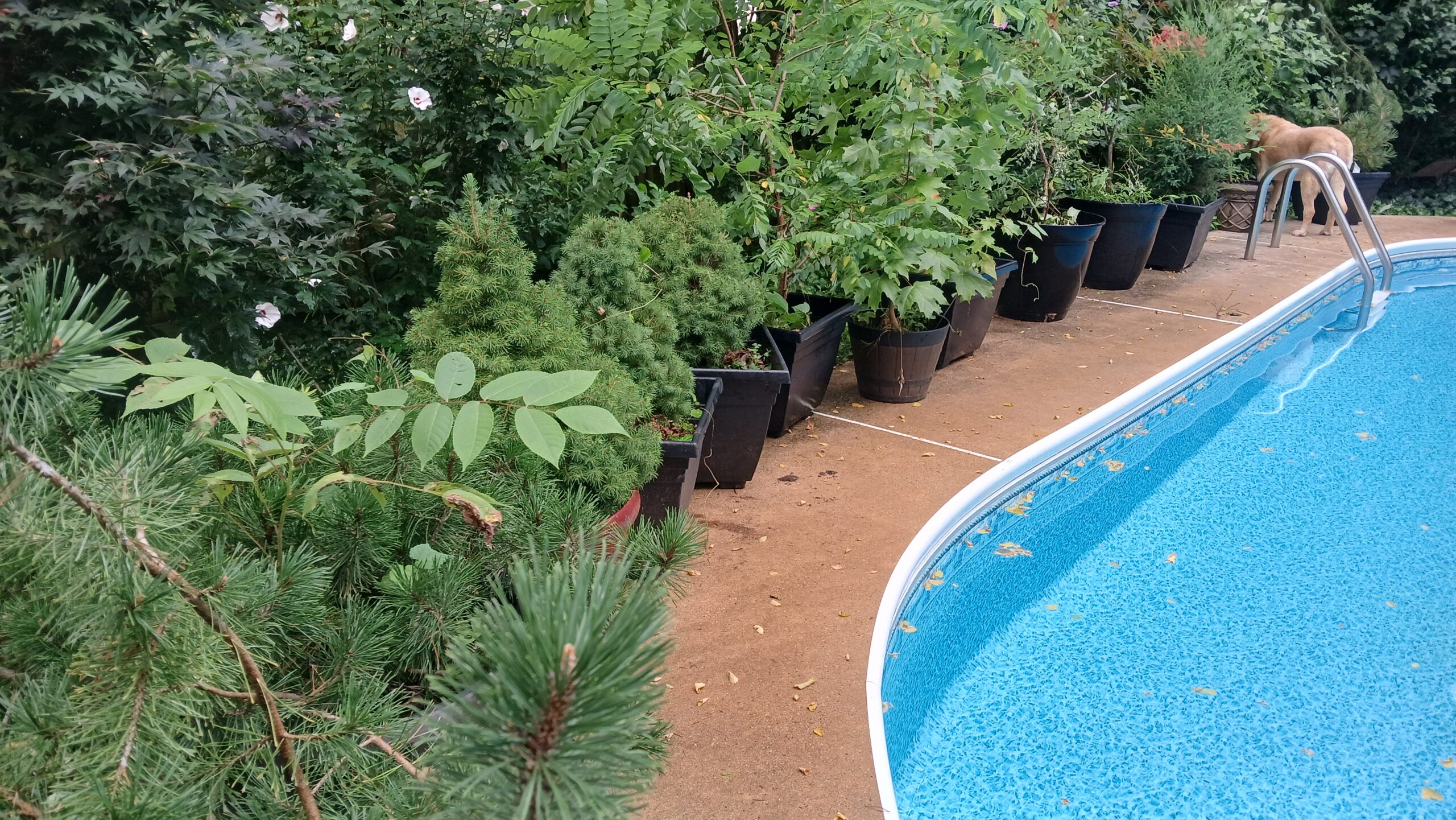
During the Pennsylvania experiment, naturally occurring species included:
- Black locust
- Red maple
- Oak
- Sycamore
- Black walnut
Additional conifer species were intentionally planted to maintain year-round coverage and maximize winter protection.
Summer Operation
During the hottest months, the containers are positioned over driveways, sidewalks, patios, parking areas, and other impervious surfaces.
These surfaces normally absorb enormous amounts of solar radiation before reradiating heat back into the surrounding air.
The movable trees interrupt this process by:
- Blocking direct sunlight
- Cooling the air through evapotranspiration
- Reducing pavement temperatures
- Lowering reflected heat reaching nearby buildings
Even modest reductions in surrounding temperatures can decrease air-conditioning demand while making outdoor spaces significantly more comfortable.
The planters also capture rainfall that would otherwise become runoff, allowing water to infiltrate the soil where it supports plant growth and evaporative cooling.
Winter Operation
As temperatures fall, the same planters are relocated around the home’s foundation and along prevailing wind directions.
Rows of evergreens create effective windbreaks that reduce wind speed before it reaches exterior walls.
Reducing wind exposure decreases convective heat loss from the building envelope, helping the home retain warmth while lowering heating costs.
The large soil volumes inside the containers also function as thermal mass. During sunny winter days, the soil absorbs solar energy and slowly releases heat after sunset, moderating temperature fluctuations around the foundation.
More Than Landscaping
The Birnam Wood Experiment demonstrates that landscaping can become an active component of home energy management rather than simply decoration.
Each planter performs multiple functions simultaneously:
- Shades buildings
- Insulates against winter winds
- Produces food
- Stores carbon
- Improves biodiversity
- Supports pollinators
- Retains rainwater
- Reduces erosion
- Filters air pollutants
- Beautifies the property
This multifunctional approach maximizes the return on every square foot of landscape.
Climate Benefits
Trees provide some of the most cost-effective climate solutions available to homeowners.
A well-designed mobile forest can help:
- Reduce cooling energy demand
- Lower heating costs
- Decrease greenhouse gas emissions
- Improve local air quality
- Reduce urban heat island effects
- Capture atmospheric carbon dioxide
- Increase climate resilience during heat waves
- Reduce pressure on stormwater systems
Because the trees can be repositioned as conditions change, the system remains flexible and can evolve as the landscape matures.
A Living Investment
Unlike many home improvements that slowly depreciate, healthy trees generally become more valuable over time. As they grow, they provide greater shade, stronger wind protection, increased carbon storage, more wildlife habitat, and larger harvests where edible species are included.
The Birnam Wood Experiment illustrates an important principle of climate adaptation: nature can be engineered to work alongside modern technology rather than replacing it. By treating trees as movable infrastructure instead of fixed landscape features, homeowners can create a dynamic, low-cost climate control system that saves money, reduces waste, strengthens local ecosystems, and lowers greenhouse gas emissions—all while bringing a little of Shakespeare’s legendary Birnam Wood to life.