bookmark_borderIntroduction to COVID-19: Understanding the Long-Term Impact

Author: Daniel Brouse

COVID Science Updates

COVID-19, caused by the SARS-CoV-2 virus, has left an indelible mark on global health, demonstrating not only its immediate threat but also the potential for enduring consequences. This article explores the profound and lasting impact of COVID-19, delving into the virus’s role in chronic conditions and its ability to leave a lasting imprint on various aspects of health.

Long-Term Complications and Excess Deaths

A COVID-19 infection often leads to persistent complications that significantly diminish both the quality of life and life expectancy. Shockingly, 10% of excess deaths can be directly attributed to COVID itself, while the remaining 90% are attributed to what can be considered COVID’s silent killers. Individuals who have experienced COVID may face a diminished quality of life and an increased risk of premature death. Dr. Rob Wust underscores this by stating, “There is something inside the body going wrong with the disease.”

Long-COVID: A Looming Reality

For those who have contracted COVID, the probability of developing chronic conditions, known as Long-COVID, is a staggering 99%. This alarming statistic underscores the pervasive and lasting impact of the virus on an individual’s health.

Key Insights into COVID-19’s Long-Term Effects

  1. Direct Impact on Organs:
    • COVID-19 has been responsible for millions of deaths and has caused long-term damage to vital organs, leaving many survivors permanently disabled.
  2. Persistent Viral Presence:
    • SARS-CoV-2 can persist in the body for months or even years, causing chronic infections and leaving behind viral proteins associated with Long-COVID. This persistence is comparable to other viruses like Chicken Pox leading to Shingles or Epstein-Barr virus contributing to Mononucleosis and Multiple Sclerosis.
  3. Compromised Immune System and Autoimmune Risks:
    • Post-COVID individuals often experience a compromised immune system and an increased risk of autoimmune diseases. Local immune responses may be disturbed by both mental and physical exertion in long-COVID patients.
  4. Genetic and Epigenetic Changes:
    • SARS-CoV-2 induces genetic and epigenetic alterations to DNA, resulting in a compromised immune system, elevated risks of diabetes, hypertension, cancer, and damage to neurological, circulatory, and cardiovascular systems. Predisposed conditions are likely to escalate to more advanced stages.
  5. Complexity of Long-COVID:
    • Long-COVID is likely a multifaceted condition involving persistent virus presence, residual viral proteins, and lasting epigenetic and genetic changes, potentially lasting indefinitely.
  6. Increased Risks with Reinfection:
    • Reinfection with COVID amplifies the risks of death, hospitalization, and multi-organ damage, exacerbating underlying conditions across various bodily systems.

Understanding the epigenetic changes induced by COVID, including the downregulation of NAD+ and the impact on tryptophan, sheds light on the physical and mental health challenges faced by individuals. The deficiency in niacin, zinc, and vitamin D is a common consequence. It is crucial to recognize that COVID’s epigenetic changes may vary widely based on an individual’s genetic makeup, requiring tailored treatments for optimal outcomes.
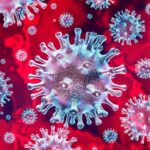
COVID-19 / SARS-CoV-2 / Novel Coronavirus

bookmark_borderCOVID: Excess Deaths and Quality of Life

by Daniel Brouse
December 14, 2023

COVID=19

Long-COVID, or post-infection COVID, appears to affect the majority of the population. For individuals that “recover” from COVID-19, they can expect a decreased quality of life and a premature death.

Decrease in Quality of Life
Known chronic conditions resulting from a COVID infection include: Permanent Organ Damage, Persistent SARS-CoV-2 RNA in multiple organs and throughout the brain, Destruction of Good Gut Bacteria Resulting in a Compromised Immune System, Epigenetic Modifications (Changes to DNA), Change in Cell Fate, Tryptophan Deficiency, Dysfunctional Kynurenine Pathway, Neurological Damage, New-Onset Alzheimer’s Disease, Exertional Intolerance, Oxygen Extraction, Reduced Exercise Capacity, Down Regulating NAD+, Up Regulating IDO, Rogue Antibodies, Insulin Reduction, Diabetes, High Cholesterol, Heart Disease and Stroke, Increased Risk of Cancer, Blood Clots, Hypertension, Vascular Disorders, Myocarditis and Heart Disease, Multisystem Inflammatory Syndrome in Children (MIS-C), and Dysregulation of the innate immune system, i.e. “cytokine storm”.

Decrease in Life Expectancy
In epidemiology, the excess deaths or excess mortality is a measure of the increase in the number deaths.

On October 26, 2023, Insurance News Network reported, “Excess mortality is the difference between the total number of deaths for a specific time period and the number that would have been expected. The numbers were naturally forecast to climb during the pandemic, but some industry and health authorities are concerned the rates haven’t greatly diminished as COVID infection rates have declined.”

In November of 2023, the SOA Research Group released Group Life COVID-19 Mortality Survey Report finding the 39-month period of April 2020 through June 2023 showed the following Group Life mortality results:
• Estimated reported Group Life claim incidence rates were up 13.2% on a seasonally-adjusted basis compared to 2017–2019 reported claims.
• Estimated incurred Group Life incidence rates were 12.2% higher than baseline on a seasonally-adjusted basis. As noted above, the incurred incidence rates in May and June 2023 are based on fairly incomplete data, so they are subject to change and should not be fully relied upon at this point.

90% of these excess deaths were caused by post-COVID conditions. 10% of the excess deaths are attributed to the COVID virus.

A Boston University study identified a total of 1,179,024 excess deaths from March 2020 through February 2022, including an estimated 634,830 excess deaths from March 2020 to February 2021, and 544,194 estimated excess deaths from March 2021 to February 2022.

Causes
A decrease in life expectancy, quality of life, or death after a COVID infection is usually caused by complications from the infection, persistent virus (chronic infection), and/or epigenetic changes.

COVID-19 / SARS-CoV-2 / Novel Coronavirus

bookmark_borderCOVID-19: Chronic Conditions

COVID=19

By Daniel Brouse
help@membrane.com

“I describe it as a bit like somebody throwing a hand grenade into our immune system, that all the populations [of immune cells] are completely topsy turvy and unsettled for years. And, that’s a guess, but we’ve got the technology to look at that in quite a lot of detail,” said Professor Danny Altmann, from the Department of Immunology and Inflammation at Imperial.

In September of 2023, The Lancet Respiratory Medicine reported, “Long-standing multiorgan impairment following SARS-CoV-2 infection has been a major concern for individuals recovering from severe disease and is thought to be caused by a multitude of factors, including direct viral cytotoxicity, chronic inflammation, ischaemic injury, acute reactivation of other viruses, metabolic derangements, and acute treatment effects (especially invasive ventilation). Numerous reports of delayed organ complications such as myocarditis, stroke, and pulmonary emboli have led to speculations that the multiorgan dysfunction caused by COVID-19 might be responsible for impaired recovery and ongoing symptoms in individuals, a condition referred to as long COVID.”

We know COVID causes long term health and wellness impacts, such as:
* Permanent Organ Damage
* Persistent SARS-CoV-2 RNA in multiple organs and throughout the brain
* Destruction of Good Gut Bacteria Resulting in a Compromised Immune System
* Epigenetic Modifications (Changes to DNA)
* Change in Cell Fate
* Tryptophan Deficiency
* Dysfunctional Kynurenine Pathway
* Neurological Damage
* New-Onset Alzheimer’s Disease
* Exertional Intolerance, Oxygen Extraction, Reduced Exercise Capacity
* Down Regulating NAD+
* Up Regulating IDO
* Rogue Antibodies
* Insulin Reduction, Diabetes, High Cholesterol, Heart Disease and Stroke
* Increased Risk of Cancer
* Blood Clots
* Hypertension, Vascular Disorders, Myocarditis and Heart Disease
* Multisystem Inflammatory Syndrome in Children (MIS-C)
* Dysregulation of the innate immune system, i.e. “cytokine storm”

It is important to note that the severity of disease in humans is not determined only by virus replication but also by the host immune response to the infection, which may lead to dysregulation of the innate immune system, i.e. “cytokine storm” (Omicron SARS-CoV-2 can infect faster and better)

These are some of the causes of long-COVID symptoms that have been identified. There are likely many more.

Everybody’s response to COVID is unique; however, most people are likely to develop several of these disorders. For instance, the genetic abnormalities were found in 1-3% of the prepandemic population. In the population of COVID survivors, 50-75% of individuals exhibit these genetic abnormalities. Currently, there is no cure for any of these ailments. Another example is the loss of taste and/or smell. In the study UGT2A1/UGT2A2 locus is associated with COVID-19-related loss of smell or taste people that are genetically predisposed to have problems with taste and smell genes are more likely to lose their senses to COVID. Of those people that lose their sense of taste or smell, 20% will not recover their senses.

COVID causes negative feedback loops. COVID appears to cause the most damage to the weakest or most vulnerable parts of the body. If you were predisposed to a condition prior to COVID, you will likely develop the condition after COVID. An example would be people with type II diabetes. If you have diabetes prior to COVID, then you are at high risk of dying from COVID. If you are prediabetic, COVID will likely make you diabetic. If you are not inclined to develop diabetes, COVID will likely increase the probability of developing diabetes. The same holds true with NAD+, IDO, P53 tumor suppression genes, and all the other conditions listed above.

Vaccination is the best method for preventing all of these conditions. Unvaccinated people are 8x’s more likely to contract COVID. Vaccinated people that contract COVID are 50% less likely to develop long-COVID. Get vaccinated; however, vaccination alone is not enough. One should also wear an N95 mask and socially distance.