by Daniel Brouse
JIM THORPE, PENNSYLVANIA — OCTOBER 31, 2026
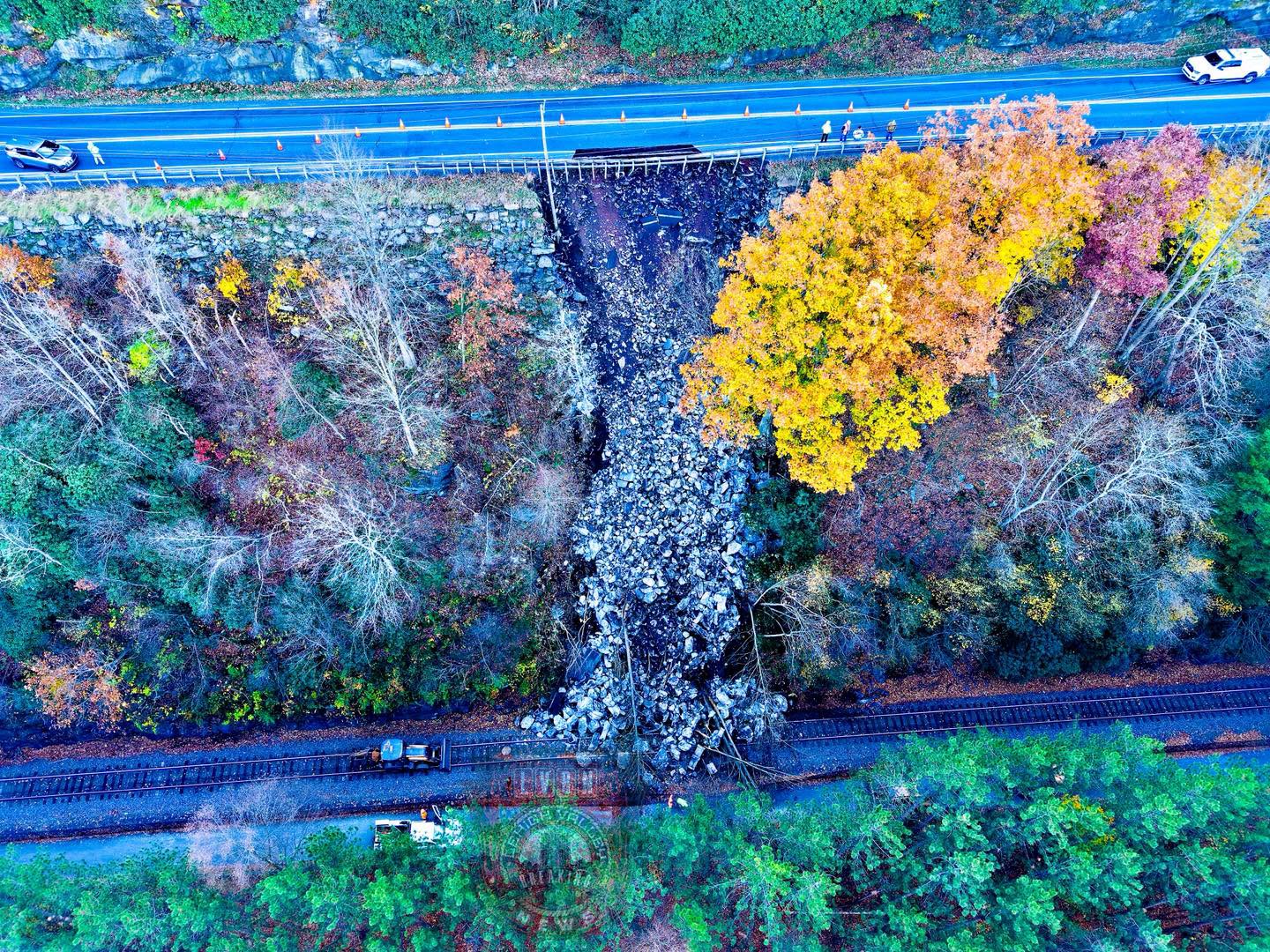
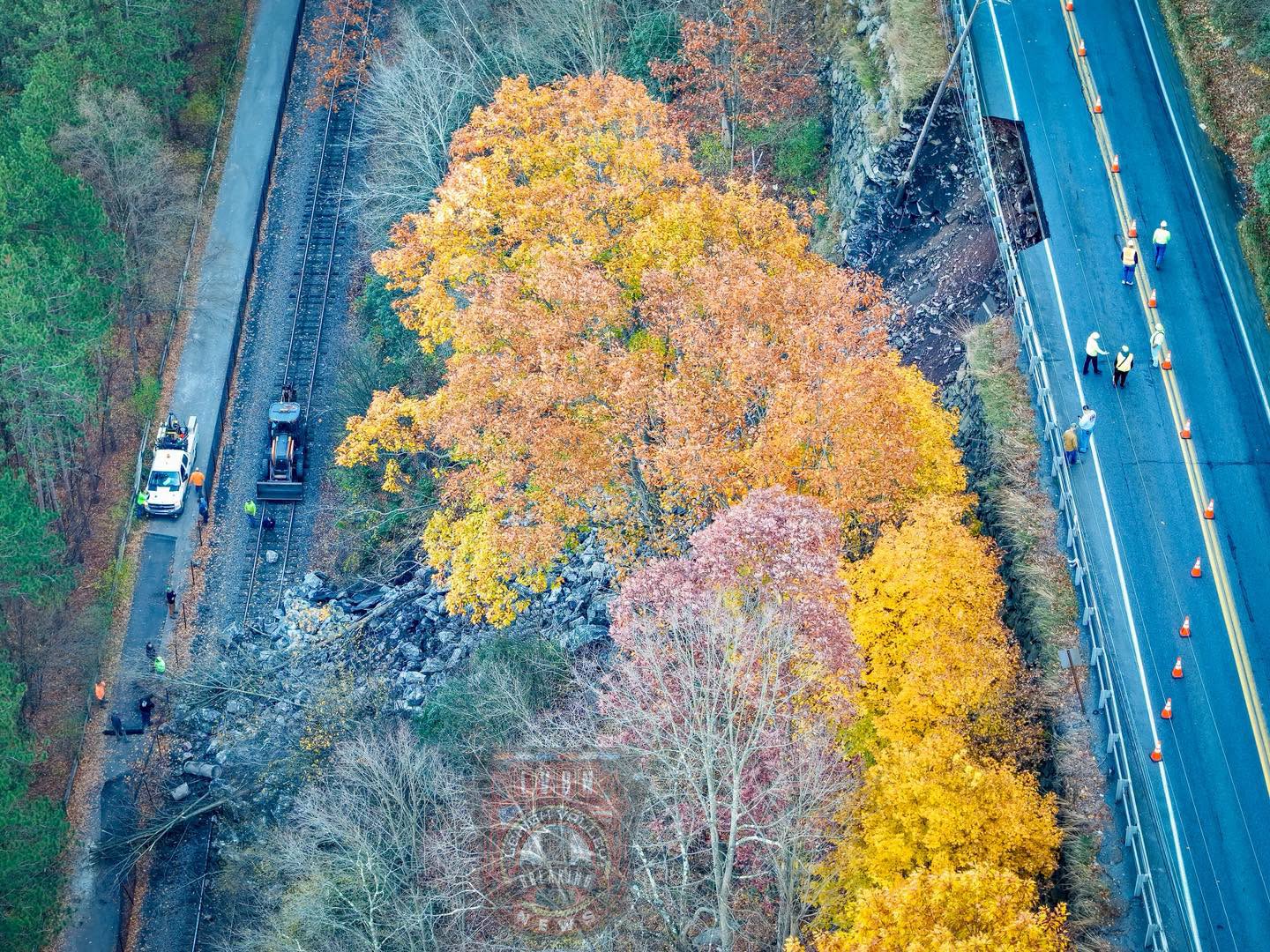
A massive rockslide occurred along Route 209 near Jim Thorpe, Pennsylvania, on Saturday, October 31, 2026, causing significant roadway damage and bringing local rail and trail traffic to a complete halt. The incident occurred around midday between Jim Thorpe and Nesquehoning, during the peak of Pennsylvania’s autumn foliage tourism season.
Infrastructure Impact
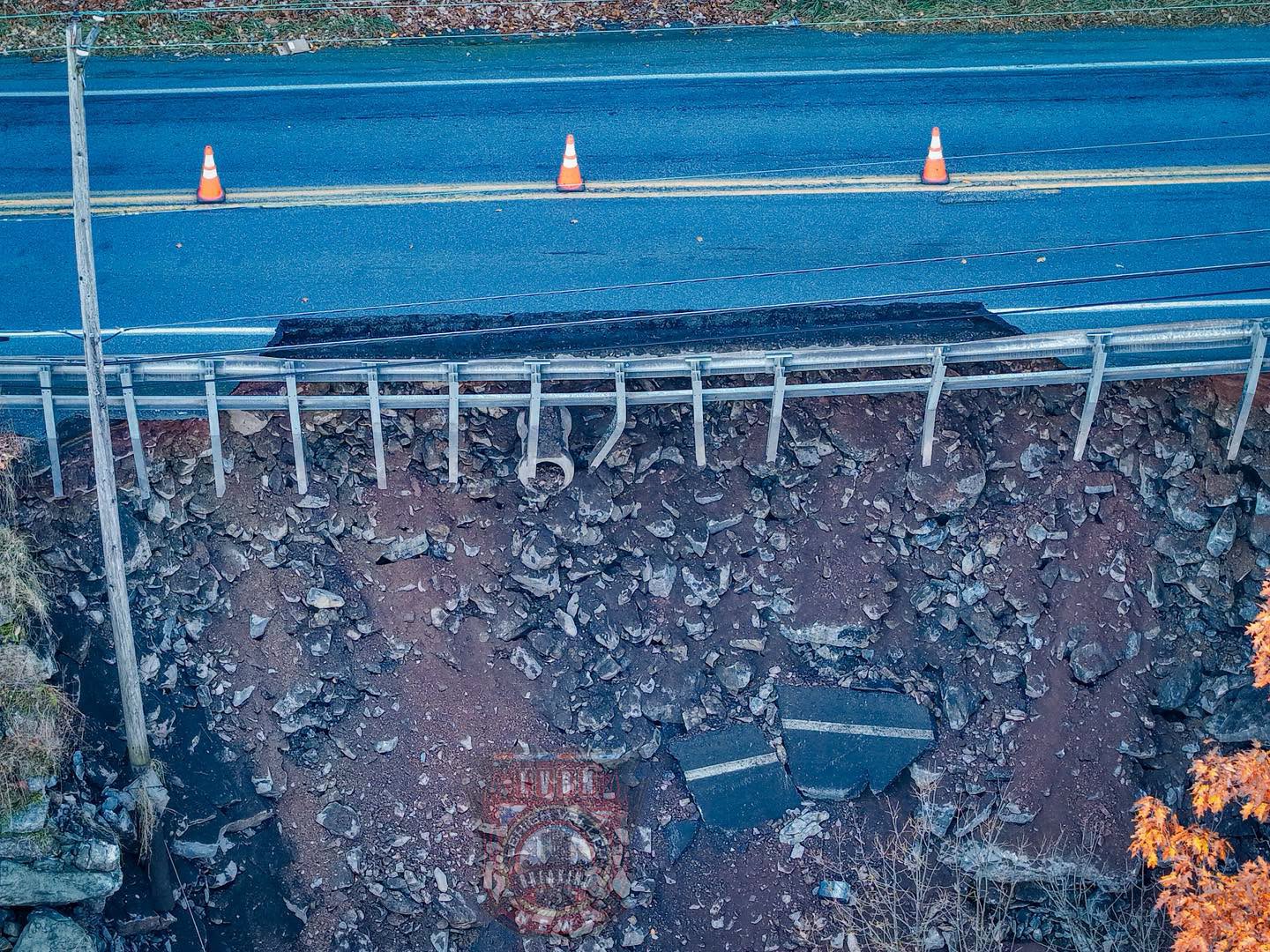
The rockslide caused a section of Route 209 to buckle, leaving a hole estimated at 12 feet long by 3 feet wide. The highway was closed in both directions between Route 903 and Route 93. PennDOT estimated that debris removal and reconstruction could keep the roadway closed for 10 to 30 days.
Debris also buried sections of the adjacent railroad tracks, halting train traffic, while a portion of the popular D&L Trail was completely covered and rendered impassable. The incident disrupted three important transportation and recreational corridors in the region.
The Climate Connection: Water, Temperature Swings, and Slope Instability
Climate change is an important factor to consider when evaluating the increasing risks of rockslides and slope failures across Pennsylvania. Although the precise cause of this particular slide requires geological investigation, the conditions observed at the site illustrate mechanisms through which changing weather patterns can undermine slope stability.
Water infiltration was visible in the underlying substrate, potentially weakening the soil and material supporting the rock formation. In the ten days preceding the incident, temperatures fluctuated dramatically, ranging from the 70s Fahrenheit to below freezing.
These rapid temperature swings can intensify freeze-thaw cycling. Water penetrates cracks and openings in rock and soil, freezes as temperatures fall, and expands, exerting pressure that can progressively weaken existing fractures. Subsequent thawing allows additional water infiltration and can contribute to soil saturation, erosion, and the loss of structural support.
Repeated temperature fluctuations, increasingly variable precipitation, and intense rainfall can compound these processes, accelerating the deterioration of already vulnerable slopes.
The larger concern is cumulative infrastructure vulnerability. Roads, railways, trails, bridges, and surrounding communities depend on geological stability that changing environmental conditions can increasingly compromise. The Jim Thorpe rockslide is a reminder that climate impacts are not limited to rising temperatures and flooding. They also affect the physical stability of the landscape and the infrastructure built upon it.
How Is Climate Energy Hitting You? Pennsylvania: Watch for Falling Rock
http://membrane.com/global_warming/Climate-Energy-PA-Falling-Rock.html